|
| |
At least it's Friday.
Day two of level three of lockdown two. Our calendars are measured in the incubation period of a virus. Two weeks, four weeks. Three days for 'contact tracing'—even our language has changed. Meanwhile, aside from humans and bats, the wild world carries on. If you you live in Auckland—as your IP address suggests you do—the wild world on your doorstep is the Hauraki Gulf. It's complex ecosystem, beset with problems, and solutions that we don't feel like trying. And yet life goes on, especially the magnificent Bryde's whales. |
|
|
|
| |

|
Talking points
Discuss the ideas presented in the story with your family—at home or over video conferencing. Find ways to involve as many people as possible, especially those who you know are isolated by the lock-down. - The Bryde's whale uses its mouth like a butterfly net, scooping it through the water to catch tiny fish and krill then expelling the water back out. In the top photo, can you see the pleats that have expanded to make the whale's throat bulge out? How much water do you think it might be holding—a paddling pool full? A spa pool?
- In the top photo, there is a seabird and a dolphin near the whale. Why do you think these species are often seen together?
- Whaling took place at Whangaparapara on Great Barrier Island until the 1960's. This means that Hauraki Gulf whales were still being hunted when your grandparents were in their teens or 20's. Do you know how they felt about whaling? How have most people's attitudes to whales changed since then? What do you think influenced this change?
- Baleen whales can't choose what they swallow, so microplastics end up in their stomachs along with seafood. What do you know about how microplastics end up in the ocean, and how we can stop them getting there? Did you know that many microplastics start out as bigger pieces of plastic, such as rubbish, that breaks up into small pieces?
- Do you think most Aucklanders know there are whales in the Hauraki Gulf? Do you think one day we could end up with more whales in the Hauraki Gulf? What would we need to do to achieve this?
|
|
|
|
|
|
| |
Activity
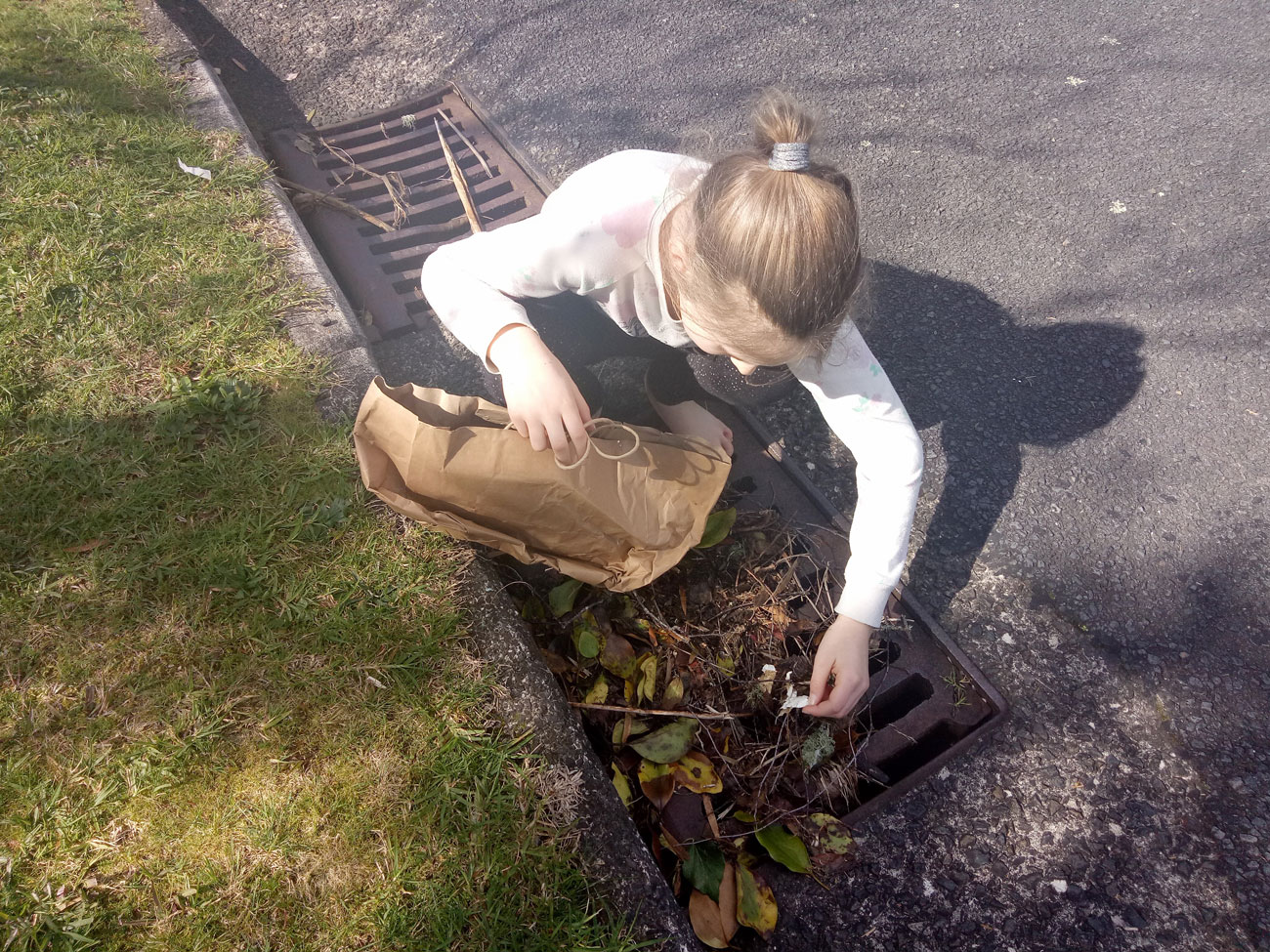
Take action on microplastics! Find the stormwater drain nearest to your house. To do this, start at your letterbox and turn downhill, or towards the nearest coast. Walk until you find a stormwater drain. Pick up any rubbish you find on the way. Is there any rubbish resting on the grate of the drain? Can you see how in big rains, this rubbish would slip through the grate? See if you can figure out how the water gets from the stormwater drain to the sea. Think about the direction of the nearest beach from where you are standing. You can use Google Maps Street View to help you figure out the nearest stream or culvert which leads to the beach. Go on a longer walk if you can and pick up as much rubbish as possible—and feel great about having saved some marine animals from a nasty mouthful. Send us a picture of you taking action on microplastics!
|
|
|
|
|
|
| |
#SundayDoco
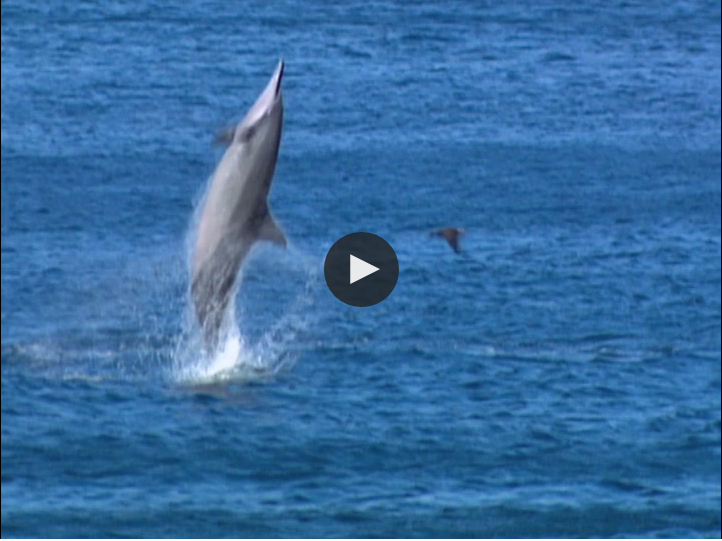
Remember 7pm on Sunday nights, Our World, Wild South... those were the days of the family Sunday doco. Well, we still have them at NZGeo.com/video—a bunch of the old Wild South docs and some more besides. Save this treat 'til Sunday Night, heat up yesterday's meatloaf, gather round the idiot box with the fam, kick back the Lazy-Boy and... Enter the mysterious world of spinner dolphins and discover how and why they perform the complex aerial activities, unique to their kind.
|
|
|
|
| |
Kids respond...
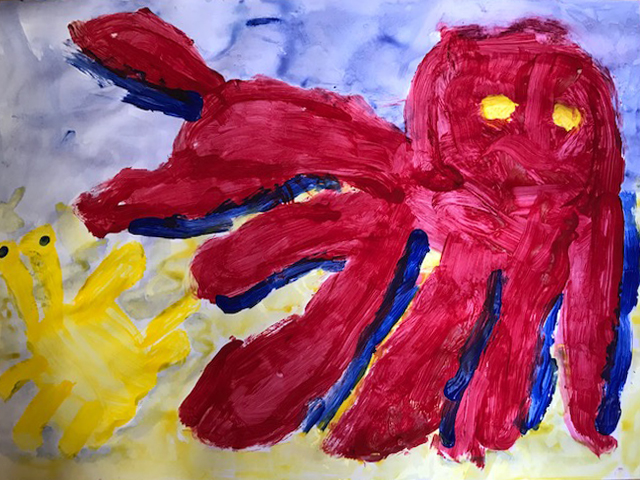
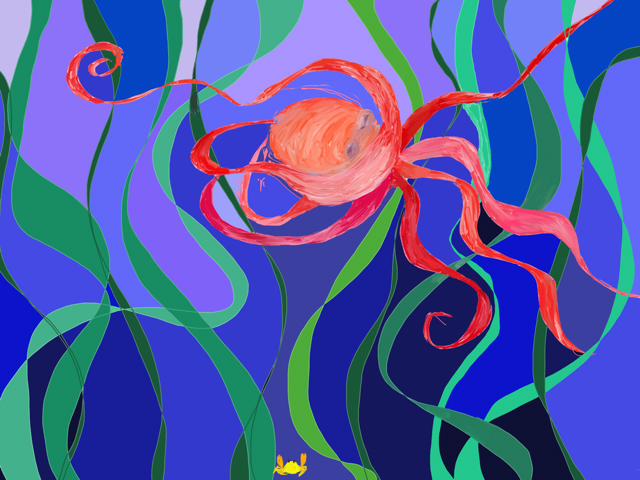
Kids are getting crafty with NZGeo's Together at Home—see more at www.nzgeo.com/together-at-home. If you've produced some masterpieces, send them through to education@nzgeographic.co.nz and we'll put them online too! Thanks to Carter John, and the very profesh Samantha Read-Smith:
|
|
|
|
| |
How do NZGeo digital subs work?
You can access three items per month totally free on NZGeo.com, and thereafter it costs $1 per week for a digital subscription. (We bill $8.50 every two months to a credit card, or $50/year if you prefer.) A digital subscription gives you access to more than 10,000 stories and 400 hours of natural history documentaries on-demand, on any device.
|
|
|
|
|
|

![145_Viewpoint_shutterstock_227311084-[Converted]](https://cdn.nzgeo.tv/2017/04/145_Viewpoint_shutterstock_227311084-Converted-336x336.jpg)