|
| |
Hello again.
Welcome to the Auckland edition of Together at Home—the digital series to help families keep their heads on during lock-down. It's been three months since we last penned one of these, more than 100 blissful days of life in Aotearoa without Covid-19. And now it's back. We can be sad about that somewhere else, however, because the purpose of Together at Home is to help us all get through, especially kids... and their parents and grandparents. The sudden onset of Alert Level 3 for Auckland gives us a new opportunity to step back from the daily grind and—despite the upheaval, the uncertainty—to invest a bit more time in the lives of our little ones. These emails are free. The activities are free. The first three stories are free, then we ask for $1/week as a digital subscription to help support this work. We hope this brings some relief amidst the outbreak. In the meantime, let's learn about octopii... |
|
|
|
| |

|
Talking points
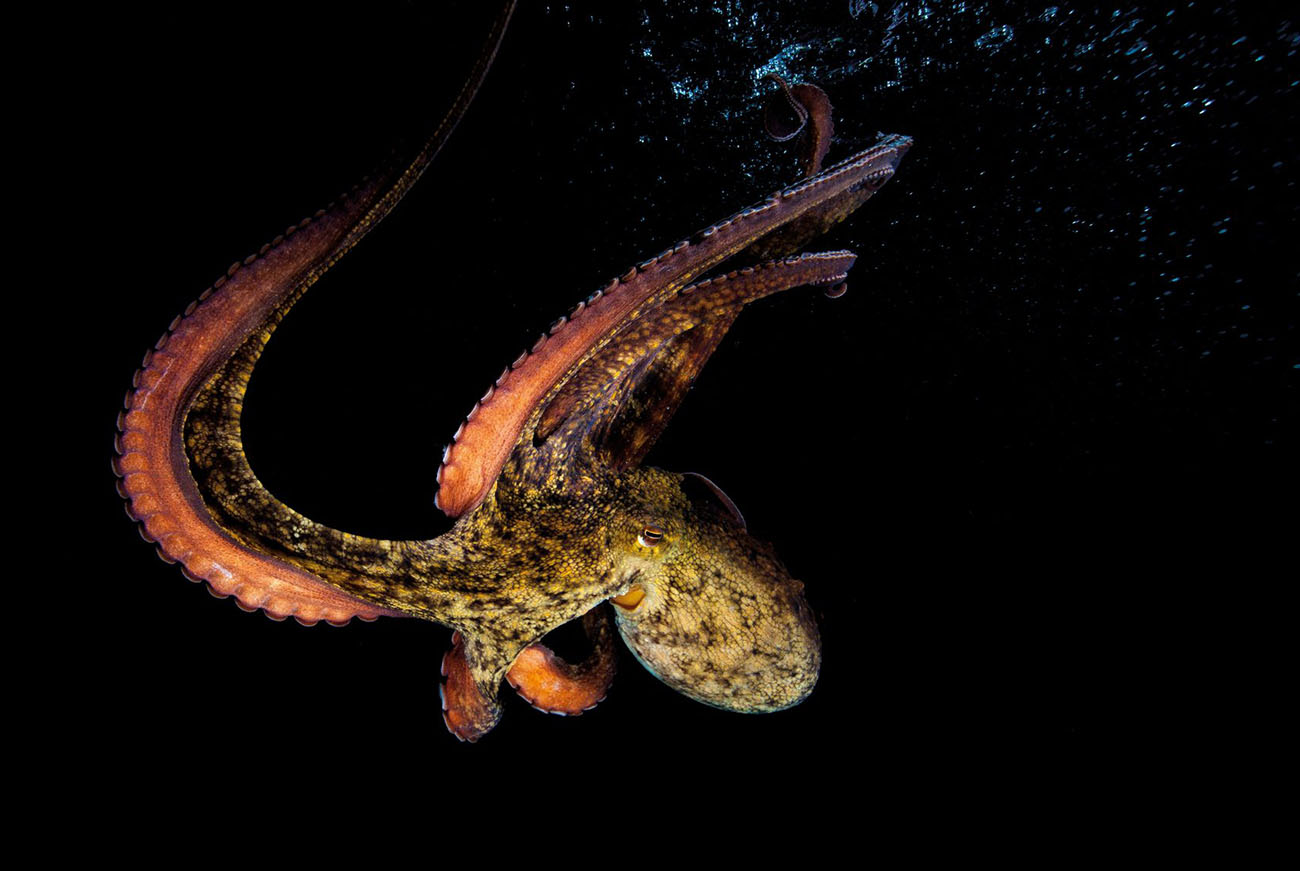
Discuss the ideas presented in the story with your family—at home or over video conferencing. Find ways to involve as many people as possible, especially those who you know are isolated by the lock-down. - The author is called Dave and at the start of the article he gets up close to an octopus called Dave. He describes Dave the Octopus as being "beautifully equipped for entrapment and murder." What physical features can you see in these pictures of octopus that would help the species to trap and kill prey?
- "Engage with an octopus and you meet a mind of towering acuity." Acuity is sharpness or keenness. As a mollusc or soft-bodied animal, the octopus' keen mind is essential for its survival. How do you think the octopus' intelligence enables it to live differently to other marine molluscs (such as sea slugs, sea snails, pipi, mussels and scallops?)
- At the end of the article Dave Hansford writes that :the more we come to understand about octopuses, "the shakier become our traditional notions of intelligence and consciousness." Do you think octopuses could be capable of thought, in the way humans are? What makes you think they might or might not be?
- Octopus are incredibly curious—in aquariums they are often given toys to stave off boredom. The article also mentions that they could be well suited to aquaculture. How does this raise an ethical challenge for humans looking to possibly farm them for food?
- Would an octopus make a good pet? Would a human make a good octopus pet-owner? Why or why not?
|
|
|
|
|
|
| |
![145_Viewpoint_shutterstock_227311084-[Converted]](https://cdn.nzgeo.tv/2017/04/145_Viewpoint_shutterstock_227311084-Converted-336x336.jpg)
|
Activity
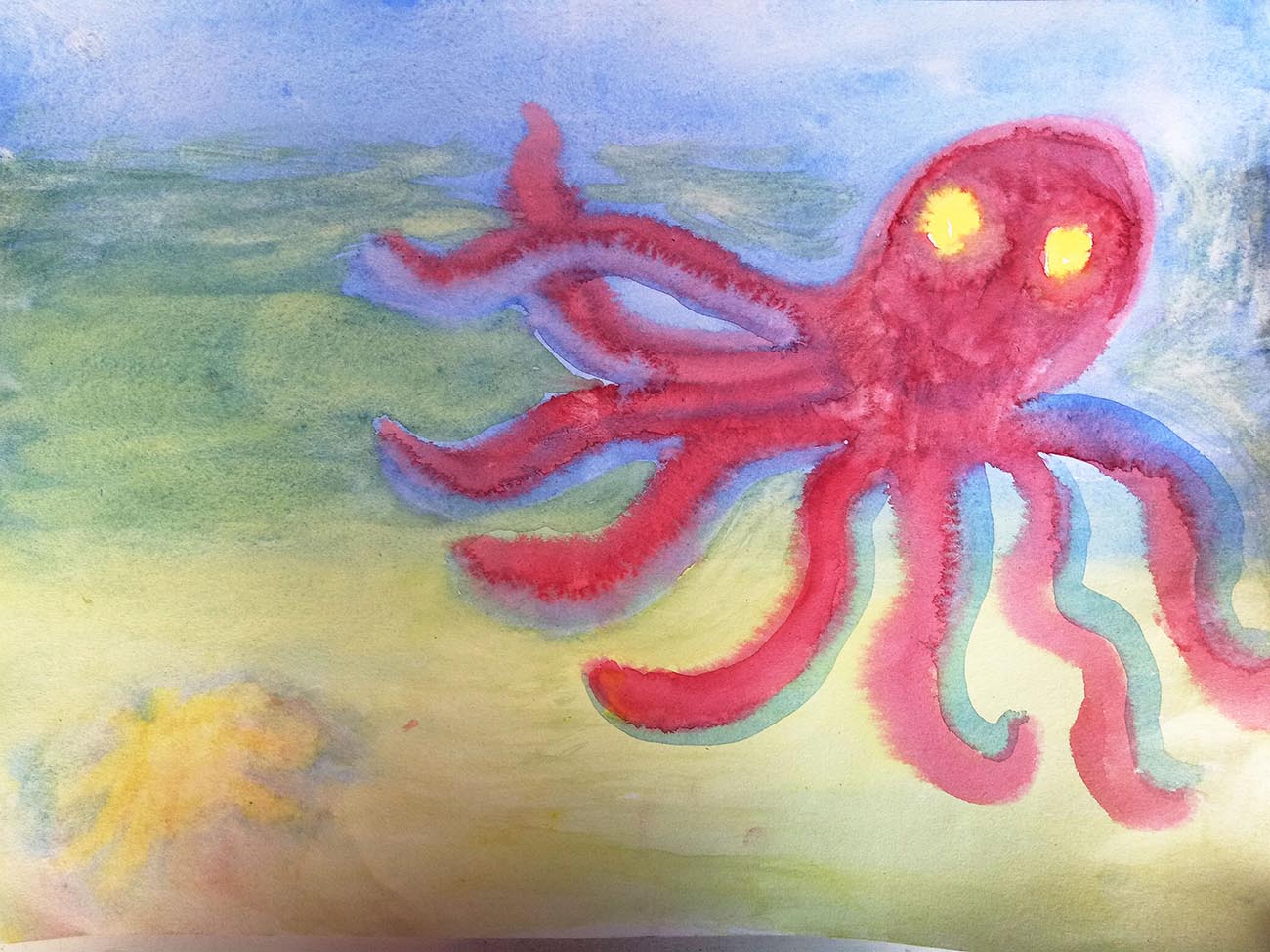
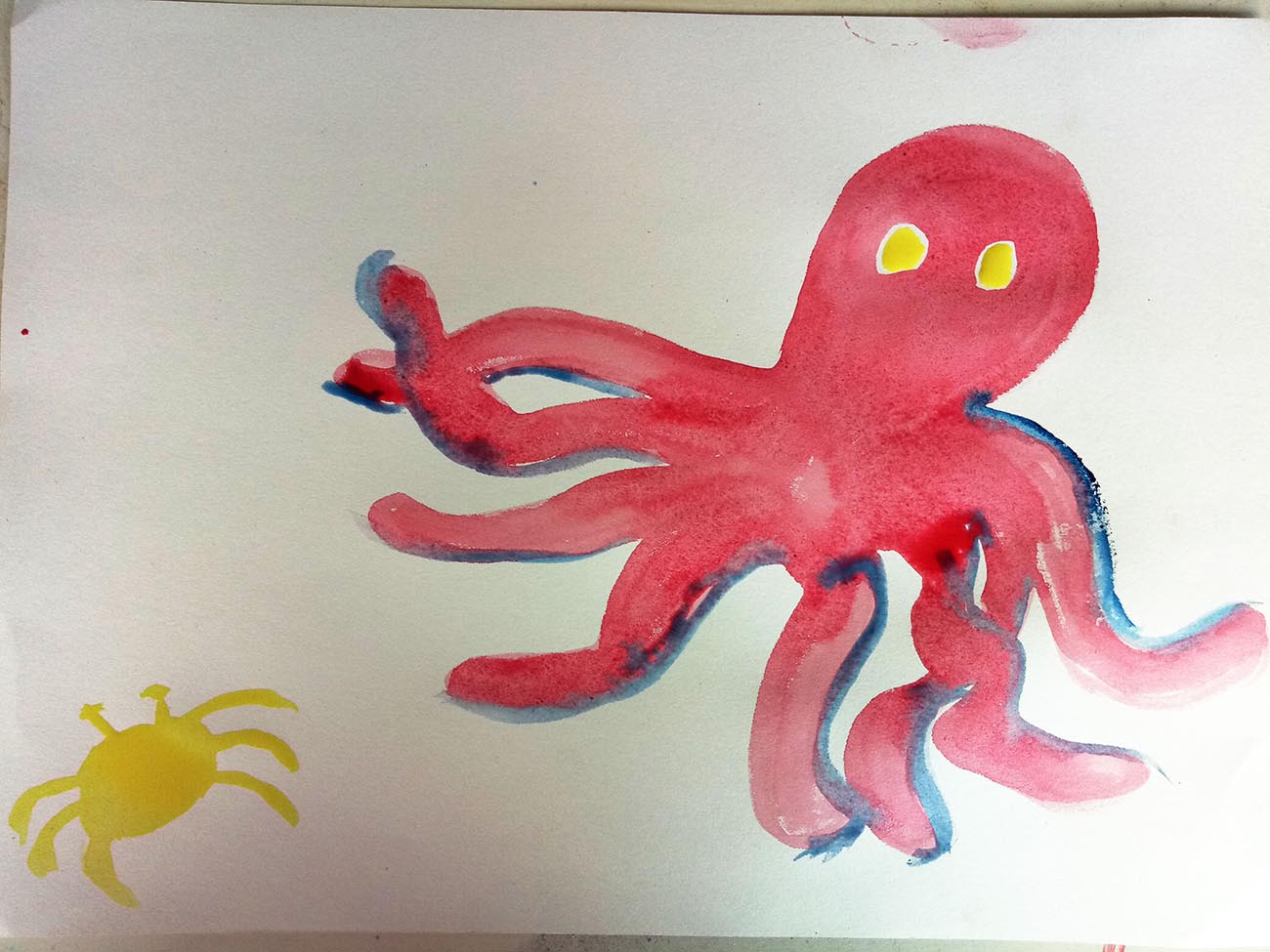
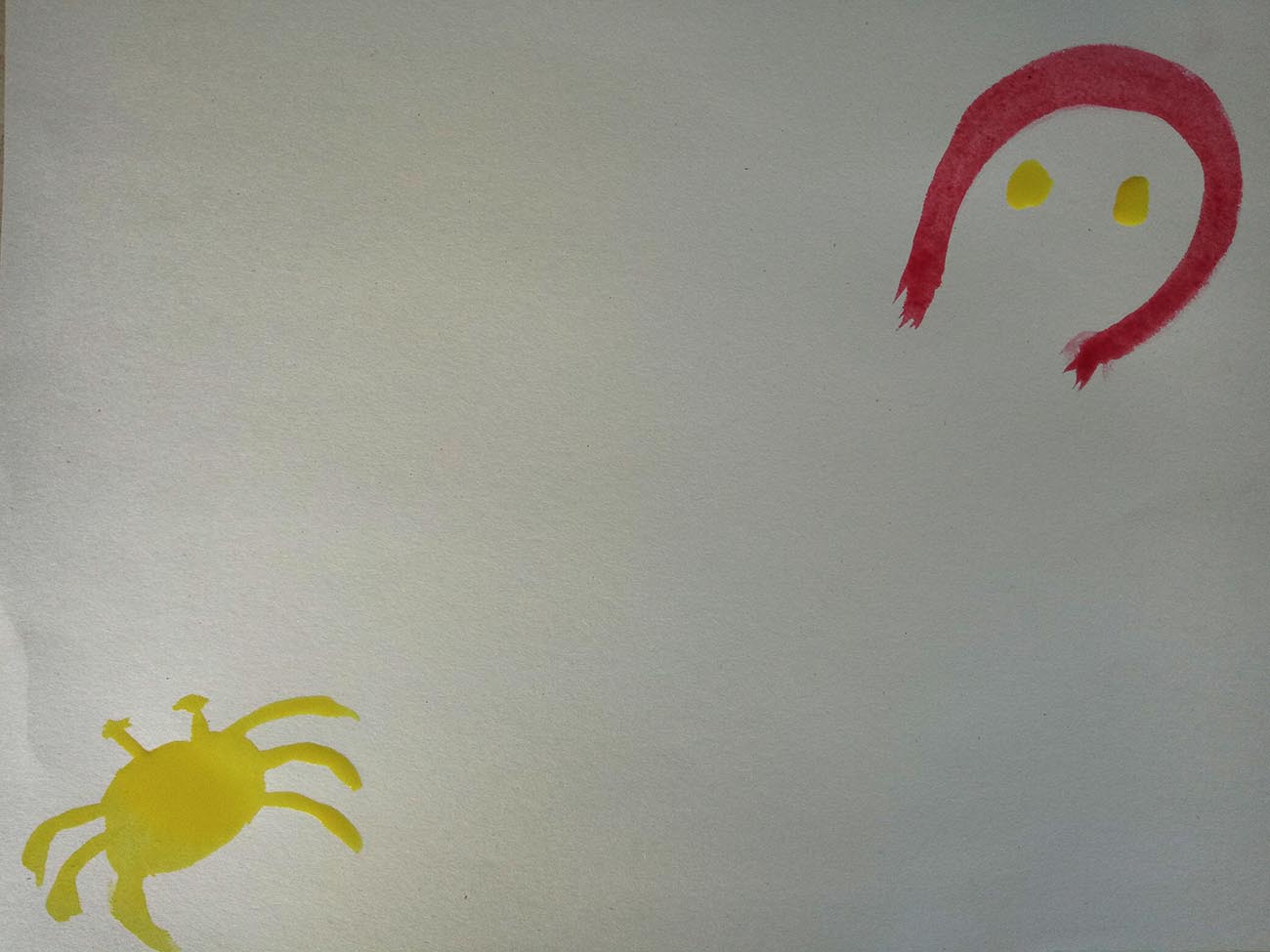
Paint a picture that highlights the octopus' predatory nature. We used watercolour paints but you can use any paint (or crayon, or felts) to create this picture. - Start with painting a crab in the bottom left-hand corner of the page. Use the colour yellow, as the octopus' eyes are also going to be yellow. The use of yellow eyes and a yellow crab helps the viewer to connect these two elements of the picture. It makes the octopus look as if it is staring hungrily at the crab.
- Paint two large yellow eyes in the upper right corner, where the octopus' head would go.
- Paint the outline of the octopus' head in red paint, arching over the eyes.
- Add in eight tentacles. Some might be draping under or over others. When the yellow eyes are dry, fill the octopus in with a strong red. This colour "tells a story" of the octopus' fierce predatory nature, its muscular body and strong will. You can edge each tentacle on one side only with blue paint, to make them appear to stand out in 3D.
- Wash blue paint over the background over the top third or so of the paper. Wash yellow paint over the bottom third or so of the paper, suggesting a sandy ocean floor. Paint the middle third in both blue and yellow, allowing them to mingle, creating a green effect that suggests seaweed and movement. Use blue to outline the crab to help it stand out from the yellow ocean floor.
- Send us a picture of your painting!
|
|
|
|
|
|
| |
How do NZGeo digital subs work?
You can access three items per month totally free on NZGeo.com, and thereafter it costs $1 per week for a digital subscription. (We bill $8.50 every two months to a credit card, or $50/year if you prefer.) A digital subscription gives you access to more than 10,000 stories and 400 hours of natural history documentaries on-demand, on any device.
|
|
|
|
|
|