|
| |

|
Talking points
Discuss the ideas presented in the story with your family—at home or over video conferencing. Find ways to involve as many people as possible, especially those who you know are isolated by the lock-down. - The kangaroo is described as a "macro-pod"—we could translate this as a "big foot" or "a large hopping animal." Why do you think it is so important to red kangaroos, which live in the desert of Australia's interior, to be able to hop so well? What else did you admire about the red kangaroo?
- The koala sleeps for four minutes for every minute it's awake. The documentary explains that eucalyptus leaves are very high in fibre and low in protein, so the koala needs to use a lot of energy to digest its food. It also says that the koala's brain is very small—but this doesn't matter as the koala lives by keeping life pretty simple. How did you see the koala keeping life simple? In your opinion, what is it that makes koalas so appealing and cute?
- Dingoes are a threat to red kangaroos and other desert mammals. They have a strongly hierarchical society—their packs are ruled by a dominant pair. How might this survival strategy work well for dingoes as a species?
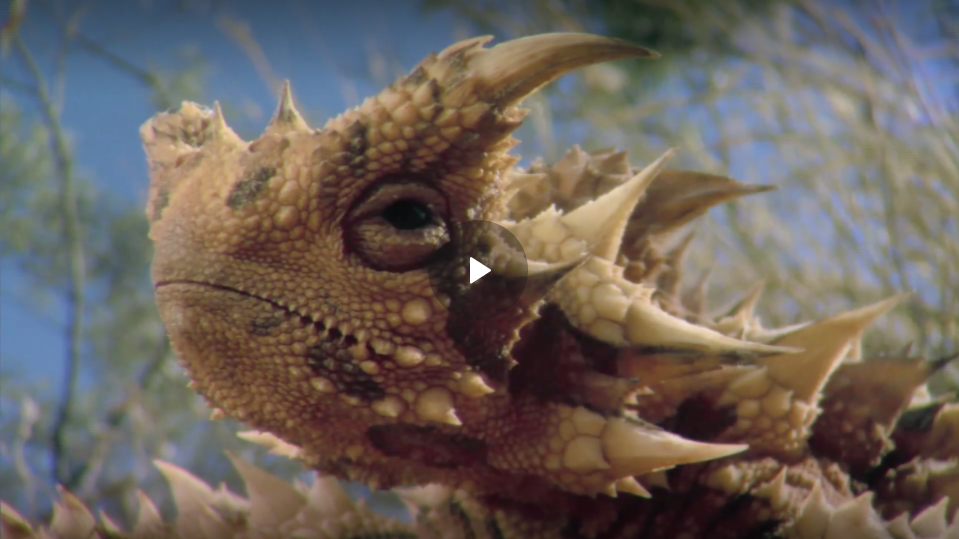
- The thorny devil-lizard has an interesting name. Having seen this creature, do you think it is well-named? What else could it be called, if you were going to give it an alternative name? It can eat 1000 ants in a day! How long do you think it might take to eat 1000 ants?
- The sugar-glider is a bit like a bat - it uses a membrane, rather than wings, to fly. What other animas is the sugar glider a bit similar to? How is it unique? The sugar-glider is a marsupial - why do you think Australia is the home of so many marsupial species?
|
|
|
|
|
|
| |
Task—Make a drawstring pouch
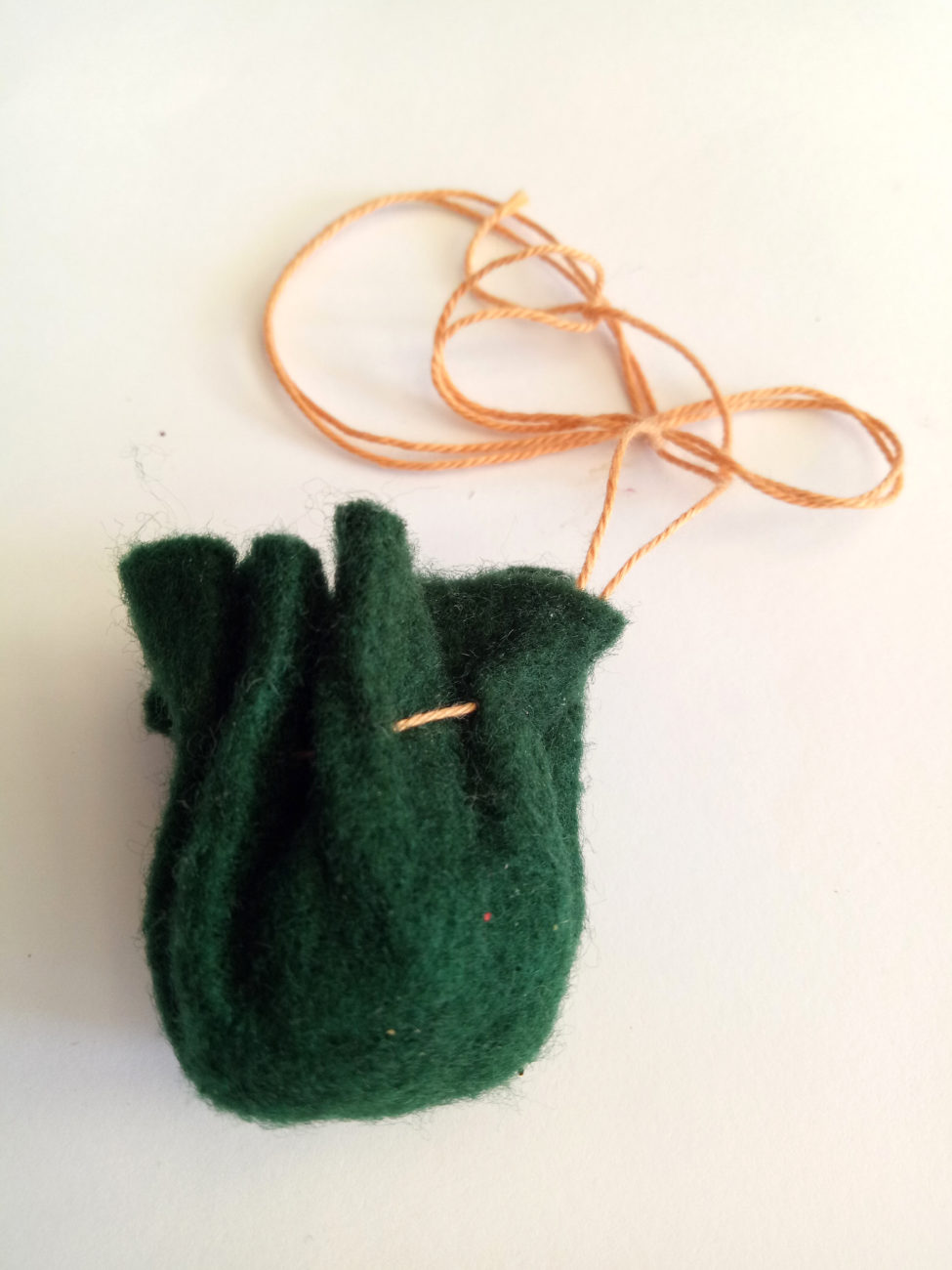
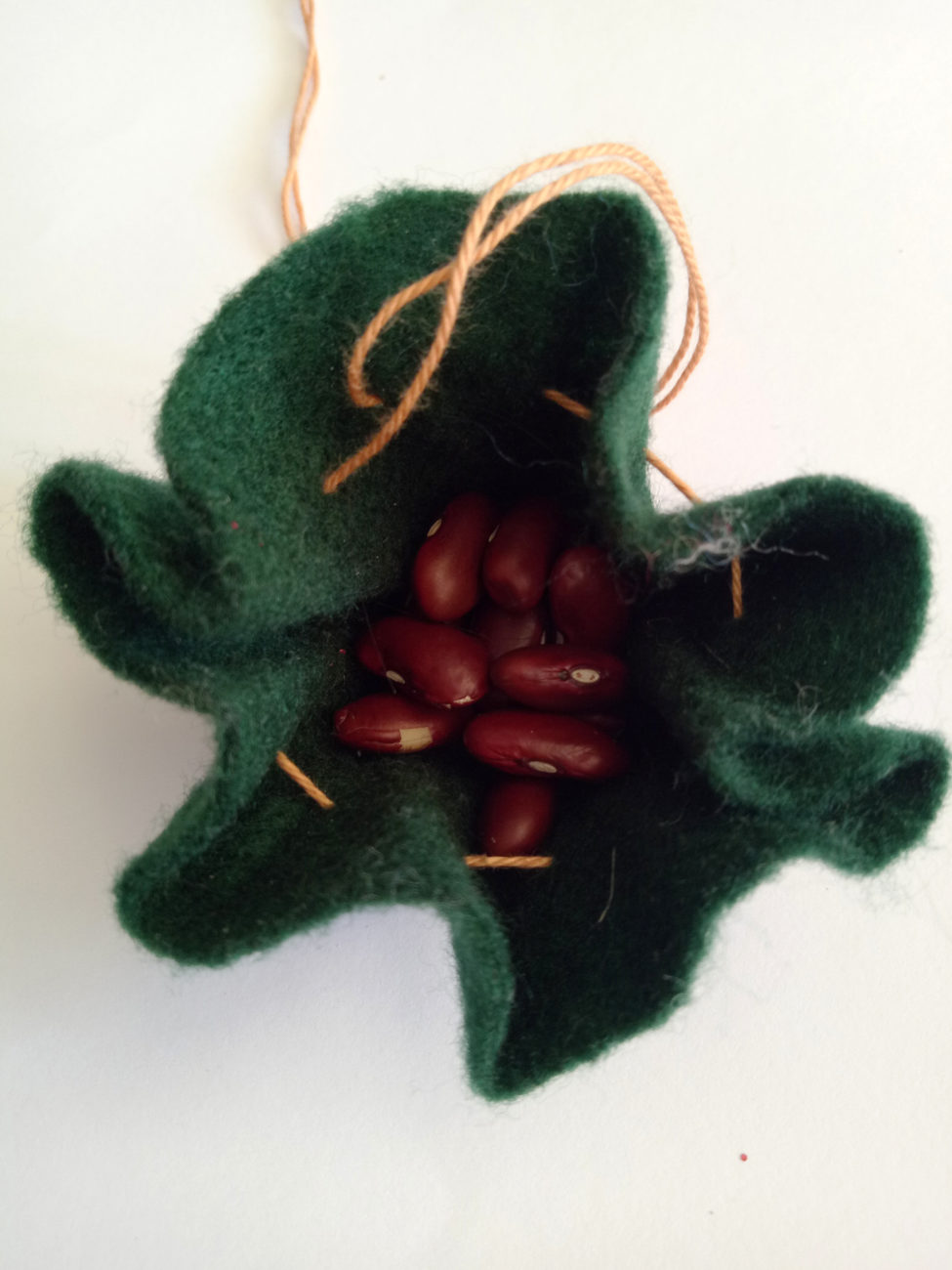
The kangaroo uses its pouch to keep its joey safe and happy. Make a pouch for your treasures with just a piece of fabric, a needle and thread! - Take a piece of fabric—thicker fabric such as felt would be ideal, or something with some stretch in it such as knit—but any fabric will work.
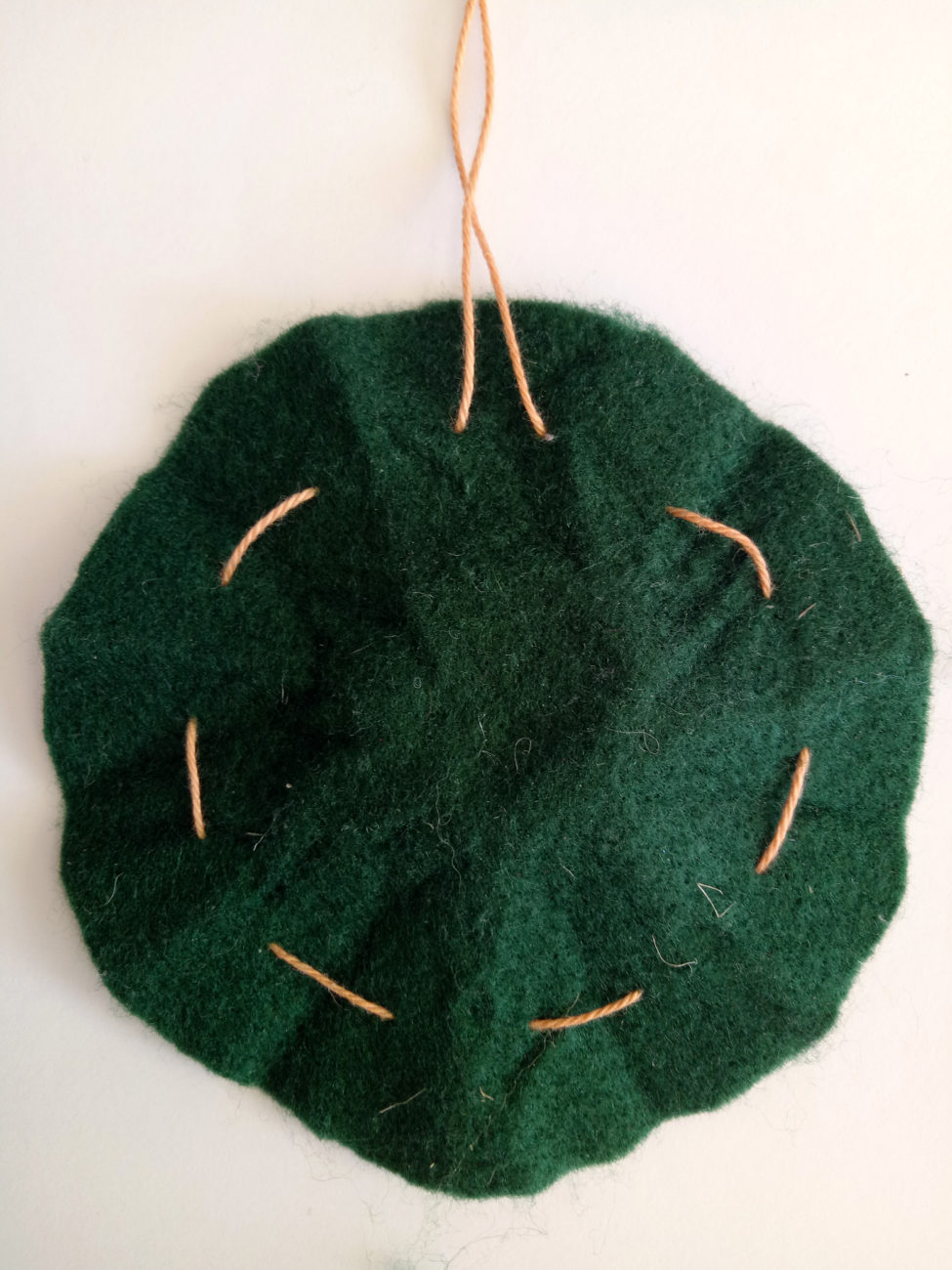
- Draw a circle with a 10cm diameter onto the fabric with a felt or pencil.
- Cut the circle out with fabric scissors (normal scissors will work but they are hard to cut neatly with.)
- Thread a needle with strong thread. Sew big stitches around the edge of the circle, about 1.5cm in.
- Pull the thread so that there is a long tail on both end. Tie them together about 25cm from the edge of the circle.
- Pull the ends of the string so that the pouch closes. Now it's ready for your treasures!
- Send us a picture of your drawstring pouch!
|
|
|
|
|
|
| |
How do NZGeo digital subs work?
You can access three items per month totally free on NZGeo.com, and thereafter it costs $1 per week for a digital subscription. (We bill $8.50 every two months to a credit card, or $50/year if you prefer.) A digital subscription gives you access to more than 10,000 stories and 400 hours of natural history documentaries on-demand, on any device.
|
|
|
|
|
|

![145_Viewpoint_shutterstock_227311084-[Converted]](https://cdn.nzgeo.tv/2017/04/145_Viewpoint_shutterstock_227311084-Converted-336x336.jpg)