|
| |
Fussy Eaters video
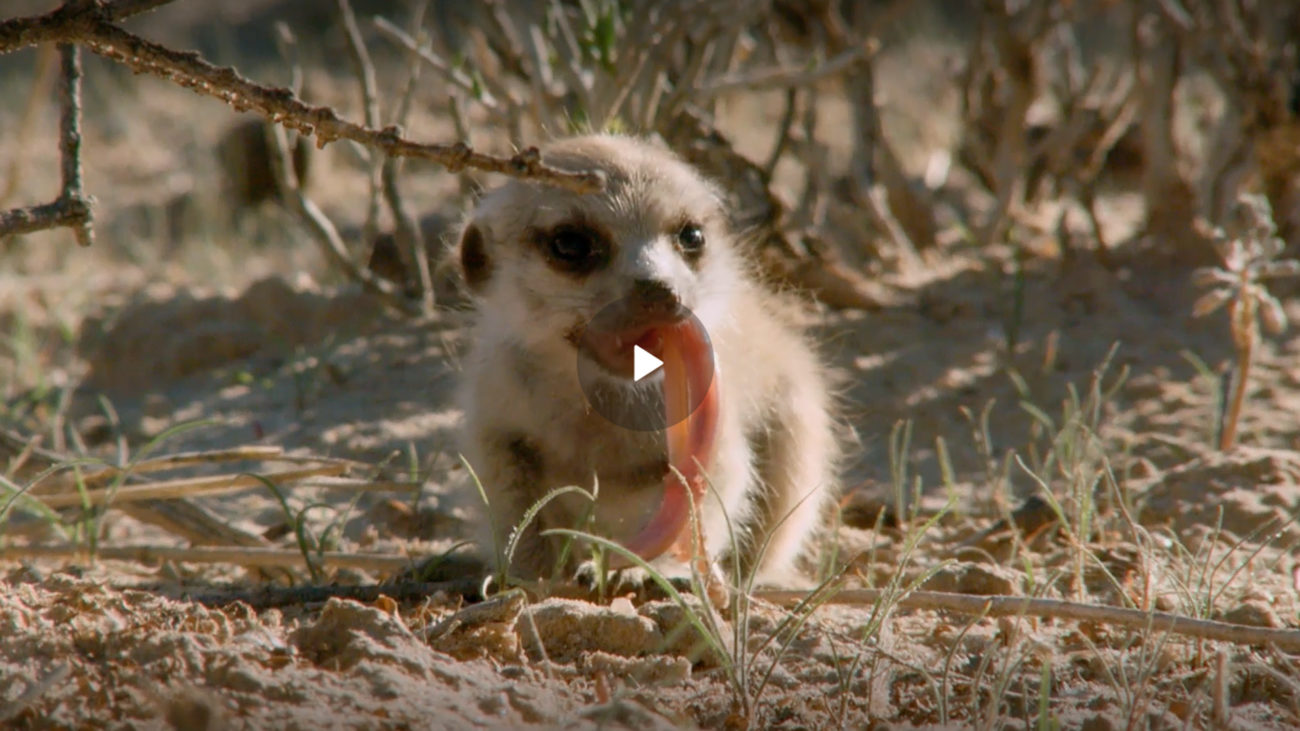
In the world of extreme animals, meet the babies! From the cute and the seemingly helpless, to the weird and sometimes creepy, get ready for a top ten countdown of the world’s most extreme animal infants. Starting with what, and how, they eat.
|
|
|
|
| |

|
Talking points
Discuss the ideas presented in the story with your family—at home or over video conferencing. Find ways to involve as many people as possible, especially those who you know are isolated by the lock-down. - The humpback whale's milk is 10 times fattier than cow's milk. Why might a whale need protein with a higher fat content than a cow?What do you think of the humpback whale's bait-ball hunting technique? Do you think most people would be surprised to learn that whales can make a 'net' out of bubbles?
- Sea otters have the densest fur coat in the animal kingdom—about 140,000 hairs per square centimetre. This is over 10 times as dense as the hair on the human head. Did you notice any ways the otters benefit from their warm coats? What else impressed you about the otters?
- Why do you think it is so useful for elephants to have so many muscles in their trunks? (They have nearly 50,000.) Were you surprised to learn that some elephants wash their veggies before they eat them? What about the fact that baby elephants can eat their mum's droppings to gain helpful bacteria in their tummies?
- Pelicans are shown working together to herd fish into the shallows. They do their hunting early in the morning, swallowing the fish whole. How do you think they manage to go the rest of the day without eating? How does this contrast to the feeding style of an animal like the sea otter?
- Japanese snow monkeys are shown making snowballs and enjoying the hot springs. They also wash their sweet potatoes in salt water because it adds more flavour. What could this reveal about the animal kingdom? Can you think of any New Zealand animals that are known to do things for fun?
|
|
|
|
|
|
| |
Task—Make a Pinecone Bird Feeder
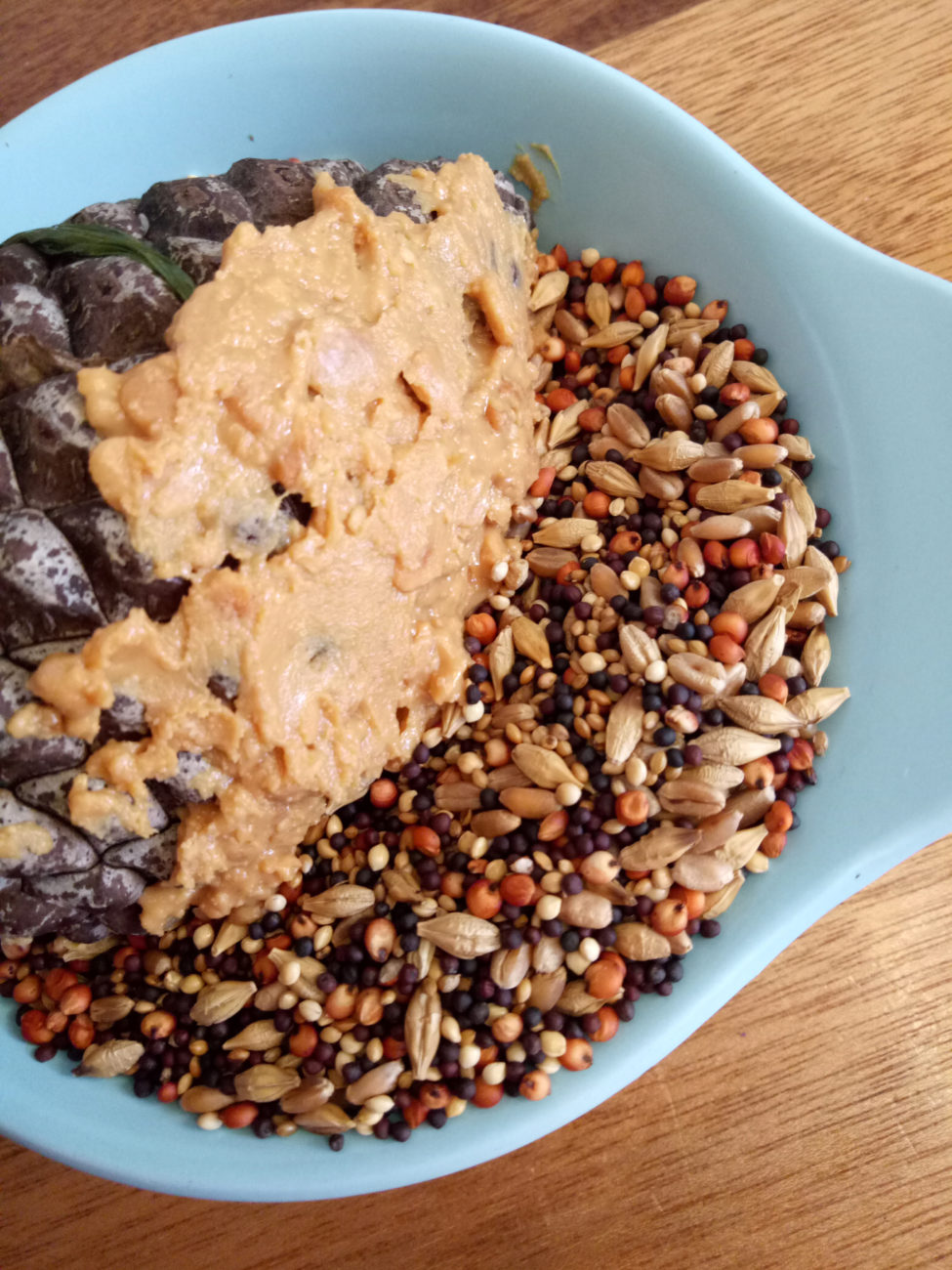
Look after the "fussy eaters" in your garden. As we head into cooler weather, the birds will be grateful for some fat and nutritious seeds. - Take a pinecone and tie a length of string around its middle.
- Smear half the pinecone with peanut butter. (Unsalted is best for birds.)
- Roll the peanut-butter side of the pinecone in wild bird seed mix. If you can't get hold of this, you can safely add rolled oats, sunflower seeds and small seeds such as millet seeds.
- Hang the pinecone in a tree. Make sure it is in a place where the birds can visit without worrying about lurking cats.
Since introduced birds are the main eaters of seeds and fat in our gardens, you might also like to set up a native-bird feeding station, with sugar-water for nectar feeders like tui, and cut-up fruit stuck onto nails for fruit-eating birds like kereru.
Send us a picture of your leaf Pinecone Bird Feeder!
|
|
|
|
|
|
| |
How do NZGeo digital subs work?
You can access three items per month totally free on NZGeo.com, and thereafter it costs $1 per week for a digital subscription. (We bill $8.50 every two months to a credit card, or $50/year if you prefer.) A digital subscription gives you access to more than 10,000 stories and 400 hours of natural history documentaries on-demand, on any device.
|
|
|
|
|
|

![145_Viewpoint_shutterstock_227311084-[Converted]](https://cdn.nzgeo.tv/2017/04/145_Viewpoint_shutterstock_227311084-Converted-336x336.jpg)