|
| |
The lost climbers of the Caroline Face
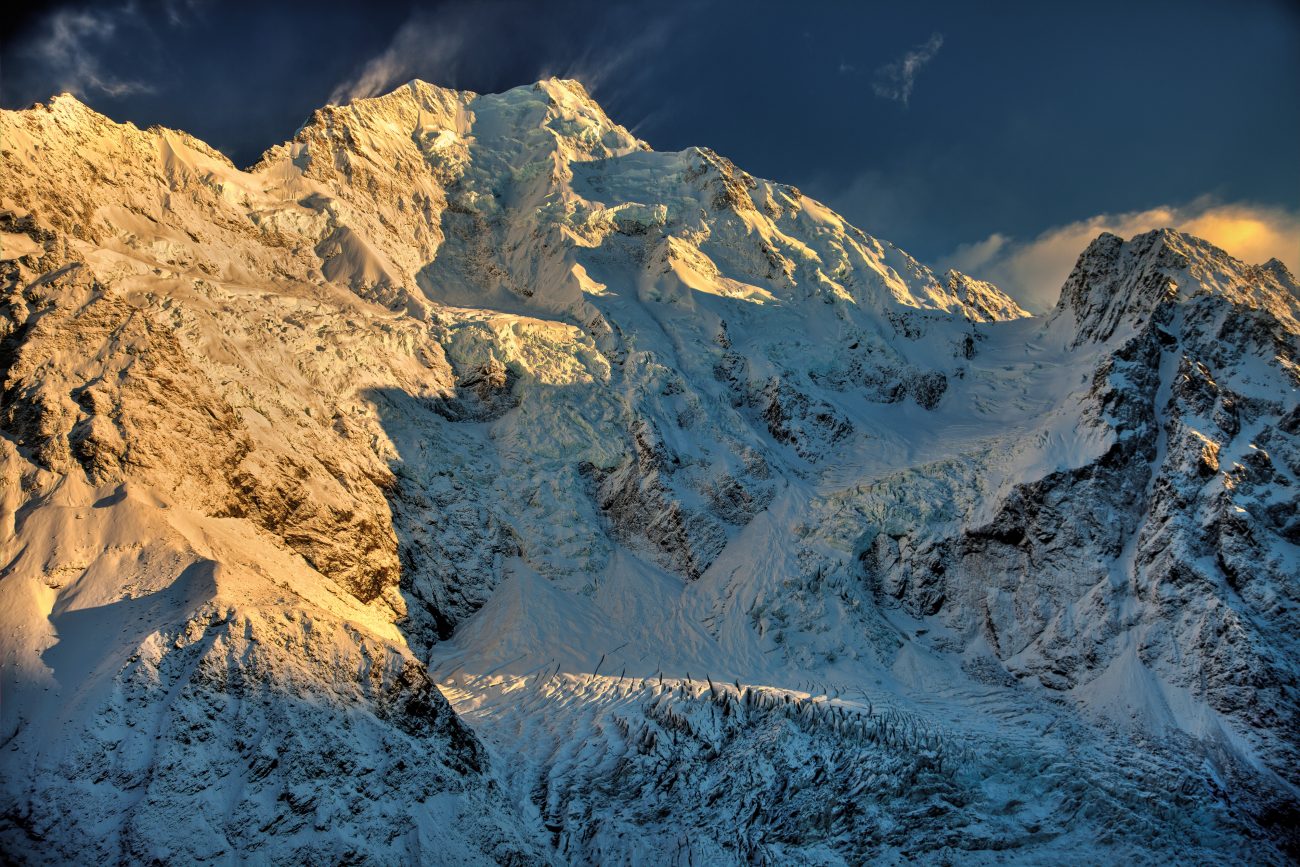
At first, all Mike Brown saw was a flash of orange. As he came closer, he noticed an axe, wooden and weather-beaten. Then there were some crampons. That flash of orange—it was a helmet, crushed and worn. Brown knew from the appearance of the axe that whatever he was looking at was at least 20 years old.
What Brown didn’t know was that he was looking at ghosts, lost in the mountain’s ice and rock for almost 40 years. When Alpine Search and Rescue finally recovered the bodies, they also found something else. It was an old German-made Braun camera, housed in a leather case. In it lay a roll of 35mm film, and preserved in its photographic negatives, a mystery that might finally be resolved: who were the first people to scale the Caroline Face, one of the hardest ascents in New Zealand mountaineering? Keep reading...
|
|
|
| |
A home in high places
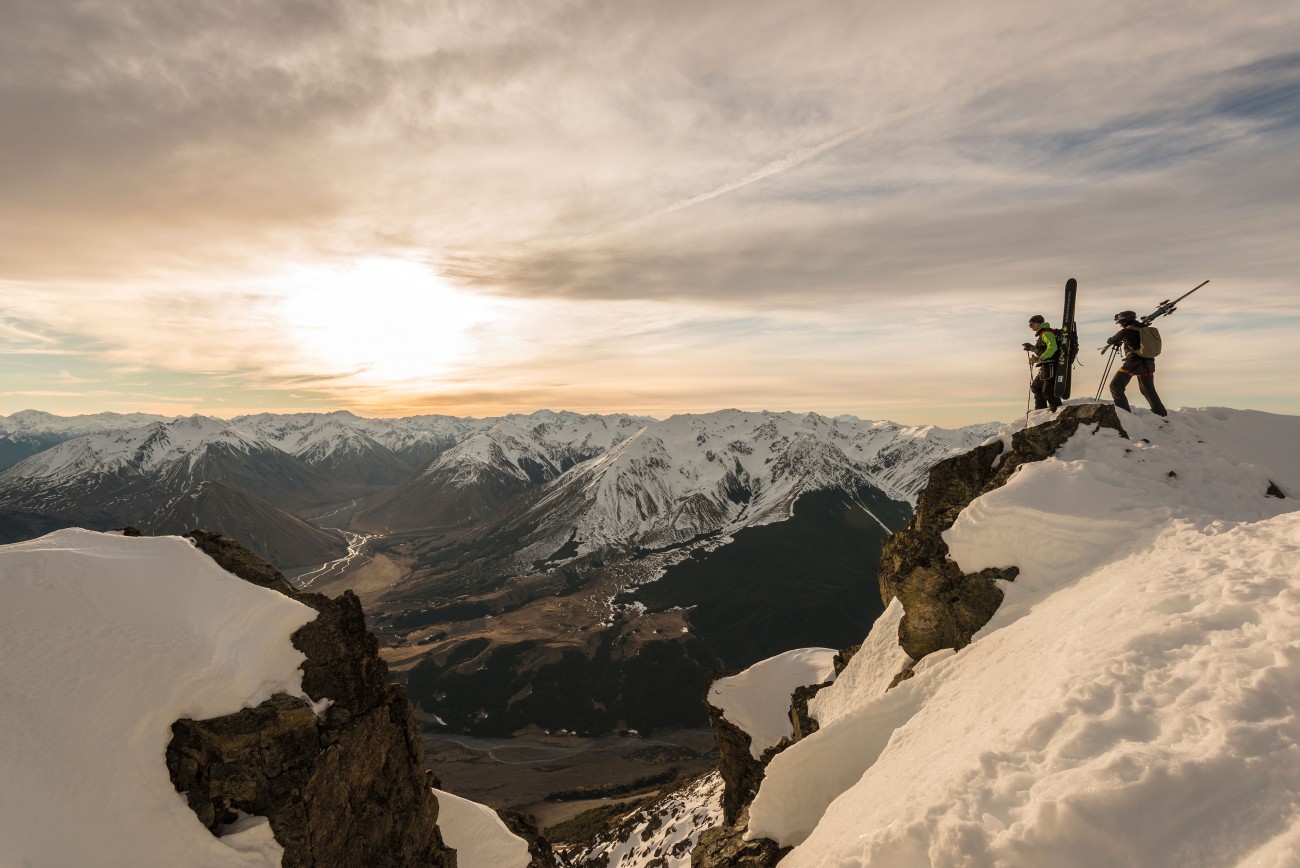
At the end of a long farm road, Peter Wilson greeted me with a knuckle-crunching handshake, then swung open the access gate. “No matter where in the world you have skied, you’ve never seen anything like this,” he said, nodding up the big hill. He cast a practical eye over the business parts of my Land Cruiser, its high clearance and the predatory mud tyres. “Follow me. You should get up the track all right,” he said. “Just put her in low range and go quietly.” Moments later, through a gushing ford and up a couple of steep hairpin turns, I could see why. This was the kind of track you’d negotiate when going tahr hunting, to camp under rock bivvies and melt snow for water. But at the end of the narrow and exposed switchbacks, Wilson assured me, was a well-appointed lodge—like an eyrie on a mountain—the ski club’s headquarters and an oasis of back-country luxury with a log burner, hot water and flushing toilets. And a spa pool on the deck overlooking the wide, green confluence of the Waitaki and Hakataramea valleys. Keep reading...
|
|
|
| |
This is how you survive an avalanche
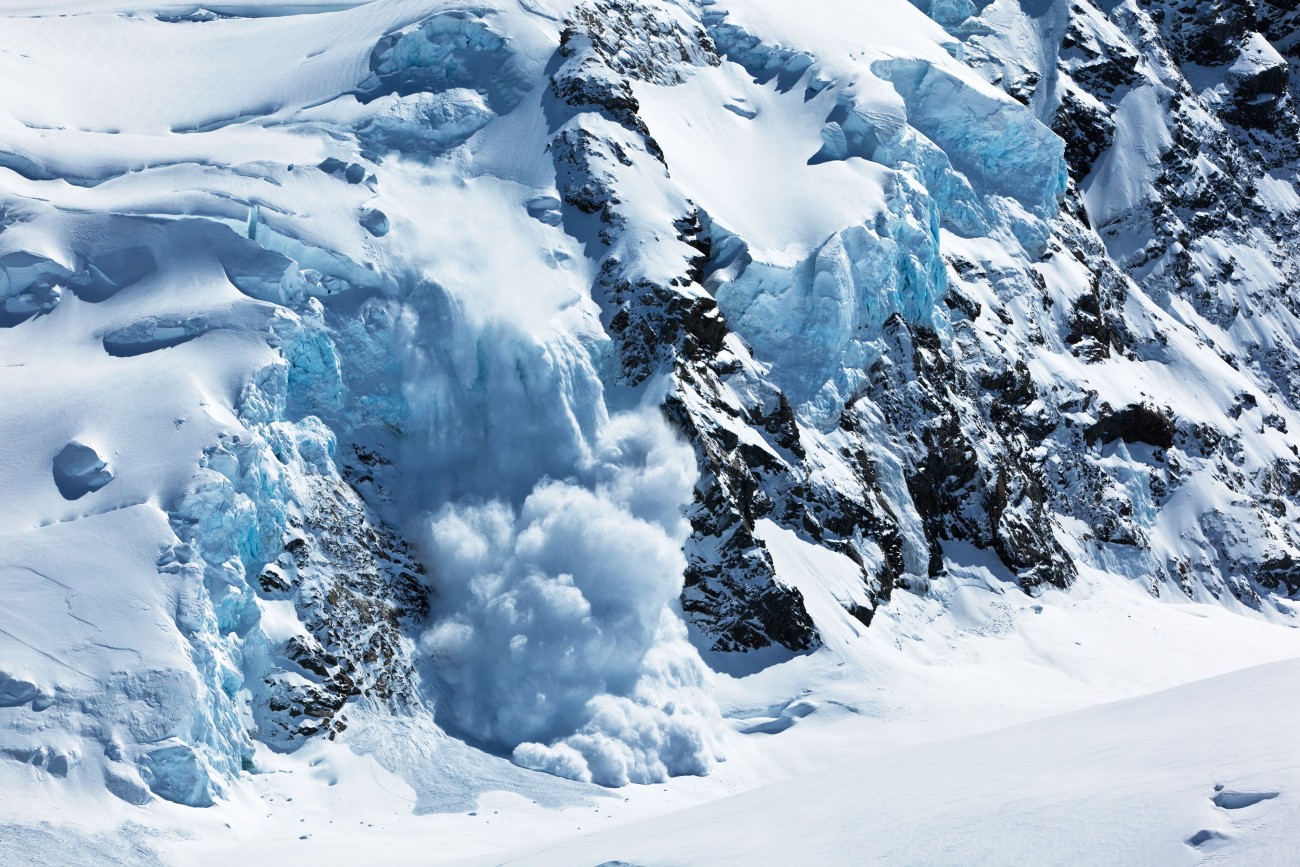
Beyond the southern end of Treble Cone there is an area called Hollywood Bowl, a wide slope which steepens as it funnels into a series of couloirs known as the Motatapu Chutes. The snow in the bowl was sheltered and touched neither by a skier nor a breath of wind. Dave Harmer eased over the edge and plunged in, etching a calligraphic squiggle as his skis sliced into the pale skin of the mountain.
The white surface cracked into blocks and the layer of new snow sheared off the hard icy base and began to slide down the mountain, liquefying and gathering speed, funnelling towards the chutes. Harmer was still moving, and now the entire slope was moving with him, but faster than he was. He fell, his skis came off, and the torrent of snow overwhelmed him, pulling him under its turbulent surface. The walls of the bowl closed in and the avalanche poured through the narrowing and into one of the couloirs, the way an ocean breaker pounds through a gap between rocks. Moments later, the torrent of snow stopped at the bottom of the chute and all went deathly still. Powder rose in a fine mist and blew with the breeze. Keep reading...
|
|
|
| |
Subscribe and support local journalism
While advertising and retail income goes up and down, it is subscriptions from readers like you that power long-term journalism projects from around New Zealand and help us keep the lights on.
It's not as much as you think—$8.50 every two months for digital, $12 for print or $16.50 for both... a gold coin a week. Check out the options.
|
|
|
|