|
| |
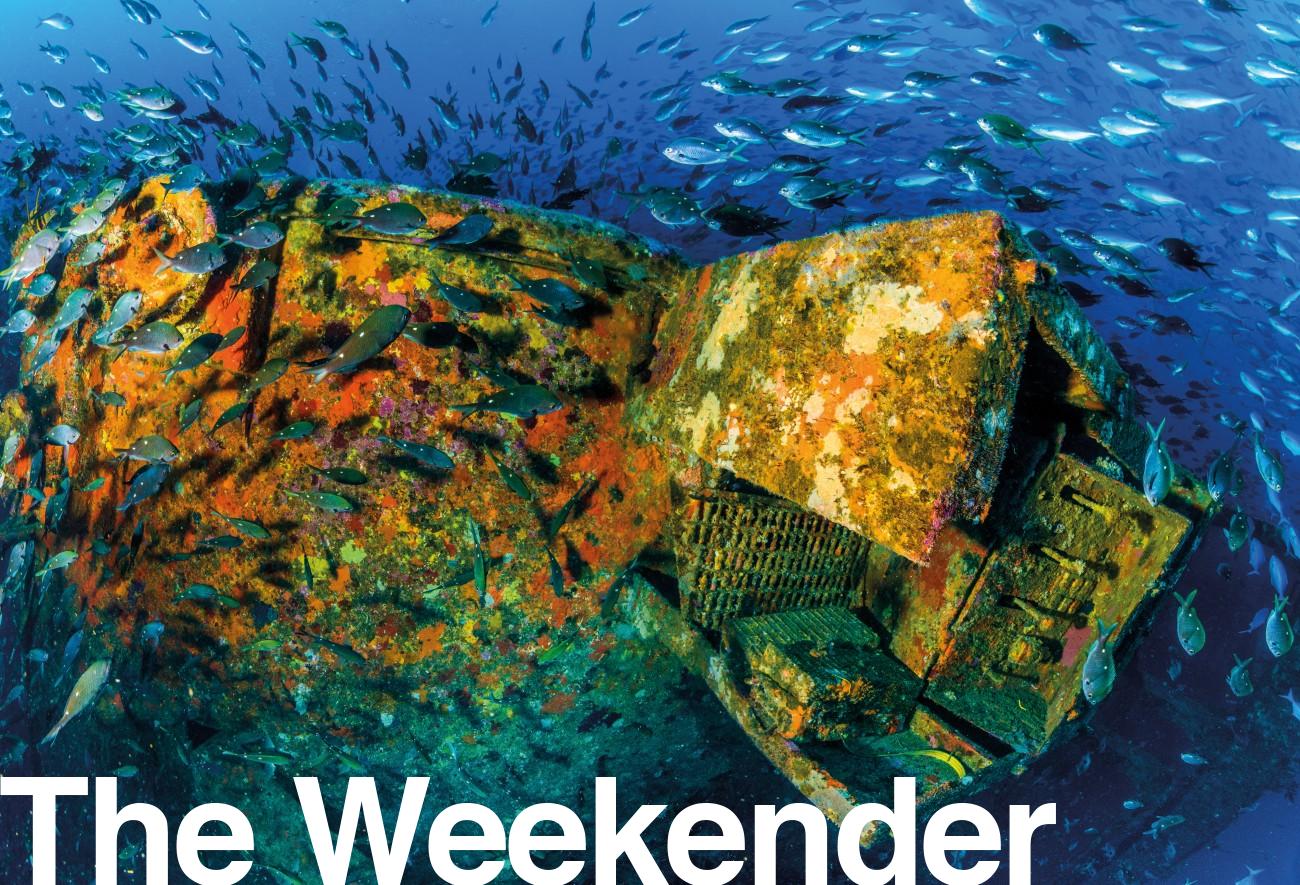
The second life of the Rena
Ten years ago, at 2.20am on October 5, 2011, the MV Rena ran ground on Ōtāiti/Astrolabe Reef, spilling its contents into the Bay of Plenty and becoming New Zealand's worst maritime environmental disaster.
At the time, New Zealand Geographic looked into why the ship crashed into a well charted hazard, and what happened when heavy fuel oil washed up along the coastline.
The Rena was perched precariously on the reef, and eventually, it broke in half, releasing more of its contents into the sea. Wheelbarrows appeared on Great Barrier Island, while plywood sheets, polymer beads and packets of noodles floated to the Coromandel. Four fridges washed ashore, one as far away as East Cape.
Picking bits of the Rena up off Ōtāiti became the second-most expensive salvage operation in history. The hulk of it remains—and now, the ocean is reclaiming the ship for its own purposes. New Zealand Geographic returned to investigate...
|
|
|
| |
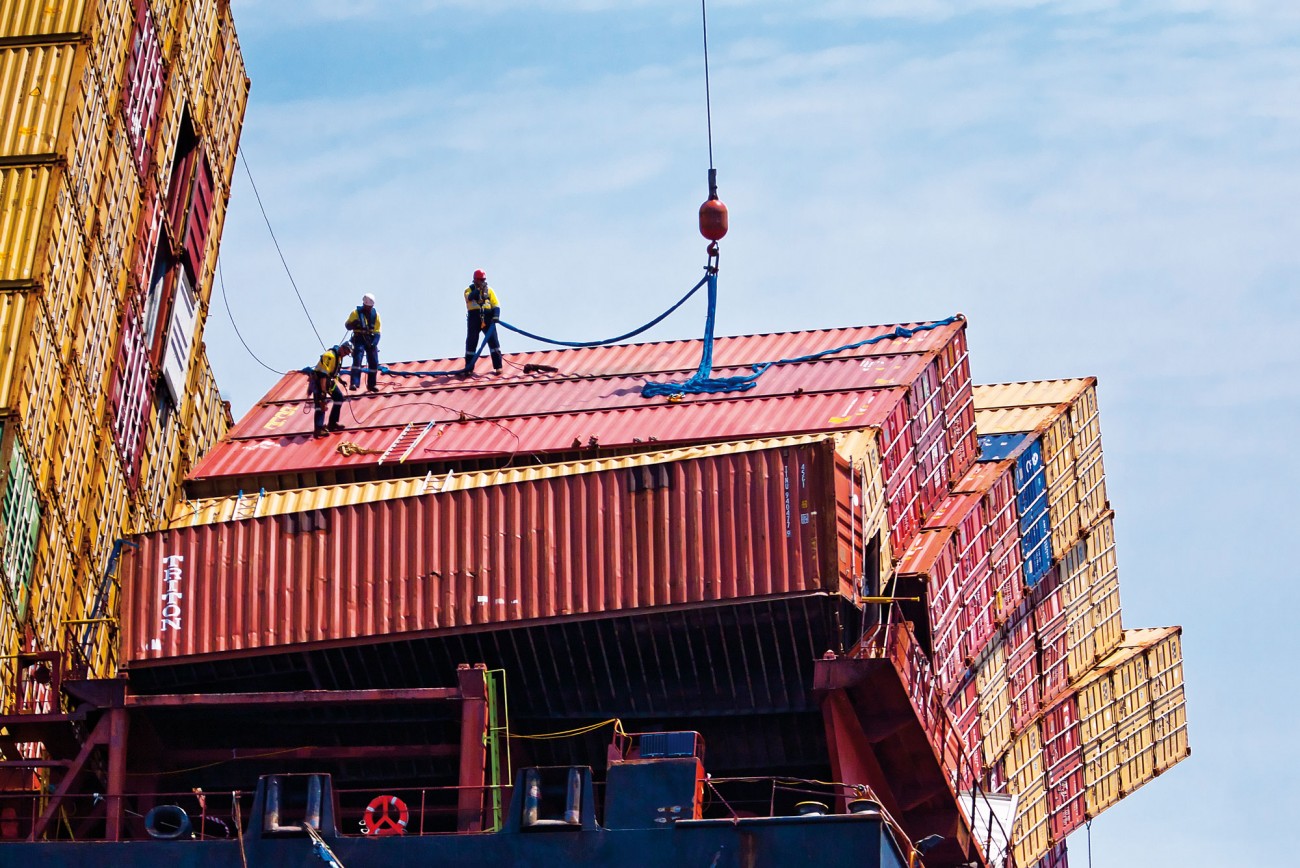
Black tide: the Rena and its implications
It was like stepping through the wardrobe into Narnia. On one side of the door, fluorescent lights, bland office décor and a bank of computer screens. Inside, I was on a ship’s darkened bridge, listening to the deep throb of powerful engines, feeling their vibration through the floor, while a 360-degree panorama of Prince William Sound, Alaska, glided past in eerie photographic verisimilitude. Ahead, the lights of passenger ships and fishing boats twinkled in the dusk sky. On each side, brooding mountains flanked the channel.
“Twenty minutes in here and they’re sweating,” whispered Captain Martin Burley, a lecturer at the New Zealand Maritime School. He had invited me to see the school’s multimillion-dollar ship’s bridge simulator in operation. Exxon Valdez in Prince William Sound is one of dozens of scenarios the school uses to give its trainees the experience—and responsibility—of conning a ship. Keep reading...
|
|
|
| |
Subscribe and support local journalism
While advertising and retail income goes up and down, it is subscriptions from readers like you that power long-term journalism projects from around New Zealand and help us keep the lights on.
It's not as much as you think—$8.50 every two months for digital, $12 for print or $16.50 for both... a gold coin a week. Check out the options.
|
|
|
|
| |
See the finest images of 2021
Peruse the the finalists of Photographer of Year, and vote on your favourites. Also, keep an eye out for our 'distributed exhibition' on billboards and bus shelters near you, and the opening of our exhibition in Britomart Precinct, Auckland, this week. Check out the finalists...
|
|
|
| |
Castaways
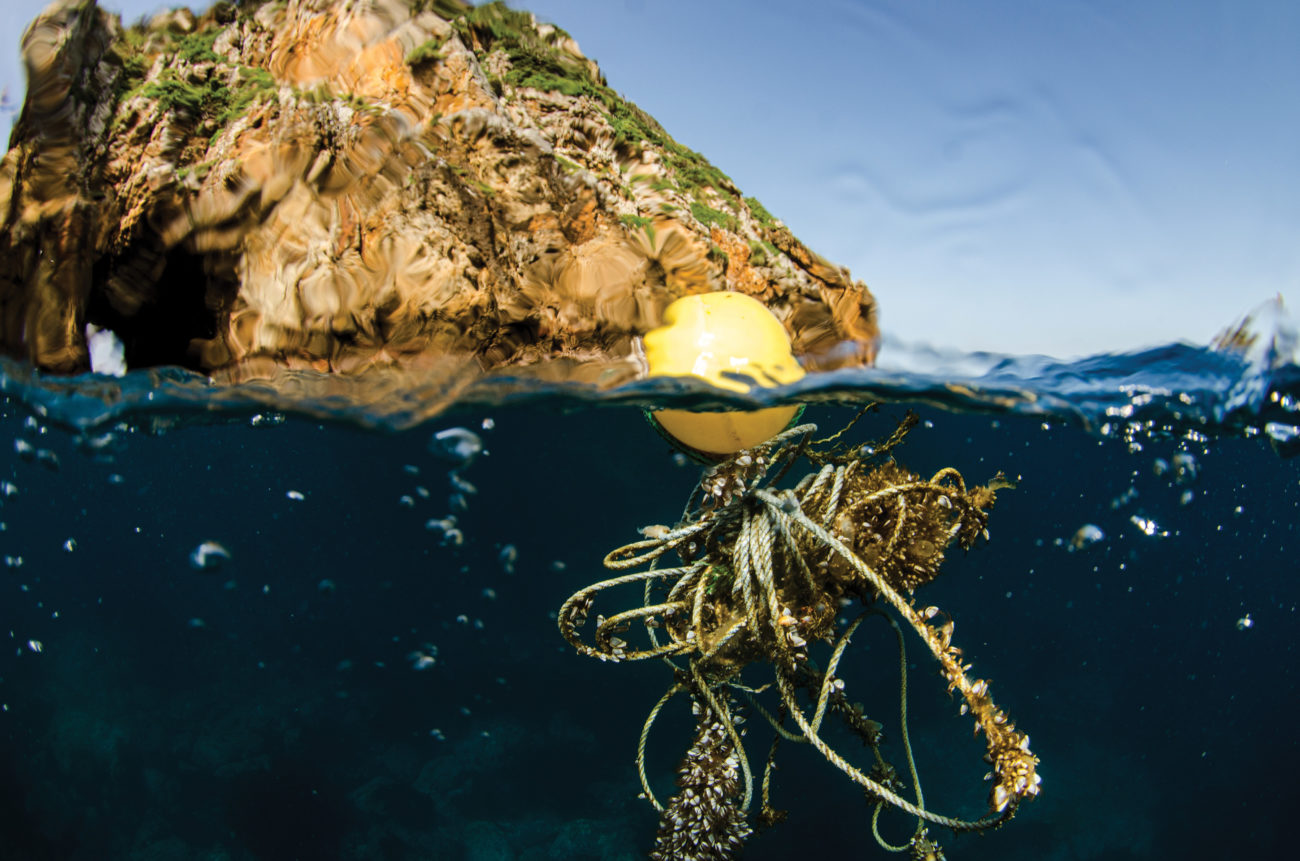
Life is constantly in motion around the world, floating across oceans and colonising new shores, as frequently today as it did hundreds of millions of years ago. So what’s arriving along New Zealand’s coastlines? Keep reading...
|
|
|
| |
Better Ancestors: ancient knowledge, modern medicine
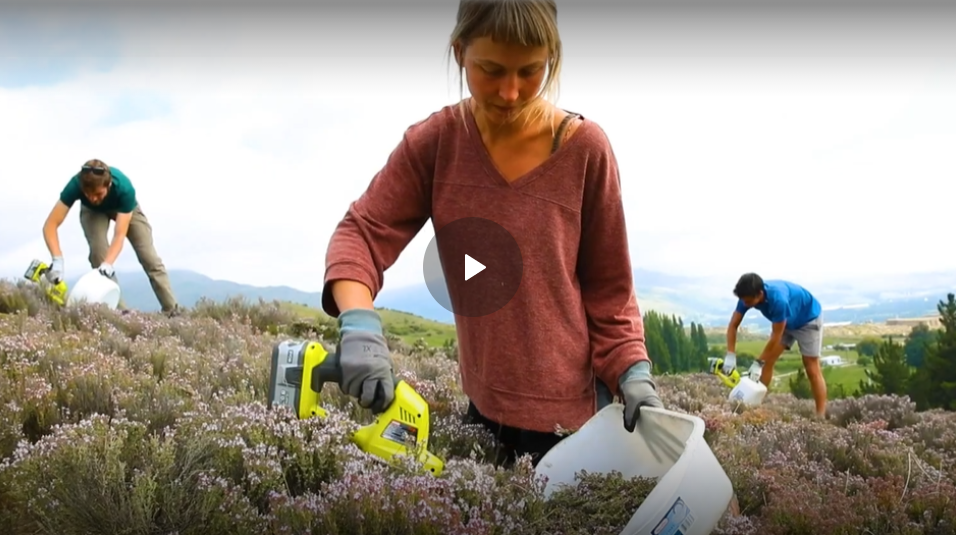
Plants have been used continuously as medicines for 60,000 years and 80% of the world’s population uses plants for health care and natural remedies. Dr Sandra Clair, the founder of Dunedin-based company Artemis, is keeping the knowledge, skills and experience of traditional plant-based medicines alive and believes they are as relevant for health care as they have ever been. Watch the video...
|
|
|