|
Everywhere...
|
|
|||||

|
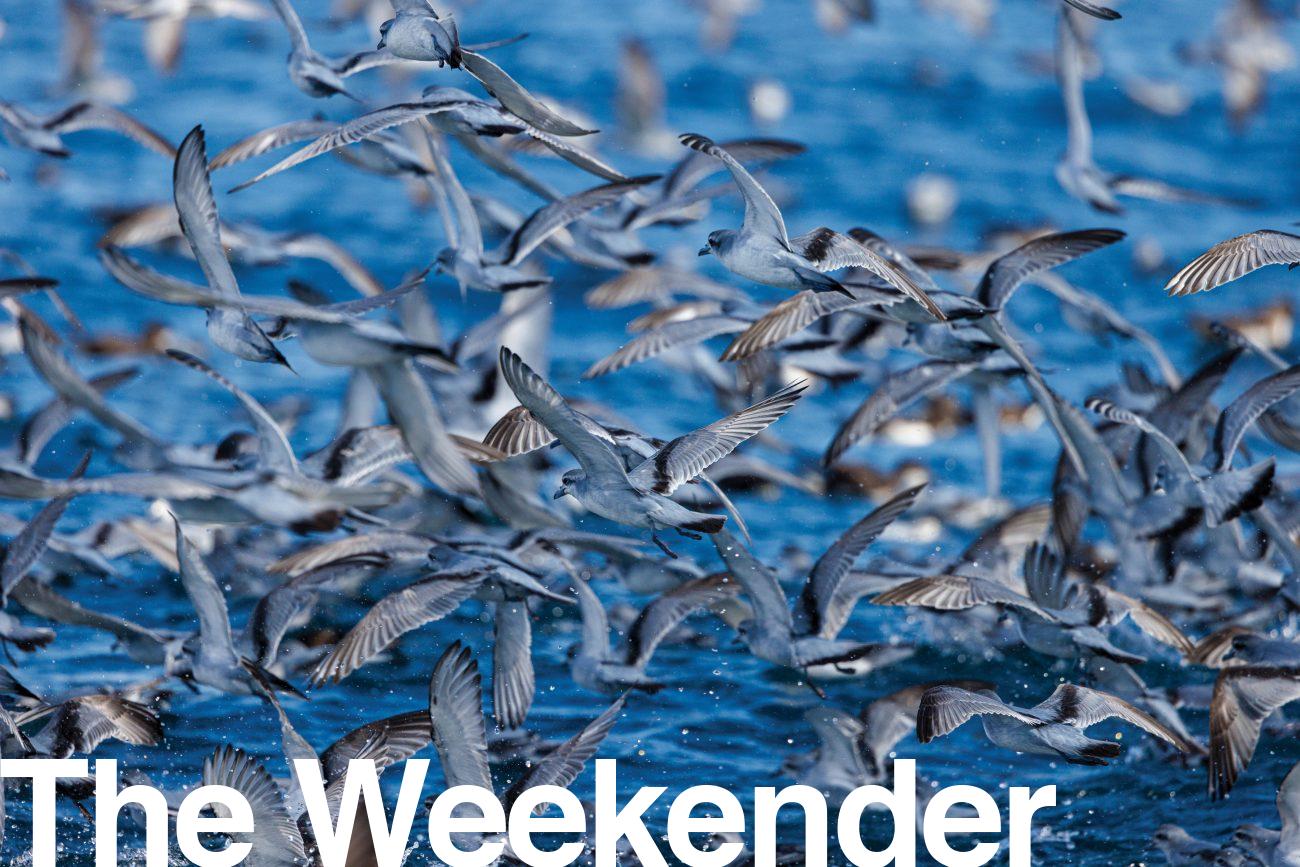
How our seabirds fuelled life in AotearoaSome of Willy Ngamoki’s earliest memories are of harvesting tītī chicks with his dad. It was the early 1960s, he was maybe five or six, and on autumn mornings father and son, like generations of Te-Whānau-a-Āpanui before them, would climb the steep-sided Pokohinu Point above Ōmāio Bay in the eastern Bay of Plenty. His dad used a big thick leather glove and a mānuka stick to extract the chicks from the hole. Willy’s job was to listen and learn. But on one occasion a curved burrow entrance, with the chick sitting around a corner, meant the stick couldn’t be used, so Willy pulled the glove on—it reached all the way to his shoulder—and crawled into the hole. The chick bit the glove and latched on, and Willy’s dad pulled him out with the chick attached. He remembers the smell, the fluff. One season, Ngamoki’s dad told him he thought the tītī were dying out. Each year, more and more burrows were cobwebbed over. “The vacancy signs were out everywhere,” says Ngamoki. “[Dad] said ‘That’s it, boy, no more birds.’ So we just hung the mānuka stick up.” Keep reading... |
||
|

|
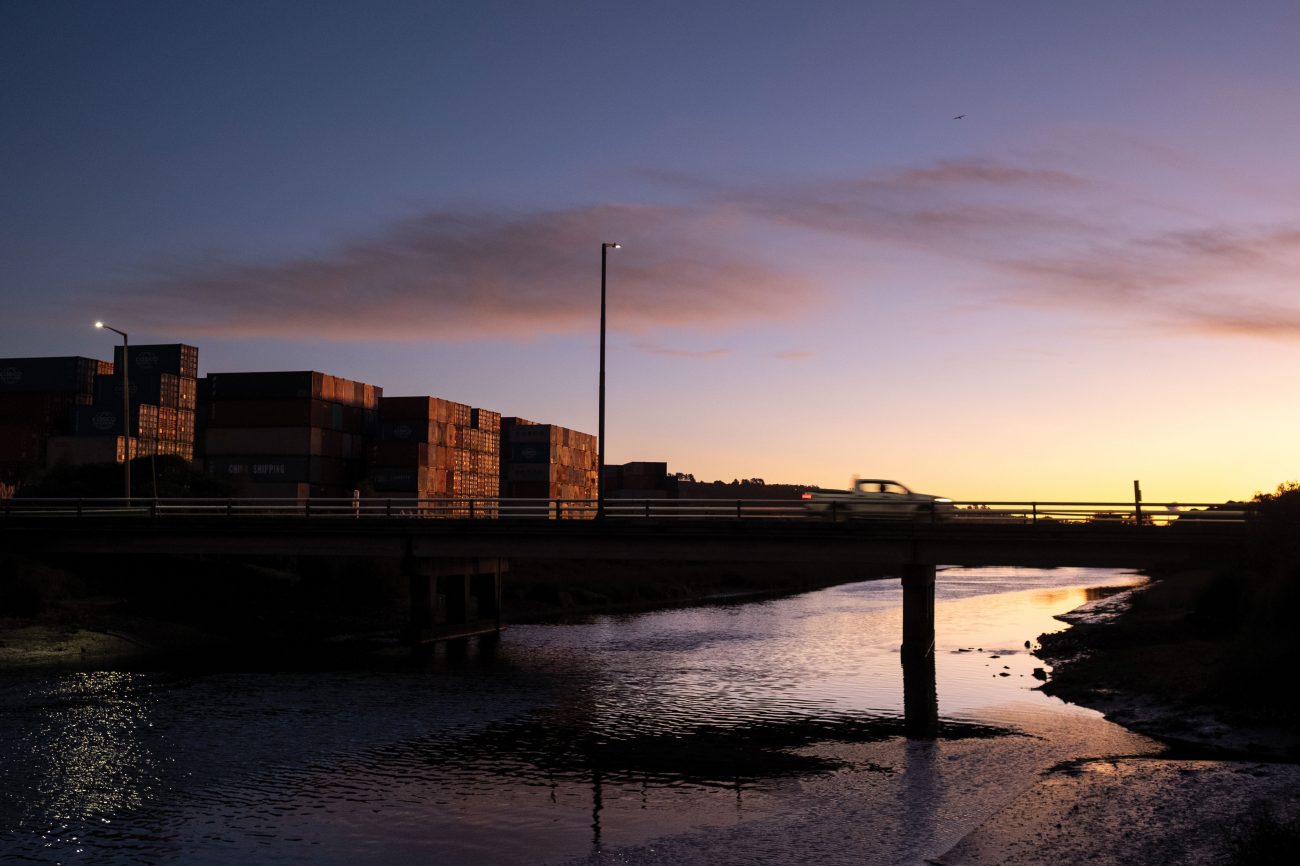
Photo essay: Two rivers and a babyNew parents spend a lot of time out pushing a pram. When Ōtautahi/Christchurch’s Joe Harrison became a dad, he naturally gravitated towards the nearby Ōpāwaho/Heathcote River for morning strolls. |
||
|

|
|
IN PARTNERSHIP WITH ROLEX |
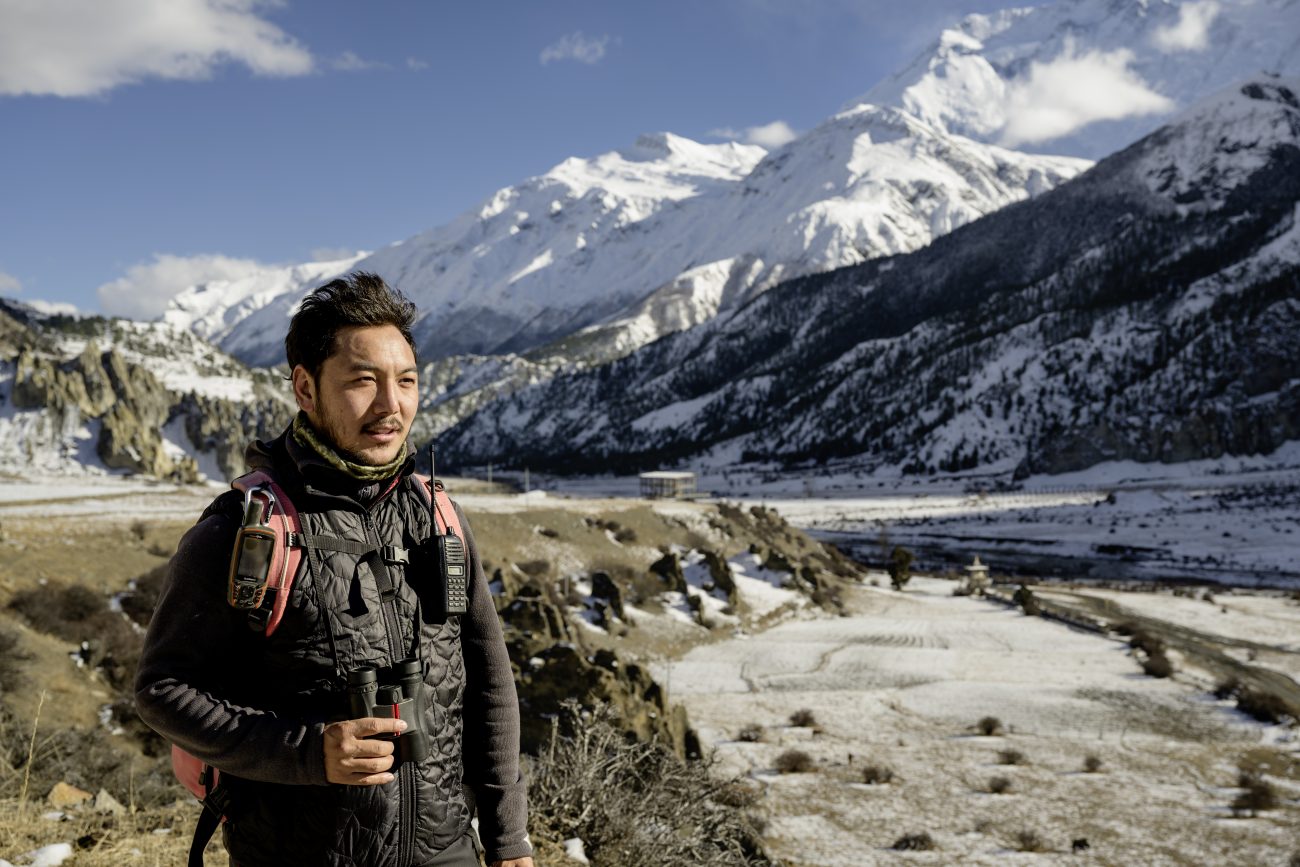
The conservation connection helping to protect the HimalayasNew Zealand and Nepal share a close connection, largely through the work of Sir Edmund Hillary, Tenzing Norgay and their families. But for Rinzin Phunkjok Lama there’s a different connection to New Zealand that has had a huge impact on his life – and on the wildlife of his home country. Keep reading... |
||
|
Subscribe and support local journalismWhile advertising and retail income goes up and down, it is subscriptions from readers like you that power long-term journalism projects from around New Zealand and help us keep the lights on. |
||
|

|
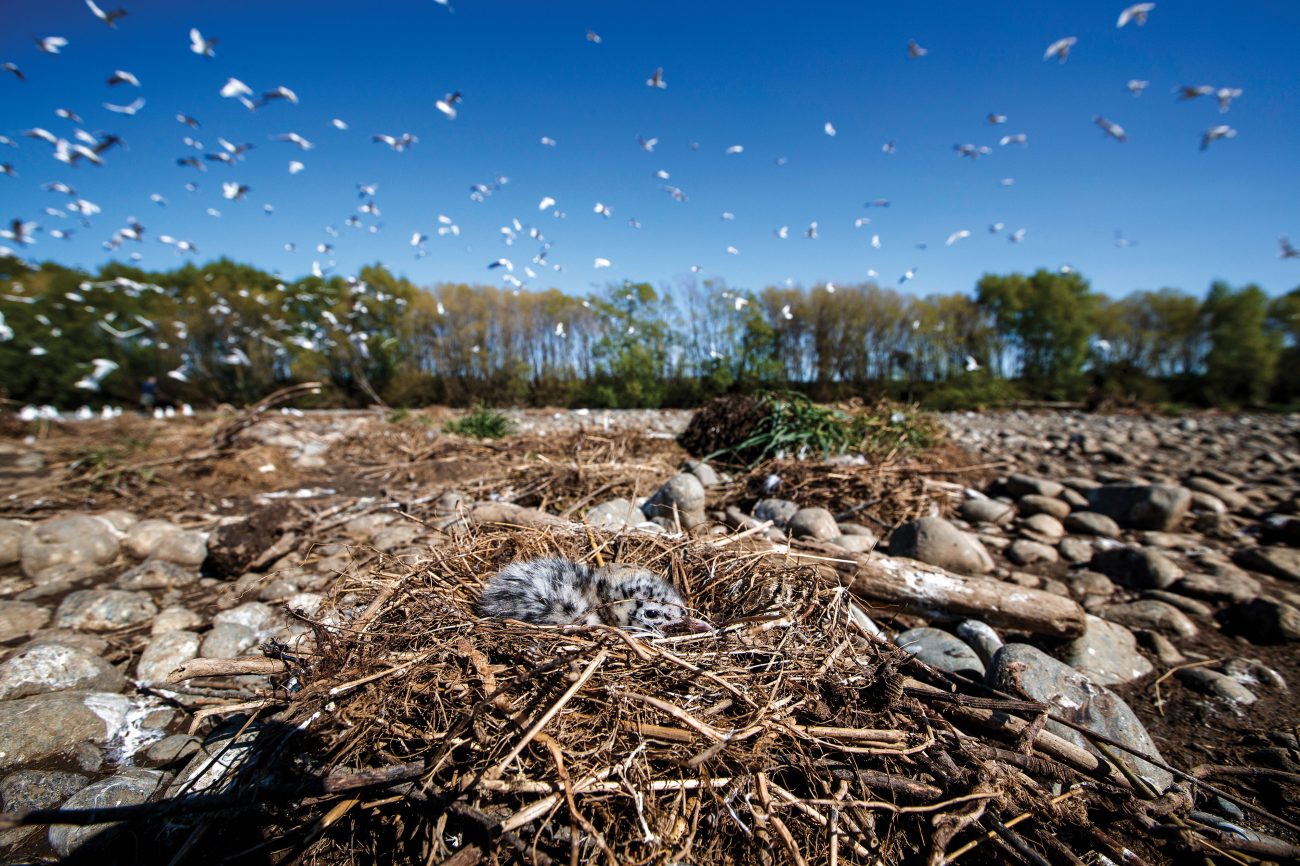
From the archives: Tending the flockNew Zealand has only one endemic gull, the tarāpuka, and it’s more endangered than the takahē, the hoiho and all five species of kiwi. Its survival depends on the preservation of the South Island’s unique braided-river ecosystems. Keep reading... |
||
|
|||||


 |