|
In Tairāwhiti the beaches are smothered in dead wood. Mountains are sliding into rivers; forests swarm with possums. While officials demur, transfixed by the bottom line, the people who belong to this land are moving home—and working to repair it.
|
The Weekender |

|
|
|
Free newsletter
|
OCTOBER 4, 2024
|
|

|
Publisher |
|
I stood on the pitch of Eden Park for the first time in my life last Sunday, a participant in the world record attempt for the largest haka. Ngāti Toa—the holders of the Ka Mate haka—formed a long hīkoi into the stadium to the karanga call of Ngāti Whatua, manawhenua for Auckland. The rest of us, 6531 visitors who had responded to the call, sidled forward. When host Stacey Morrison asked who among us had performed a haka before, barely half of the hands went up—all had been scrubbing back and forth on a video earlier in the day, trying to commit to memory the intricate, sweeping moves we had seen a hundred times but never attempted. Dunedin band Six60 (named for the address of their Castle Street flat) led in with Don't Forget Your Roots, then the stadium erupted into the seismic outpouring of energy that is Ka Mate, four times over to satisfy Brian, the visibly shaken Guinness Book of Records officer. The adrenalin buzz lasted an hour. More than breaking a record, this was a statement of rightful ownership. Kiwis of all backgrounds had fronted to bring the mana of the haka back to Aotearoa. In the words of Stacey Morrison “This is us at our best.” |
|
|
If you haven't seen this newsletter for a while, hello again. Google has been sending The Weekender into the spam folder for some Gmail users because of a 'bad parameter' in their algorithm that decides such things. We're told they fixed it, so we're back in business delivering you stories that reveal our remarkable country. As always, if you don't want this email, you can unsubscribe—we might be disappointed, but not offended :) |
|
|
|
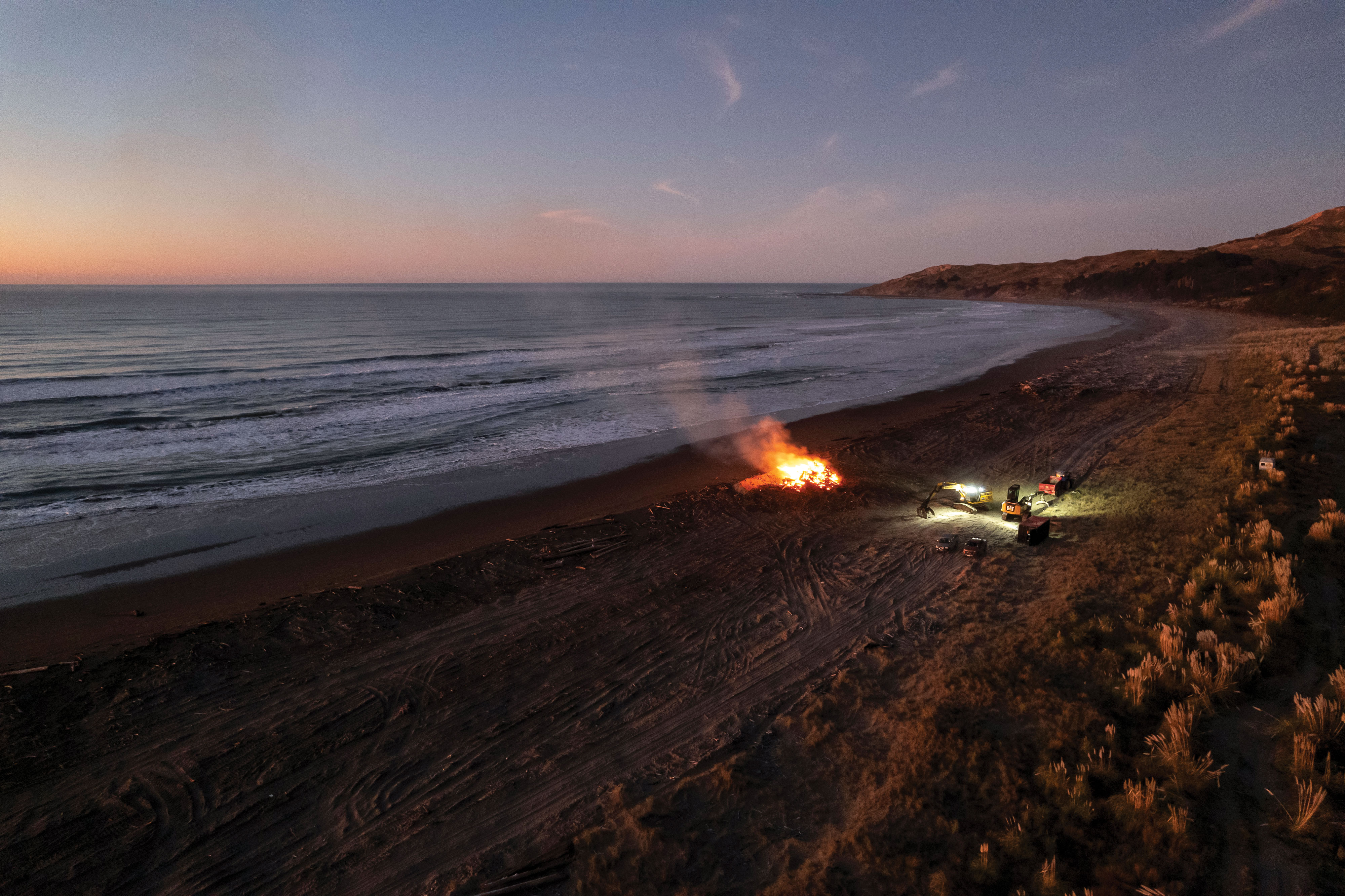
TAIRAWHITI “We think in generations, not in quarterly reports.”That isn’t a cheerful bonfire, it’s a massive cleanup operation. In Tairāwhiti the beaches are smothered in dead wood. Mountains are sliding into rivers; forests swarm with possums. While officials demur, transfixed by the bottom line, the people who belong to this land are moving home—and working to repair it. From 1865, the government acquired hundreds of thousands of hectares of Tairāwhiti land by force. When Ngāti Porou resisted land sales, officials used the Native Lands Act to confiscate vast chunks of land—by splitting it into individual titles, or tying it up in complicated leases. Since then, permissive land use legislation and targeted subsidies have centred profits for landowners or leaseholders—mainly Pākehā or overseas investors in farming or forestry. In the early 1900s the land was burnt off for farming. When the pasture slipped off the hills it was replanted in pine. But this is some of the softest, steepest land in the world. Every few decades, when the pine is harvested, it’s like pushing on a wound. Clocking that cycle, as well as poor official oversight and increasingly severe storms driven by the climate crisis, many locals were not surprised when Cyclone Gabrielle tore strips off bare hillsides in February last year, pulling swathes of pine plantation down with it. Afterwards, former National minister Hekia Parata, herself Ngāti Porou, led a ministerial inquiry into land use in Tairāwhiti. Her report calls the use of land here an “environmental disaster, hiding in plain sight”. The report recommends a credit system to incentivise native forests, investment in climate adaptation, tighter forestry legislation and support for Māori to use their land. Transition to more sustainable land use, it says, is urgent; the list of ills reads almost like a post-mortem. “Sedimentation from more than a thousand untreated gullies, trees, logs and slash off hills that should never be plantation planted or clear felled, waterways choked with debris flows, riverbeds aggraded, coastlines suffocated and dangerous, roads and bridges unfit, unpassable, and many broken. Ngāti Porou tangata whenua, the people of this land, are in peril.” But in one of the most economically deprived areas of the country, the way forward is not simple. |
MORE STORIES ABOUT FORESTS: |
|

|
|
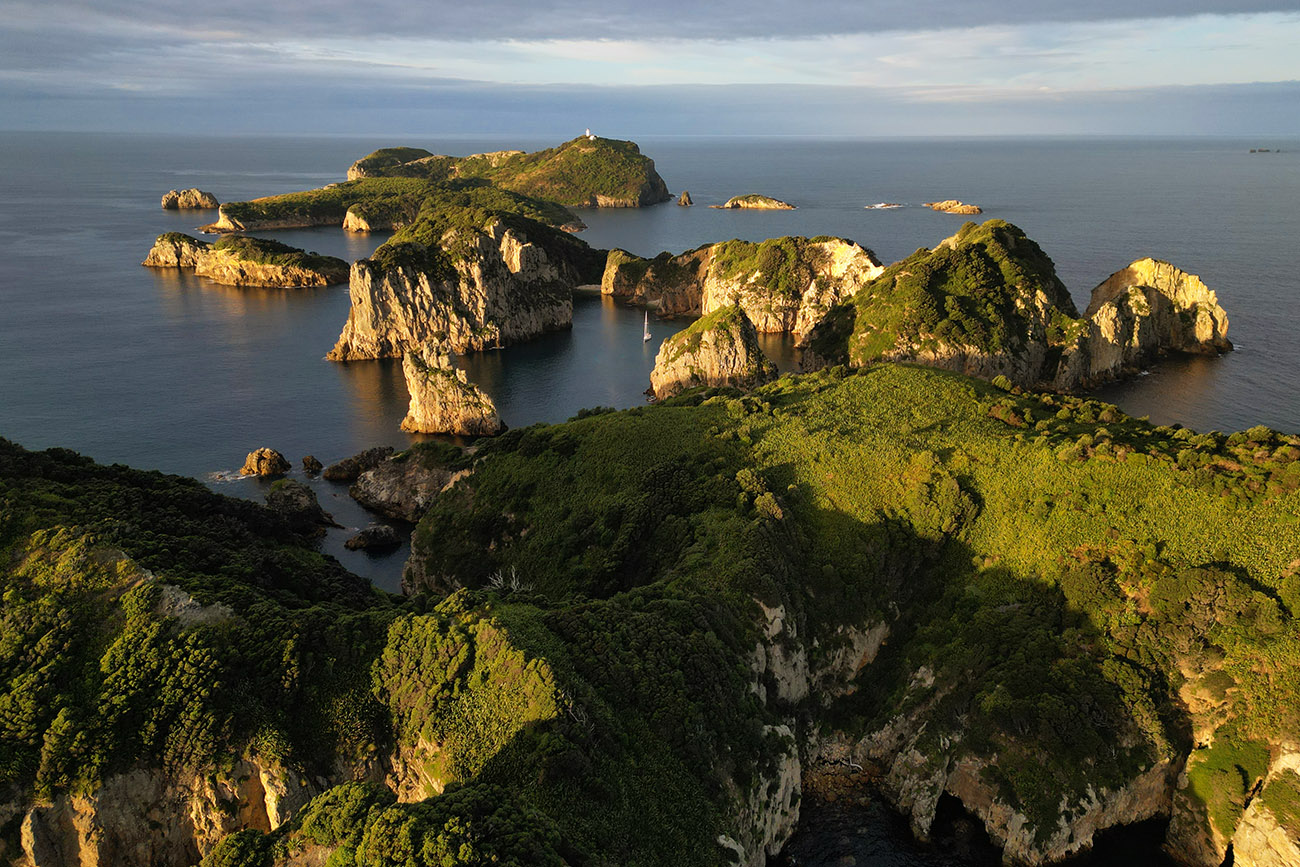
ENVIRONMENT What's up with the Hauraki Gulf Marine Protection Bill?It's been well over ten years since efforts to protect a handful of valuable and vulnerable sites in the Hauraki Gulf began, a year since the Revitalising the Gulf plan was approved and now months since the Select Committee report was tabled for the Hauraki Gulf Marine Protection Bill. Since then the Bill has been languishing in Cabinet, with conservationists, fishers, scientists, iwi and Gulf users getting increasingly anxious about machinations that may dilute critical protections that finally allow some corners of this vast marine estate to recover. Burgess Island in the Mokohinau Group, pictured above, is one of the sites slated for protection. Subject to intense fishing pressure this formerly pristine site is now covered in extensive kina barrens and has recently had a confirmed sighting of the devastating invasive weed Caulerpa. Time is running out for places like this. New Zealand Geographic has submitted an Official Information Request for papers relating to Cabinet discussions, and if you share our concerns, write to your MP and demand that the Bill proceed to its second reading, without compromises or changes that might reduce the protections these places so dearly need. |
|

|
ENVIRONMENT Trees use the summer solstice as a starting gunPinning down what prompts these mast events is important in New Zealand, because we need to prepare for them: all that extra food in the ecosystem creates a plague of predators like rats, mice and possums, which turn on native birds and lizards once the fruit runs out. We’ve long known masts are triggered by summer temperatures. But we had no idea the cue was so precise. |
|

|
|
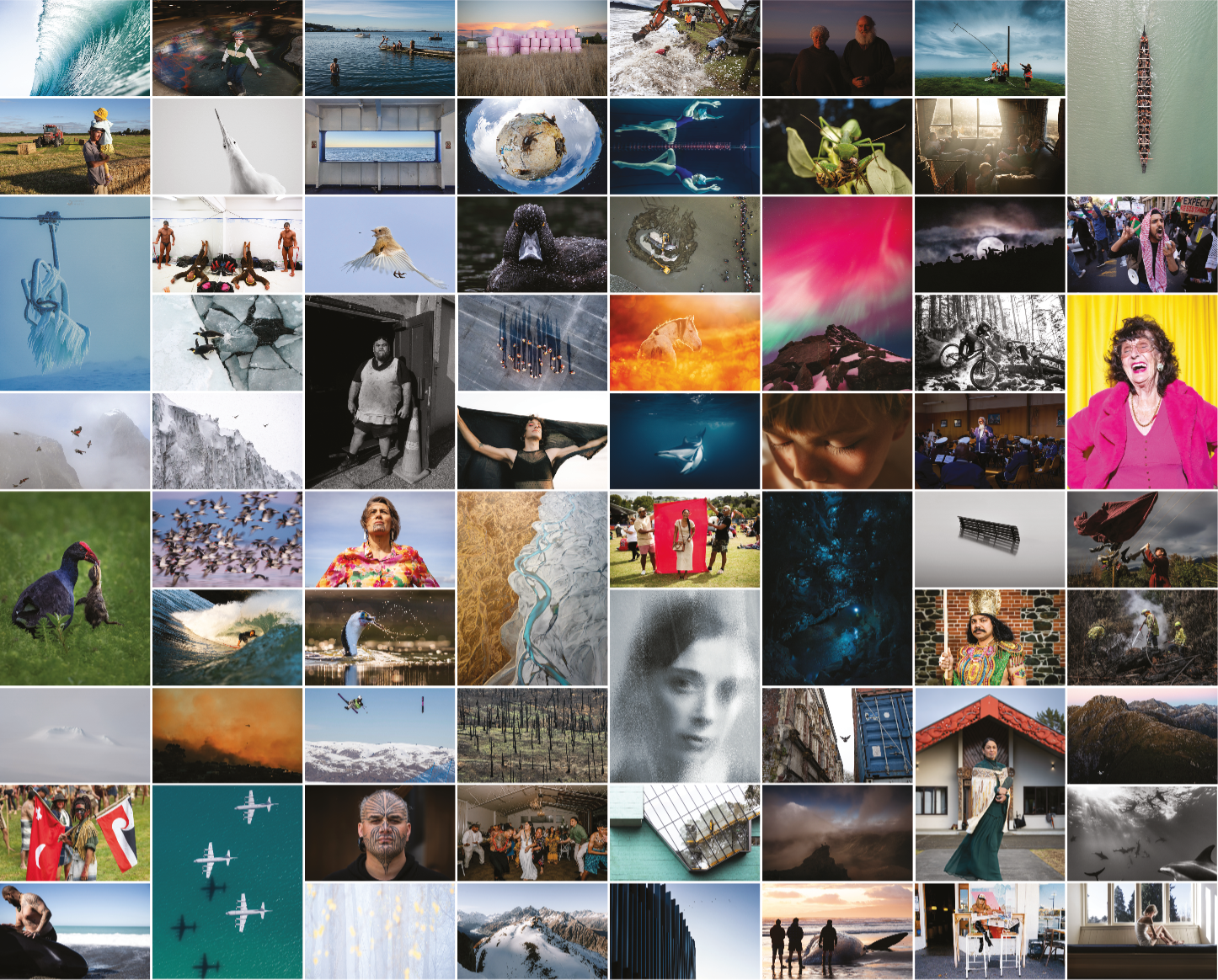
Photographer of the Year Three weeks left to vote on your favourite images of 2024The Ockham Residential Peoples Choice award is your opportunity to vote for the five images among this year's Photographer of the Year finalists. You can visit the exhibition where they are printed in large-format in the atrium under the Westpac Building in Britomart Precinct, Auckland. The 15 Portrait finalists, are on vertical display panels around the pavilions in the same area. Or view the images and vote for five of your favourites for the People’s Choice award online... |
|

|
|
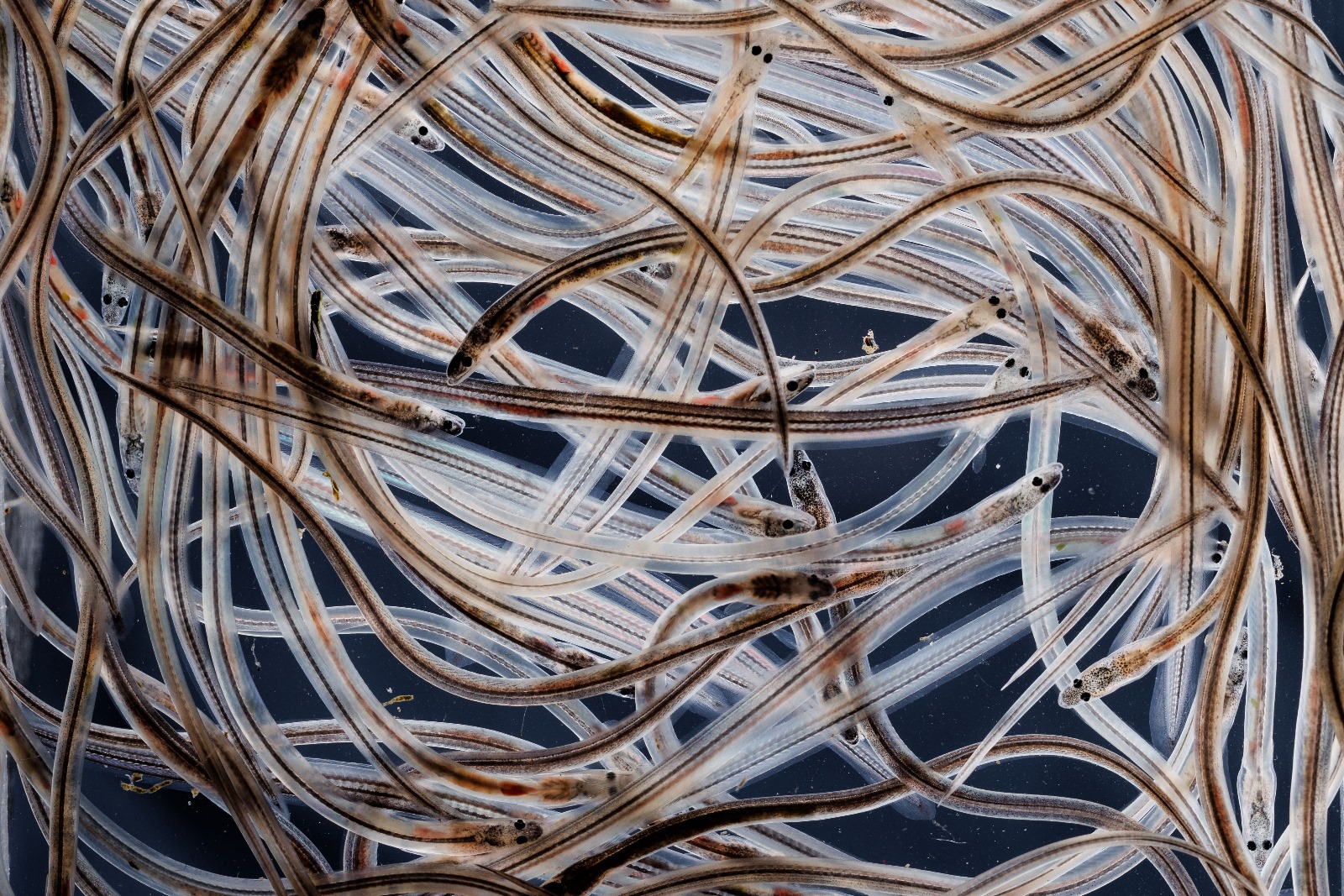
COMING UP On the road again...After a couple of months in the northern hemisphere photographer Richard Robinson is back on the tools for New Zealand Geographic. This time he and regular contributor Bill Morris are... |