|
We have been insulated from bird flu for decades, but the virus has evolved. Are we ready for it?
|
The Weekender |

|
|
|
Free newsletter
|
November 1, 2024
|
|

|
Publisher |
|
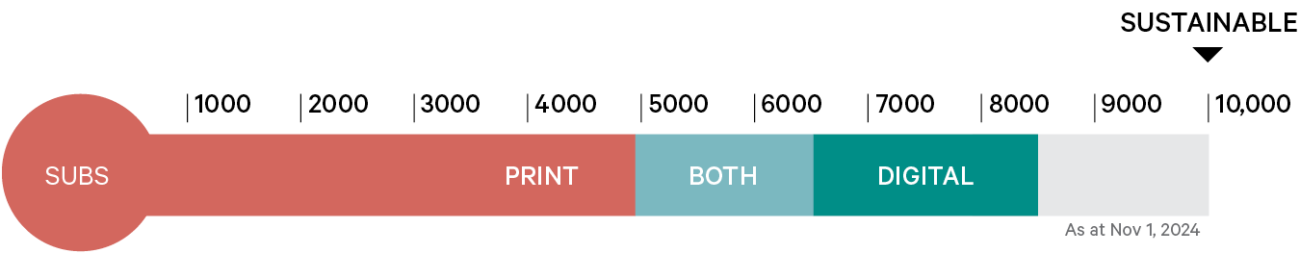
I began this week with an appeal to readers to help support the future of New Zealand Geographic by subscribing. The response has been humbling, and we have been flooded with emails from subscribers and supporters. The thermometer below shows we are 400 subscriptions closer to the goal than we were at the beginning of the week, with 1700 to go. At a personal level, it's incredibly encouraging to hear how passionate readers are about what we do. At a commercial level we are a step closer to sustainability. Watch out for an email Tuesday where I make good on my promise to reveal our income and costs, and how we might fund our journalism in the future. In the meantime, thank you for reading and enjoy the stories below—as important and compelling as any we have ever published. |
|
|
|
New Zealand Geographic has been an icon of environmental journalism for 35 years, but times are changing, and we need your help to survive. Today we have 8200 subscriptions, but need 10,000 to be sustainable. You can read more about why, here. It's cheap, just $8.50 every two months for digital, $12 for print or $16.50 for both... a gold coin a week. Check out the options. |
||
|
|
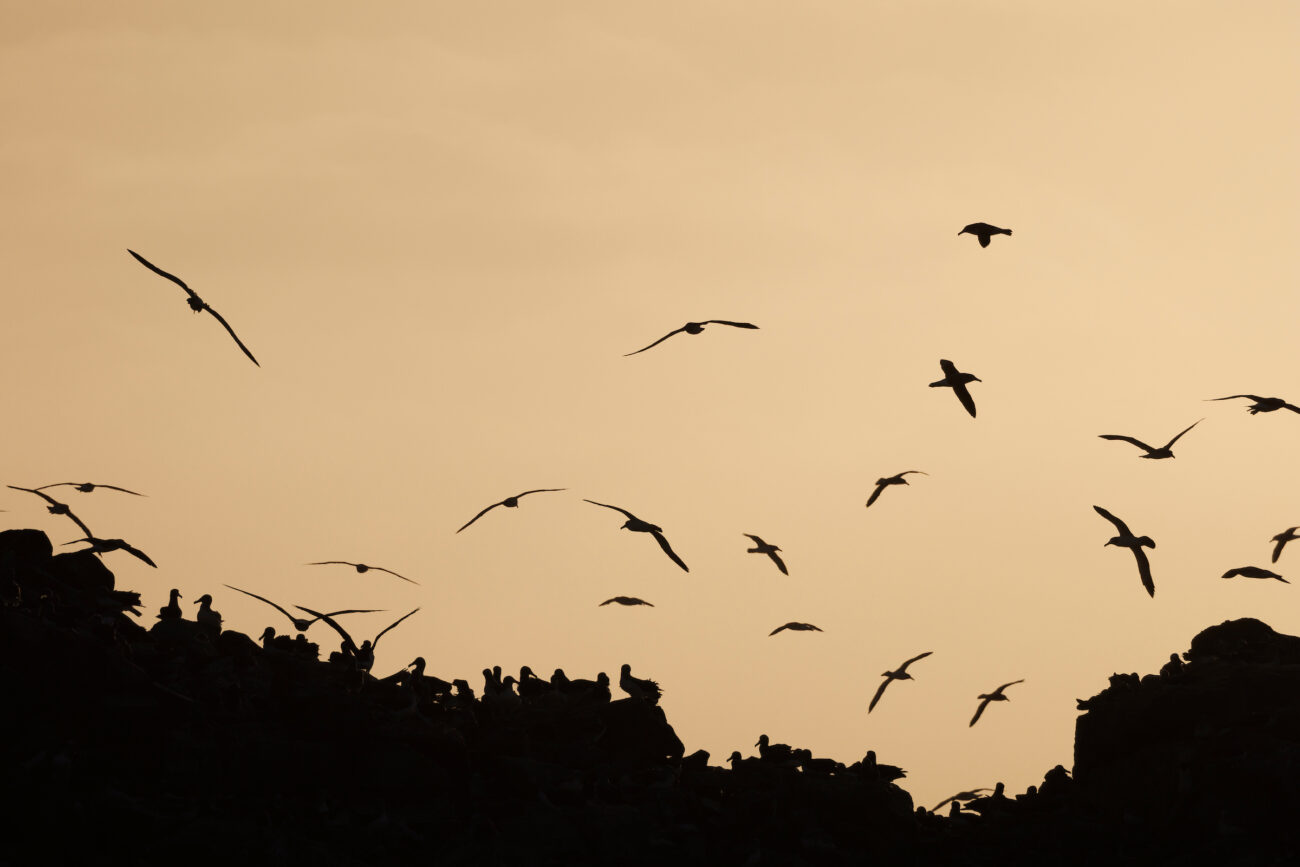
WILDLIFE We have been insulated from bird flu for decades, but the virus has evolved. Are we ready for it?To date, the Guardian newspaper reports, around 280 million birds have died or been culled as a result of the H5N1 outbreak. As well as poultry, it has devastated wild birds, and killed mammals: foxes, polar bears, cats, hedgehogs, bears, mice. Last month, in two Vietnamese zoos, 47 tigers, three lions and a panther died, likely after being fed infected chicken. This variant reached Scotland at the end of the 2021 bird breeding season, which meant its initial impact on the country’s offshore bird colonies was relatively minor. For Ellie Owen, senior seabird officer for the National Trust for Scotland, it was a nervous winter. “We were hoping that it was just a blip,” she tells me. It wasn’t. In the summer of 2022, the new flu took hold with a vengeance, destroying three-quarters of the UK’s great skua population and tens of thousands of gannets, terns, and other breeding seabirds. “The whole of Scotland were seeing dead birds on the beach,” says Owen. “It was soul destroying.” Wildlife rangers found themselves stumbling through an apocalyptic nightmare... For decades, New Zealand has been insulated from highly pathogenic avian flu—the disease that has devastated poultry flocks and waterfowl around the world. But now, the virus has evolved to take down mammals and seabirds, and that dramatically raises the chances of it reaching us. For some of our native species, this virus could be the greatest threat since the arrival of humans. Are we ready for it? |
MORE STORIES ABOUT BIRD FLU: |
|
|
|
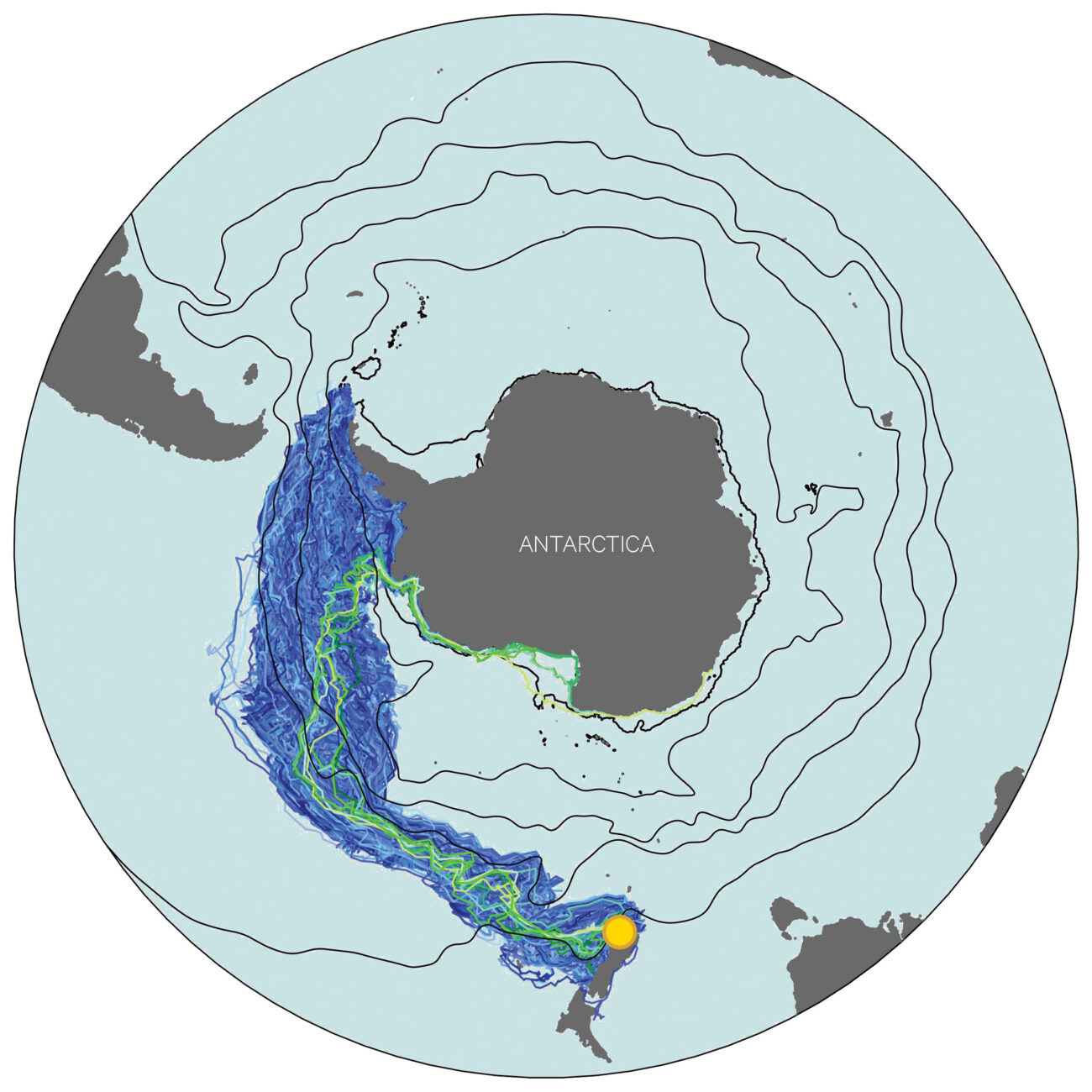
NEW SCIENCE A raft of troubleSmall marine creatures can hitch lifts on floating objects all the way to Antarctica, a new study suggests—and as climate change makes the icy continent more hospitable to colonisers, that’s a problem. The study, published in Global Change Biology, involved researchers from New Zealand, Australia and the US and was led by Hannah Dawson, now at the University of Tasmania. Scientists have long known that rafts of bull kelp sometimes wash ashore in Antarctica, Dawson says, but the only way to trace the origin of each clump is genetic testing. “To get the big picture, it’s not very practical to walk around the Antarctic coastline trying to find all the washed-up things to test them.” |
|