|
| |
When you take a photo, why do you take a photo?
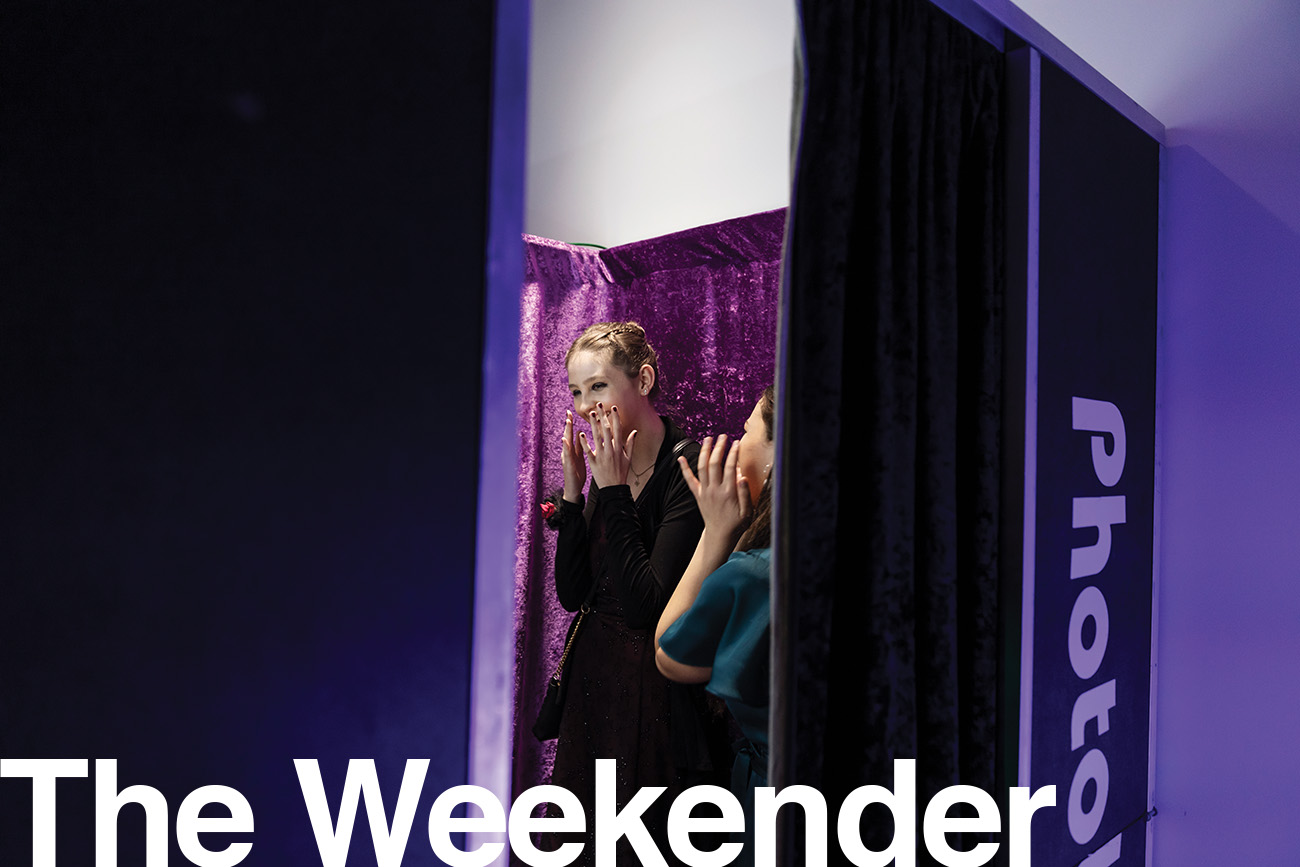
The winning photographers at this year's Photographer of the Year, announced tonight, can answer that question—to tell a story, to steal one hundredth of a second from history and store it so others can share in that moment and its significance. Together these pictures also tell a wider story of a year in New Zealand that saw us confront perspectives that challenged our own. But we also found wonder in our landscapes and joy in each other. As you view each of these images, consider the photographer crouched behind the lens, waiting for this moment—what is the story they’re trying to tell? See the winning images...
|
|
|
| |
Isolated birds at higher risk of getting sick
Birds catch illnesses, too, and just like humans, birds isolated for a long time on one continent never developed immunity to particular diseases. So it is with the avian inhabitants of Antarctica and bird flu.
Earlier this year, scientists became extremely worried that bird flu would hit Antarctica—the virus had come closer than ever before, reaching Tierra del Fuego, the outstretched tip of South America, having travelled down the Pacific coast of the continent in just three months.
This week, it hit the Antarctic region, infecting brown skuas on Bird Island. No one knows what it will mean for the close-dwelling colonies during the summer’s breeding season.
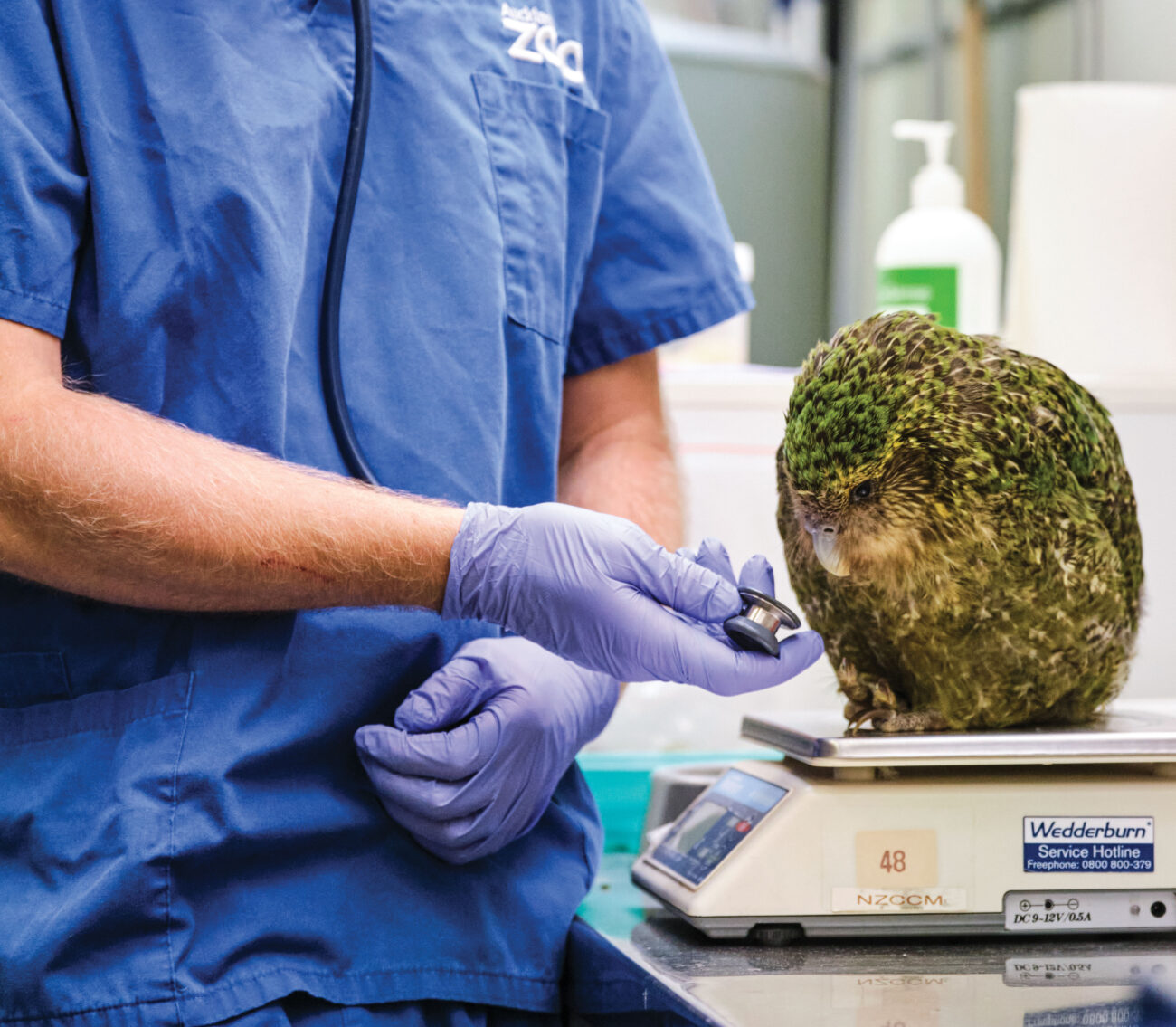
Birds in New Zealand face disease—kākāpō had an outbreak of aspergillosis, a severe respiratory illness, while tūturuatu/shore plovers are vulnerable to avian pox and hoiho/yellow-eyed penguins are fighting avian malaria. Keep reading...
|
|
|
| |
Subscribe and support local journalism
While advertising and retail income goes up and down, it is subscriptions from readers like you that power long-term journalism projects from around New Zealand and help us keep the lights on.
It's not as much as you think—$8.50 every two months for digital, $12 for print or $16.50 for both... a gold coin a week. Check out the options.
|
|
|
| |
IN PARTNERSHIP WITH ROLEX
|
|
|
| |
Looking at the past to predict the future
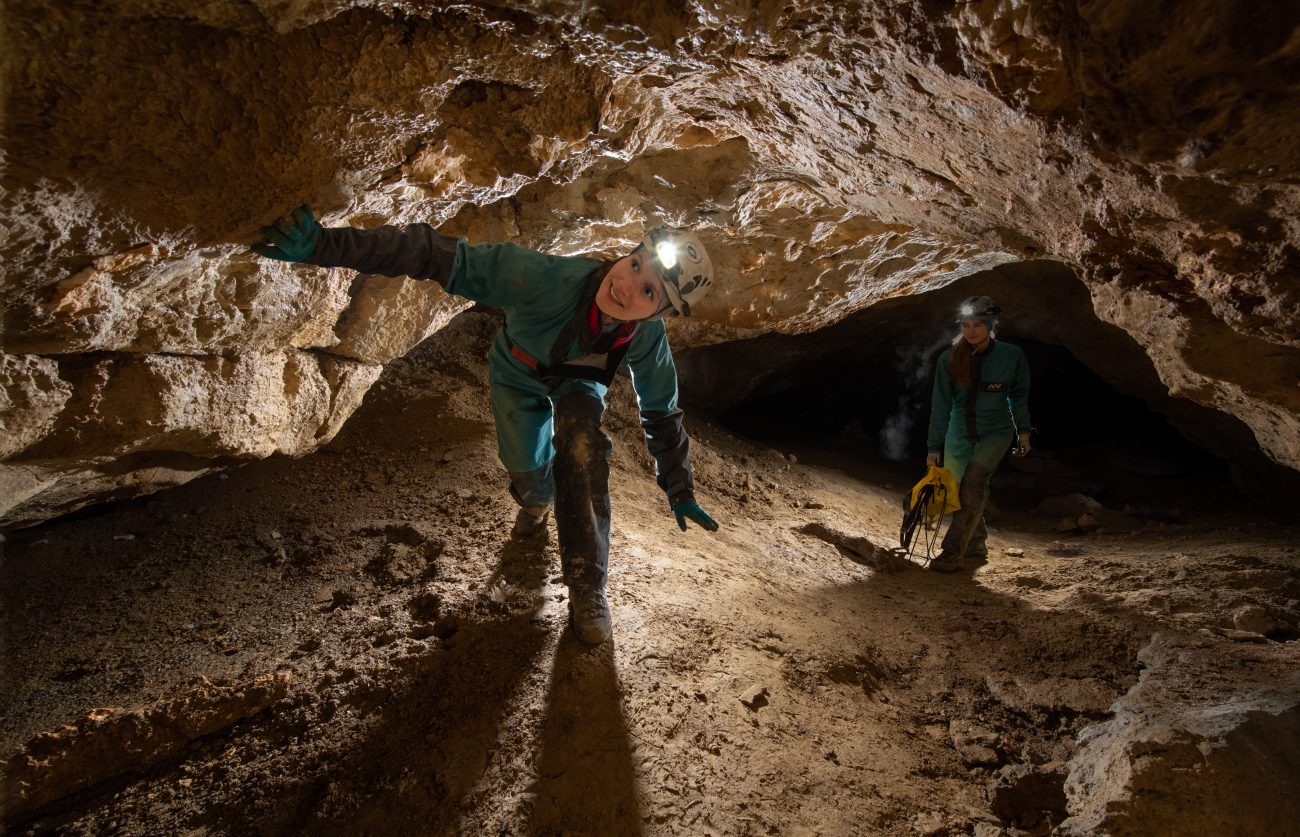
An Albert Einstein quote featured on the expedition website of Gina Moseley sums up her approach to academia: “Look deep into nature, and then you will understand everything better.” Moseley, a paleoclimatologist, assistant professor of geology at the University of Innsbruck in Austria and Rolex Award for Enterprise Laureate, likes to look deep into caves to better understand the past, and the future.
“Changing our understanding and improving our predictions is the ultimate wish. I think there’s a discord between what scientists know and what’s happening in policy. The two don’t seem to be working at the same rate, but scientists just have to keep plodding on and getting the information out to each other and to the public and then hopefully it gets picked up.” Keep reading...
|
|
|
| |
What’s underneath the East Antarctic ice?
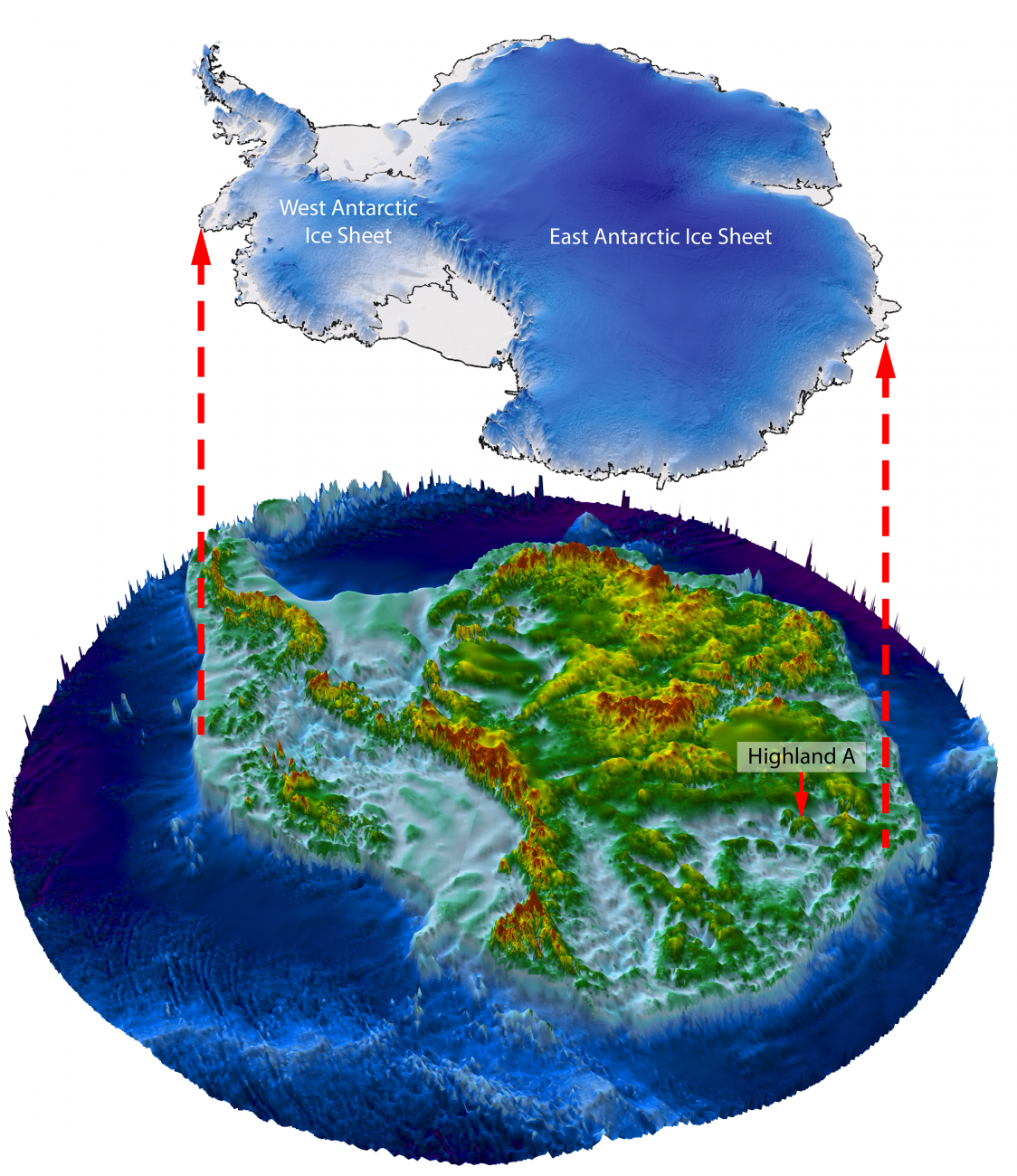
An ancient river landscape, according to a new study published on Tuesday. In a hotter era of the planet, the land that became the East Antarctic Ice Sheet had three main highlands, carved by three rivers, and was crisscrossed by valleys. But it has been locked under ice, without much disturbance, for the last 14 million or so years.
A group of scientists from a British university used satellite imagers and ice-penetrating radar to create the map above, with the aim of figuring out how the ice has behaved in the past, and how it might melt as the world warms up.
|
|
|