|
|
|
|
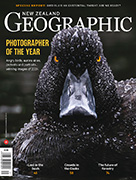
A new issue is in stores on Monday. It features all the winners of Photographer of the Year, as well as a raft of riveting features on the Cook Islands, the future of forestry and the existential threat of bird flu arriving in New Zealand. It's a belter of an edition, available in supermarkets and bookstores, or by subscription.
|
|
|
|
|
Richard Robinson
|
|
|
PHOTOGRAPHER OF THE YEAR
See the winning images in 2024
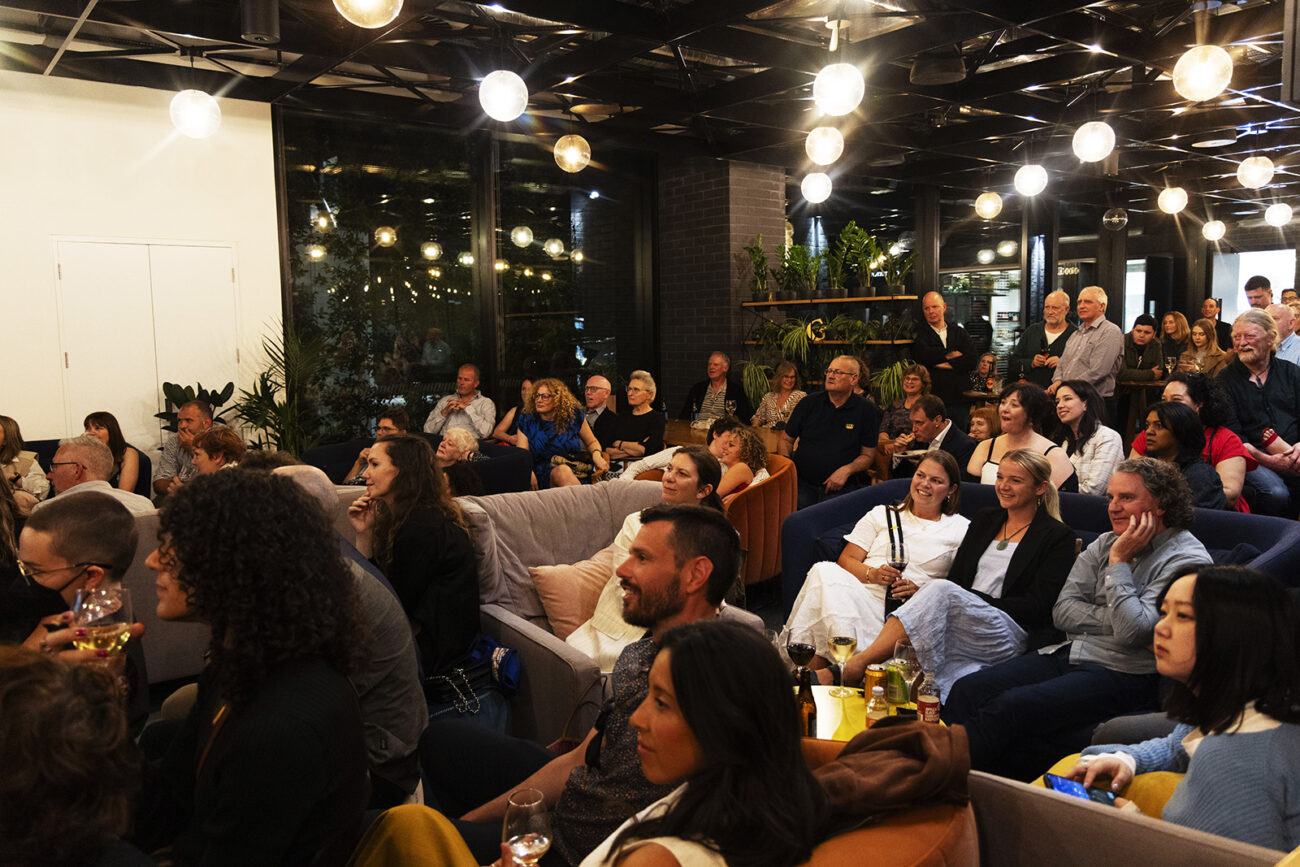
What makes a great photograph? The answer to this question depends on who you are. We all have our favourites—images that move us, or reflect our values, or give us insights into other lives. This is what the Ockham Residential People’s Choice award is for. But if you are a judge of a photography competition, this question is considerably more difficult to answer. Judges of Photographer of the Year —Lottie Hedley, Cornell Tukiri, Richard Robinson, Catherine Woulfe and James Frankham—attempt to set aside their immediate personal reactions and consider the deeper values of a photograph. How has the photographer approached the subject? Does the work offer a new insight or reflect something familiar in a compelling way? Photographers exist in a sea of choices: how to interpret the scene in front of you, but also how to engage with it technically, aesthetically, and personally. Each portfolio, then, is a fascinating study of an individual’s settings, and the settings of those in front of the camera. In the judging room we engage in technical discussions, but interestingly, final decisions often come down to questions of what function photography has in our environment and society. Each frame is a photographer’s gallant attempt to describe the world in front of them—a real image of Aotearoa, and a reflection of who we are as a nation. Check out all the winners from Photographer of the Year 2024...
|
|
|
|
Te Papa
|
|
|
VIEWFINDER
Leslie’s world
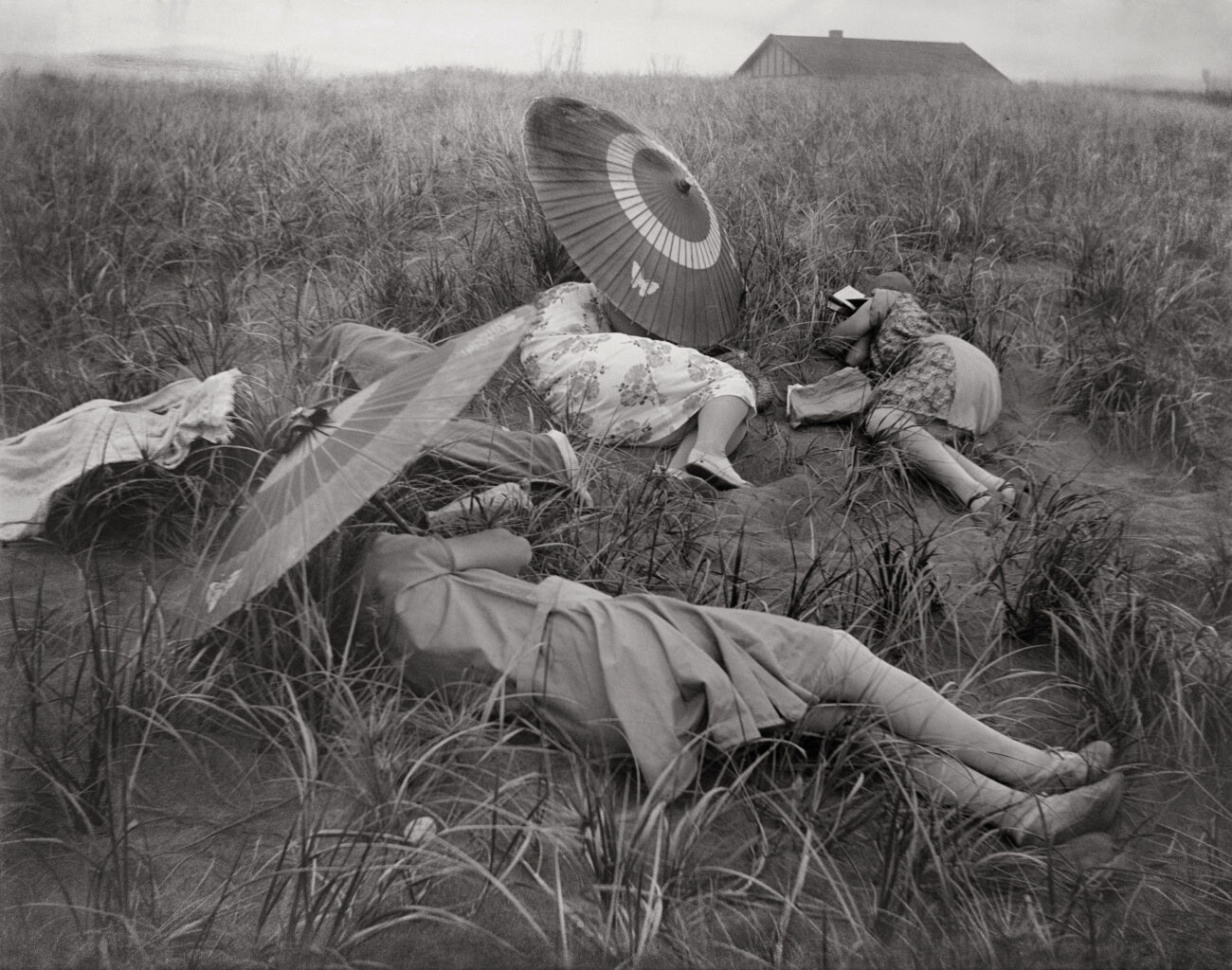
Leslie Adkin wore a lot of hats: photographer, farmer, pioneering tramper, husband and father, self-taught geologist, anthropologist. But it’s his pictures that have had the broadest impact. His meticulously created photographs, showcased in a new book, are an exceptional record of daily life in the early 1900s. Leslie found what he loved early in life: photography, the Tararua Range, and the violinist Maud Herd. The oldest of seven, he grew up on his family’s farm in Levin, and spent just two years at high school. But that was enough time to learn how to take and process glass-plate photographs, and back home, he kept at it. He documented life as it was for a teenage farmhand in 1905: workers extracting a rāta stump, Māori contract shearers, a store of apples for winter, the sheep dip, his younger brother with a giant cauliflower. Keep reading...
|
|
|
|
Richard Robinson
|
|
|
Profile
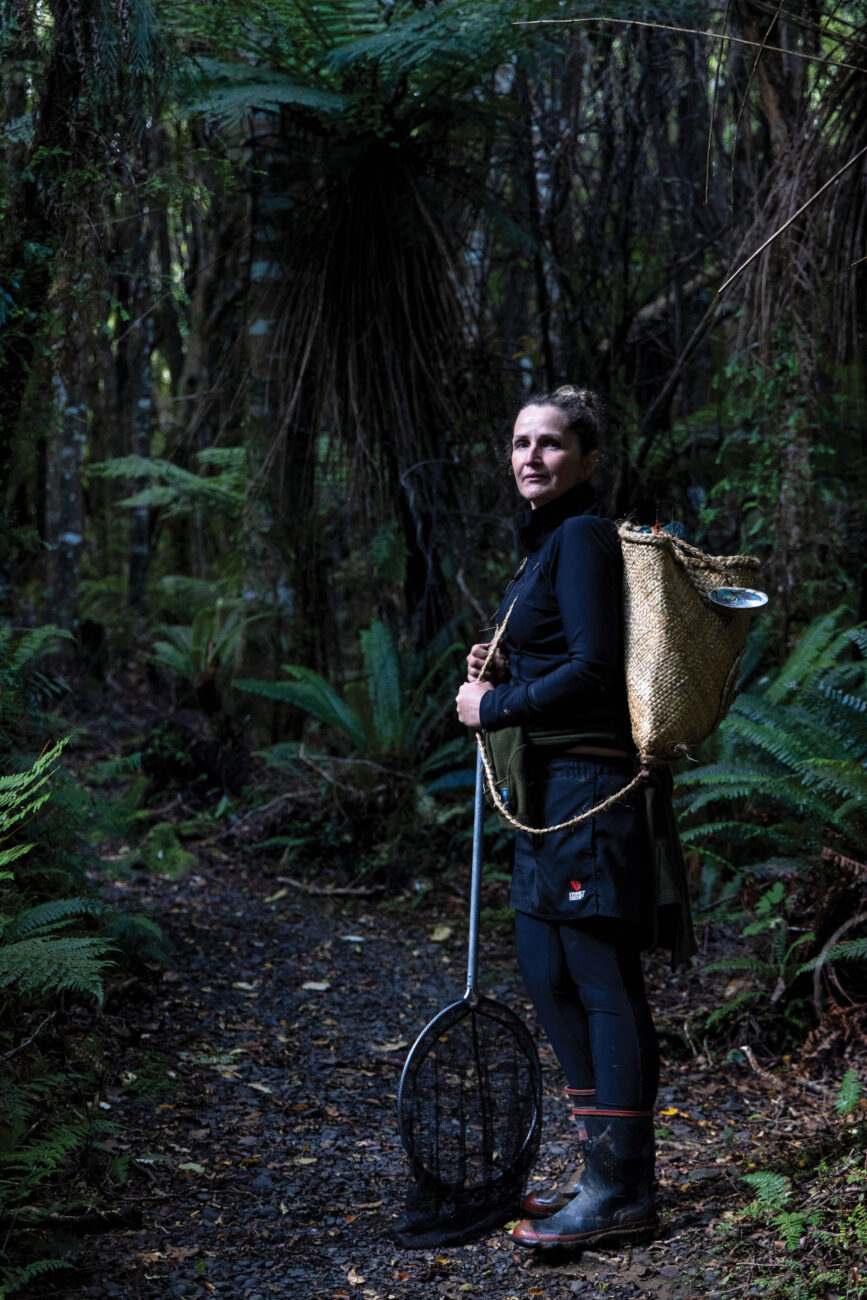
Terressa Shandley Kollat’s a star on TikTok—but she’s much more at home in the water.
Terressa Shandley Kollat has always been connected to the ocean. Her parents were lighthouse keepers on Burgess Island/Pokohinu in the Hauraki Gulf. Her mother went into labour in a storm, and her father had to follow the instructions of a mainland doctor, transmitted over marine radio, to bring little Terressa into the world. She was in breech position, coming out feet first, limp and quiet. Her father resuscitated her with breath that, to her mother’s horror, smelled of whisky. Terressa’s first cry, broadcast across the gulf, raised cheers from the boatloads of fishermen sheltering in the bay below, all gathered nervously around their radios as the drama unfolded. Keep reading...
|
|
|