|
| |
No swimming for Aucklanders this weekend
Six swimming pools’ worth of raw sewage has been spilling into the Waitematā every day for weeks, ever since a 13-metre-deep sinkhole opened in central Auckland caused by the partial collapse of a large wastewater pipe. While a bypass to the pipe was completed this week, sewage overflows will continue whenever it rains.
Due to the pollution, Ngāti Whātua Ōrākei has placed a rāhui across the Waitematā; on SafeSwim, all inner-harbour beaches are marked black for Do not swim.
Auckland isn’t the only city with infrastructure that’s falling apart; wider Wellington is losing 30 swimming pools of drinking water every day to old, leaky pipes. Both cities have long underspent on infrastructure, especially when population growth is taken into account.
But the solution isn’t just better plumbing—it’s also smarter thinking about how we build, and where we build it, as New Zealand Geographic’s founding editor discovered in an investigation into Auckland’s sewage woes. Keep reading...
|
|
|
| |
The power of poo
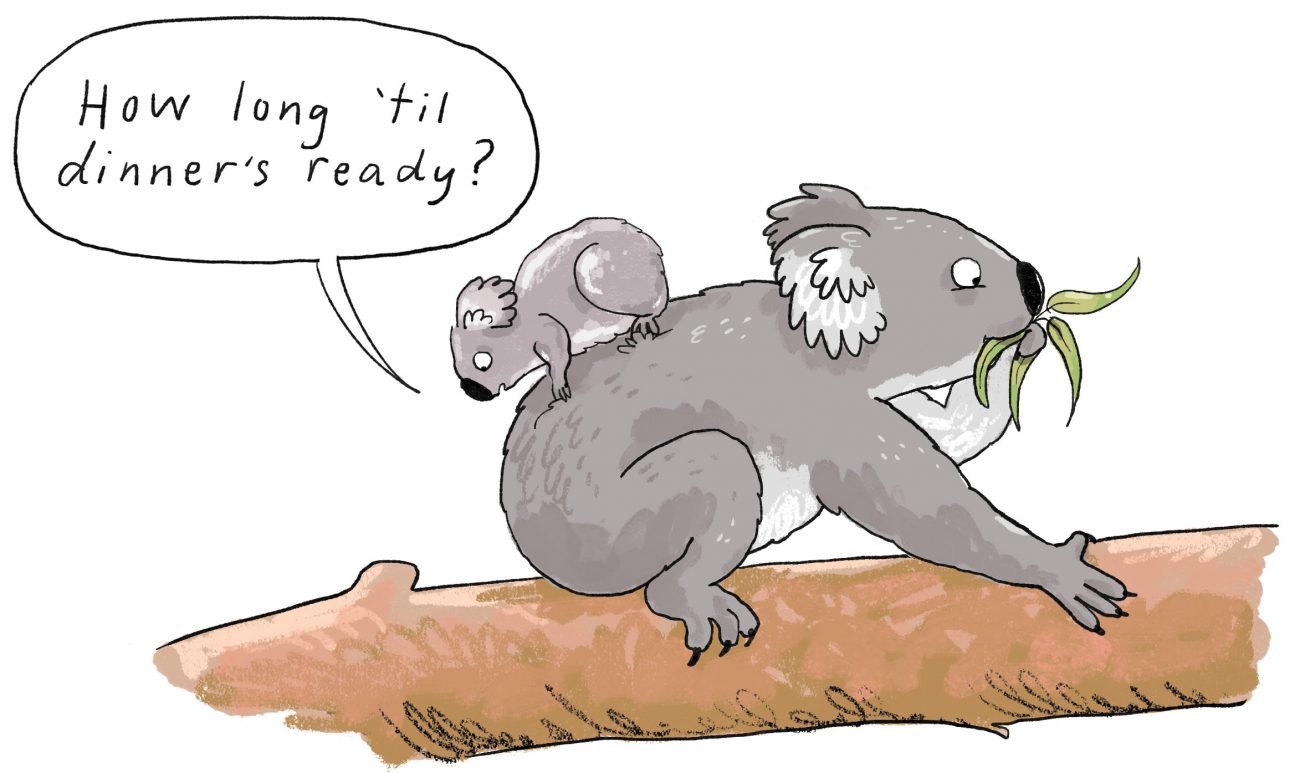
“It varies quite a bit in texture,” says University of Auckland microbial ecologist Annie West, who is also a connoisseur of kākāpō poo. “Other times it’s quite gritty and full of lots of different plant material.” Via such excrement, West and her colleagues discovered that the kākāpō gut microbiome is made up almost entirely of the common bacteria Escherichia coli. E. coli is found in small proportions in our own digestive systems—with only some strains making us sick—but its dominance in kākāpō guts is extremely unusual. Learning more about the bacteria in the birds’ poo could help conservation managers keep kākāpō alive. “Birds don’t show obvious signs of being sick until they’re really sick,” West says, so changes in their gut microbiome could provide an early warning of disease or poor health. Such research also raises the possibility of intervention via probiotics or faecal transplants—something that’s already being tried with koalas. Keep reading...
|
|
|
| |
Subscribe and support local journalism
While advertising and retail income goes up and down, it is subscriptions from readers like you that power long-term journalism projects from around New Zealand and help us keep the lights on.
It's not as much as you think—$8.50 every two months for digital, $12 for print or $16.50 for both... a gold coin a week. Check out the options.
|
|
|
|
| |
Pocket money
When it comes to investing, time in the market generally beats timing the market. So how can young investors fight against their short-term impulses and improve their financial literacy? How can parents help set their kids up for the future? And how is the growing demand for good returns from companies that claim to do good changing the way young people invest? Helen McDowall, Head of Investments at MAS, has the answers. Keep reading...
|
|
|
| |
In case you missed it: Return of the worm
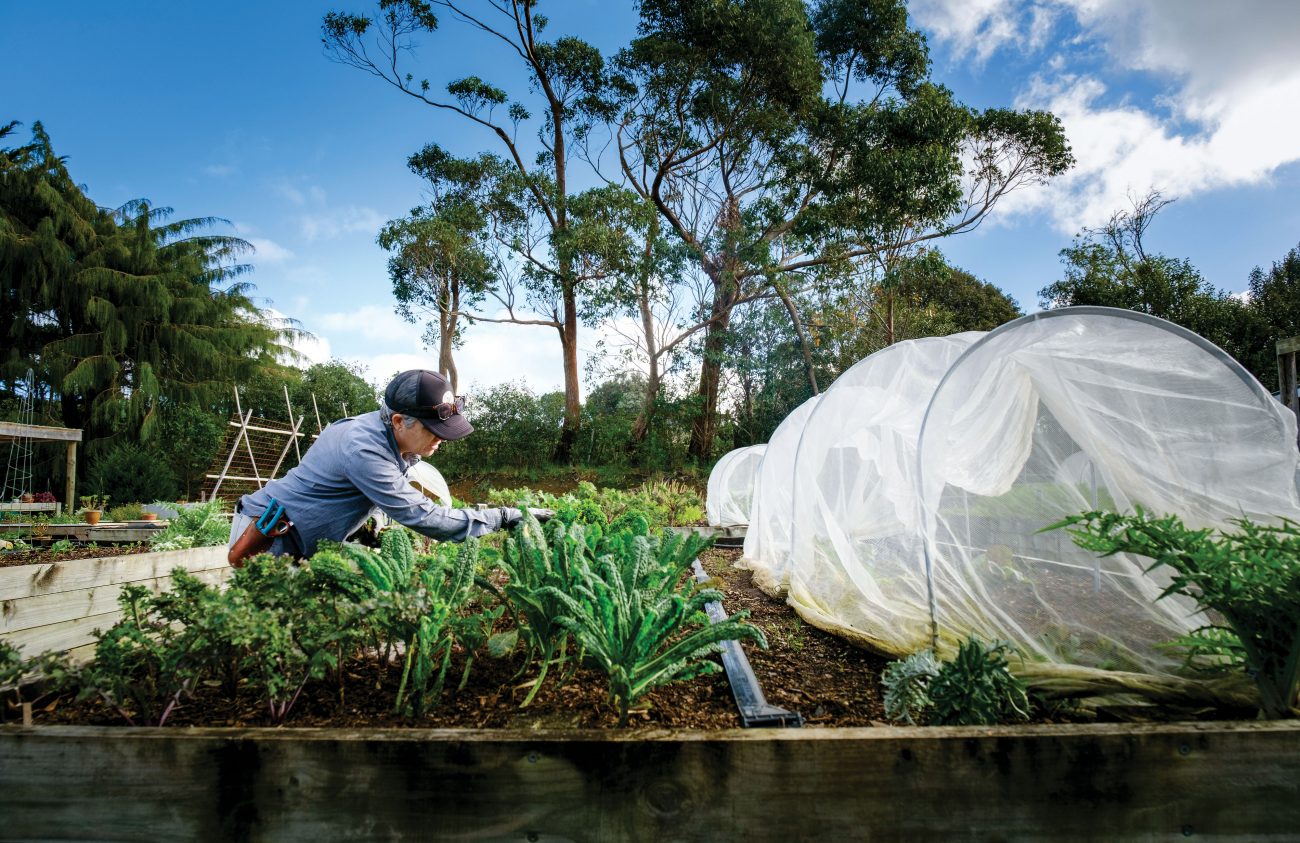
They’ve started appearing again in gardens and veggie patches around the north of the North Island: fluffy masses of eggs, wriggling red pupae. This time, people know what they are.
Last summer, armyworm stripped gardens bare. Some growers took to night patrols in an attempt to protect their leafy greens. Others called in biological weaponry: bacteria that kill the worms, frogs that eat them.
“They’re the worst thing that could have happened,” says Nena Rogers, a gardener in the small community of Ōakura Bay, in Northland. “The worm has just demolished everything.”
Over winter, the armyworm disappeared, stopped in its tracks by the cold. Now, they’re waking up again. Keep reading...
|
|
|