|
In May, a single white-tipped huia feather sold at Webb’s auction house in Auckland for $46,521—an astonishing sum that seems to reflect both our fascination with artefacts of extinction and the allure of plumage itself.
|
The Weekender |

|
|
|
Free newsletter
|
OCTOBER 18, 2024
|
|

|
Publisher |
|
It was print week in the New Zealand Geographic offices, a time of furious activity, where the last details come together and giant pile of work turns into a magazine. Features snap into shape and photography takes on its final lustre. It's also a bumper issue, featuring winners from Photographer of the Year 2024, to be released at an awards night next Thursday. If you'd like to come, there are still tickets available. Meanwhile, Cabinet has elected to take the Hauraki Gulf Marine Protection Bill forward, but with a startling amendment that has its promoters vexed. Is it a difficult concession or a dangerous precedent? Read the opinion below. |
|
|
|
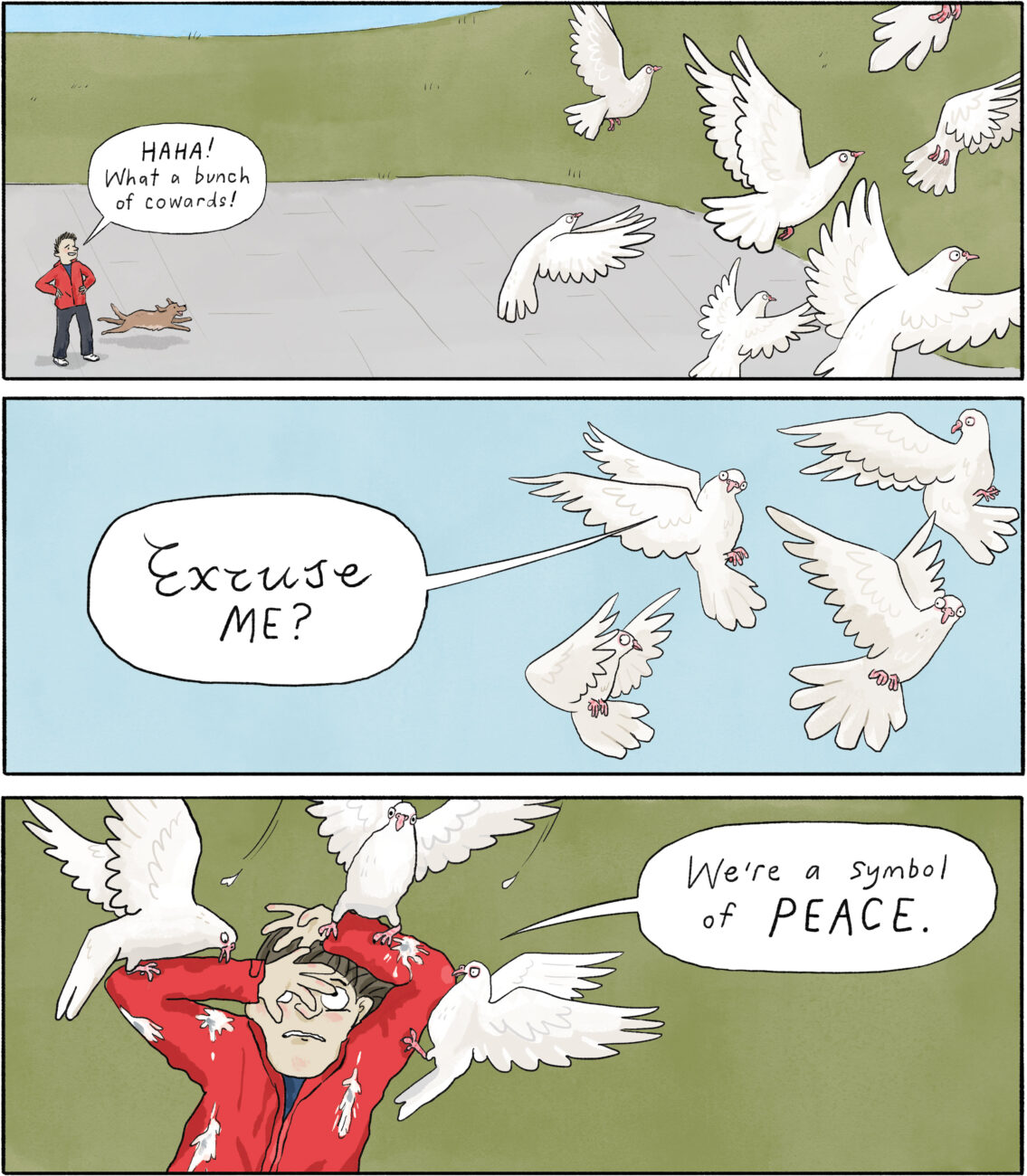
JUST SO How the animal kingdom first grew feathersIn May, a single white-tipped huia feather sold at Webb’s auction house in Auckland for $46,521—an astonishing sum that seems to reflect both our fascination with artefacts of extinction and the allure of plumage itself. Humans have coveted feathers for aeons. We’ve fletched our arrows and written masterpieces with feathers, made them the centrepiece of ceremonial and military headdresses, stuffed them into jackets and pillows, and woven them into boas and kahu huruhuru, feather cloaks. We’ve assigned feathers a vast array of meanings, too. Native American warriors were awarded eagle feathers for bravery in battle; conversely, during World War One women handed white feathers to men who had not enlisted. Feathers have been deployed as symbols of masculinity and femininity, camp gay pride and Britain’s Prince of Wales. Our dear kiwi, kākāpō and takahē aside, perhaps it is also feathers’ association with flying that captivates us. Some two-thirds of us fly in our dreams, and many of our foundational stories—angels, witches, fairies, Icarus, the bird woman Kurangaituku—flock with flight. Yes, we build machines to fly us all over the world. But unlike bats, most birds, and myriad flying insects (the flies alone number 120,000 species), we cannot simply flap our arms to launch ourselves into the skies. |
MORE STORIES FROM JUST SO: |
|
|
|
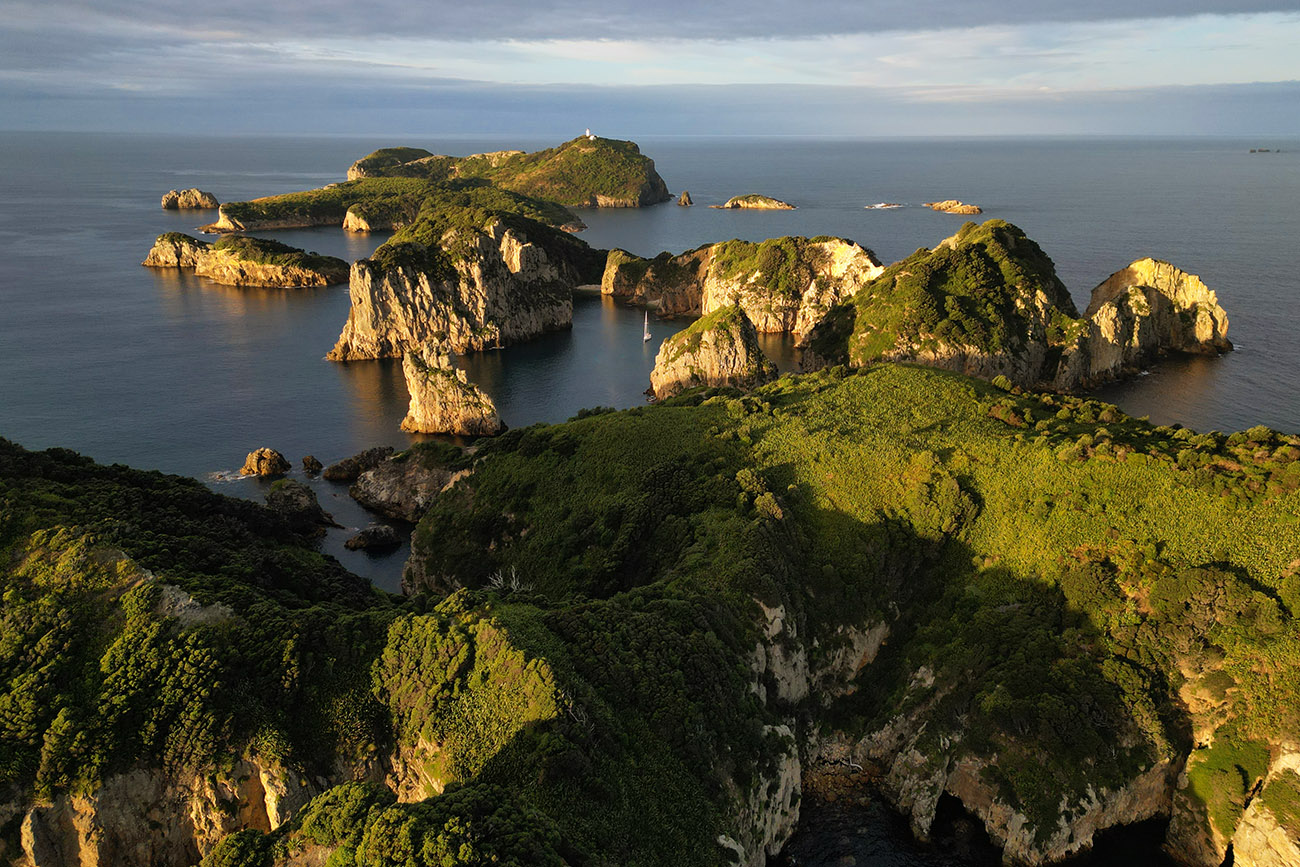
ENVIRONMENT What is the hullabaloo about the Hauraki Gulf, and what on Earth is ring-net fishing?Last weekend the Minister of Conservation announced that some of the proposed high protection areas for the Hauraki Gulf—perhaps two—would allow a commercial method called “ring-net fishing”, inside the reserves. Conservation organisations and institutions expressed shock and outrage. It boiled over into the daily media, but there were more questions than answers. Chiefly, why? Secondly, what on Earth is ring-net fishing? While we wait on the actual wording of the draft amendments, let’s review what we know. Ring-netting, as far as anyone can tell, is a more politically palatable badge for grandpa’s gill net. Floats at the top, weights on the bottom. If you leave it unattended it’s called a set net, an indiscriminate killer of anything that swims its way—eagle rays, snapper, kingfish, mullet, kahawai, sharks, dolphins... whatever, the net doesn’t have preferences. But use the same net from a small boat, circle a school of your preferred species—say mullet, kahawai—then lift it immediately, the by-catch is probably quite limited, the bottom contact minimal. Arguably this is a low-impact form of fishing that we should be encouraging. So what’s the big deal? |
|
|

|
PHOTOGRAPHER OF THE YEAR Awards night next ThursdayPhotographer of the Year awards night is drawing near, and you can come along. The night is a highlight on the photography calendar—always an inspiring speaker, always moments of pause, always a good laugh. Join us for an evening tour through the gallery of finalists, a keynote address from award-winning photojournalist Simon Townsley, a meal, and awards event, all for $125/ticket. |
|