|
| |
Our whales are back
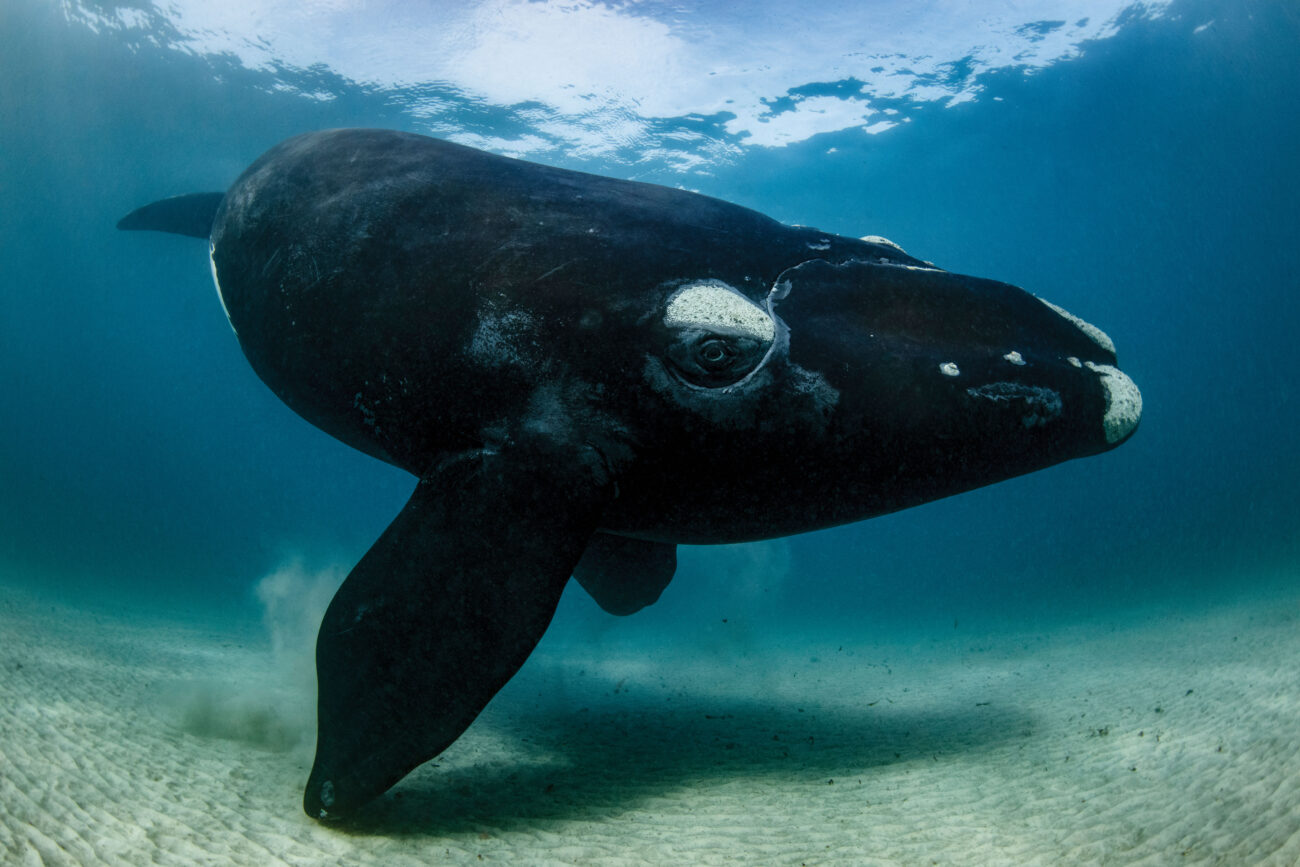
Last century, southern right whales were hunted until there were none left—none that we could find. A small group of these whales, also called tohorā, hid from the harpoon. Deep in the subantarctic, the survivors birthed and nursed their young.
Now, tohorā are returning to the coasts of New Zealand. Are we ready for them? Keep reading...
|
|
|
| |
Going to great lengths—and depths
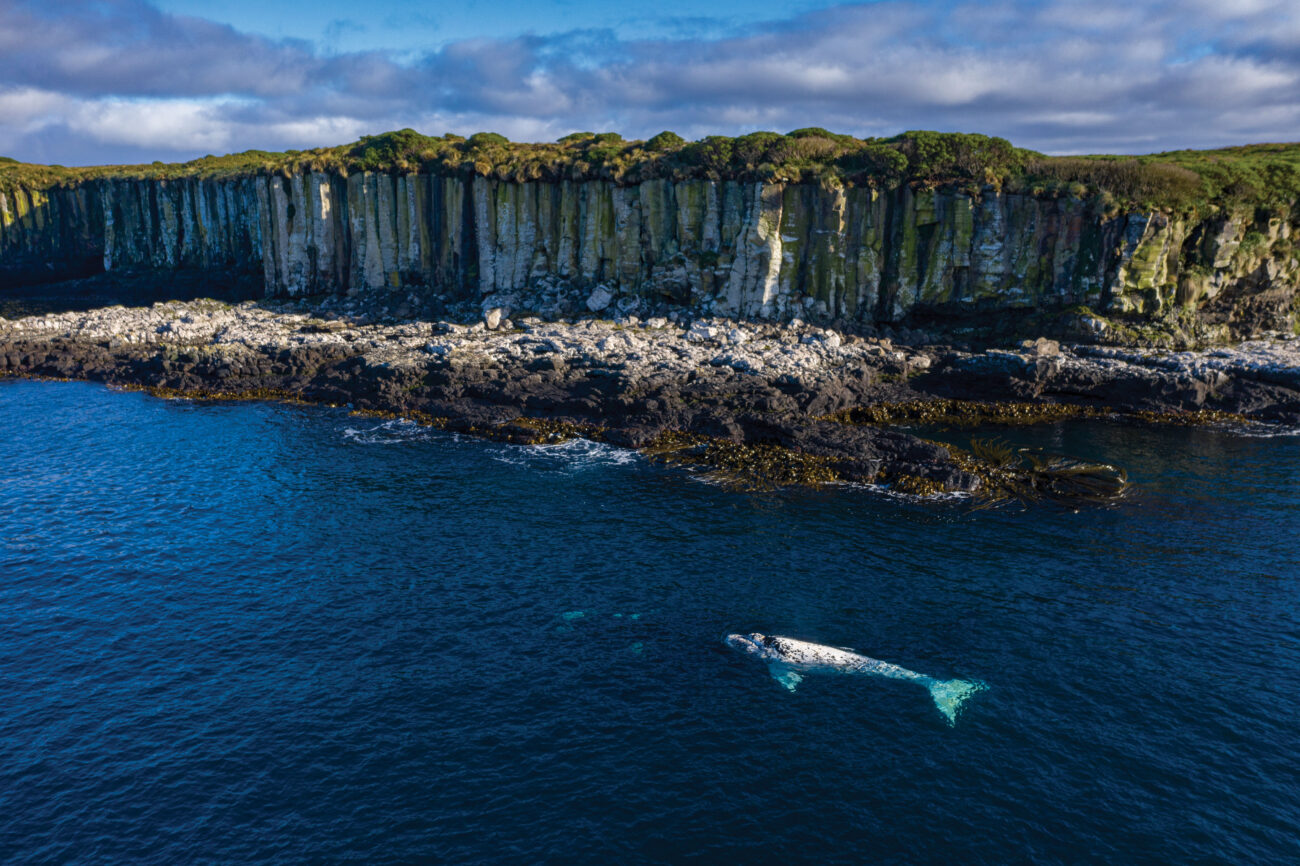
University of Auckland researchers satellite-tagged six southern right whales during their August expedition to the subantarctic: Tahi, Rua, Toru, Wha, Rima and Wiremu.
Translated from te reo, those tohorā are named One, Two, Three, Four, Five… and Bill. Bill Morris and Richard Robinson joined the expedition on assignment for New Zealand Geographic. Here's how Bill ended up with a cetacean namesake. Keep reading...
|
|
|
| |
The good place
To stand on the shores of Lake Wānaka is a lesson in scale. Your gaze is pulled over the water’s surface, then up the sides of the silent mountains. The landscape reminds you to look to the peaks, to get some perspective. It’s fitting, then, that the town’s name comes from the Māori word for “place of learning”: wānanga. Keep reading...
|
|
|
|
| |
A question of pronouns
The last time I left New Zealand, I flew to Tonga, which is one of the few places in the world where it’s possible to swim with humpback whales. There, I learned two things: that it’s possible to get vertigo from snorkelling in water so clear and deep that the sea floor is visible far, far beneath your feet, as though you’re standing on the glass floor on a skyscraper. And that when a gigantic creature emerges out of the dark blue sea-gloom, awe overrides fear. Beneath it was a calf, nestling its head underneath its mothers chin—and that’s where I have to pause, because it seems wrong to describe a whale as “it”. We don’t have words to confer personhood or importance on things of unknown sex. So a whale is an “it”, the same word we use for objects like spoons or tyres or tennis balls. Keep reading...
|
|
|
| |
The saddest day in 12 years
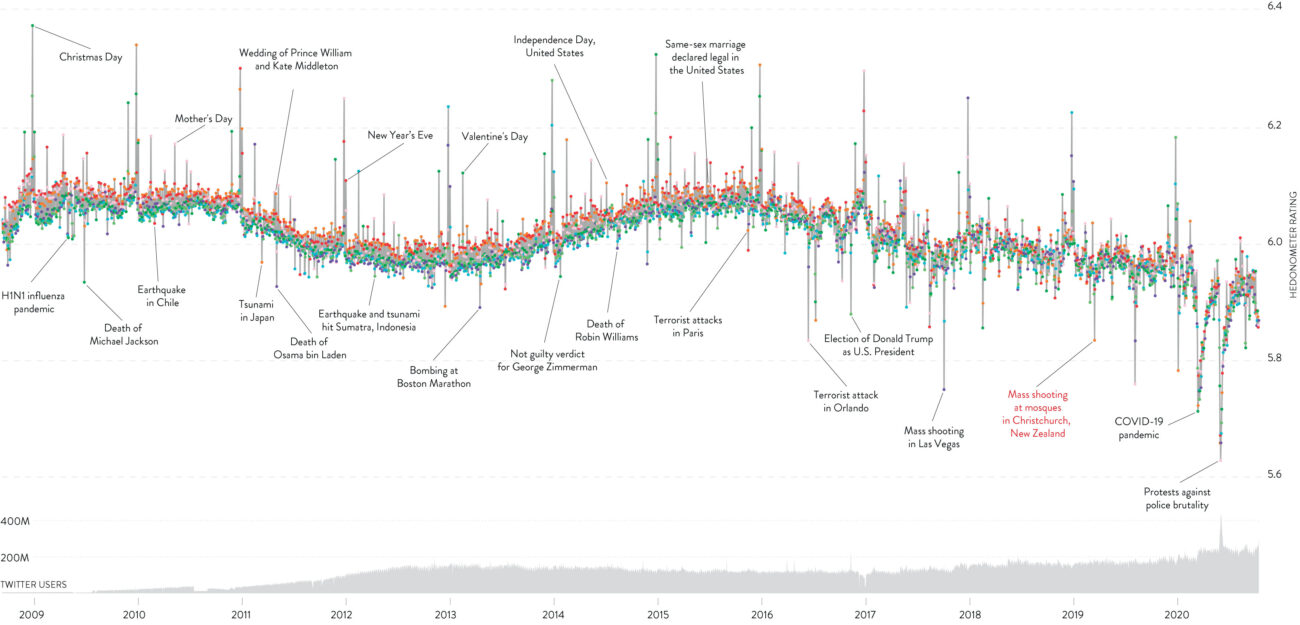
There have been significant low points in 2020, but researchers at one lab reckon that the saddest day in 2020 so far was May 31. According to them, that Sunday was more demoralising than any other day since the study began in 2008. Keep reading...
|
|
|
| |
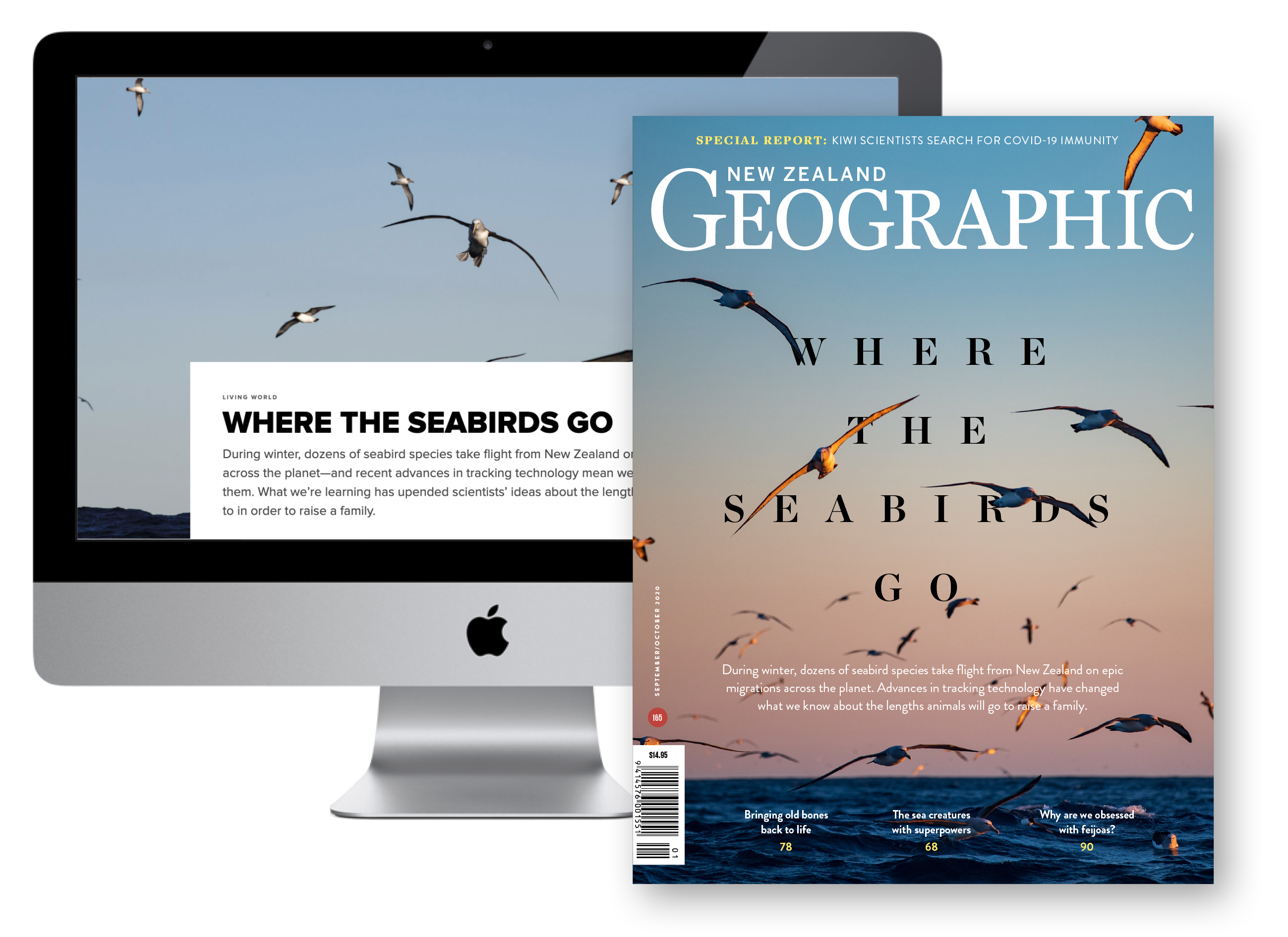
Subscribe and support local journalism
While advertising and retail income goes up and down, it is subscriptions from readers like you that power long-term journalism projects from around New Zealand and help us keep the lights on.
It's not as much as you think—$8.50 every two months for digital, $12 for print or $16.50 for both... a gold coin a week. Check out the options.
|
|
|
|