|
| |
Who’s got your vote for Bird of the Century?
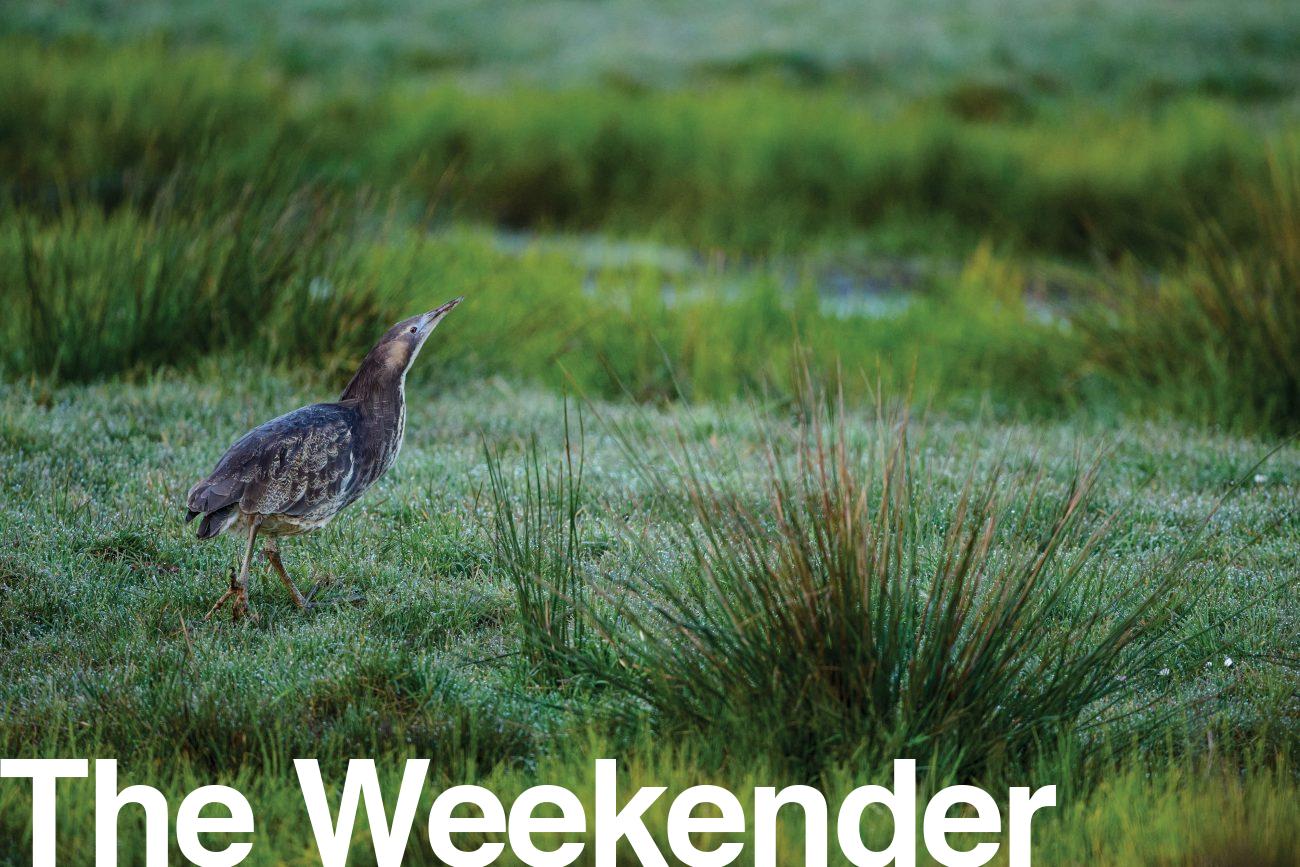
We’ve spent a long time trying to bring you this story on one of New Zealand’s strangest birds. Five years, in fact. The problem was, bitterns are in such trouble—and they are such masters of camouflage—that we couldn’t find any. Our photographer and journalist heard them years before they saw them: an eerie, booming call that sounds like a lament, a tangi ringing across the marshes.
Why do they deserve your vote in Bird of the Century? Bitterns are shapeshifters: they can hunch up in a kiwi-like ball, or elongate, “like a proper heron”, says Emma Williams, a science advisor at DOC. When they’re recoiling to strike at prey, they adopt what she calls a “dinosaur shape”. “They puff up—their beaks are open and they’ve got mean eyes. Their neck goes from really thin and slender to like a frilled lizard.”
Ellen Rykers brings us the story of these weird birds, and the people keeping an eye on them all over Aotearoa. Keep reading...
|
|
|
| |
Why November 5 should be Parihaka Day
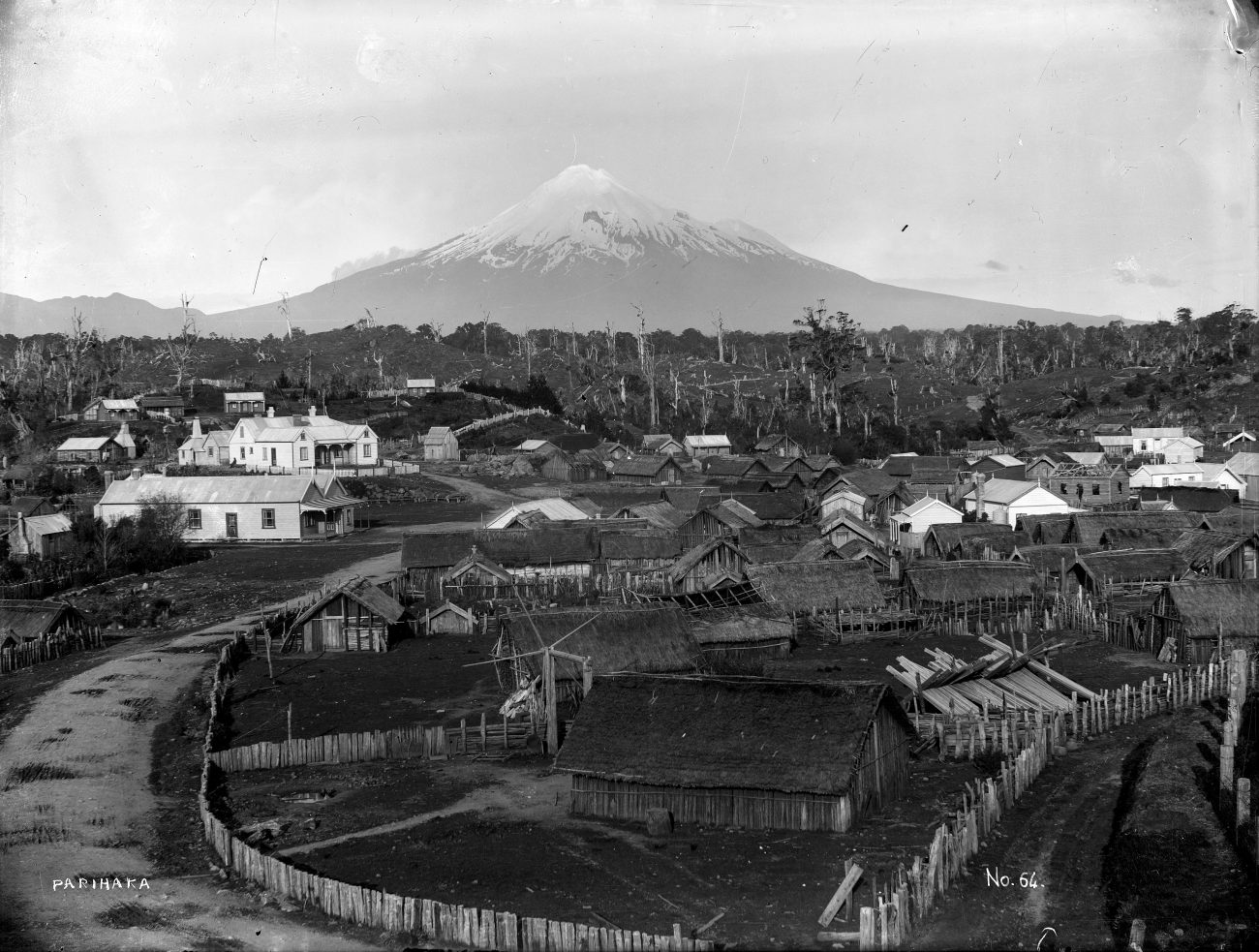
On November 5, 1881, close to 1000 volunteers and 500 members of the Armed Constabulary marched on Parihaka, a Māori pacifist community in Taranaki. The community was destroyed, and its leaders, Te Whiti o Rongomai and Tohu Kākahi, were imprisoned without trial.
The sacking of Parihaka remains one of New Zealand history’s most deplorable acts. Which makes it worth commemorating, writes New Zealand Geographic’s founding editor, Kennedy Warne.
“Parihaka is about the rejection of war as a political strategy,” writes Warne. “It speaks powerfully of a moral alternative to violence. A Parihaka celebration could focus attention on the many shared values of peace, equality and nonviolence that arise from that history.”
What happened in the lead-up to November 5, 1881? Warne takes a deep dive into the events of Parihaka and its Gandhi-like leader, Te Whiti, who advocated for non-violent resistance to injustice. Keep reading...
|
|
|
| |
New issue out now!
The new issue of New Zealand Geographic includes the story on bitterns which took five years to photograph and a feature from our oceans team on a new technique to harvest and fatten urchins from kina barrens. We have a story on the search and rescue dogs helping the LandSAR teams and visit New Zealand's ploughing championships in Otago where old technology meets new in the quest for the straightest furrow. You can subscribe for both digital access and print versions of New Zealand Geographic (or both). It's not as much as you think—$8.50 every two months for digital, $12 for print or $16.50 for both... a gold coin a week. Check out the options.
|
|
|
|
| |
Behind the scenes: our hunt for bitterns
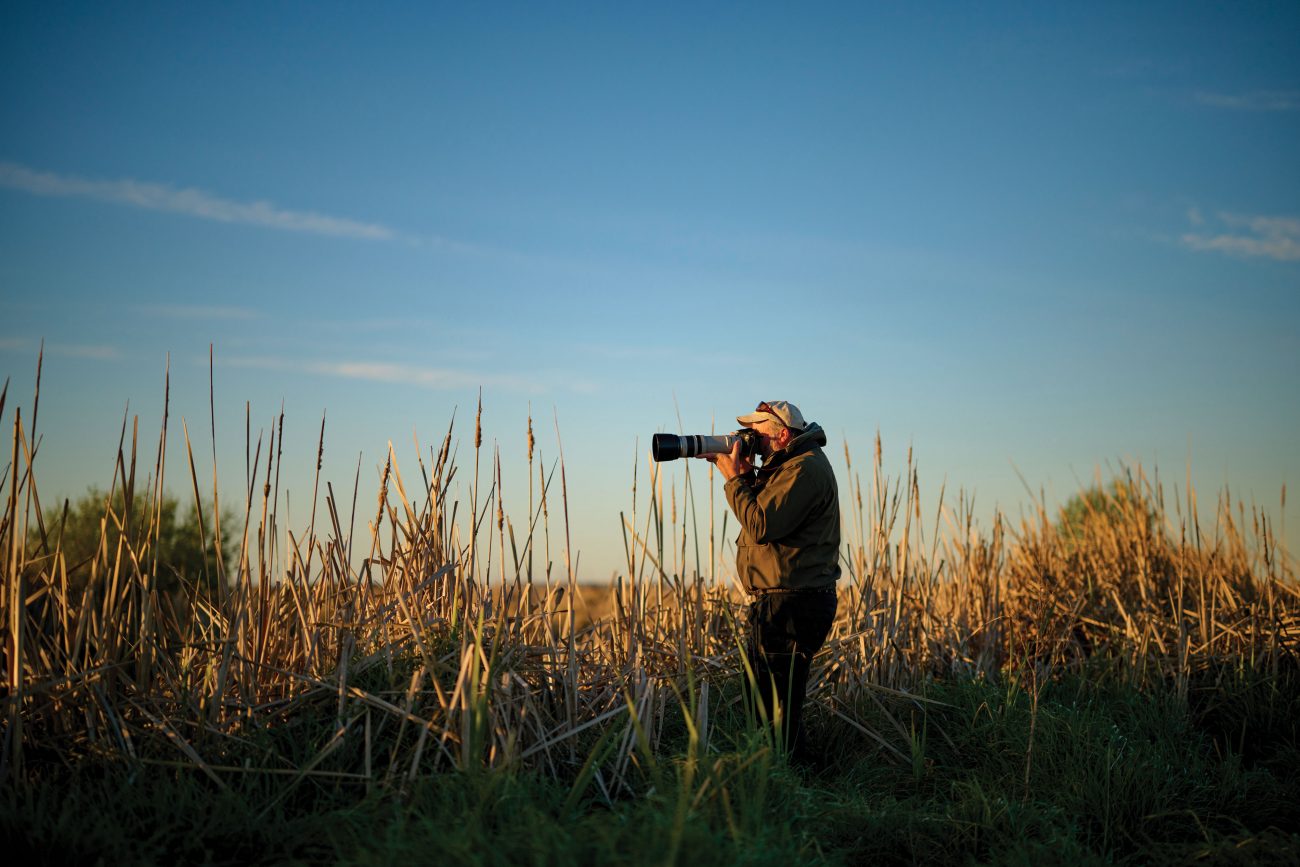
Even by avian standards, bitterns are wickedly shy. They’re quick, too, and very good at vamoosing in the raupō wetlands they favour. Their camouflage is such that even if an exceptionally brazen bittern stalked up and stood right in front of you, you might not see it. “People who’ve managed to photograph one are pretty happy about it,” said Craig McKenzie, who took on the tough assignment of shooting a whole feature’s worth of frames. In 20 years of photographing New Zealand birds McKenzie had only seen a single bittern.
Peter Langlands, pictured above, says bitterns are beautiful to photograph, with their “angular form, dagger beak and long legs”. But he also hopes capturing photos will serve a practical purpose, allowing identification of individuals by their unique plumage pattern. Keep reading...
|
|
|