|
| |
Force of nature
New Zealand's tsunami risk is at least as high as our earthquake risk. About 80 per cent of tsunami follow an earthquake, while others are triggered by underwater volcanic eruptions or landslides.
Since 1840, about ten tsunami with waves higher than five metres have struck New Zealand. No part of the coastline is out of danger, but the North Island’s east coast faces the largest risk—and this is because of a long faultline that runs beneath the ocean floor. Keep reading...
|
|
|
| |
What Kaikōura taught us about Wellington
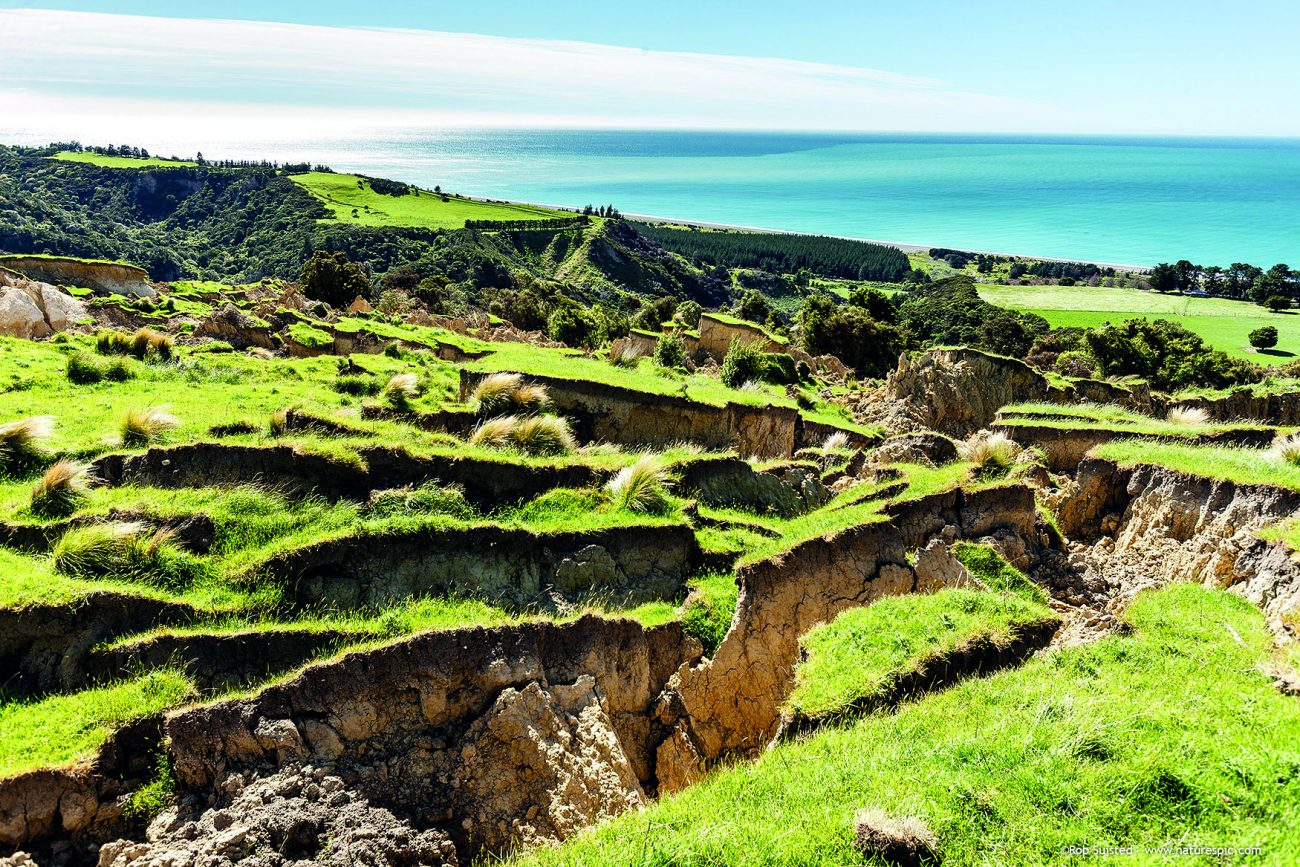
This Sunday marks the four year anniversary of the destructive 7.8 magnitude Kaikōura earthquake. Earthquakes are brutal teachers and there were plenty of lessons for Wellington. While the epicentre was in Kaikōura, the earthquake behaved unusually, moving along at least five separate faults and extending around 150 kilometres up the east coast of the South Island. That meant its extraordinary release of energy was much closer to Wellington than Kaikōura and damaged over 40 buildings, one of which was only built in 2005. As Chris Barton wrote: "Our building codes should be pitched less towards meeting minimum standards. Instead they should ask: What do we need to do, in the face of all that nature might throw at it, to make this building endure for more than 100 years?" Keep reading...
|
|
|
| |
How to fix: electricity emissions
In January 2019, the future turned up in Tasman. New Zealand’s fourth-warmest year kicked off with a drought, and just a month later, firefighters were battling the biggest wildfire in the country’s history at Pigeon Valley. The air in Hawke’s Bay and the Bay of Plenty was 1.2ºC warmer than usual, and Tauranga went 39 days without rain. As drought dragged on into winter, farmers switched on their irrigators, and electricity demand from the agricultural sector jumped 11 per cent. Genesis Energy ignited its coal-fired power station at Huntly to make up the shortfall, and New Zealand went on to burn 62 per cent more coal than in the previous year—just to keep the lights on. Keep reading...
|
|
|
| |
Gift NZGeo this Christmas
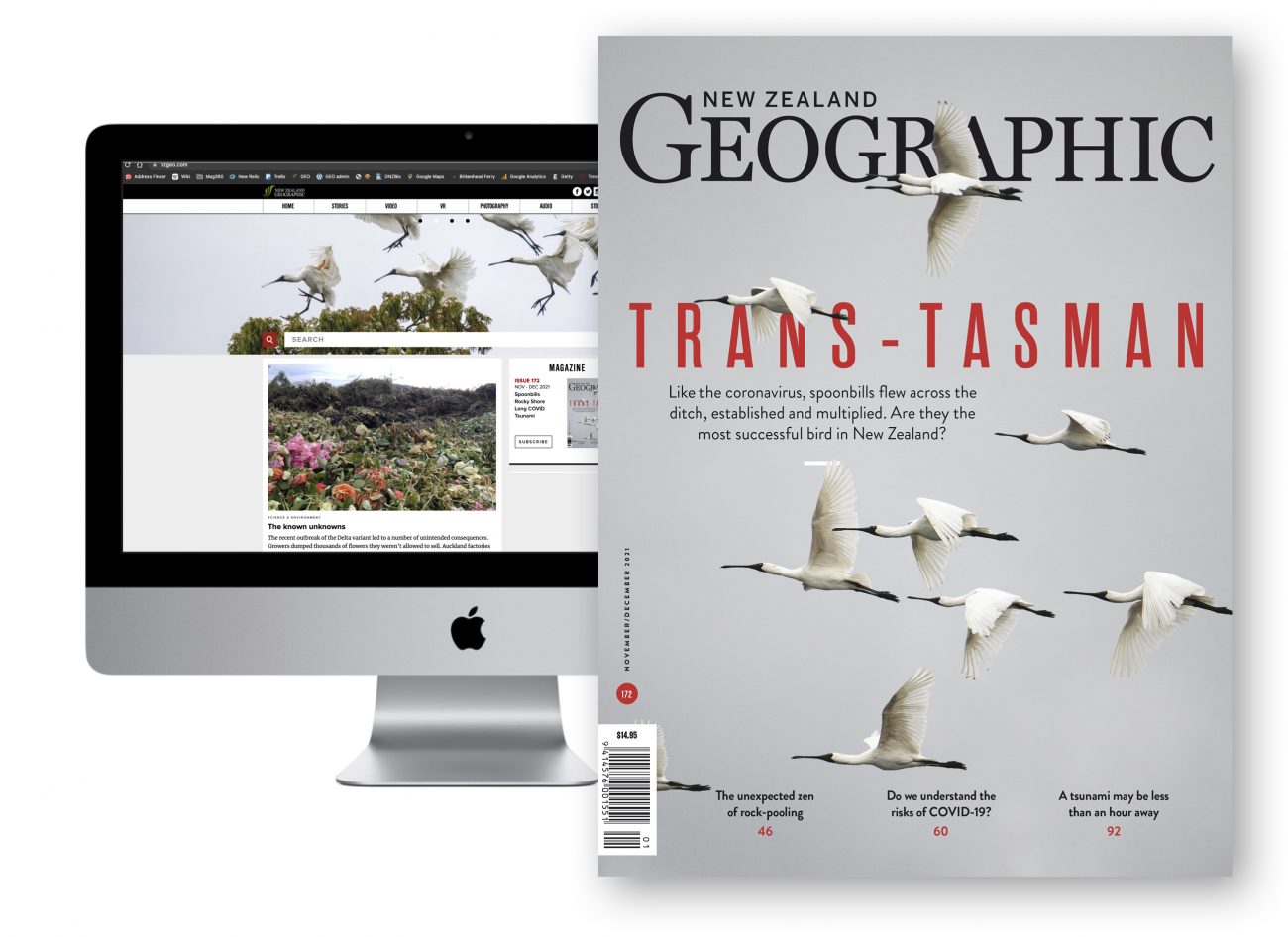
A subscription to New Zealand Geographic is a gift for the whole family, and it arrives six times a year! The donor's name is even printed on the address sheet. You can choose to start with the Jan/Feb issue—which comes with a free calendar—arriving either before or after Christmas, or you can ship the issue to your own address to pass on personally on Christmas day. All the options are in the NZGeo store. Alternatively give us a bell on 0800 782436 during business hours and we'll help. Check out the options >
|
|
|
|
| |
Wild Work: Cultivating change
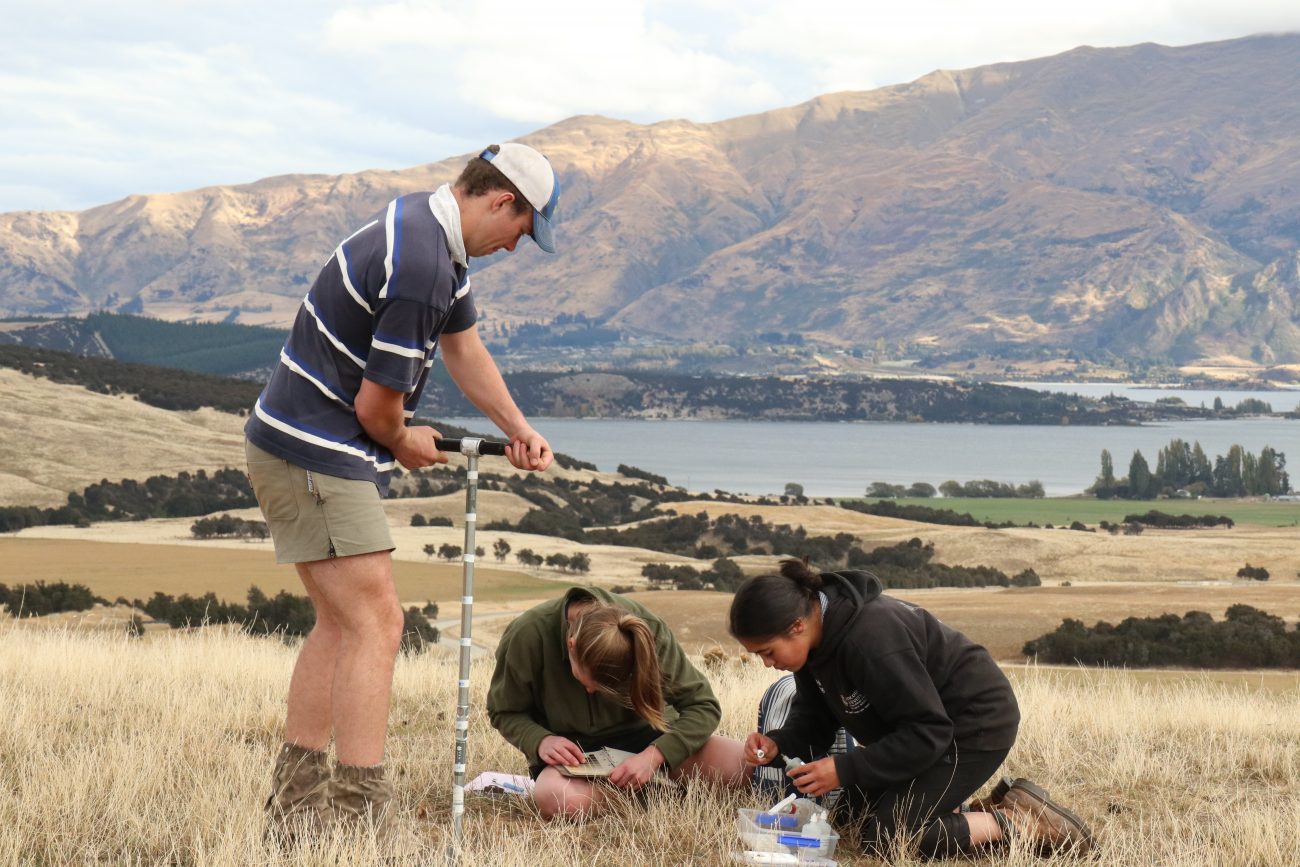
From instructors to scientists, guides to field technicians, there is meaningful work in the environment, and new courses and qualifications available from New Zealand’s leading tertiary institutions for those hoping to protect it. New Zealand Geographic's Wild Work showcase has surveyed some of the best, like Lincoln University. Its programmes range from a highly practical diploma to bachelor’s degrees covering environmental science, management, planning and policy, and conservation and ecology. Specialist postgraduate and masters options in environmental studies are also available. Keep reading...
|
|
|
| |
Gruesome bounty
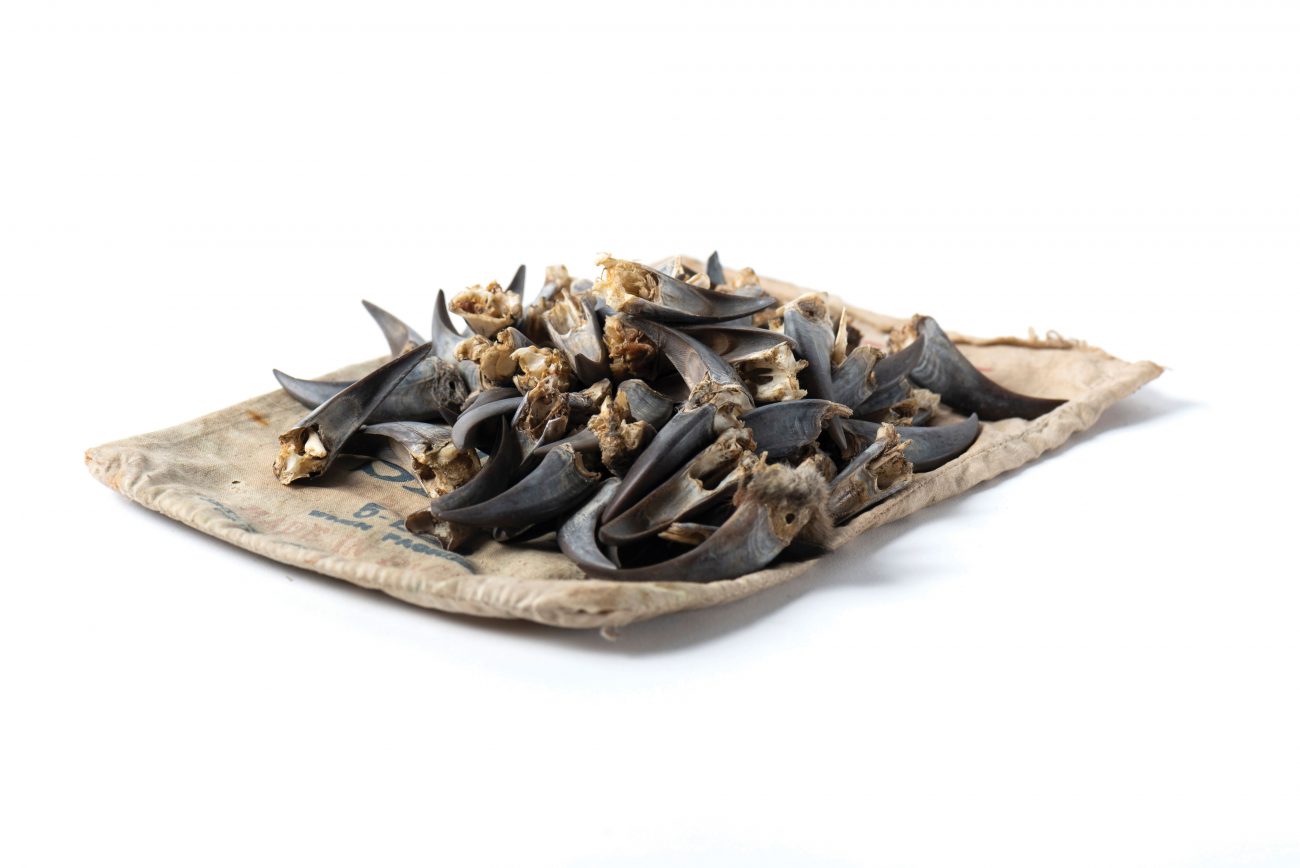
When the 70 kea beaks slide out of the ancient cloth salt bag onto a table in the Otago Museum, they jingle like a sack full of money. It’s appropriate, because for a century, that’s pretty much what they were.
Between 1867 and 1970, anyone could walk into any county clerk’s office in the South Island, dump some severed kea beaks on the desk and walk away with a cash reward. Some hunters handed in a string of kea heads threaded onto a wire like a macabre necklace. Keep reading...
|
|
|
| |
Bruce finds a solution
A disabled kea named Bruce has come up with his own tool for preening himself. Researchers gathered multiple lines of evidence to show the bird was selecting pebbles for use as a tool for self-care—the first time this has ever been observed in a parrot. Keep reading...
|
|
|
| |
Better Ancestors: Counting carbon
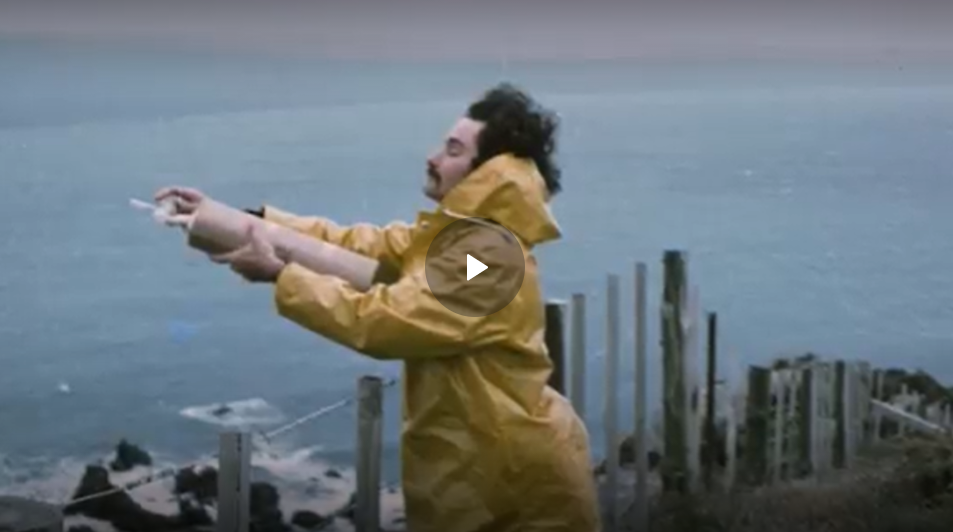
For the past two weeks, the world's leaders have been focusing on climate change at COP26 in Glasgow, but Dave Lowe's journey with the atmosphere began in 1970 as a 23-year-old physics graduate, where he made the first measurements of carbon dioxide levels in New Zealand. The data he collected at Baring Head became an important part of David Keeling’s research into the seasonal changes of carbon dioxide levels in the atmosphere – and, due to the steadily increasing levels he charted over the years, an inescapable record of what humans were doing to the planet. “I think everyone’s aware now that the climate is changing very rapidly, but this is a horror I’ve had to live with for over 50 years,” Lowe says. So can we turn the tide? “The thing that Covid-19 has taught us was that when there’s an existential threat that’s in your face, human beings can collectively get up and do some remarkable things. And in the same way, human beings can get to grips with global heating and dramatically reduce carbon emissions. We know how to do this.” Watch the video...
|
|
 |
|