|
Solutions to some of our most pressing problems have been waving at us from under the sea, all along.
|
The Weekender |

|
|
|
Free newsletter
|
MAY 9, 2025
|
|

|
Publisher |
|
New Zealand Geographic has been focused on telling the truth—warts and all—for the past 35 years. But in the context of a climate crisis and a biodiversity crisis, the warts can really pile up. So when there is an opportunity to tell a more positive story that includes an active response to our greatest challenges that can actually work, we seize on it. This time, hope springs from an unusual source: seaweed. There are a multitude of uses. Small amounts in feedstock can dramatically reduce methane emissions from cattle. It can soak up waste nutrients from aquaculture. Seaweed can be used as a long-term storage vehicle for carbon. And the holdfasts that fasten kelp to the seafloor contain interesting compounds for use in climate tech. Not only can seaweed solve some problems for New Zealand, it can also create some opportunities. |
|
|
|
|
Is journalism about our environment important to you? If so you can support our work with a subscription—either print or digital or both— please check out the options.The more subscribers we have, the more great work we can produce. |
||
|
|
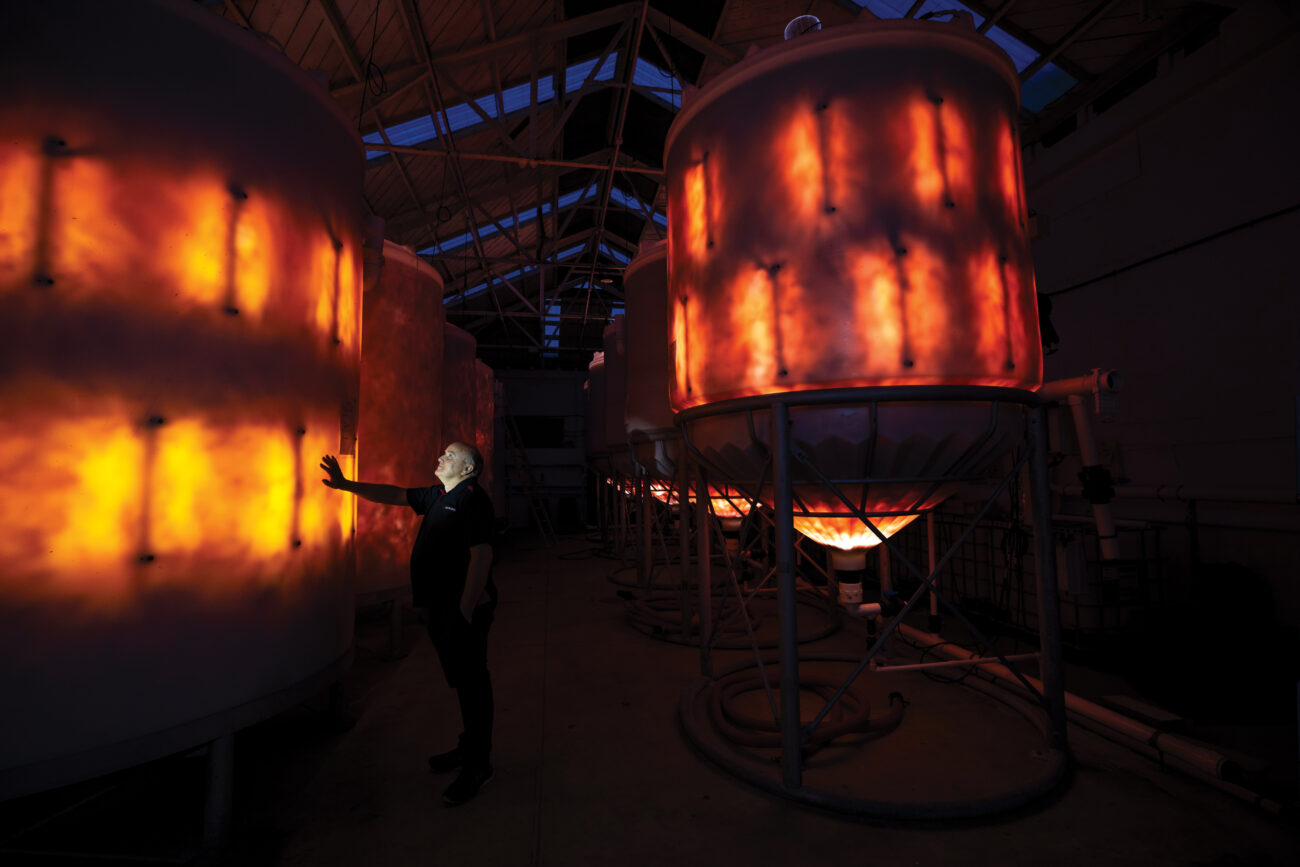
ENVIRONMENT Solutions to some of our most pressing problems have been waving at us from under the sea, all along.At night, the only light in the warehouse comes from row upon row of truck-sized tanks, each lit from within like a gigantic lava lamp. The contents roil, the colours shifting with the movement from burgundy to maroon to gold. I think of gaseous planets, of firestorms on the surface of the sun. But this is not outer space, it’s algae—a species of pretty native seaweed known as Asparagopsis or harpoon weed—and it’s prevented from settling by the constant flow of air pumped through illuminated seawater. For the seaweed, just as for the scientists and entrepreneurs racing to deploy it, there is no staying still. The same species is flourishing naturally just a few hundred metres from here, in the chilly, storm-lashed waters of Foveaux Strait. But the founders of the company I’m visiting, CH4 Global, are convinced the world needs more Asparagopsis than nature can provide, so they’re farming it. Here in Bluff, and in other aquaculture outfits and labs around the world, seaweed, and the many ways in which it might help save the planet, is having a moment. Some scientists are focused on what seaweed can store—carbon—and they’re trying to find ways to measure and manipulate that. In Queensland, seaweed is showing promise as a cleaner: gobbling up waste nutrients in land-based fish and prawn farms, before the water is discharged back to sea. (The algae themselves are then turned into a “plant juice” that is great for growing sugarcane roots.) Scientists in New Zealand are testing whether seaweed might help mop up waste from salmon farming, or clean rivers drenched in farming runoff. Other researchers are more interested in getting at the stuff inside all those slippery stems, fringed fronds, and grippy holdfasts. In the US, scientists are investigating whether some of the rare-earth metals we need to build cleaner technology could come from seaweeds, rather than mining the fragile sea floor. Perhaps most encouragingly, we’re learning that seaweeds contain a vast array of powerful compounds that form nowhere else—and might just help us solve some of agriculture’s biggest problems. Scientists are not often given to gushing. But right now, on seaweed, they’re ebullient. “Very exciting,” one told me. “There’s so much unexplored potential.” Another emphasised “major discoveries” that will make “radical and meaningful differences”. We just have to figure out how to grow many, many tonnes of the stuff. |
RELATED STORIES: |
|
|

|
|
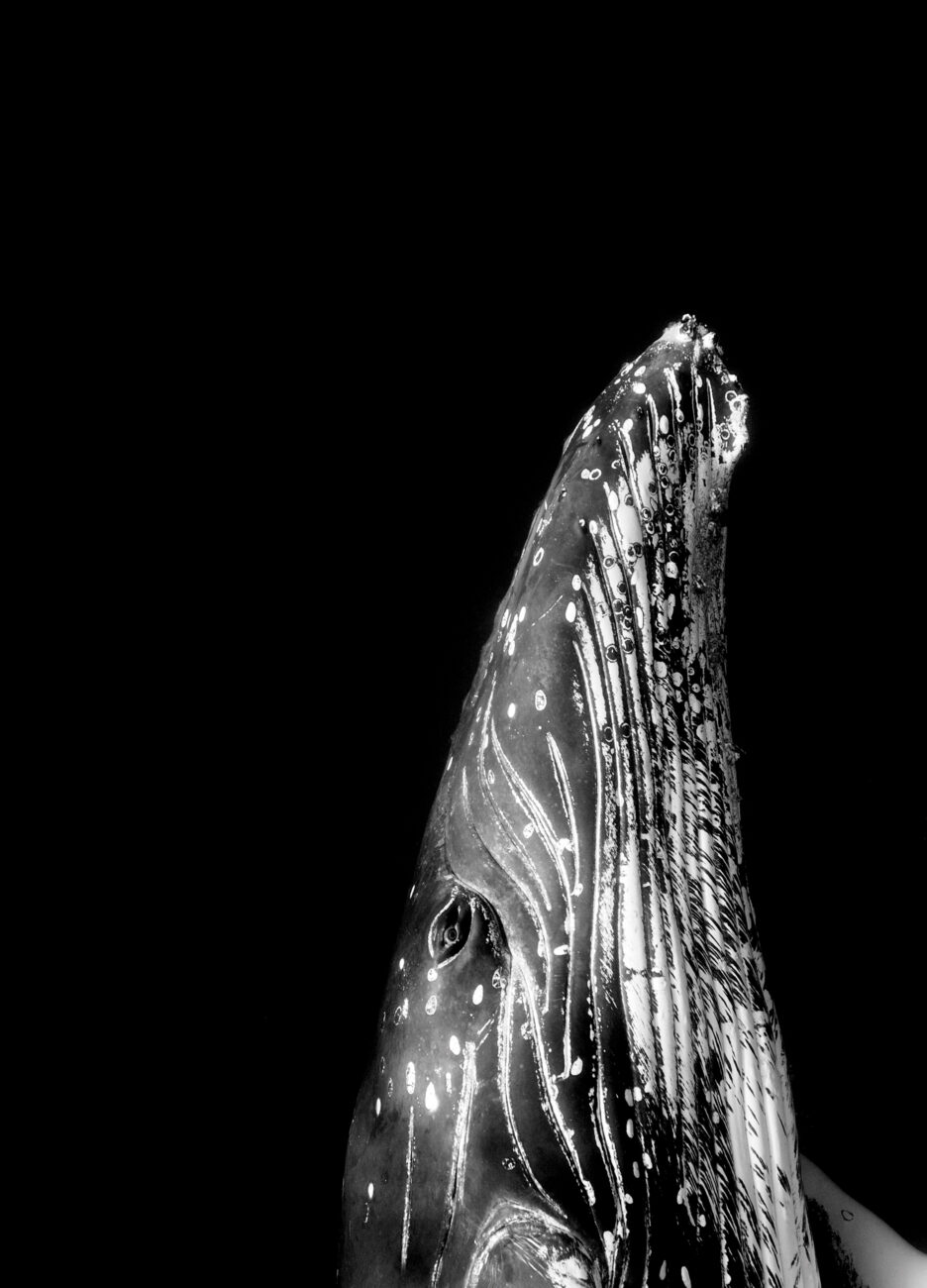
SCIENCE Whales sing more when there’s oodles of food aroundA team based at the Monterey Bay Aquarium Research Institute analysed whalesong picked up on hydrophones in the nutrient-rich seas off California. The first tapes were from 2015, when a marine heatwave was decimating the food web. That year, humpback whales sang on only about one-third of days, but as krill rebounded, followed by another humpback favourite, anchovies, singing picked up accordingly. After six years, the humpbacks were singing on 76 per cent of days. Blue whales and fin whales in the area followed similar patterns, singing more when the sea was brimming with krill. The researchers peeled away other possible variables, but the relationship between food and music stuck. As eating enough to fuel those massive bodies gets easier, the researchers suggest, there’s simply more time for singing. |
|

|
|
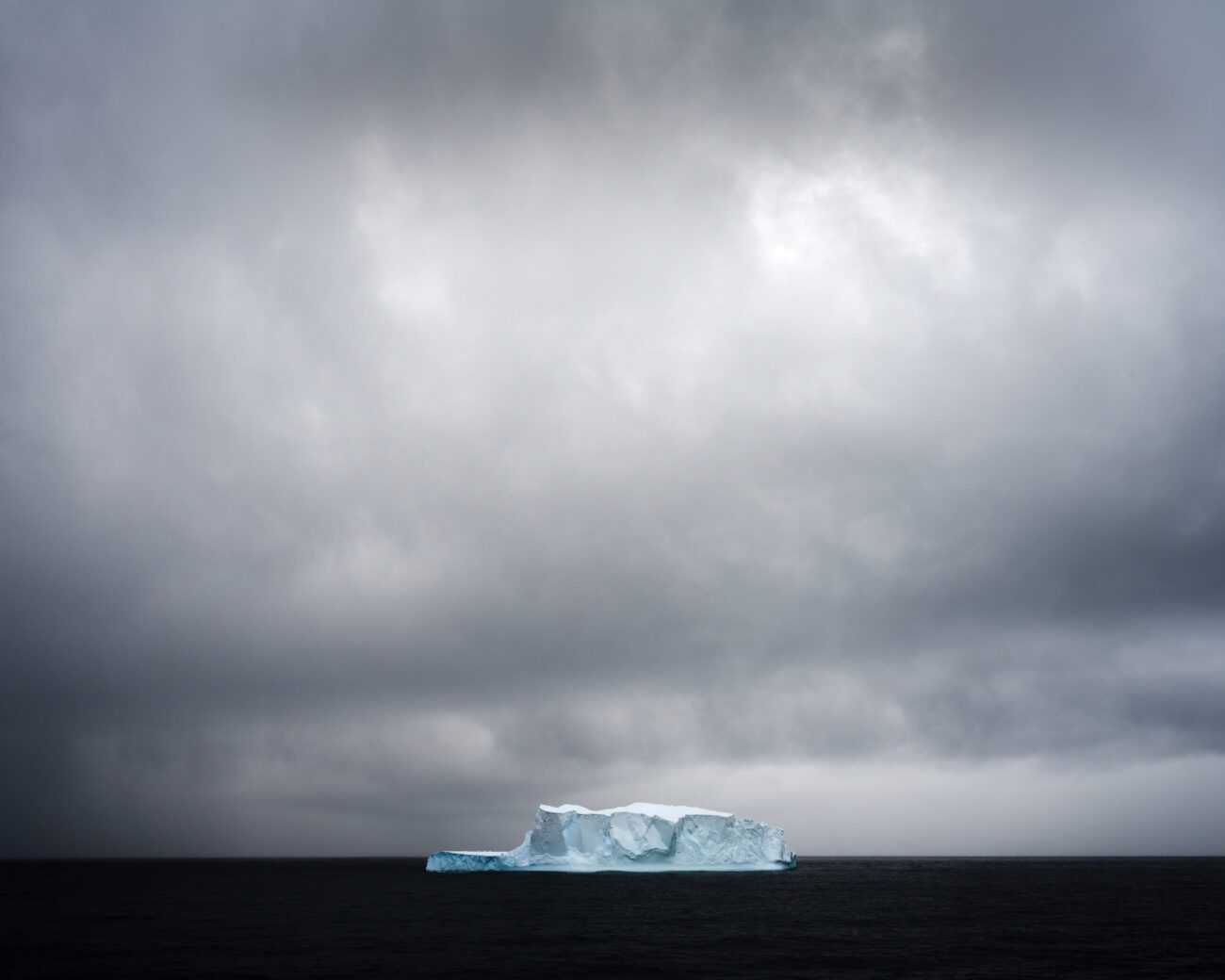
PHOTOGRAPHER OF THE YEAR Cold snapRichard Young, the winner of the wildlife category at last year’s Photographer of the Year awards, took this shot of a lone iceberg in the Ross Sea on a Heritage Expeditions voyage to Antarctica. Once again, Heritage Expeditions is sponsoring the wildlife category at the awards and there’s a $16,500 voyage to the subantarctic Islands on offer for this year’s winner. Enter your best shots at nzgeo.com/photo. Young’s Antarctic work will be exhibited in the Karanga Plaza on the Auckland waterfront as part of Auckland Photography Festival from May 23 – June 12. |
|