|
Your grandad builds a hut in the bush. But he builds it on public land. Should you get to keep it?
|
The Weekender |

|
|
|
Free newsletter
|
May 24, 2024
|
|

|
Publisher |
|
In this Weekender we feature a story by Pete McKenzie about the huts of the Ōrongorongo Valley, which he first visited with his friend Jesse Park while in primary school. Today, hut owners who purchased licenses from the Water Board generations ago are being forced to remove the dwellings, part of a change in public policy. “It’s a part of you,” says Jesse, the grandson of the original hut builder. “If the hut was to go, a part of you goes, too.” It was a boy's own adventure, but only available to those with the gumption to build a hut, or their readily invited guests. The battle for the Ōrongorongo huts is an interesting reflection of changing attitudes to conservation land in New Zealand—not necessarily better or worse, just different. |
|
|
If you enjoy local New Zealand journalism like this, the best way to support it is by subscribing. Digital subscriptions work out at barely a dollar a week, but we also publish a print mag for those who, like me, find reading more engrossing and relaxing on paper. |
|
|
|
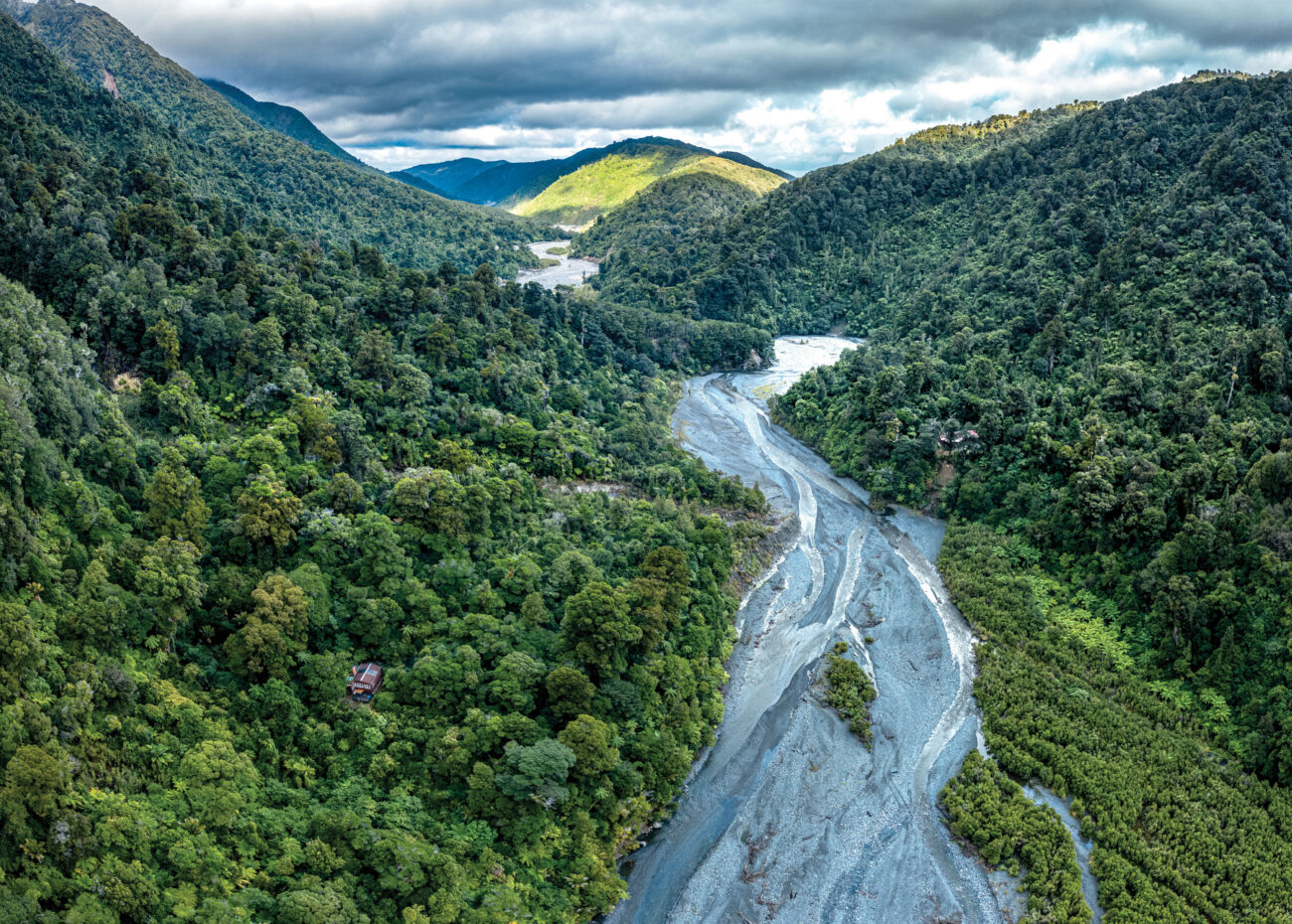
WILDERNESS Your grandad builds a hut in the bush. But he builds it on public land. Should you get to keep it?If you stand atop Wellington’s hills and look east across the harbour, you will see a series of ridgelines painted against the sky, each bleeding into the other like watercolour brushstrokes as they darken the horizon. Over the last of those mountainous folds is the Ōrongorongo Valley. It has long been a hiding place, a place to which people escape. A stream of trampers began making use of the valley: schoolboys in search of adventure, members of Wellington’s nascent hiking clubs, and bored civil servants looking for a quiet weekend retreat. Many began approaching the Water Board for a licence to build their own hut, which it granted for a pound a year. |
MORE STORIES ABOUT GOING BUSH |
|

|

|
AVIAN FLU Waiting in the wingsToday, Australia confirmed its first human case of H5N1 bird flu, reported RNZ. The virus, which has been spreading among wild birds and poultry, could potentially evolve to spread easily among humans. “We need to use this opportunity now as we never know the timing of the next pandemic,” says Professor Michael Baker. Should H5N1 continue infecting humans, person-to-person transmission will eventually occur, potentially triggering another influenza pandemic. In the meantime, however, it is already affecting populations of wild birds. The Department of Conservation is trialling vaccination of some native species—including kākāriki, kakī (black stilt), kākāpō and takahē—for fear it will arrive in New Zealand. “Until this change in the disease, our geographical isolation had protected us,” says Mary van Andel from MPI. “But that doesn’t appear to be something that we can count on any more.” |
|
|
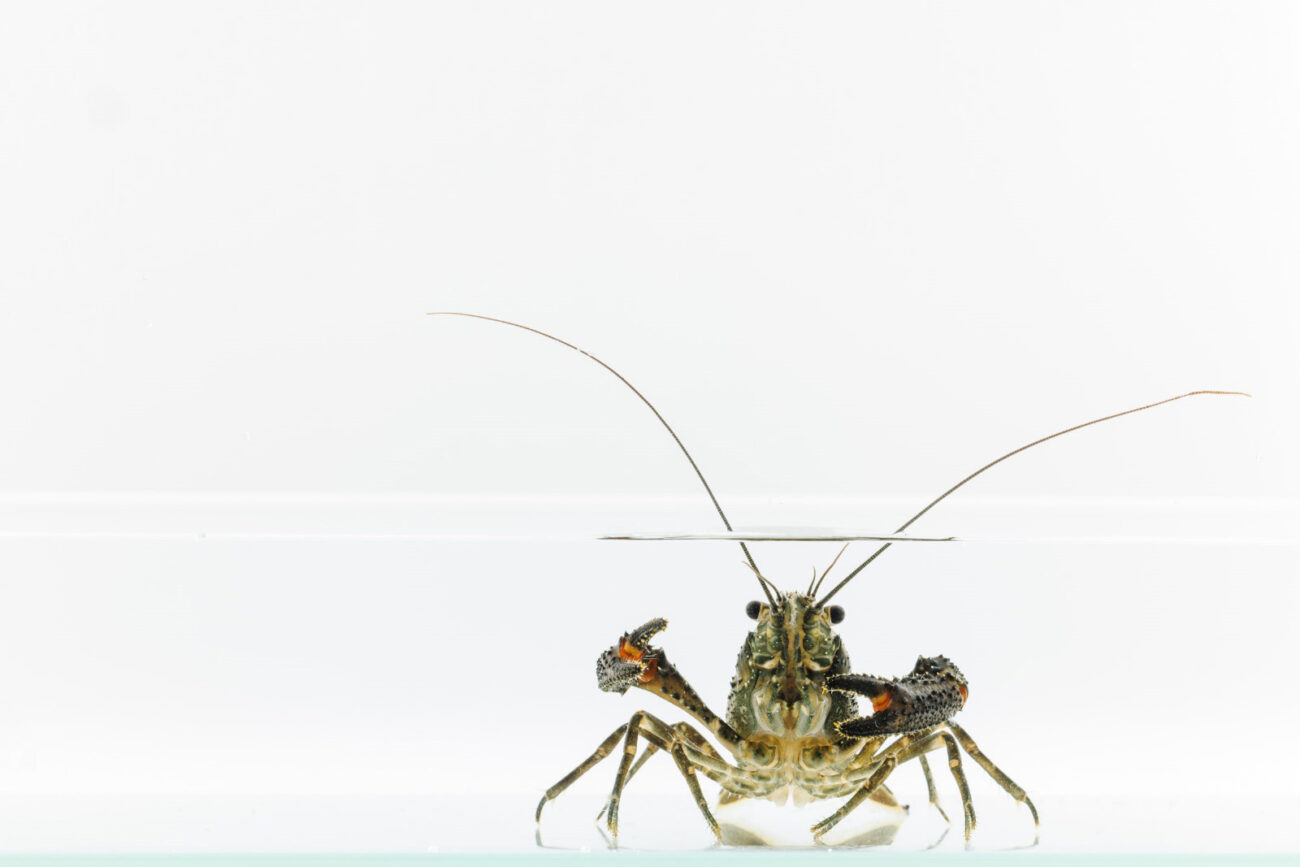
COMING UP How to photograph a crayfishWhile you are enjoying our current stories, New Zealand Geographic contributors are hard at work pulling together words and pictures for the next, and the one after that. Right now, photographer Richard Robinson has half a dozen kōura, freshwater crayfish, living in tanks in his hotel room in Winton. By day he photographs them in mucky inland lakes, but by night he dotes on them and feeds them, chats to them, and—every now and again—pops one in a polystyrene fish bin to photograph it. The fish bin affords diffuse studio lighting unavailable in the wild and allows for their personality to emerge. "They're tenacious little things," he says. "When they see you wander into their lake they come running up to you with their claws out. They'd take on anything." |
|

|
PARTNER CONTENT Biodiversity, climate and usWe are in the midst of a biodiversity crisis. Much of our flora and fauna is unique and regular environmental reporting shows that it is declining. We now have 4000 or so species threatened or at risk of extinction. |
|