|
| |
How to fix the Hauraki Gulf
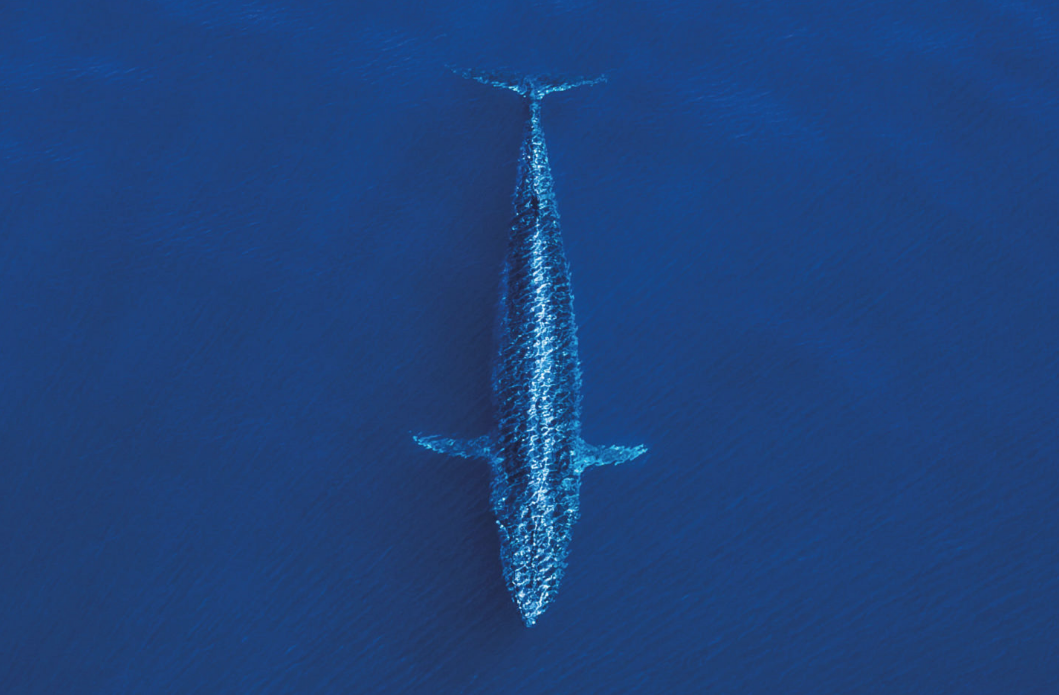
You might be forgiven for thinking plastic straws or beach litter stole the soul of the Hauraki Gulf. But you could remove every nanoparticle of plastic from the gulf and it would die all the same. Its major problems are far more basic—they have to do with what we take out, and what we put in.
Only four of the most commonly caught fish in the gulf are at or near sustainable levels because—please brace yourself for a dose of the obvious—we ate them.
Or we sold them for others to eat. Crayfish are functionally extinct in the gulf because we tore them out of their rocky crevices and boiled them. There isn’t much in the sea because, generation after generation, we took it all out. Here's how we can fix it...
|
|
|
|
| |
Ghosts of summer: Our vibrant native butterflies
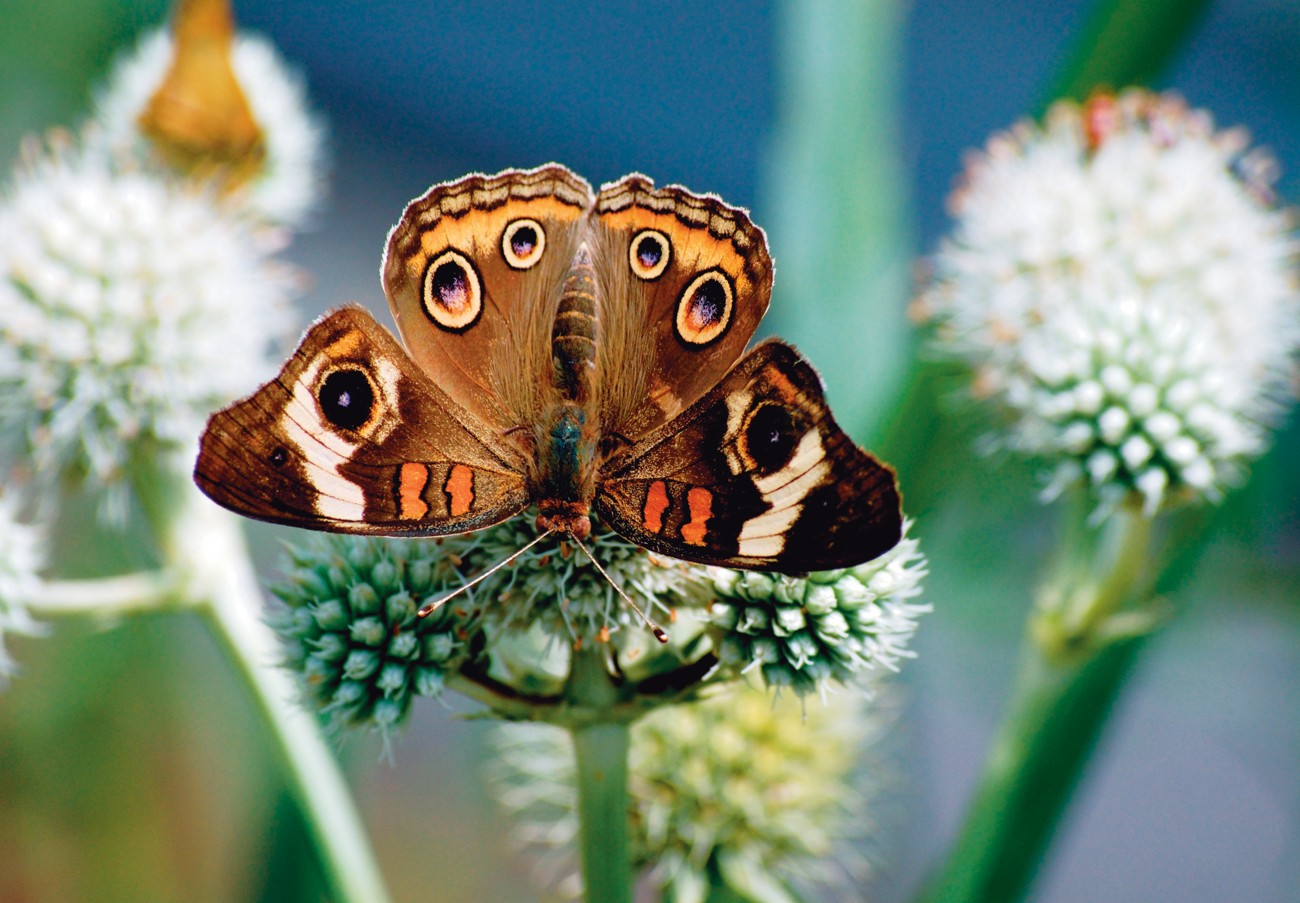
"Butterflies don’t want everything all neat and tidy. They prefer things unkempt,” says Brian Patrick. His unruly garden is annoying his neighbours in Alexandra. “We have to leave a few wild corners… marginal habitats, roadsides, fallow paddocks.” According to Patrick, a manicured lawn is the enemy of our butterfly populations, and if he had his way, every garden would boast stinging nettle for admiral butterflies to feed and grow on, or a patch of “wild cabbages” for the introduced cabbage white; ironically, he says, “the only butterfly people might be familiar with”.
New Zealand has about 20 species of butterfly: most of us would recognise only one or two. Here's a look at the rest of them...
|
|
|
|