|
We're in construction mode now.
|
The Weekender |

|
|
|
Free newsletter
|
MARCH 22, 2024
|
|
 |
Senior editor, digital |
|
I’ve spent the past week writing about a new law-to-be that will erase most environmental protections standing in the way of big developments. It’s designed to enable projects that aren’t allowed under current law: we’re probably talking mines, wind farms, fish farms, dams, housing, roads. I say “probably” because the actual projects in question are a secret. The more I looked into it, the worse it got. The bill ignores climate impacts and water protections. After April 19, the public will have no say on it, even though we don’t know what the projects are. The journalist Rod Oram, who died suddenly this week, wrote New Zealand a prescription for the future in his final column for Newsroom. He didn’t know these would be some of his last published words, or how relevant they would become: “The first step is to own up to the crises we’re creating; the second is to admit the failure of our current ways of trying to fix them; and the third is to find ways to discuss, conceive, commit to and achieve rapid and deep systemic change that will give us a future.” This legislation is the opposite of all that. More on it below. |
|
|

|
ENVIRONMENT New bill bypasses environmental laws in favour of developersIf you’d like to build something really big, like a dam, a mine, a road, a subdivision or a wind farm, there are all sorts of approvals you need to get. Wildlife approvals. Conservation approvals. Archaeological approvals. All to answer the question: “What is this project’s cost in environmental terms?” Sometimes the authorities say, “That’s a fine price to pay,” but then an environmental group pops up with, “No, it isn’t!” Then, your lawyers have to fight their lawyers in court, and a judge determines which one of you is right. Now, two ministers, Shane Jones and Chris Bishop, have come up with a plan to avoid this process entirely. If your project is big enough, important enough, or makes enough money, you will only need one approval. A different one. Environmental groups and most of the public will be locked out of the process. Even the Minister for the Environment doesn’t get a say. Which projects? That’s a secret. |
RELATED STORIES |
|

|
SUBSCRIBE TO SUPPORT OUR WORK New Zealand Geographic is a Kiwi-owned family business striving to celebrate and investigate our environment and society. Subscriptions from readers like you that power long-term journalism projects from around New Zealand. It's not as much as you think—$8.50 every two months for digital, $12 for print or $16.50 for both... a gold coin a week. Check out the options. |
||
|
|
|
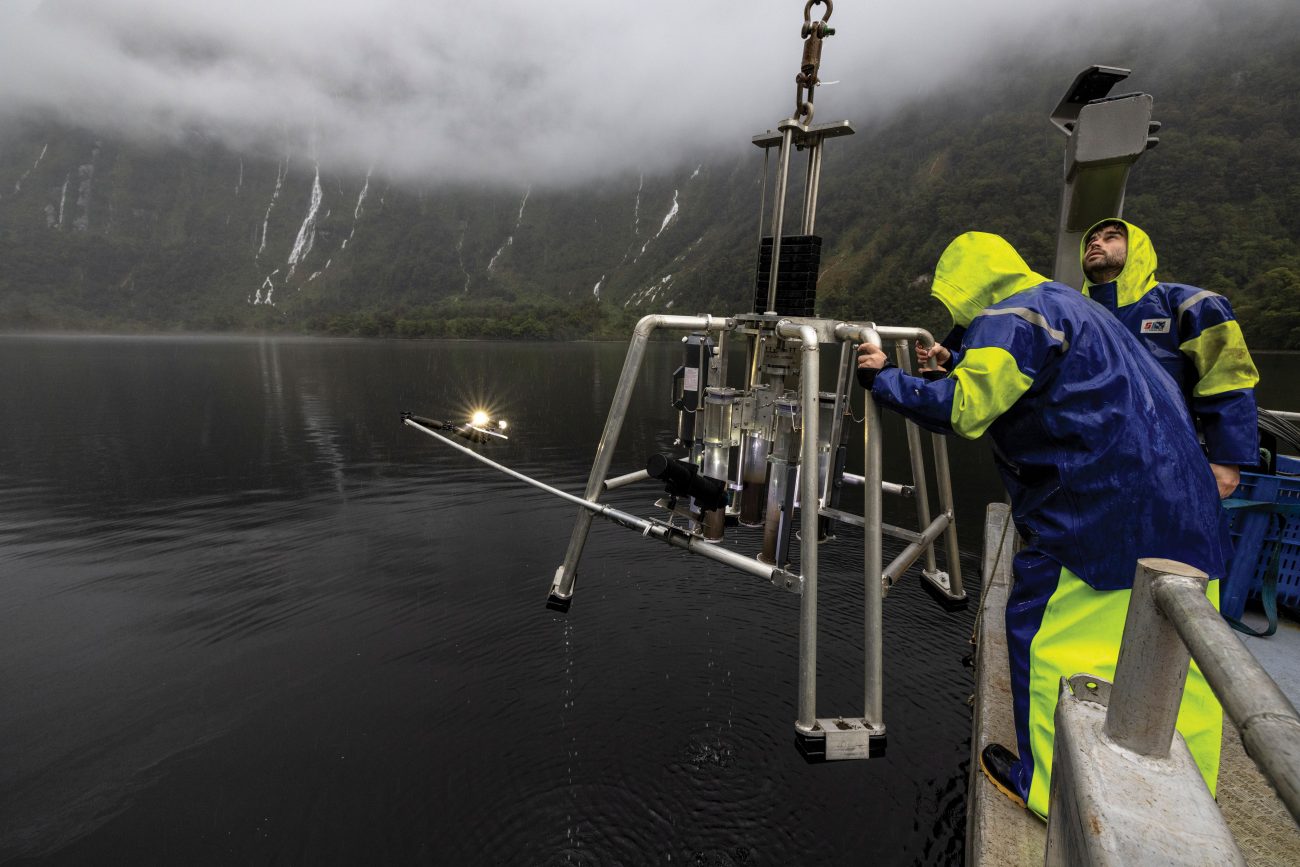
OCEANS Latest podcast episode: Can we store carbon in the sea?With a clank and a shudder, the multicorer shuffles off the University of Otago’s scientific vessel Polaris, splashes into the fiord, and sinks slowly out of sight. Looking like a metal spider or miniature moon-lander, the expensive American-made instrument is a futuristic collection of weights, springs, wires, stainless-steel legs, and transparent plastic cylinders. |
|

|
|
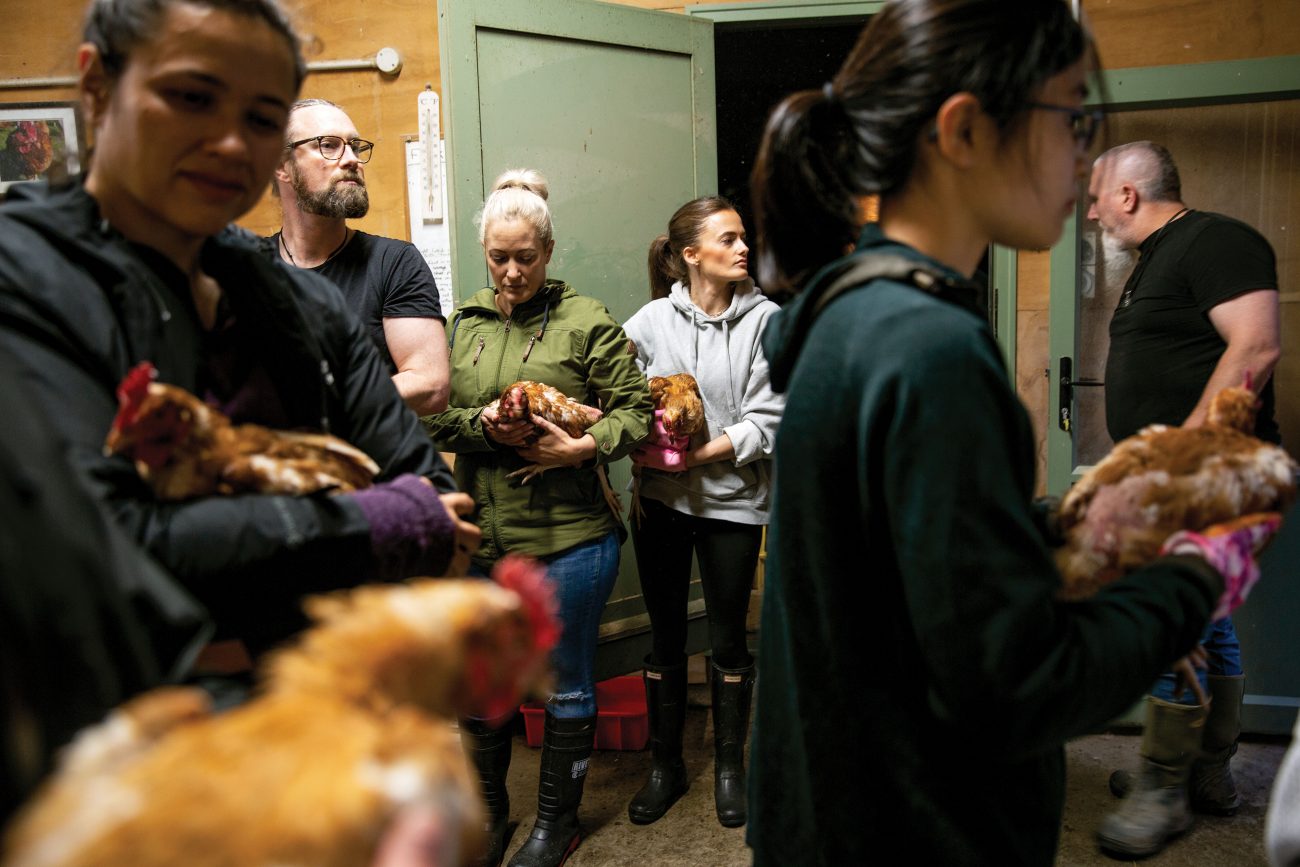
FROM THE LATEST ISSUE Ba-gerk! Egg prices, ethical issues put the spotlight on chickensWhen dusk falls at a free-range egg farm in Maramarua, the feathered ladies of Shed 2 tootle in from the paddocks and put themselves to bed. Like a dormitory matron, the farmer, Donna, dims the lights and before long, the reverberating croon of 2000 chickens turns to silence. Vents on the side of the shed, normally accessible to the outdoors 24 hours a day, are closed tonight. Change is afoot. Although they’re blithely unaware of the fact, the tenure of these chooks as professional egg-layers is about to come to an end. Outside, Operation Chicken Rescue sets up. A mish-mash of hatchbacks, utes and horse floats arrive and a dozen volunteers assemble around Sally Hart, the founder of Franklin Farm Sanctuary. This evening, the team will catch 400 of these chickens, box them up and trundle them away in back seats and trailers. Hart takes us through chicken-handling 101 before pressing play on a Rihanna track. It’s showtime. |