|
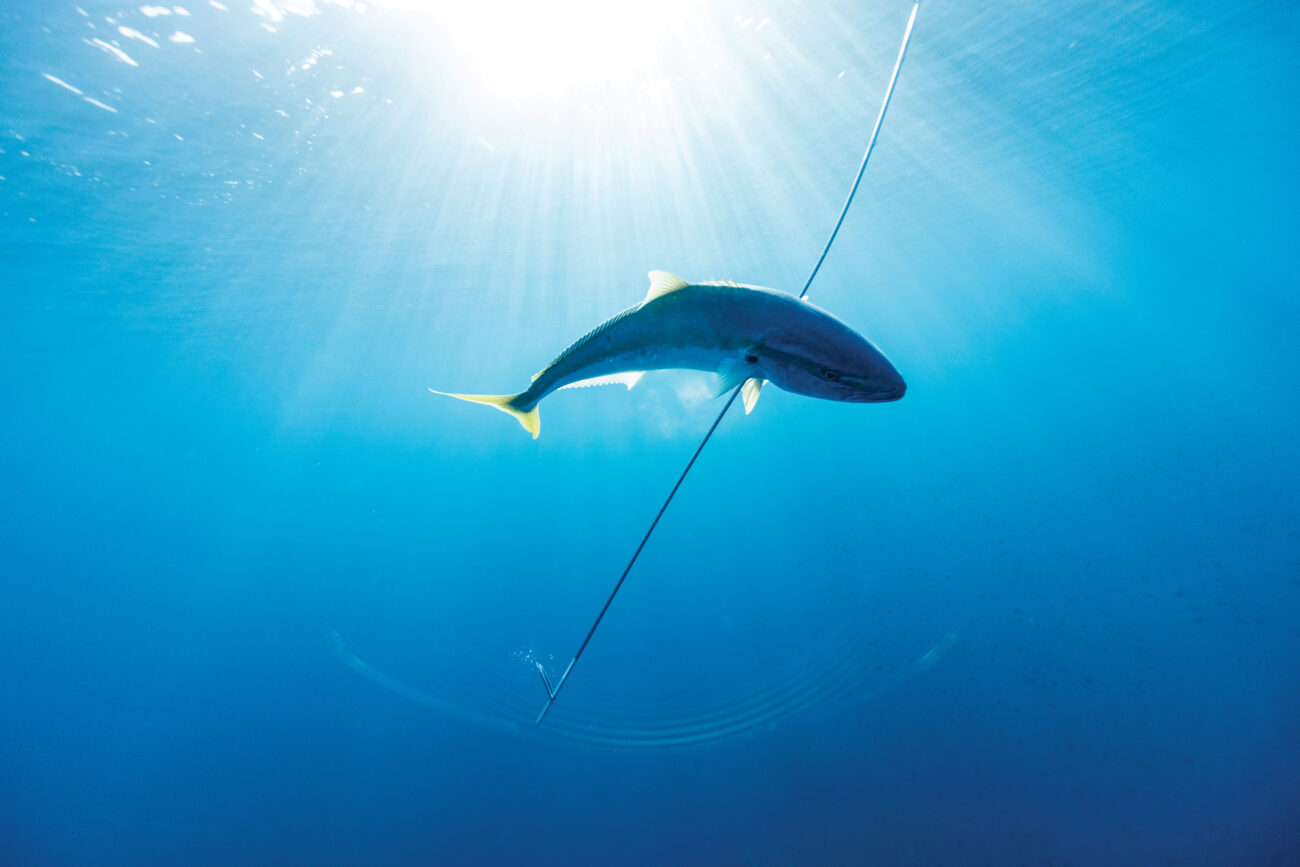
Kingfish are big, and they’re tough, and they fight like hell to stay in the sea. Unfortunately, that just makes us want them more.
|
The Weekender |

|
|
|
Free newsletter
|
MARCH 21, 2025
|
|

|
Publisher |
|
I remember my first kingi. The hand-line I was using to catch kahawai snapped taut and fizzed in my hands... then, shot out wide of the boat's wake, like a waterskier. The weight on the line was incredible for a child, and I struggled to pull it in, hand-over-hand. A few metres from the transom a kingfish launched into the air like a missile, spat the hook, and all went quiet but for my heart beating out of my chest. Fishing and gathering from the sea was one of the privileges of growing up on the edge of the Hauraki Gulf. But over the past 30 years, the hail of white-fronted terns setting siege to a big work-up has become increasingly rare, and my taste for the harvest has diminished accordingly. I don't begrudge others throwing a lure in, but I can't bring myself to do it now. It doesn't bring me the joy it once did. And in this we share culpability. Kingfish are not targeted by commercial fishers, and though commercial catch of 'baitfish' may have a bearing on populations, the downward arc of kingis is an almost uniquely recreational responsibility. Editor Catherine Woulfe explores the fishery in the NZGeo feature below. Over the course of a year, she and photographer Richard Robinson went out with spearfishers to the remote Mokohinau Islands, recorded bronze whalers demolishing kingfish even as they were being reeled in, stalked boat ramps and wharves, spoke to fishers and marine scientists, and carefully constructed a picture, like a mosaic, of the king of fish—powerful and yet waning in the hands of those who love it the most. |
|
|
|
|
Is journalism about our environment important to you? If so you can support our work with a subscription—either print or digital or both— please check out the options.The more subscribers we have, the more great work we can produce. |
||
|
|
WILDLIFE Kingfish are big, they’re tough, and they fight like hell to stay in the sea. Unfortunately, that just makes us want them more.At ten past six on a Saturday, the sea rolls over and sighs. Gulls and swallows cut quick black shapes. Pōhutukawa bow low to the morning. Auckland’s sleeping in, conked out for the long weekend. But on the west coast, Cornwallis is cranking. Twenty-four lines are deployed on the wharf. Against the pink sunrise, a flotilla of kayaks and tinnies bristle with rods. A few people pick their way around the rocks, buckets in hand. I wander down the wharf trying not to look like a fishery officer. There’s a hierarchy. Newbies close to shore. Hard core further out. Blink and you’ll lose your spot. On the most coveted patch, the platform right at the end, presides the king of the wharf. Joel Wihongi, resplendent in black singlet and shorts, has been out here all night catching bait fish in preparation for the tide that’s turning in 20 minutes. Any joy? “No joy,” he says, beaming, reeling in a line. “That’s what fishing’s all about.”He chucks a soggy bit of jack mackerel to the gulls; slots a fresh head on the hook. He really hoped his wife, Carolyn, would be fishing this tide with him. She caught most of the bait fish, but fell asleep in their van an hour ago. Beside his sweet setup—chilly bin, table, deck chairs, stereo tuned to easy-listening Coast—is a bucket of seawater, with two precious jack mackerel swimming tiny laps. He’s saving them for exactly the right moment, for the kingfish riding the full tide. “I don’t care what they say, everyone’s here for a kingi,” Wihongi says. “Because everyone knows they’re here.” He nods down the wharf at two men pulling in a net flapping with tiddlers. “They don’t want to say it, but that’s why they’re catching live bait. I’m using live bait. Yeah, I want one!” |
MORE STORIES ABOUT FISHING: |
|

|
|
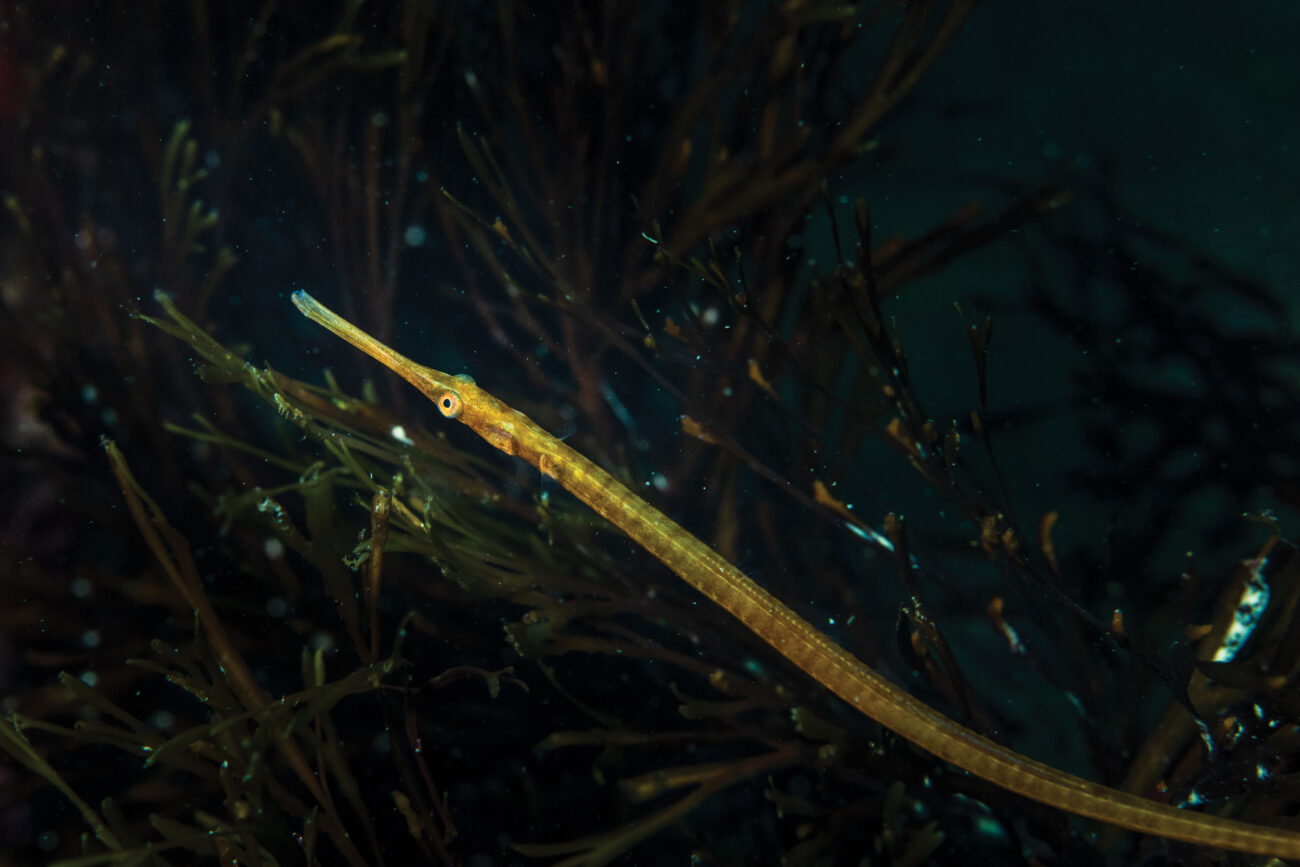
SCIENCE Female Pipefish prefer their mates petiteMale and female dusky pipefish look exactly the same in all but one aspect—males have a pouch for incubating eggs when they get pregnant. But it’s hard to spot, says Coley Tosto, author of a new study investigating what a pipefish thinks is sexy. Tosto, a post-doctoral fellow at the University of Canterbury, caught a couple of hundred pipefish by dragging a makeshift comb attached to a net through seagrass beds. Dusky pipefish are maybe the length of your foot, and they look like a seahorse stretched out into a straight line. “Pipefish are weird for many reasons, but one of them is that they don’t have a stomach,” says Tosto. “It’s just a tube from mouth to anus, and it means that in the wild they’re eating constantly.” |
|
|
|
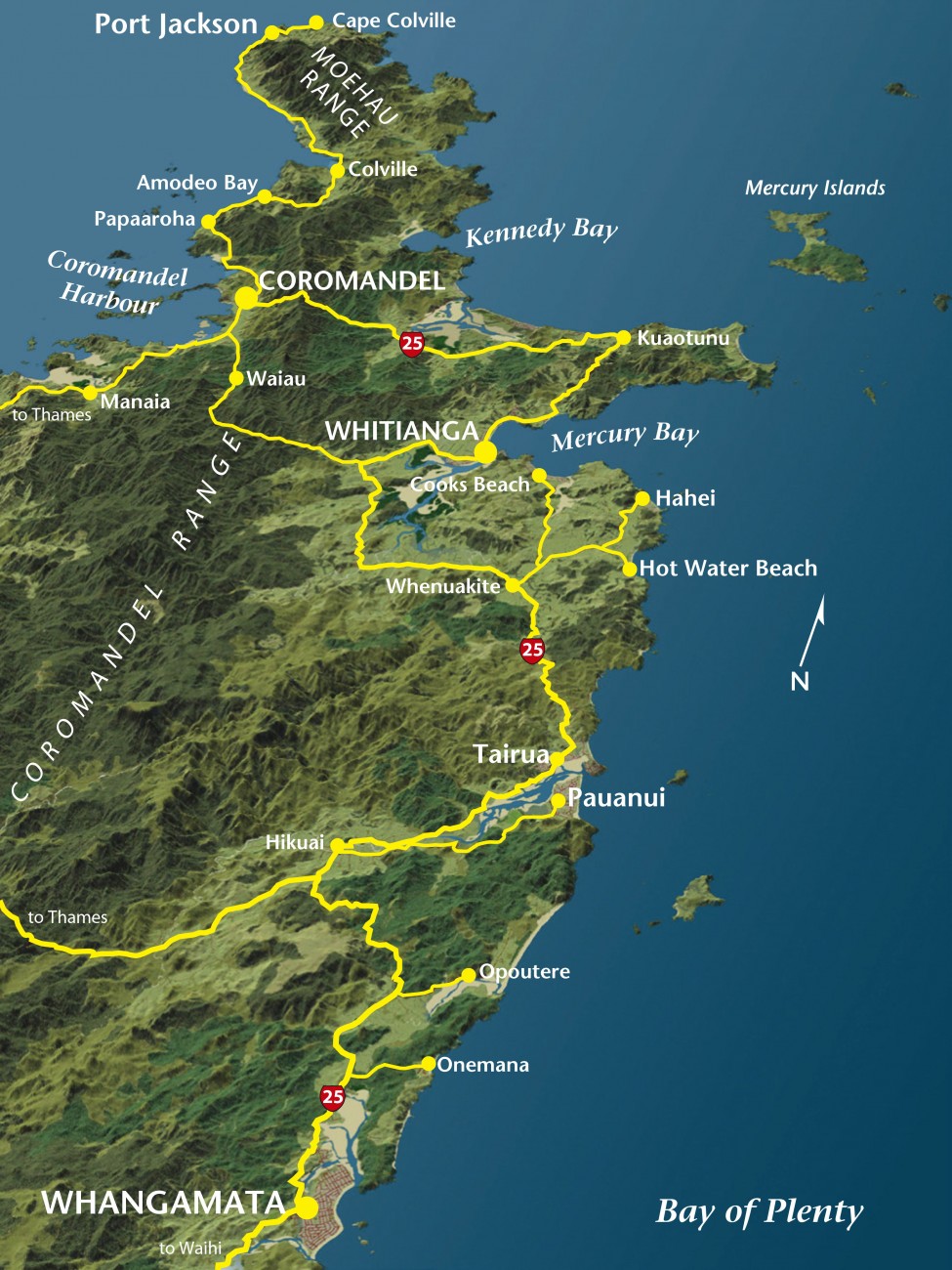
PARTNER CONTENT: TOYOTA Bz4x Great Drives: Whitianga to WhangamatāCalm beaches, surf beaches, hot water beaches ... The short trip between two Coromandel holiday hotspots has something for everyone. |