|
What could possibly go wrong, a history; why fish get to glow in the dark; our newest podcast episode.
|
The Weekender |

|
|
|
Free newsletter
|
MARCH 15, 2024
|
|
 |
Senior editor, digital |
|
In this age of arguments against ‘green tape’ and ‘time-consuming environmental consultation’ I find it helpful to ask, “What could possibly go wrong?” The 1980s, as usual, provides the answer. Back then, the government’s Forest Service thought West Coast forests were pretty pointless—they didn’t make any money. Taking inspiration from the Vietnam War, the Service came up with a cunning plan: bomb trees with a herbicide, such as Agent Orange, then drop napalm to burn them off. New technology to the rescue! After that, the land could be planted with something useful, like pine. What stopped this plan was a hill full of fossils and a handful of people who dedicated themselves to preserving them. If the Forest Service plan had gone ahead, we would be harvesting those pines right about now. Instead, that forest is part of Kahurangi National Park, which is protected—for now. The government has drafted legislation giving two ministers the power to greenlight landscape-scale projects like this one, allowing them to override the judicial system, the Conservation Act, the Wildlife Act, and others. What could possibly go wrong? More on that next week. |
|
|

|
HISTORY What’s the fastest way to clear a forest? Napalm, obviously.Fifty years ago, the government was burning swathes of native forest, using napalm as an accelerant. But under one particular forest was a hill, and under that hill was a system of caves filled with the bones of the dead: moa, giant eagles, tiny songbirds. If the forest went, the fossils would go, too. At the time, the area was under the control of an official known as of the assistant conservator of forests. His purpose was not, in fact, to conserve forests but to ensure the supply of timber for the nation’s needs, and if not that, to make money from them in some way or other. The rainforest of the Ōpārara Basin had never produced a penny. Very well! Now it must pay its way. |
WHAT ELSE COULD POSSIBLY GO WRONG? |
|

|
|
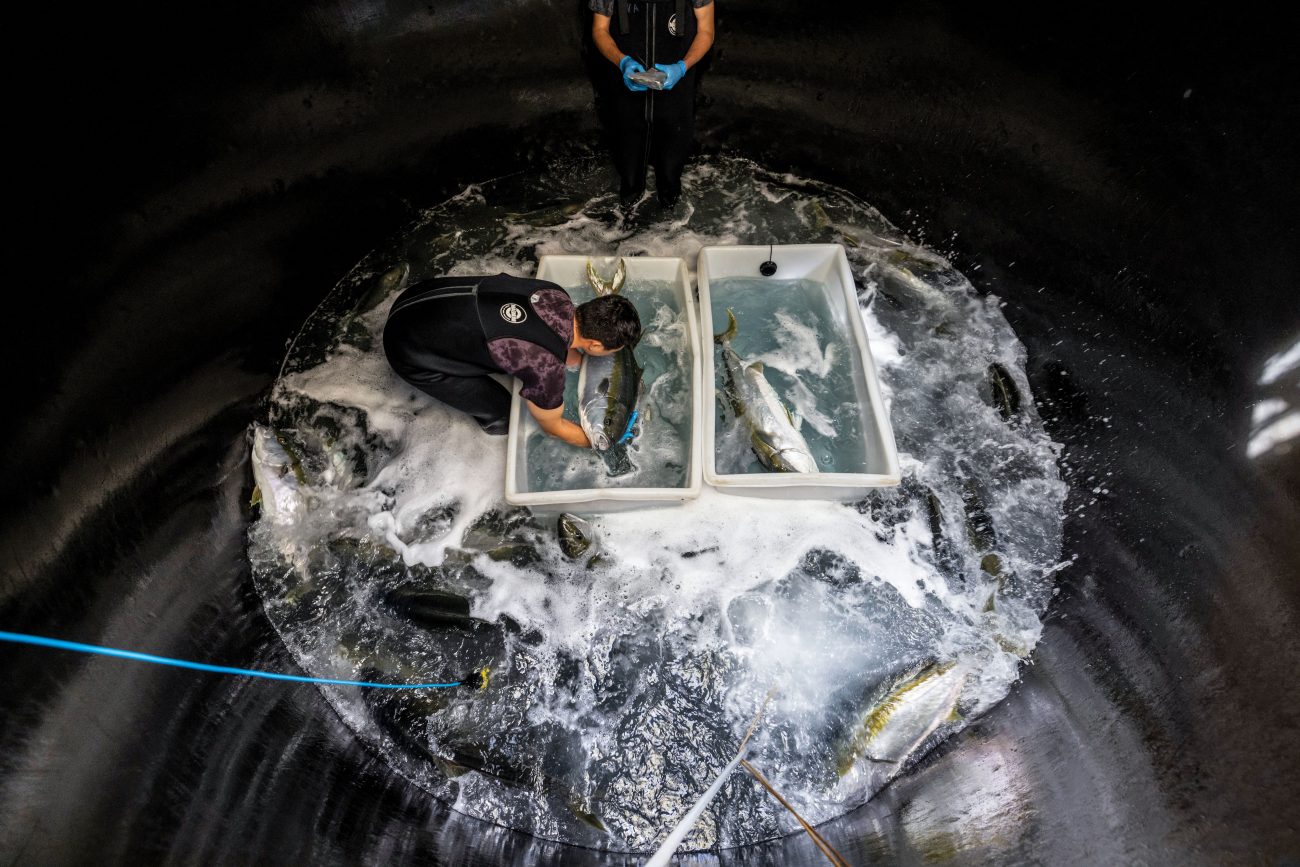
OCEANS Latest podcast episode: can we grow fish on land?It sounds simple, but successfully growing fish entirely on land at commercial scale is practically rocket science. Figuring out how to keep a marine animal alive and thriving at every stage of its complex life cycle—and doing it for a reasonable price—often takes researchers decades to crack, and each species is its own brand of trouble. By 2040, a quarter of the world’s salmon is expected to come from land-based fish farms. But we’re taming treasured native species, too—pāua, kingfish, hāpuku and whitebait—with possible advantages for our diminishing wild stocks. Can it be done sustainably? Humanely? And does it matter if your kaimoana comes from a West Coast estuary or a tank in the old meatworks in Bluff? Listen to the podcast episode here, then read the story here to see photographer Richard Robinson’s pictures. |

|
||
|
SUBSCRIBE TO SUPPORT LOCAL JOURNALISM New Zealand Geographic faces the same pressures as all local media outlets—a decline in advertising, skyrocketing costs, and the unregulated influence of international tech giants. It is subscriptions from readers like you that keep the lights on, and power long-term journalism projects to understand New Zealand's environment and society. |
||
|
|
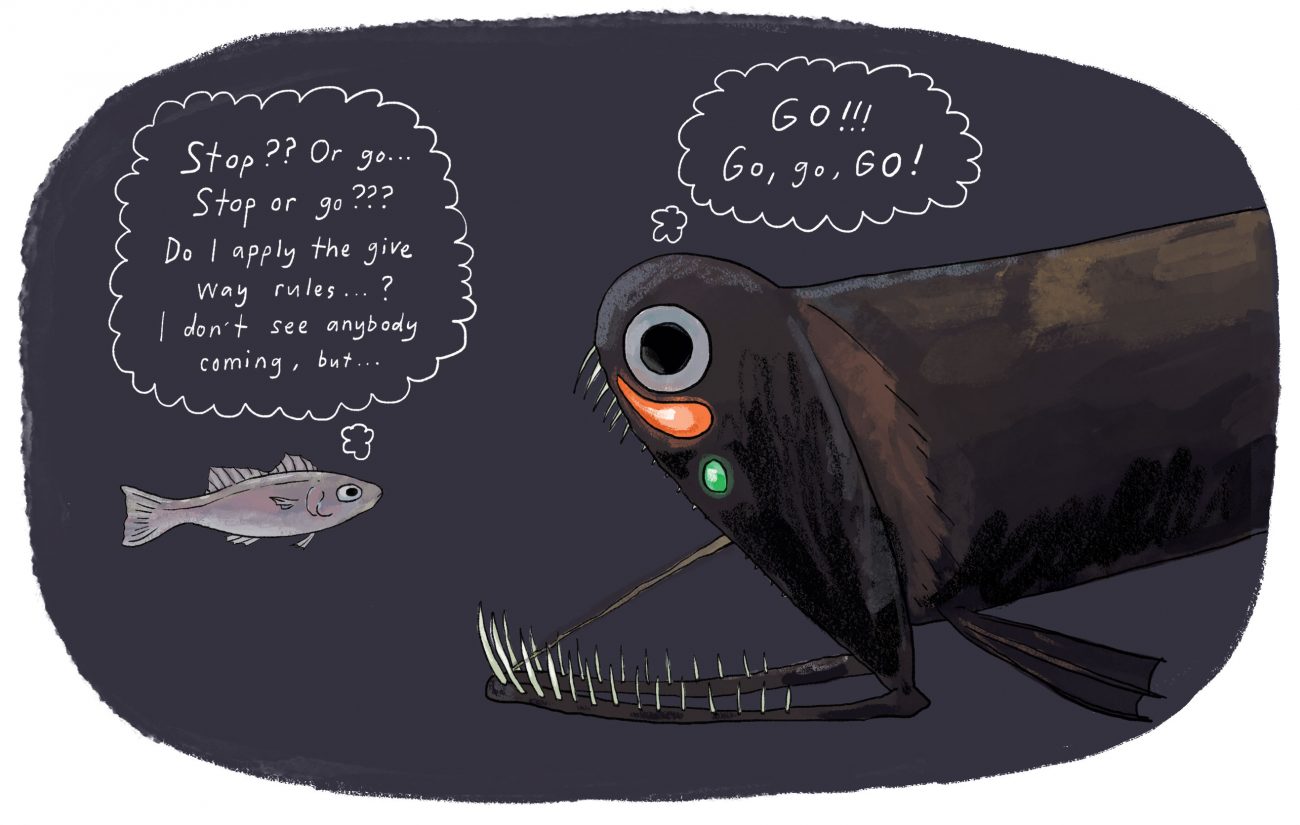
JUST SO Why does so much of the natural world get to glow in the dark?“In certain parts of the ocean, more animals are bioluminescent than aren’t,” says Kat Bolstad from AUT University. In the deep sea, every day is a bioluminescent party. According to recent estimates, as much as 76 per cent of marine life is capable of emitting light—mostly green, blue, yellow, white, and very occasionally red. Or even a combination: the extremely creepy stoplight loosejaw dragonfish, found in deep New Zealand waters, has a green and a red light under each eye. Since 95 per cent of the possible habitat on Earth is in the deep sea, bioluminescence is probably the most common form of animal communication on our planet, says Bolstad. “And that’s kind of mind-blowing for us, right? It seems so strange and special, like, ‘Wow, some animals can glow.’ But actually, we’re the weird ones.” |
|