|
| |
Can we have our fish and eat them too?
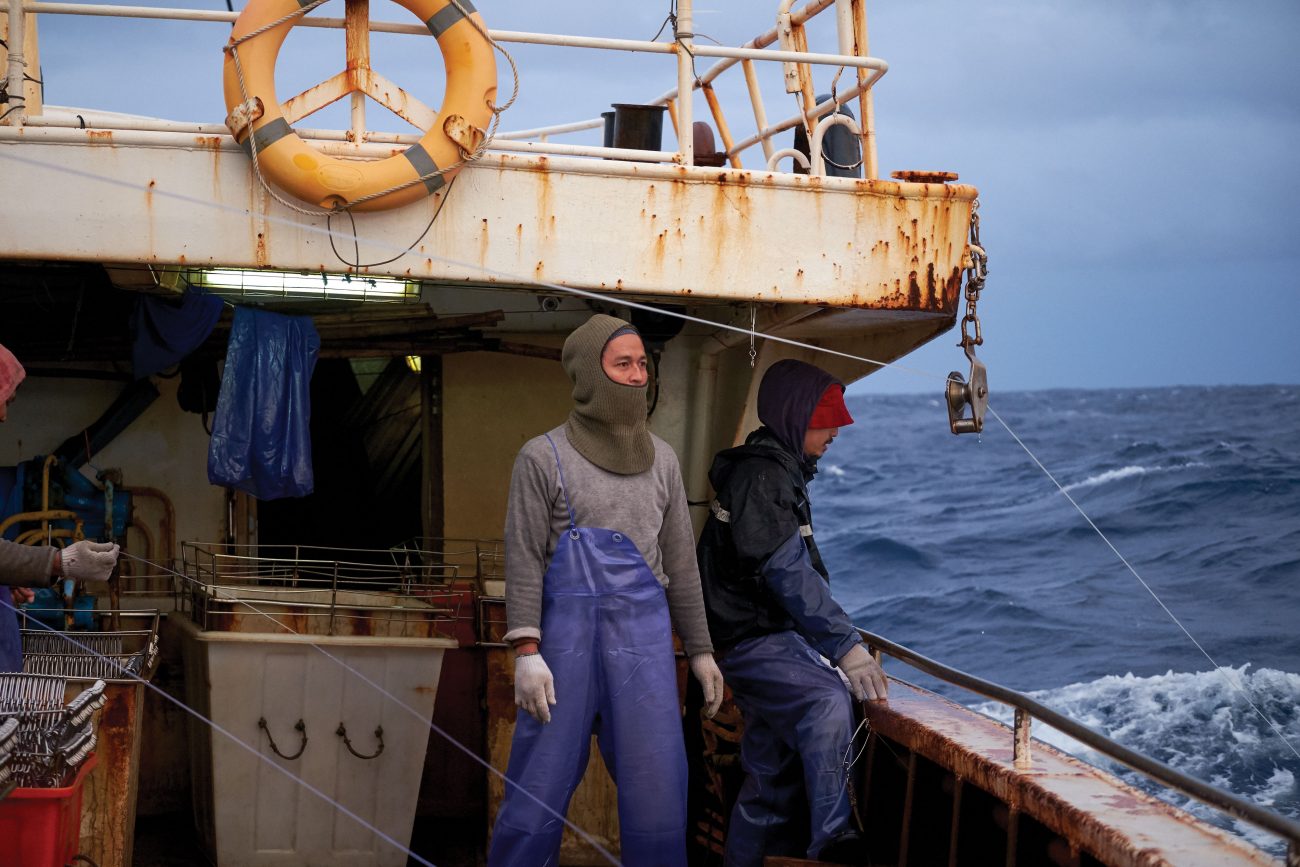
They had started paying out the line the previous afternoon, steaming ahead at full speed while sending mile after mile of three-millimetre-wide monofilament out behind them into the Tasman. Every 11 seconds or so, the crew clipped a snood—a 14-metre-long length of nylon—onto the main line. On the end of the snood dangled an arrow squid the size of a man’s hand, and a 60-gram lead weight. By the time they were done, it was dark, and the main line stretched for about 30 nautical miles, invisible beneath the surface of the water. In the far distance, the Southern Alps glowed white above the West Coast. For Michael Smith, the boat’s captain, it was his first surface longlining trip. Universally known as Smithy, he grew up in Greymouth when there were only a couple of choices for a bloke looking for physical work: you could go down the mines, or you could go to sea. Smithy was 15 when he chose the sea. Keep reading...
|
|
|
| |
The dark side of fishing
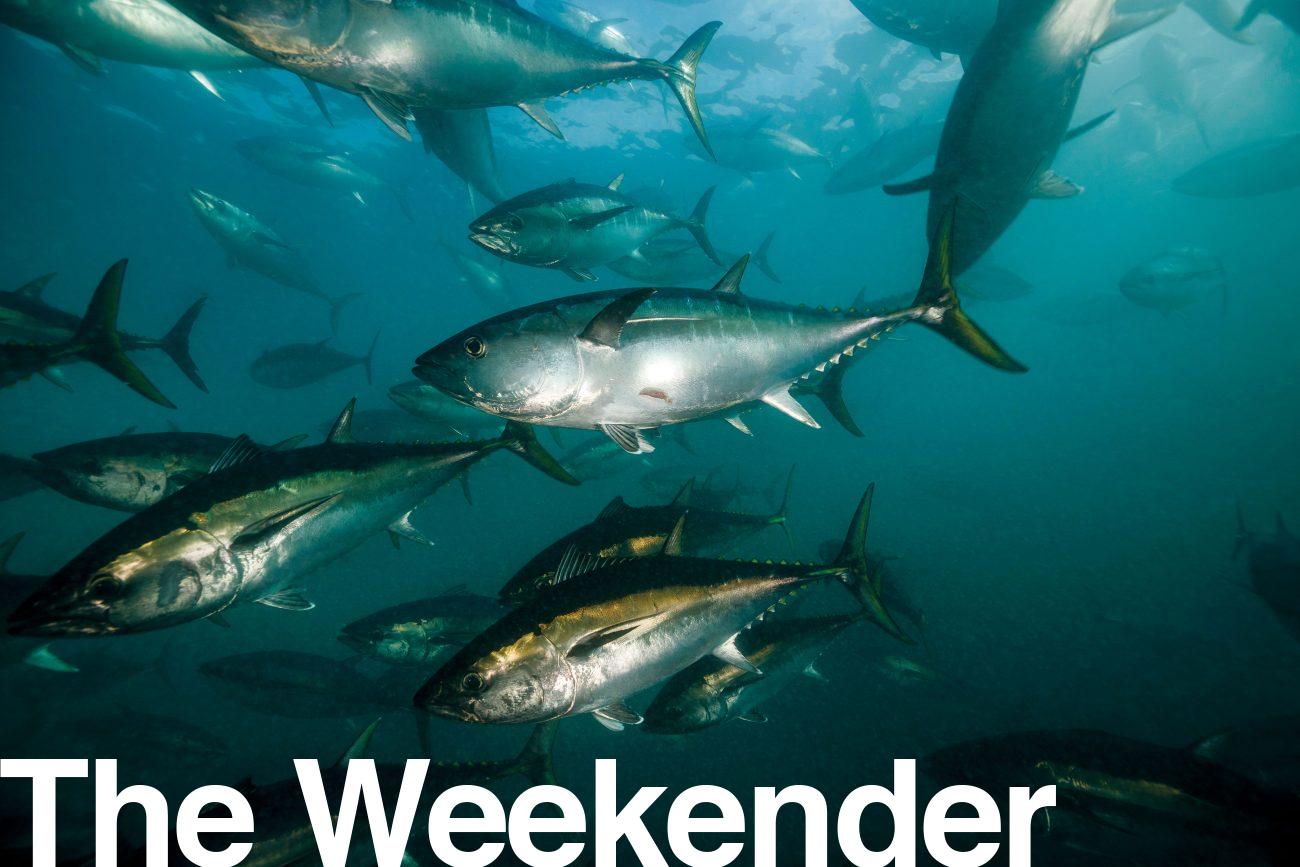
Western and central Pacific tuna stocks are mostly healthy—for now. What about the people working to haul them from the sea?
Tuna caught in New Zealand waters is now less likely to be implicated in human-rights abuses than five years ago. A law change in 2016 required boats fishing in New Zealand waters to fly our flag and comply with our labour laws. But most tuna caught in New Zealand waters is exported, while most of the tuna we eat is caught elsewhere—off Fiji, Indonesia, Samoa or Tonga—and fished by foreign-flagged vessels. In the wider Pacific, the tuna industry is still rife with allegations of modern slavery: human trafficking, debt bondage, physical and sexual abuse, extreme sleep deprivation, medical neglect, even murder. Human-rights campaigners say tuna companies and retailers are making little progress in eliminating slavery from their supply chains. Keep reading...
|
|
|
| |
Subscribe and support local journalism
While advertising and retail income goes up and down, it is subscriptions from readers like you that power long-term journalism projects from around New Zealand and help us keep the lights on.
It's not as much as you think—$8.50 every two months for digital, $12 for print or $16.50 for both... a gold coin a week. Check out the options.
|
|
|
|
| |
A fisherman's journey
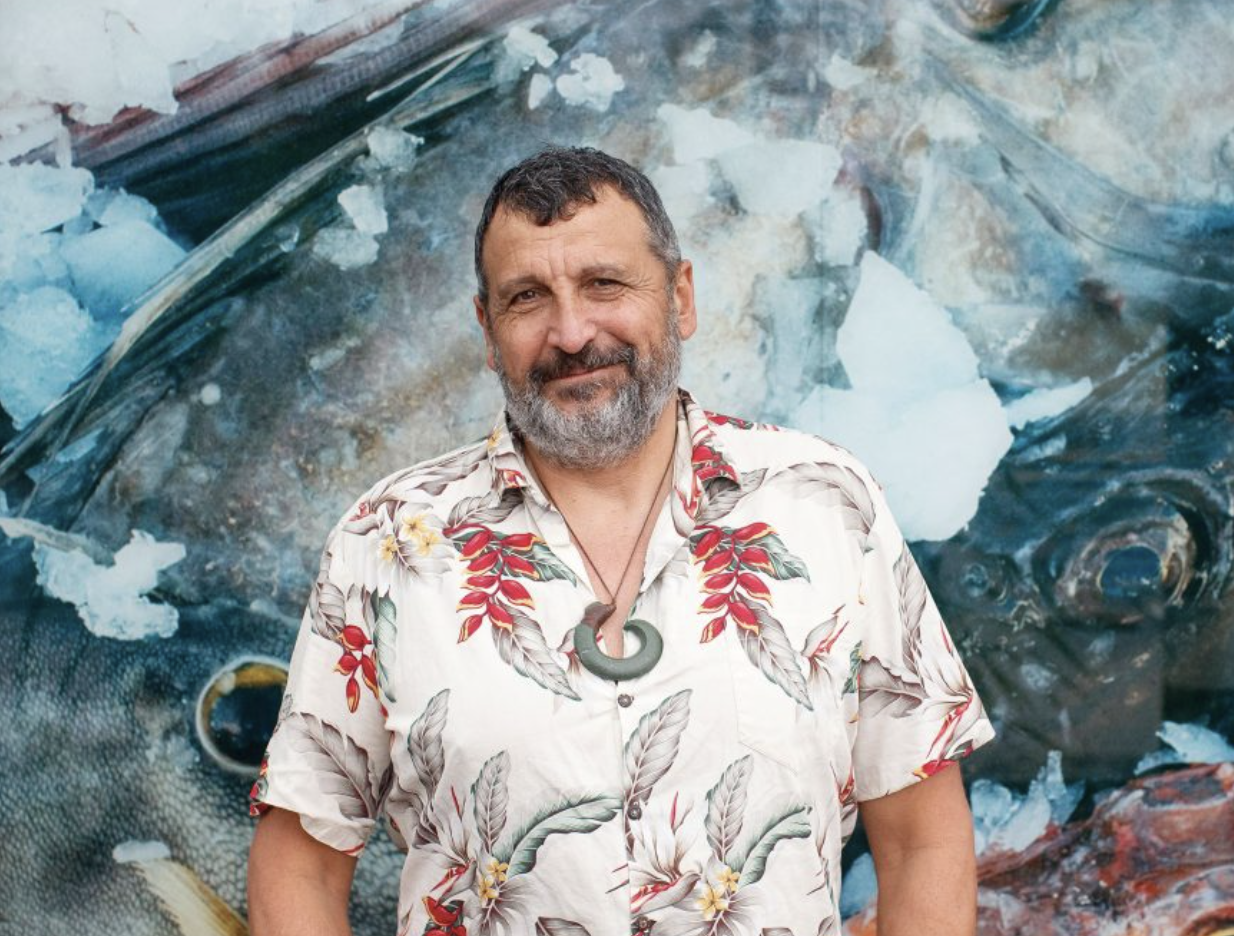
Francisco Blaha joined the Argentinian navy when he was 12 years old. At that time, in the late 1970s, during the country’s military dictatorship, joining the armed forces as a cadet was a way for children from remote areas to get a high-school education. The recruits were allowed one personal item. Most kids had a photograph of their parents, but Blaha’s cherished object was a second-hand copy of a 1976 National Geographic magazine. It had an article about the Hōkūle’a, the Polynesian double-hulled voyaging canoe that sailed from Hawai’i to Tahiti using only traditional navigation techniques. “That was my map,” says Blaha. “That was my escape from reality.” Keep reading...
|
|
|