|
| |
Meet the lawn addicts
There's Hayden Winter, known semi-seriously as "the king" for his supreme rye, immaculate edges and lawn knowhow, with which he is generous. He describes himself as “the sort of person that can only have one hobby at a time, due to how much I commit to them”.
Emma Andrews has just ripped up her lawn and started again, a rite of purification lawnies call a "reno". “These are my babies,” she tells me, gesturing towards nascent blushes of green across an otherwise blank, earthy canvas.
Simon Slade's perennial ryegrass (pictured above) sprang from boyhood trips to Hagley Park, where he liked to watch the cricket from the grass embankments rather than the benches. Ryan Gray has taken to using his toddler's paintbrush to apply selective weedkiller to any interloper that dares pop up in his patch.
And down the road, Jared McLean and his son Jack spend their spare time tinkering with their collection of eight mowers—and keeping the front lawn looking mint. Keep reading...
|
|
|
| |
Space junk ahoy
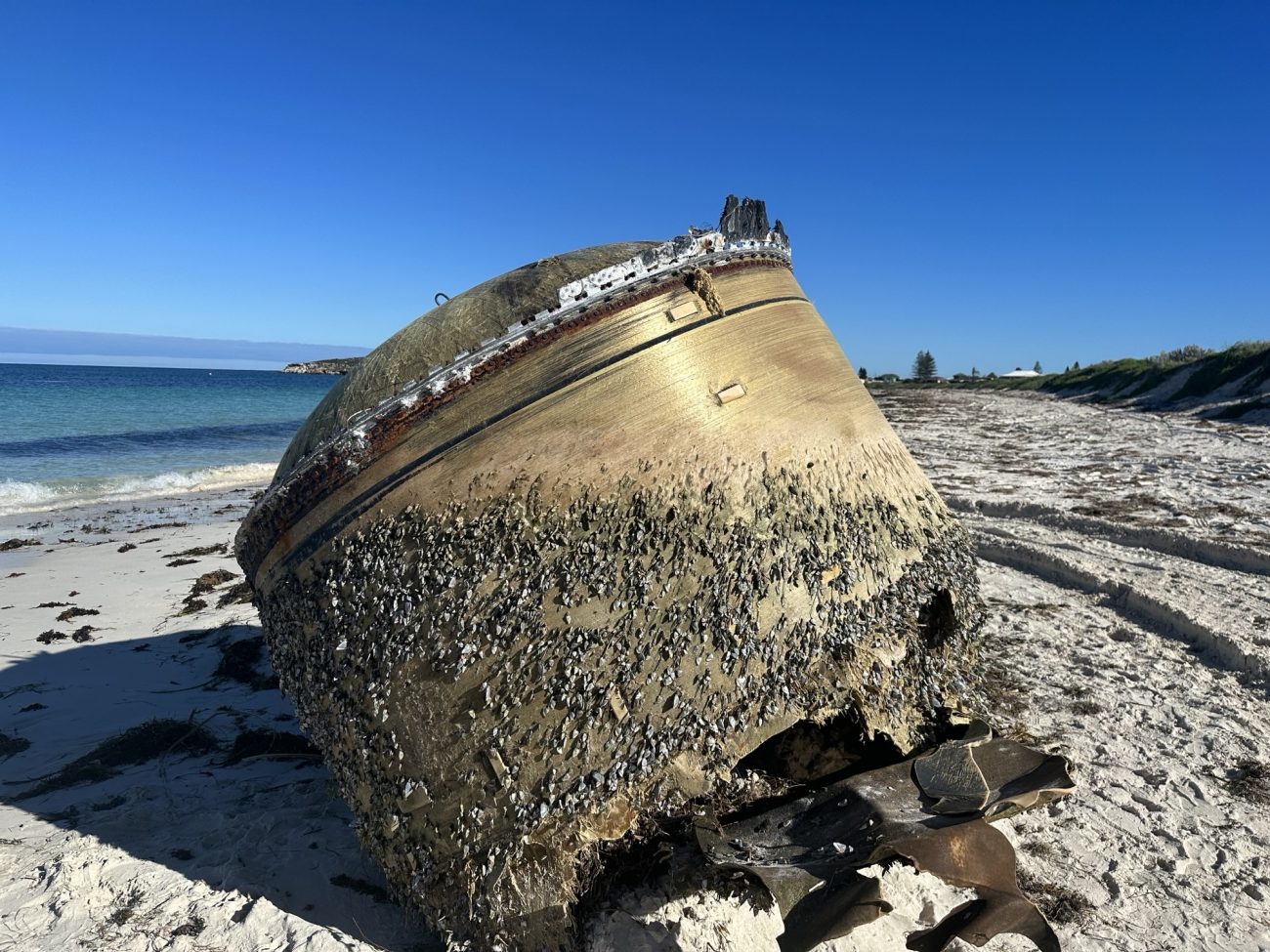
A mysterious hunk of metal found on a beach near Perth is suspected to be part of a fuel tank jettisoned from an Indian space rocket.
For now, the cylindrical object, replete with a crust of barnacles, is locked up in a storage shed. But the West Australian premier has suggested it might end up in a museum, alongside pieces of the US Skylab space station that rained down over the same region in 1979.
In Issue 179, Naomi Arnold tells the story of New Zealand's first space junk: five titanium-alloy spheres that streaked through the night sky in 1972, causing a sonic boom before crashing across Canterbury.
People were nervous about touching the 'space balls'; they were concerned about radiation, but testing did not reveal any trace. However, no-one knew quite what to do with the balls. One ended up locked in a cell in the Ashburton Police Station. “This mystery object… has committed no crime other than its persistent refusal to identify itself,” the Christchurch Star reported. Keep reading...
|
|
|
| |
Subscribe and support local journalism
While advertising and retail income goes up and down, it is subscriptions from readers like you that power long-term journalism projects from around New Zealand and help us keep the lights on.
It's not as much as you think—$8.50 every two months for digital, $12 for print or $16.50 for both... a gold coin a week. Check out the options.
|
|
|
|
| |
Tohorā rising
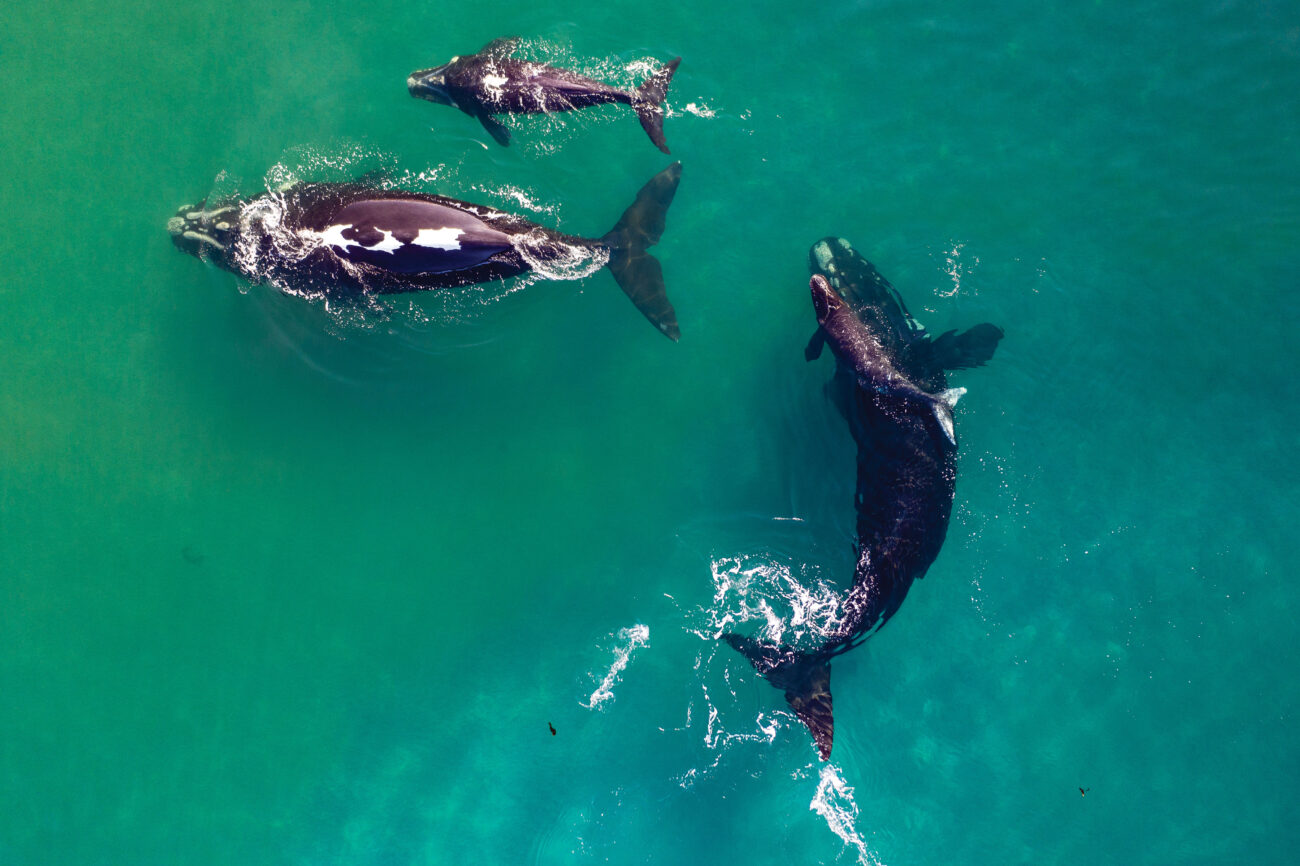
"The whales are back," said DOC's Anton van Helden yesterday on Morning Report, after a tohorā / southern right whale showed up in Wellington Harbour.
That's exactly the headline we put on the cover three years ago. In Issue 166, Bill Morris and Richard Robinson document the resurgence of the tohorā, hunted almost to extinction last century.
A small group of these whales hid from the harpoon. Deep in the subantarctic, the survivors birthed and nursed their young. Now, tohorā are returning to the coasts of New Zealand. Every winter they gather in their hundreds in the waters off Port Ross, in the subantarctic Auckland Islands. The abundance, writes Morris, feels otherworldly:
I saw mother-and-calf pairs resting in still coves fringed by ancient rātā forest, the calves playfully climbing on their mums’ tails and heads. Further out, groups of young animals, up to 10 at a time, socialised and mated, the females lying on their backs while amorous males caressed them with their huge pectoral fins. Whales breached, slapping their fins against the water, or spy-hopped to observe us as we passed. Sometimes, whales came right up to our dinghies, often following us around like curious dogs. Keep reading...
|
|
| |
IN PARTNERSHIP WITH ROLEX
|
|
|
| |
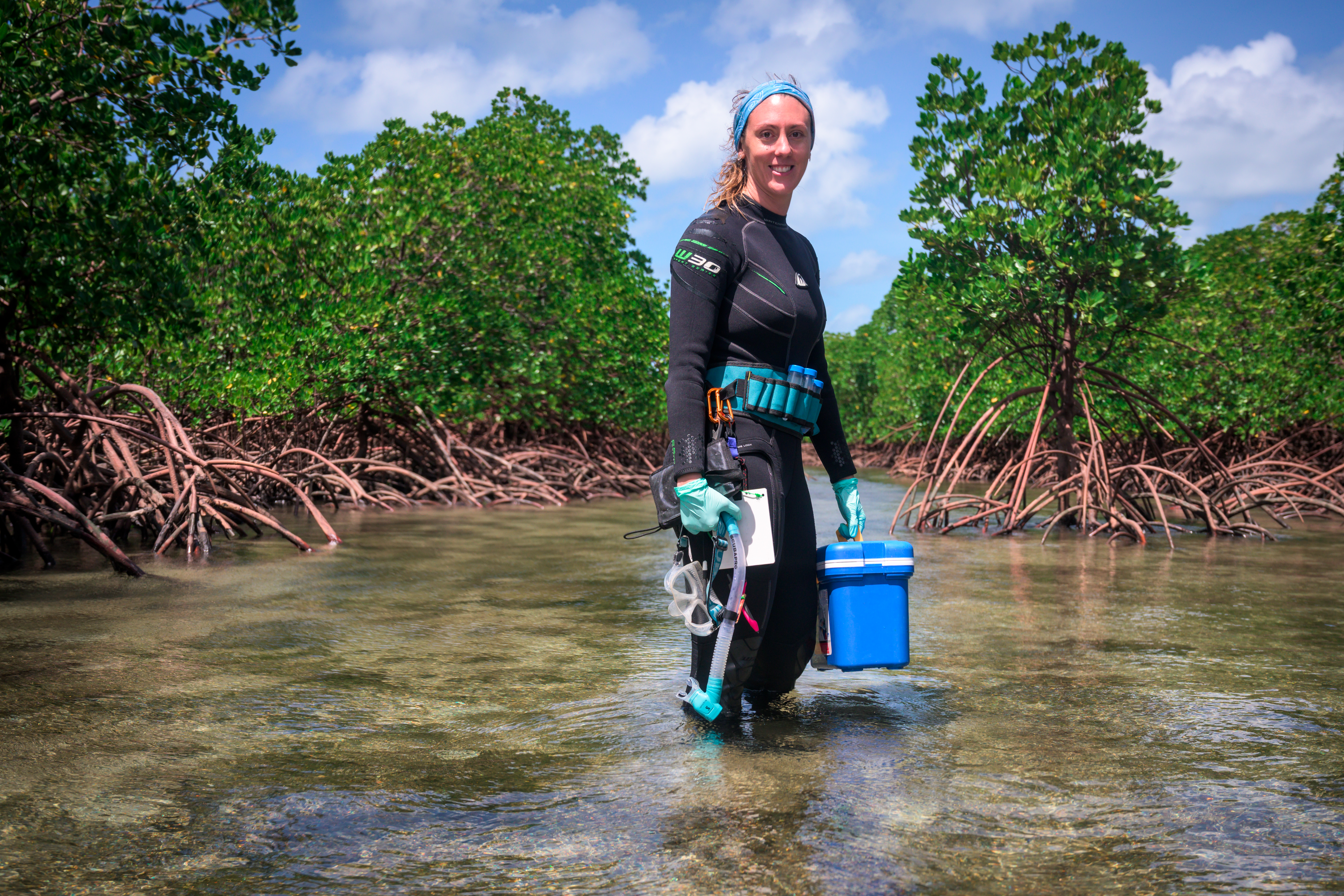
With the help of hardy ‘super corals’, Dr Emma Camp is resuscitating our reefs
Scientists fear that the world’s coral reefs could disappear if we don’t do enough to reduce our impact on the oceans. But Dr Emma Camp sees a glimmer of hope in super-resilient corals that are able to withstand higher temperatures, greater acidification and lower oxygen levels and her research has shown that they could play an important role in reef preservation. Keep reading...
|
|
|