|
Nearly 50 years on from the systemic and racially targeted deportations of Pasifika New Zealanders, the scars and shame of this experience linger—as the government prepares to formally apologise for its actions of the past.
|
|
|||||

|
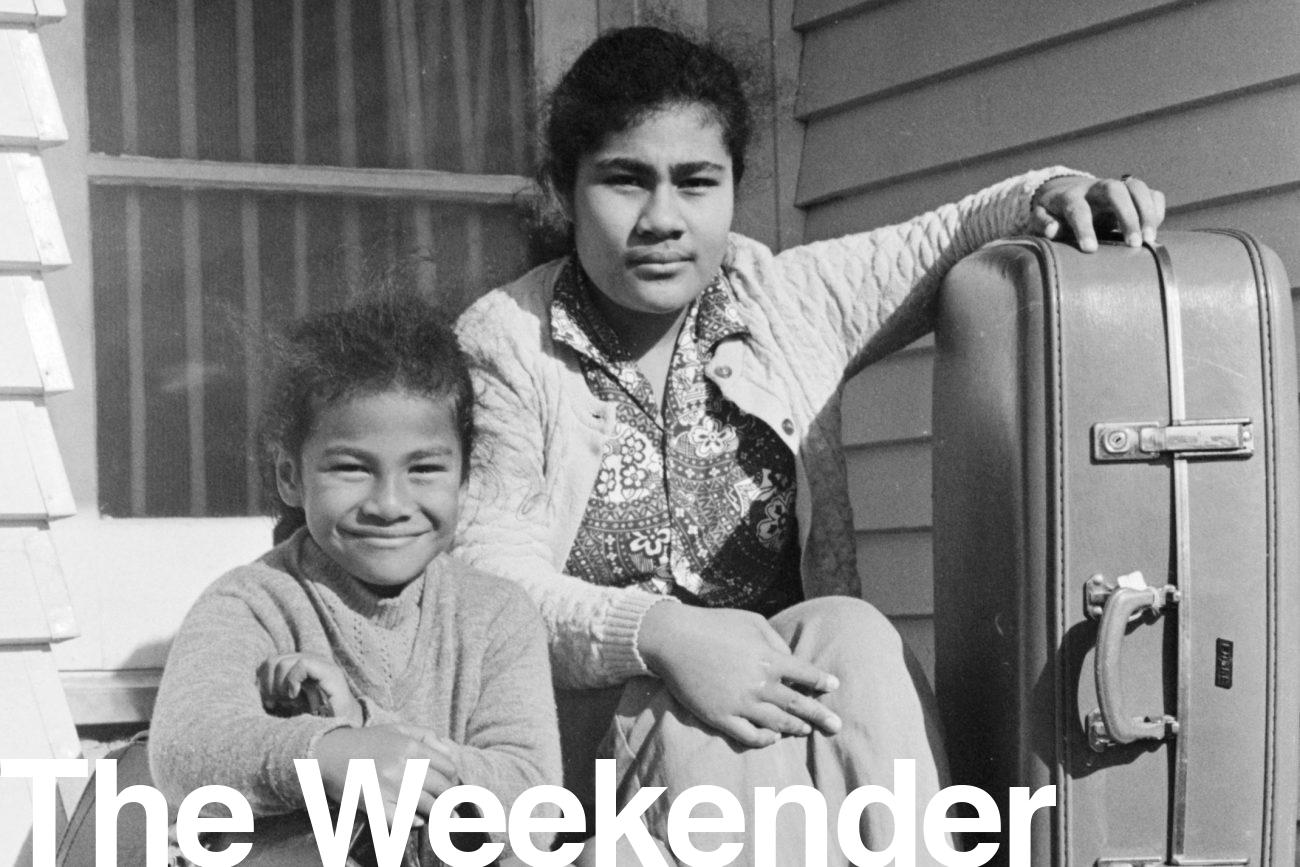
Evicted from AotearoaWhen Toni Fonoti was a teenager, he lived with his family on Summer Street in Ponsonby. Today, this central Auckland suburb is famous as an enclave of the wealthy, with rows of immaculate white villas and carefully manicured gardens lining the streets. Back then, in the early 1970s, Ponsonby thronged with migrants from all over the Pacific. At the time, there were about 32,000 Pacific Islanders in New Zealand and two-thirds of them lived in Auckland, making it the largest Polynesian city in the world. Many people had come in search of work, enticed by the generous pay. Manufacturing was booming, and the government and employers encouraged migration from the Pacific in order to fill labour shortages in factories, freezing works and related services. But Aotearoa wasn’t a safe haven. There was fear on the streets. People were disappearing. |
||
|

|
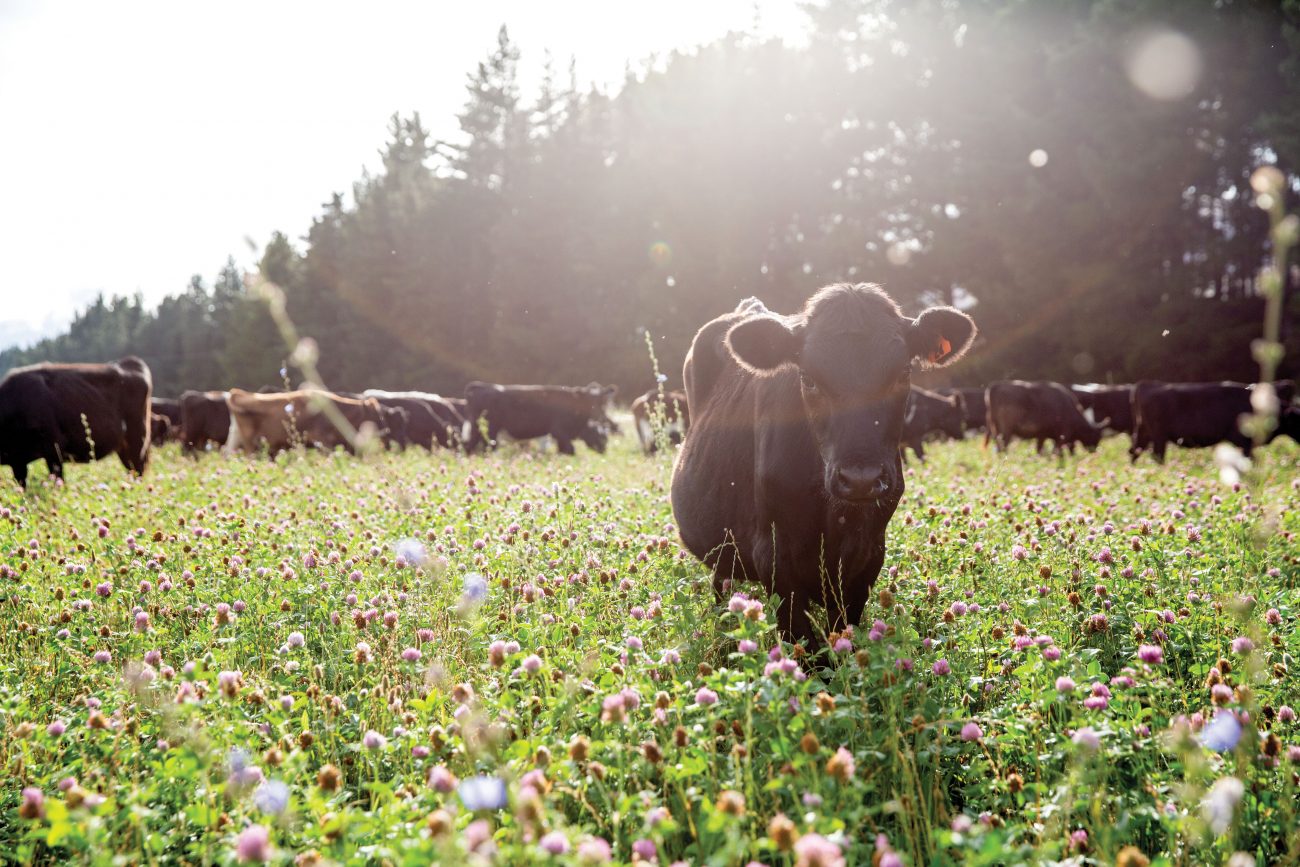
How to fix agricultural emissionsIt seems harmless enough. In a paddock somewhere in New Zealand, a cow burps. And no wonder: she’s busy digesting grass, which is no easy feat—you need four stomachs to get sugars out of cellulose—so she has a lie-down to let the grass stew awhile in one of them, her rumen. It’s a chemical reactor in there. The grass ferments, courtesy of specialised microrganisms called methanogens, which set about picking apart the complex molecules, producing methane and water in the process. It’s slow work, so she gives the methanogens a hand by bringing up clumps of grass she just ate and chewing them a bit more. Each time she does, she burps some of that methane into the air. Over a normal day, she might release 140 grams of it, which would be just fine if there weren’t 6.3 million other dairy cows and 3.8 million beef cattle across Aotearoa doing exactly the same thing. Keep reading... |
||
|
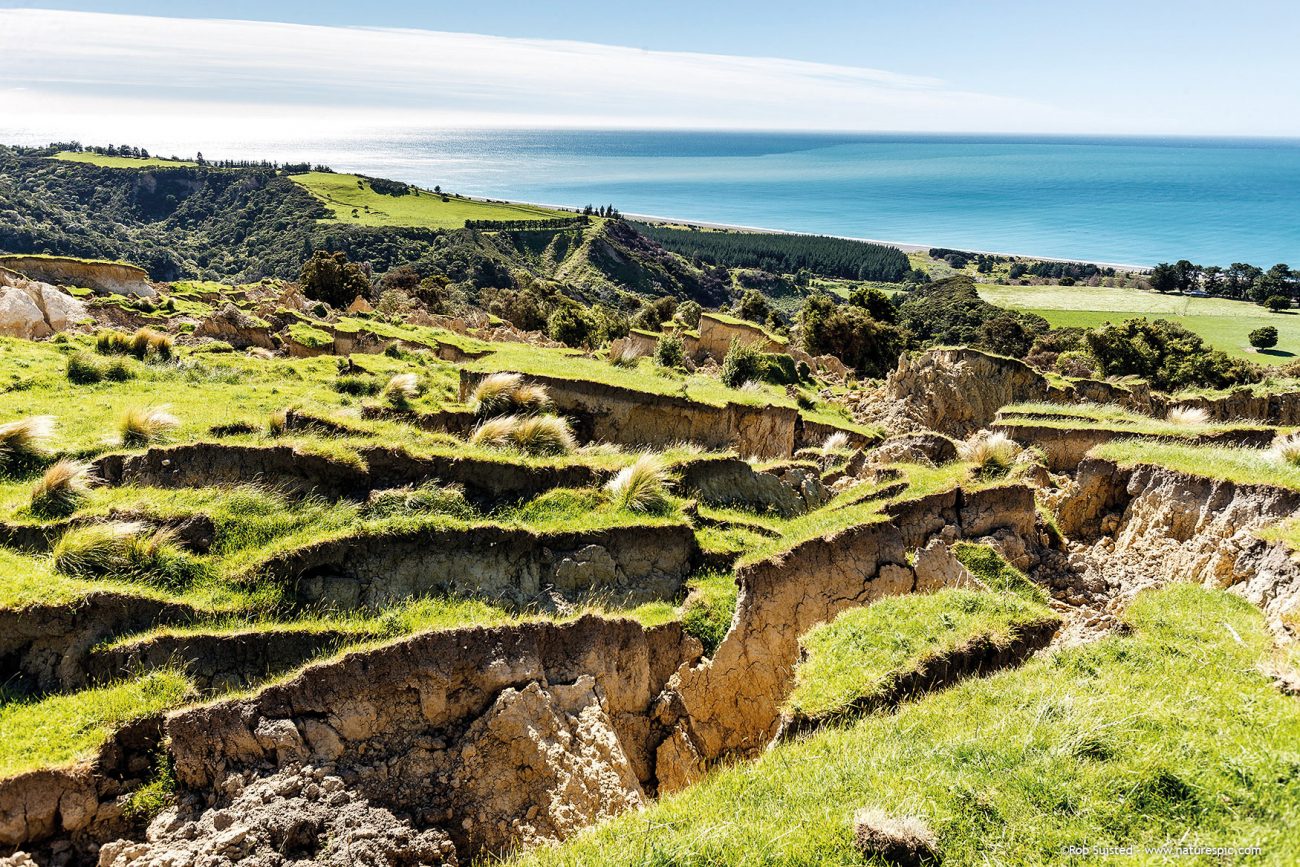
What we've learned from Kaikōura so farThe magnitude 7.8 earthquake that shook Kaikōura two minutes after midnight on November 14, 2016, is believed to be one of the most complex ever recorded. Here's what it has taught us... |
||
|

Subscribe and support local journalismWhile advertising and retail income goes up and down, it is subscriptions from readers like you that power long-term journalism projects from around New Zealand and help us keep the lights on. |
||
|
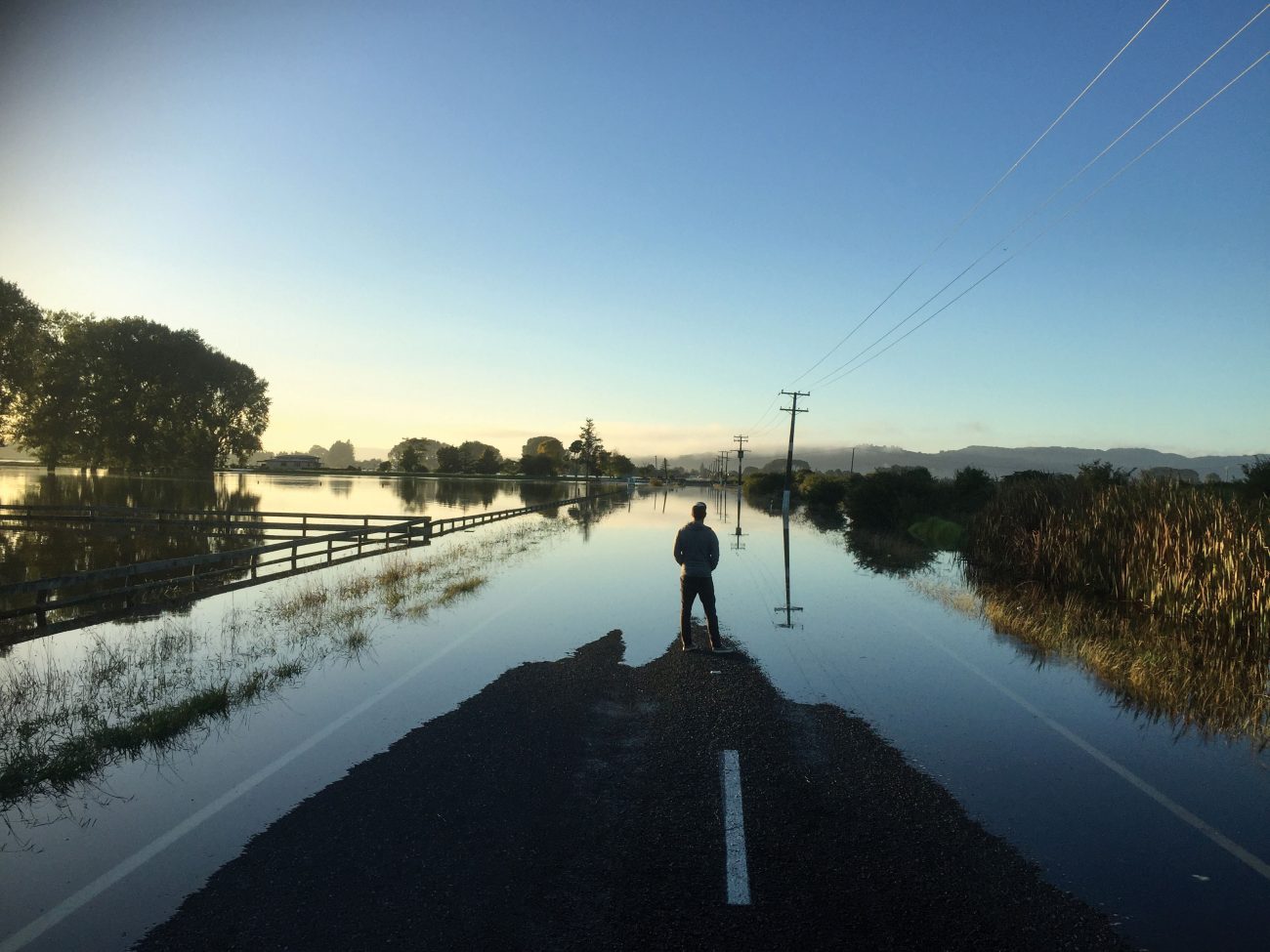
Ready or notPreparing for a natural disaster has long been considered a matter of personal responsibility—but what happens to those without the finances to stockpile supplies or the physical ability to run up the nearest hill?Lessons learned during New Zealand’s most recent crises have shifted how towns and cities are building resilience. Researchers now believe that strong community connections will best help everyone ride out a worst-case scenario—but can we form those bonds in time for the next big one? Keep reading... |
||
|
|||||


 |