|
| |
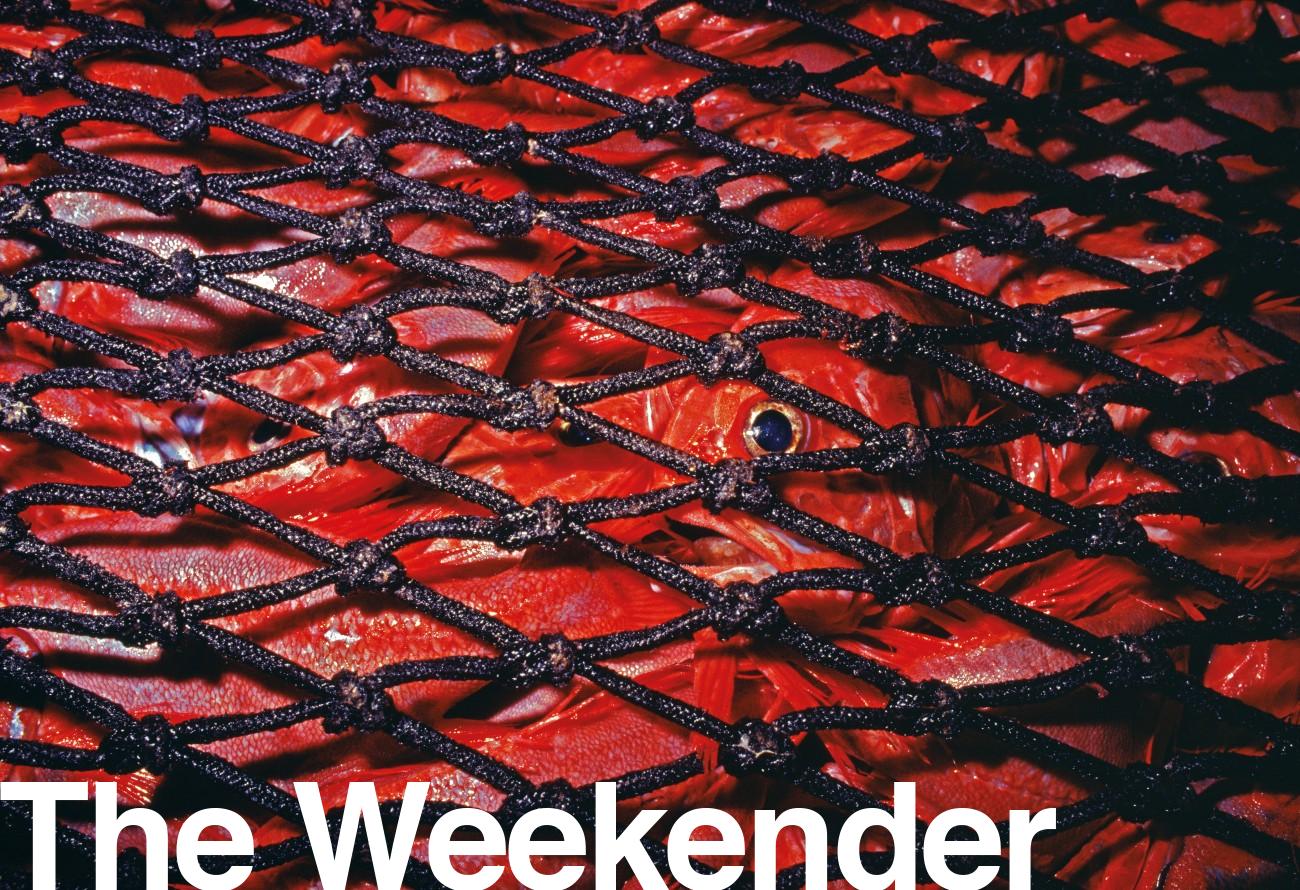
Red alert on orange roughy
Scientists have just discovered that the models we’ve been using to predict the abundance of orange roughy in a large area east of the South Island were flawed, and overly optimistic. Submissions on new fishing catch limits close on Monday. Officials say “the status quo is not an option.”
Orange roughy are one of our most important deepwater fisheries. The mistake means catch limits are geared around a much healthier population. Now, scientists are warning of “sustainability concerns”.
Since 2018, stock assessments have shown healthy and growing populations of orange roughy around the Chatham Rise—the huge undersea plateau that extends from near Akaroa past the Chatham Islands. Fisheries ministers have increased the quota accordingly, and in 2022, the fishery was re-certified as sustainable by the Marine Stewardship Council.
But this year, when NIWA scientists took a look at the latest information, it told a different story—leading them to throw out the previous stock assessment and fisheries officials to move to cut catch limits. As Kate Evans reports, the fishery’s sustainability certification is also now in doubt. Keep reading...
|
|
|
| |
Spending down our natural capital
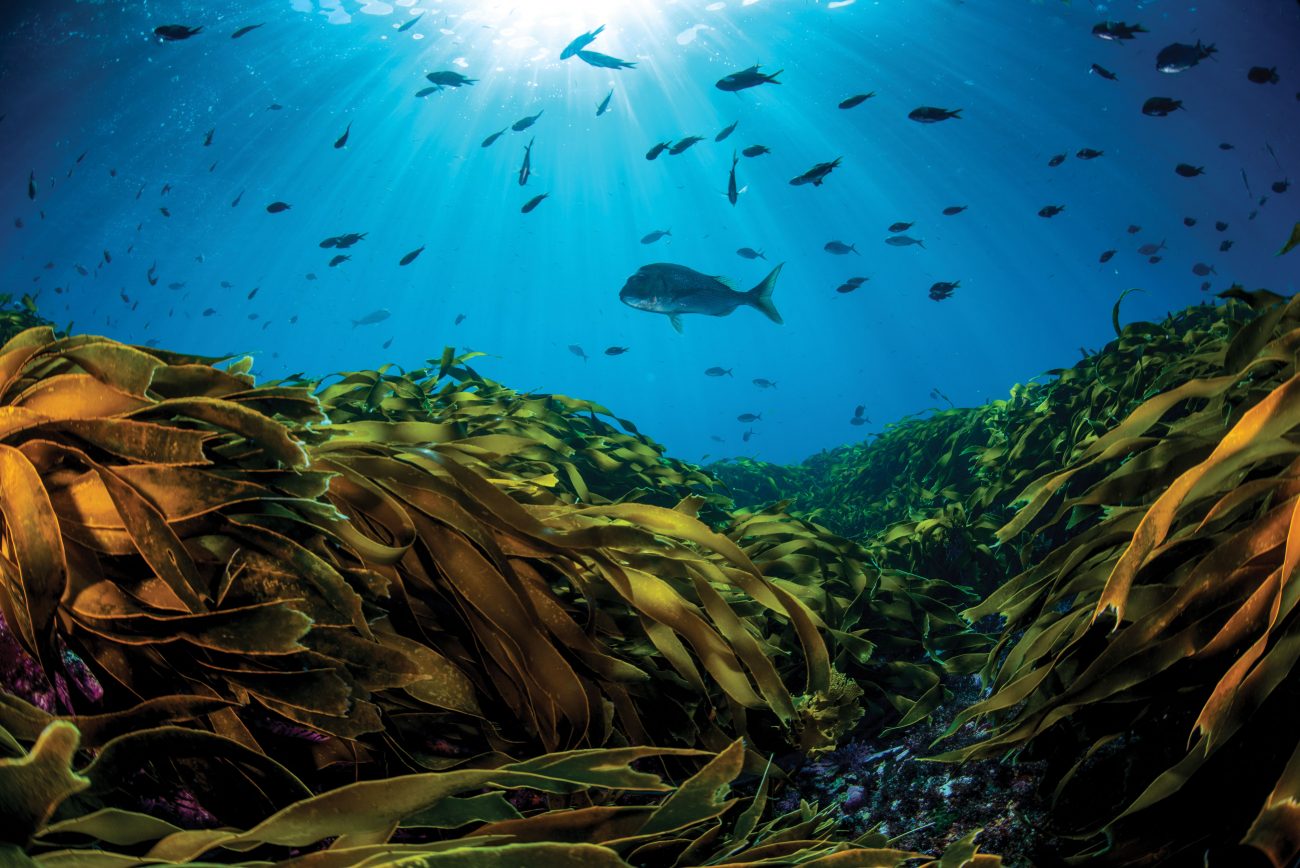
The New Zealand Institute of Economic Research (NZIER) has today released a natural capital valuation of the Hauraki Gulf, providing revenue to New Zealanders of $5.14 billion every year, or up to $100 billion depending on how many years it it amortised across. The valuation accounts for ecosystem services, goods and services traded in the market, and 'non-market values' which reflect the value of the natural environment to society beyond transactions for goods and services. “For many of us, the Hauraki Gulf is simply invaluable,” says co-chair of the Hauraki Gulf Forum Nicola MacDonald, who welcomed today's announcement. “Te Moananui-ā-Toi is an ancestor and a taonga. It is part of who we are. At the same time, we have seen well over a century of continuous damage done to the Gulf which is not priced, and not remediated. For example, flows of sediment and sewage off land choking our marine life, and dredging of kūtai and tipa beds leading to species collapse. This damage has cultural, spiritual, social, environmental, and economic consequences for all of us. Now, for the first time, we can start to put real numbers around the continued assault on this taonga.” The report is the first natural capital valuation of its kind in Aotearoa, and reflects how a diminishing environment ultimately reduces real financial returns, in the same way that spending-down the principle of an asset reduces interest received. These values are both in cash and kind—also risking the social, cultural and spiritual wealth that all New Zealanders share in... a classic 'tragedy of The Commons' where individual gain is pitched against collective good.
|
|
|
| |
Are there plenty more fish in the sea?
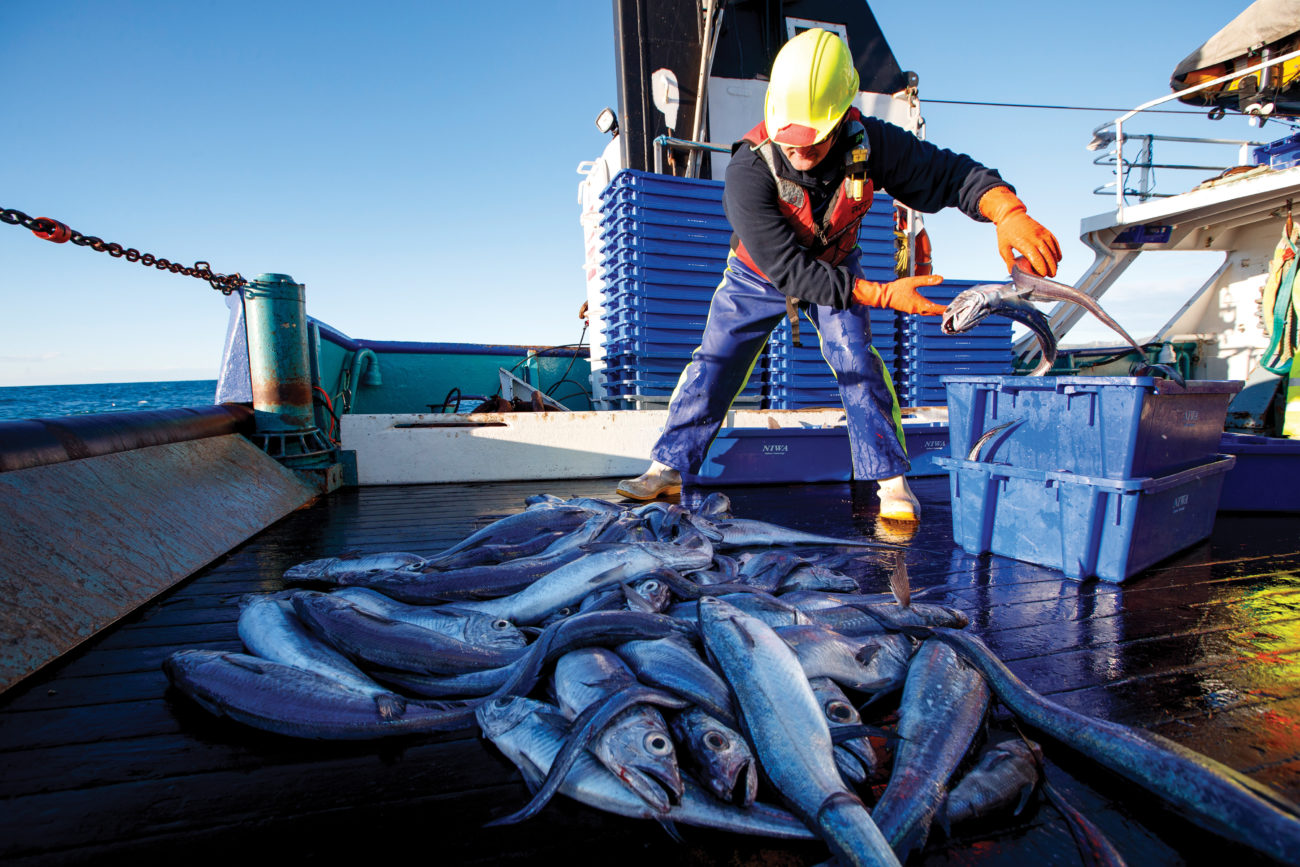
Reports of falling hoki stocks off the West Coast and the near-disappearance of crayfish from the Hauraki Gulf suggest that our ‘best in the world’ fisheries management may not be living up to the hype.
Three decades ago, the right to catch and sell fish became a property right, one that has now accumulated in the hands of a few. How has that quota system worked out for people—and for fish?
New Zealand Geographic has long documented the high-stakes fisheries industry and the delicate ecosystems it relies on, with features on the quota system, the future of trawling, tuna, and the battle to ringfence parts of our seas as marine reserves.
|
|
|
| |
Subscribe and support local journalism
While advertising and retail income goes up and down, it is subscriptions from readers like you that power long-term journalism projects from around New Zealand and help us keep the lights on.
It's not as much as you think—$8.50 every two months for digital, $12 for print or $16.50 for both... a gold coin a week. Check out the options.
|
|
|
|
| |
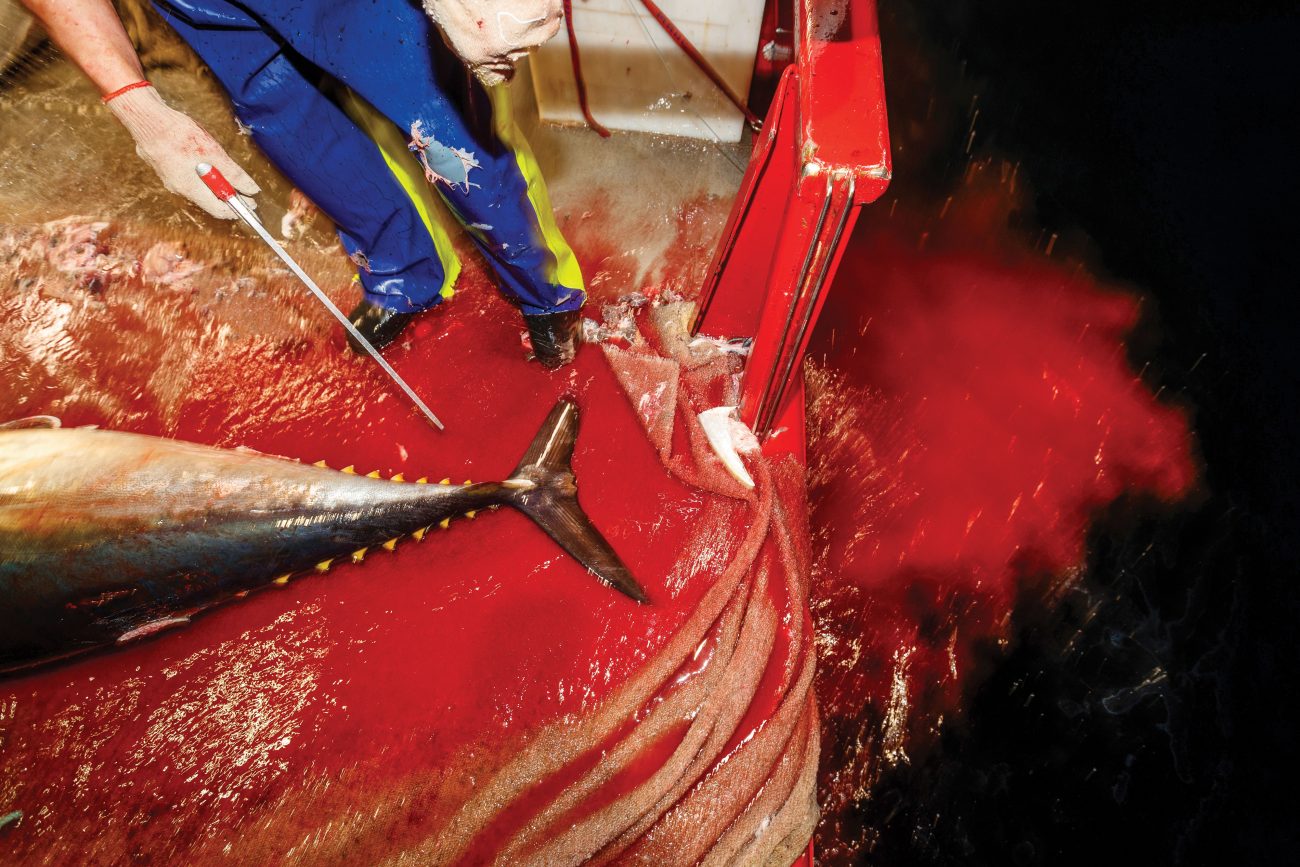
Tuna, the billion-dollar fish
Michael Smith grew up in Greymouth when there were only a couple of choices for a bloke looking for physical work: you could go down the mines, or you could go to sea. Smithy was 15 when he chose the sea.
He’d tried his hand at inshore trawling, deepwater trawling for orange roughy and hoki, and bottom longlining for ling, hāpuku and bluenose. At 44, he wanted a new challenge. Trawling was mechanised, but longlining for tuna was hands-on—a personal fight with each individual fish. When the crew started hauling the line in again, in the middle of the night, hook after hook had a fat tuna attached. Smithy grinned—they’d struck a school of big, oily, yummy fish. As the boat approached each fish, one of the crew unclipped the snood from the main line and transferred it to a fight line. The men’s attention turned to that one animal. Smithy took the fight line in gloved hands, feeling the pull of the fish below, battling for its life. The line slackened and he knew the fish was winding up its strength. “Ooh, he’s going to run!” called Smithy. Then, twaaang, the line shot away from him. Keep reading...
|
|
|
| |
Last chance! Enter to win a $750 RealNZ voucher
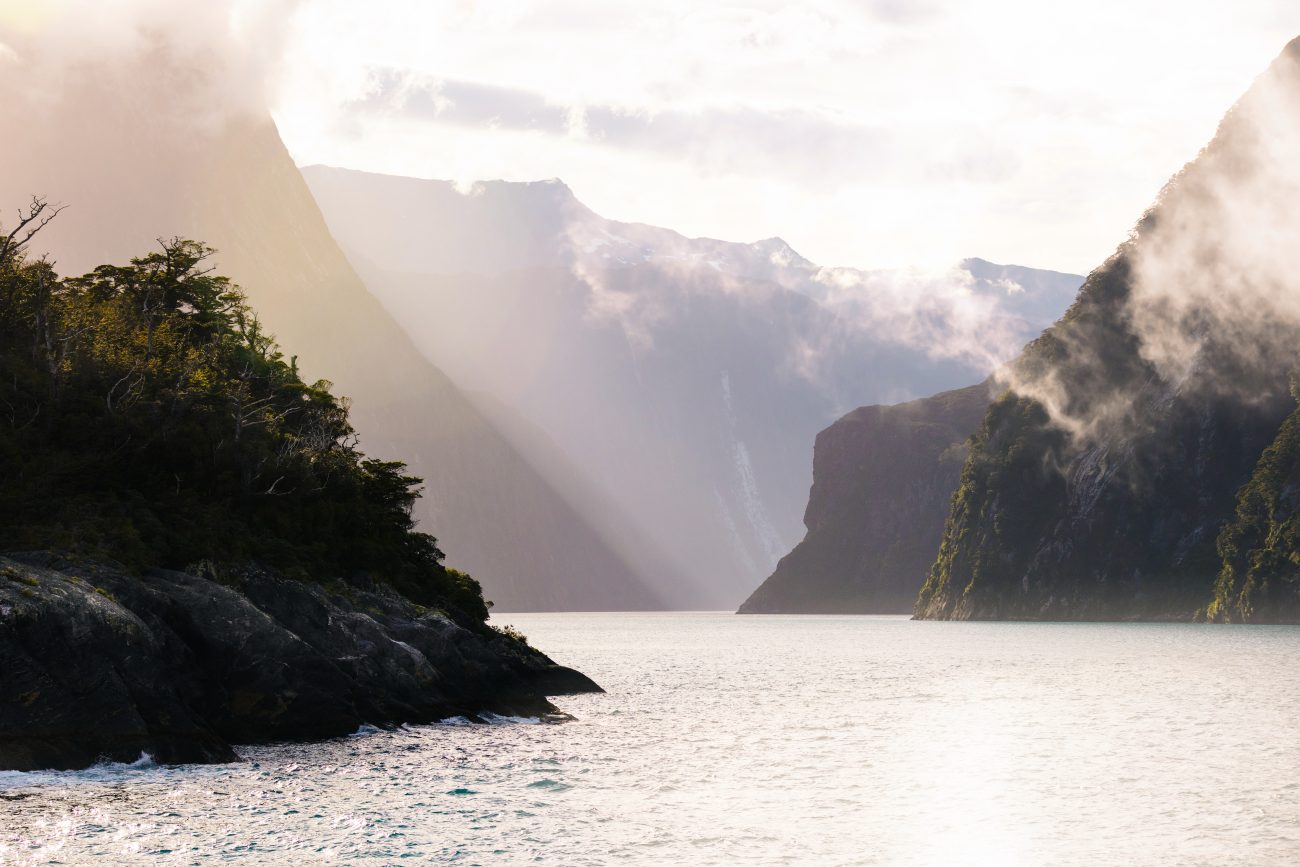
As sponsors of the 2023 New Zealand Geographic Photographer of the Year awards, RealNZ is giving readers the opportunity to put their cameras to the test with the help of a $750 gift voucher. But time is running out to go in the draw: entries close on Monday, July 24. Whether it's an overnight cruise on Milford Sound or a gourmet barbecue meal at Walter Peak Station, RealNZ brings people closer to nature through epic experiences in New Zealand’s backyard. So if you want to get out there and discover a new angle, enter your details and you'll be in the running to win a $750 gift voucher that can be used on any RealNZ experience. Enter here.
|
|
|