|
At best, our recycling system is deeply inefficient. Some argue it’s also a deliberate deception.
|
The Weekender |

|
|
|
Free newsletter
|
JANUARY 31, 2025
|
|

|
Publisher |
|
I received an email today from Air New Zealand asking for my thoughts about their plan to reduce waste from single-use cups. I offered my thoughts: Air New Zealand's own data reveals that they burn roughly 1.3 billion litres of jet fuel every year, releasing 3.25 million tonnes of carbon dioxide and equivalents into the atmosphere. Suggesting that they could meaningfully improve their environmental record by reducing the volume of cups being recycled or safely disposed in landfills is absurd. However misconceptions about recycling, waste and their effect on the climate and environment are widespread. Both the Prime Minister and leader of the opposition listed recycling as their primary contribution to mitigating climate change, as do a third of Kiwis in a recent Ipsos survey, yet it ranks as the 59th most effective thing we can do. Read more in Hayden Donnell's revealing feature below. In case you were interested, the top three things you can do for the climate are to live car-free, switch to an electric vehicle and take one less long return flight. In fact, do any one of the top 60 basics and you can consume as many single-use cups as your heart desires—that change doesn't even make the list. |
|
|
|
|
Thanks to NZGeo's committed readers we now have more than 10,000 subscribers, enough to power our journalism through this difficult period. If you'd like to support our work with a subscription—either print or digital or both— please check out the options.The more subscribers we have, the more great work we can produce. |
||
|
|
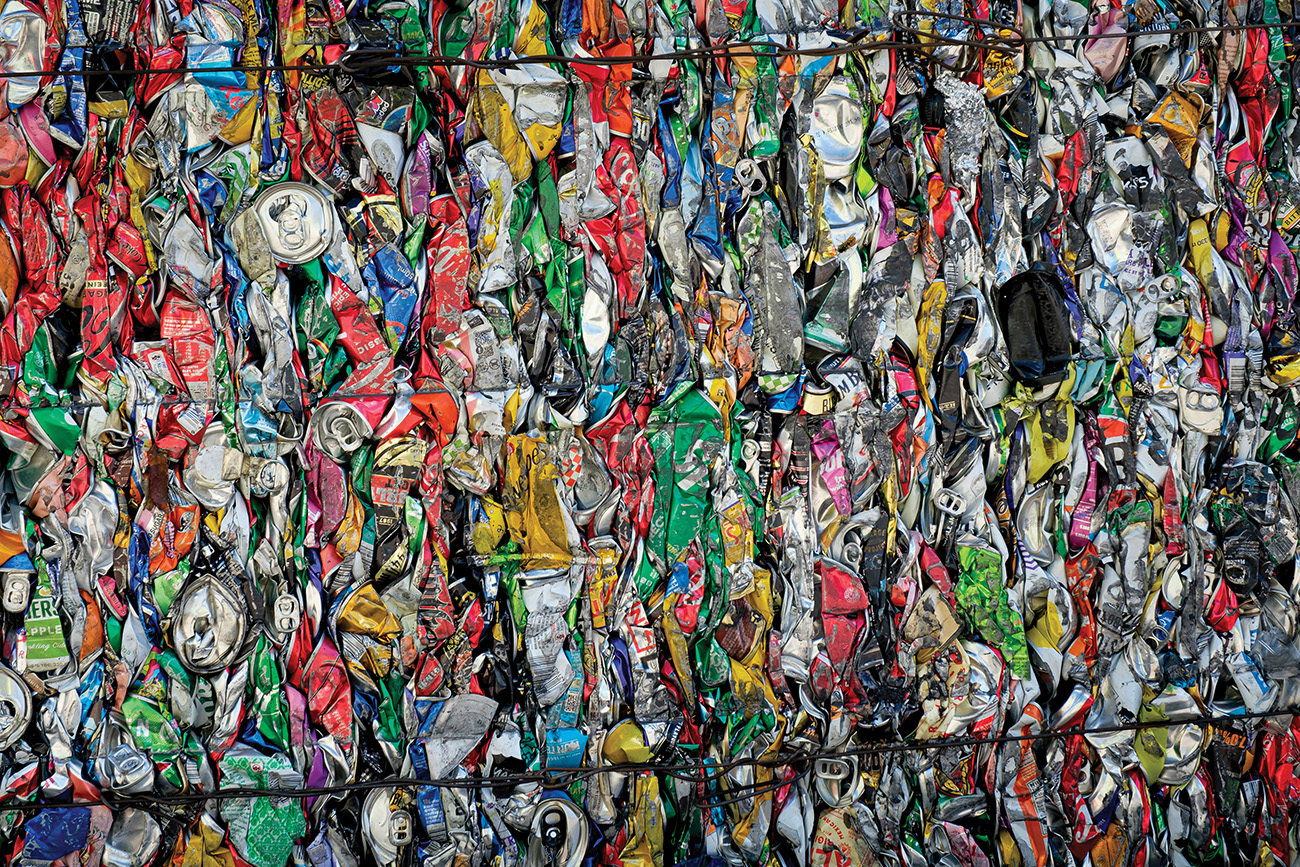
RECYCLING At best, our recycling system is deeply inefficient.Chris Hipkins and Christopher Luxon didn’t agree on much of the big stuff in the first TVNZ debate ahead of the 2023 general election. The party leaders clashed on housing, crime and co-governance. They bickered on water infrastructure and youth offending, health and education. But on the question of which actions they were personally taking to address the climate crisis, they were in perfect harmony. “As a family we embraced recycling some time ago. About a decade ago,” said Luxon. “I’m a recycler,” Hipkins concurred. Wellington environmentalist Hannah Blumhardt and her partner, Liam Prince, were watching the debate live. Neither could contain their despair. “I looked at him. He looked at me. And we put our heads in our hands and wailed,” Blumhardt says. Blumhardt and Prince have been full-time zero-waste advocates for almost a decade. They got rid of their rubbish bin in 2015, in part to prove it’s possible to live without one, then spent years on the road, visiting community groups, schools, and businesses to deliver presentations on how people could take steps toward doing the same. Now, Blumhardt felt like she’d been banging her head against a brick wall. She and Prince announced that they’d stop talking about recycling and focus entirely on other ways to reduce waste. Recycling was already getting far more credit than it deserved. |
MORE STORIES ABOUT WASTE: |
|

|

|
NEWS Our summers are getting hotter, but electric fans are not always the answerElectric fans work by blowing cooler air across our skin and enhancing the evaporation of our sweat. Cheap and convenient, they often sell out in heatwaves. But on really hot days, a fan can flip from saviour to sauna—more convection oven than a breath of fresh air. |
|

|
SHOUT OUT Our writers get stuck in. They can get stuck in for you too.It's a weird time to be working in media, especially for our writers and photographers. Last week I encouraged any of you working in PR and comms to consider hiring one of our top flight photographers for your next job rather than using AI. This week I'm appealing on behalf of our award-winning writers. They can give your marketing copy an editorial edge, appeal to readers in a new and compelling way, help launch that book or website with snappy, webby language. Anything that helps them to make a chop of it means they can keep writing great stories for NZGeo too. So get in touch and we'll have a go at pairing you up. |
|
|
|
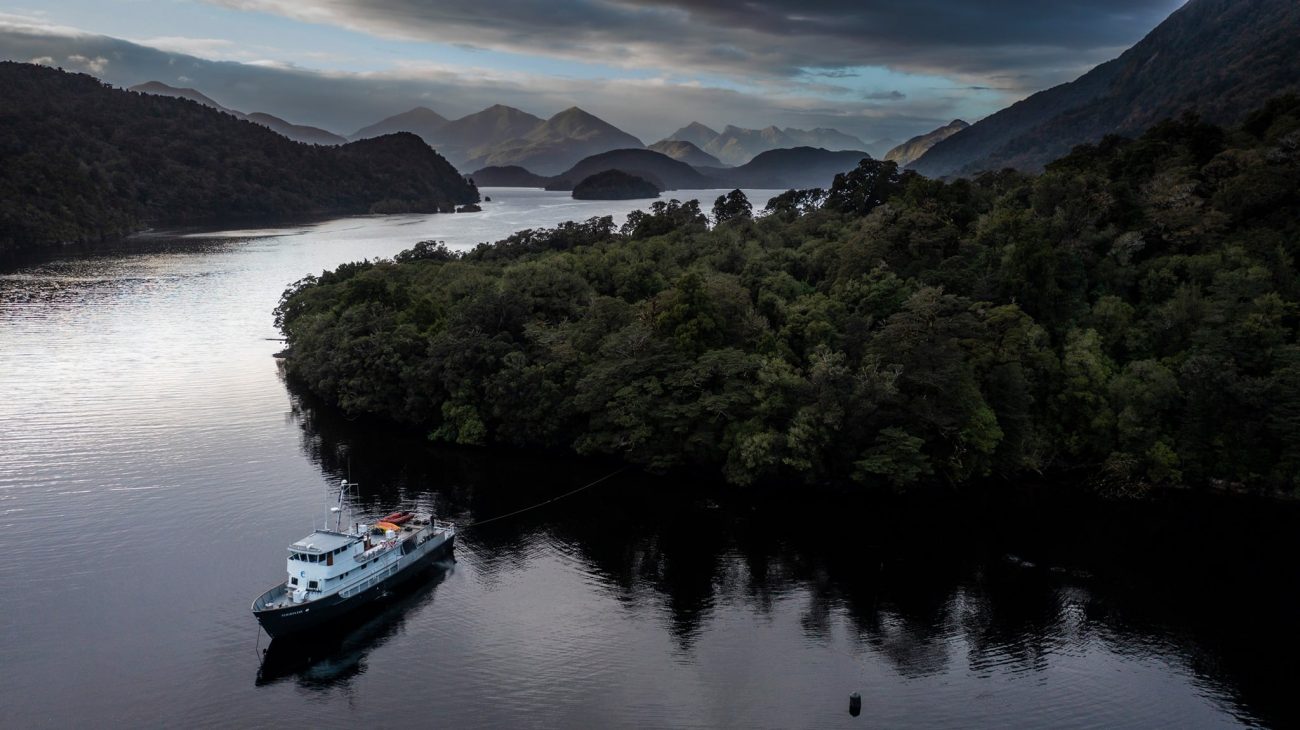
Giveaway Be part of the storyPure Salt has been a long-time supporter of New Zealand Geographic—and a long-time protector of Fiordland—and they're offering subscribers a unique opportunity to join a research trip taking place this year. NZGeo writers and photographers will be aboard, searching for the elusive hāpuka, which were once abundant enough for midwater trawling in the fiords and regularly seen by scuba divers. Now, numbers are growing and they are returning to shallow waters, so the team will be exploring two of the 14 marine reserves in Fiordland as part of an editorial assignment. Paid berths are available for this excursion on 2nd - 6th of June 2025. As well as seeing the story up close, there will be plenty of time for all the regular activities. But anyone who has a subscription to NZGeo and fills in the entry form on the Pure Salt website will be in the draw to win a free berth worth almost $5000. |