|
Native hawks are revered by those who come to know them. And yet we’ve been slaughtering them for a century and a half. Why?
|
The Weekender |

|
|
|
Free newsletter
|
JANUARY 24, 2025
|
|

|
Publisher |
|
Our relationship with the natural world is, let's say, complicated. We revere our flightless kiwi, yet haul up endangered fish like whitebait and eat them. We introduced possums and stoats for the fur trade, but they have demolished our flora and fauna and we're spending millions to eradicate them. Today we may regret the mass culling of kea, but we're still shooting the magnificent kāhu out of the sky. Is it an artefact of changing culture? Or is our species just particularly poor at evaluating long-term consequences? |
|
|
|
|
Thanks to NZGeo's committed readers we now have more than 10,000 subscribers, enough to power our journalism through this difficult period. If you'd like to support our work with a subscription—either print or digital or both— please check out the options.The more subscribers we have, the more great work we can produce. |
||
|
|
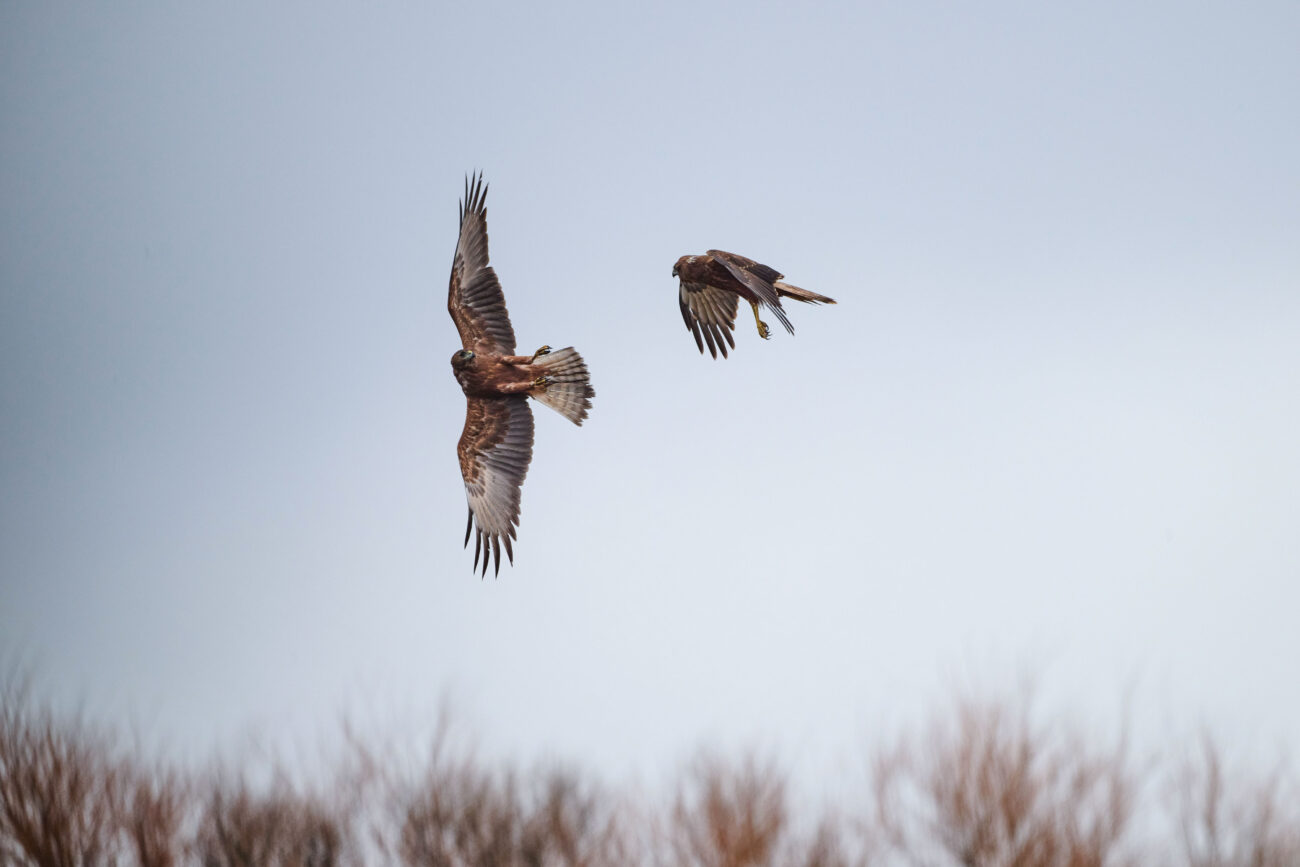
WILDLIFE We’ve been slaughtering native hawks, kāhu, for a century and a half. Why?There is perhaps no New Zealand bird—native or exotic—that has been vilified, persecuted, and hated like the kāhu. Kāhu are native; they likely self-introduced by flying across the Tasman from Australia around a thousand years ago, just as humans were beginning to reshape this land forever. Now they’re at the top of our avian feeding chain, ruling the roost with the kārearea/New Zealand falcon. These predators perform vital roles in the ecosystem, cleaning up carrion and keeping smaller birds and rodents in check. Kāhu search for food from great altitude, scanning the ground below with their incredible eyesight, or hunt just metres above the ground, working over grass or rushes in a slow “quartering” hover before dropping on their prey. Māori hold kāhu in high esteem, revering them for their hunting skills and noble bearing. They are seen as allies, particularly in regards to mahinga kai—food gathering. “Kāhu have always been right through our creation stories,” says Clint McConchie, of Ngāti Kuri, a Kaikōura-based subtribe of Ngāi Tahu. “The kāhu are the eyes. They are the watchers.” |
MORE STORIES ABOUT RAPTORS: |
|

|
|
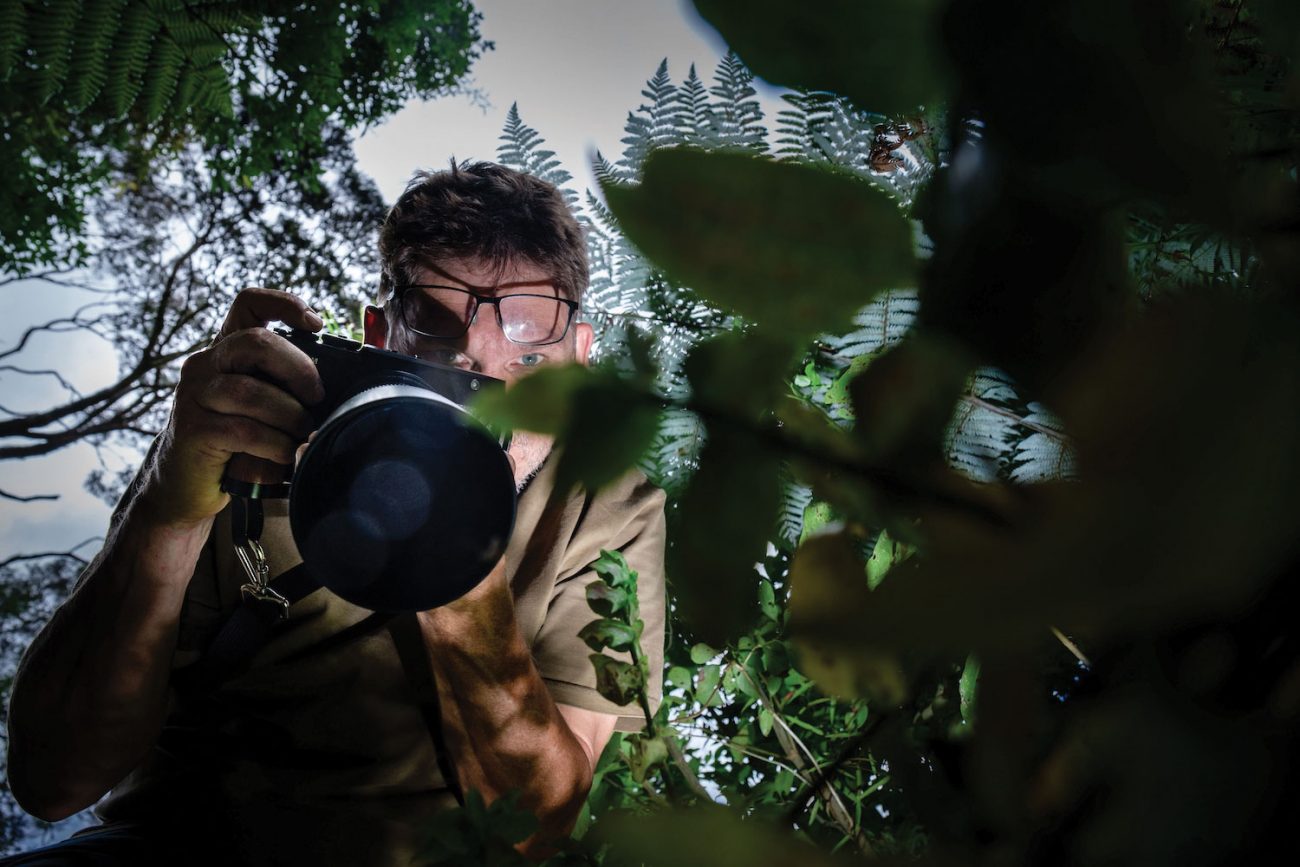
SHOUT OUT Do you work in marketing or comms? Consider hiring our photographers—they need the work.Many of the award-winning photographers who contribute staggeringly beautiful work to New Zealand Geographic supplement their editorial effort with higher-paying commercial work. But that work is drying up; replaced with micro-stock or AI-generated images. This is a problem for all of us. These contributors need alternative sources of income to feed young families and pay for gear, insurance, phone bills... and to keep bringing you this magazine. If you need a photographer for a commercial campaign or family portrait, consider one of our regulars—Adrian Malloch (Auckland), Lottie Hedley (Raglan), Richard Robinson (Auckland) or Rob Suisted (Wellington)—you will be hard-pressed to find someone who will work harder or turn out a better result. (Next week, we'll let you know about our writers for hire.) |
|

|
|
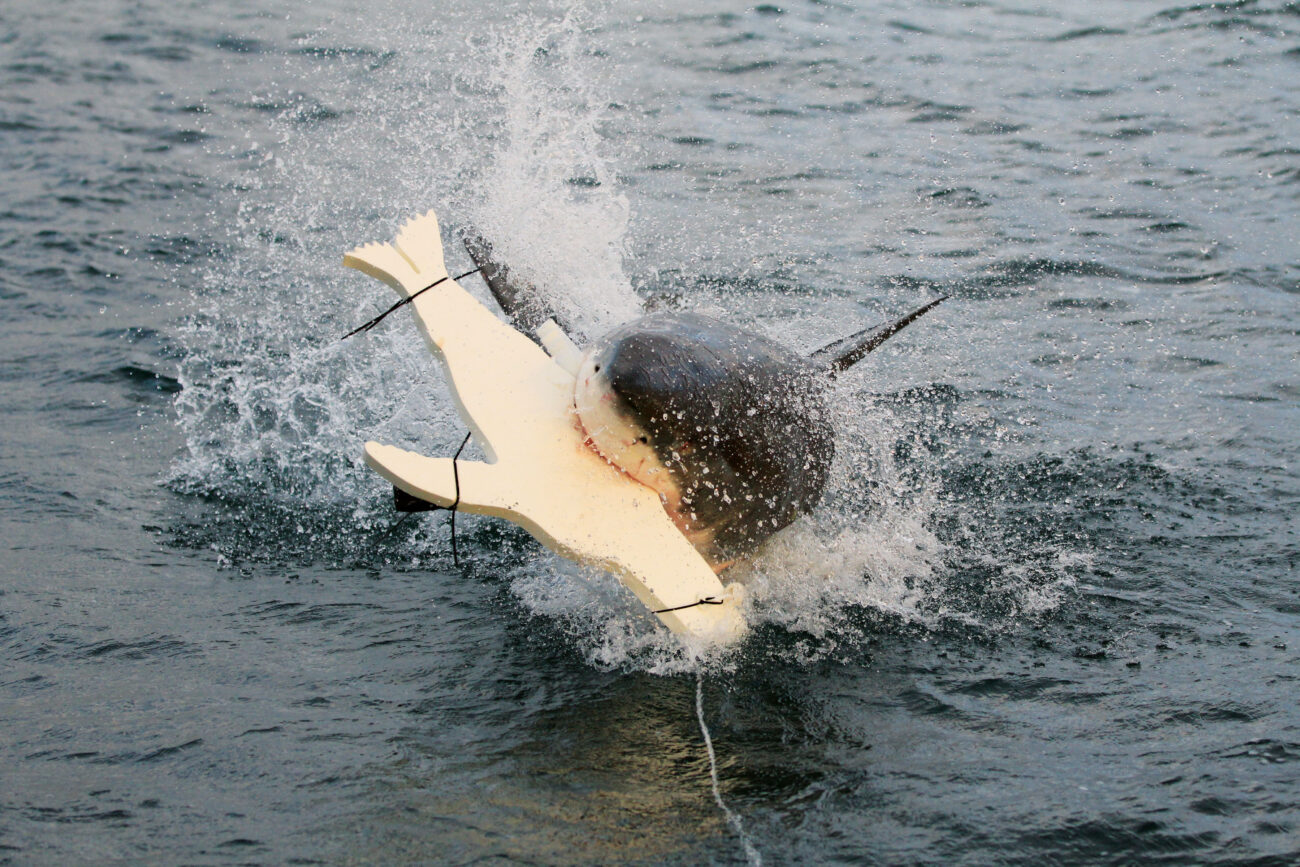
NEWS Great whites see the lightLaura Ryan was studying the visual systems of fish when a spate of shark attacks at her favourite Perth surf spot got her thinking—why do these apex predators confuse tasteless humans with delicious seals? |
|