|
| |
What happens after the wildfire?
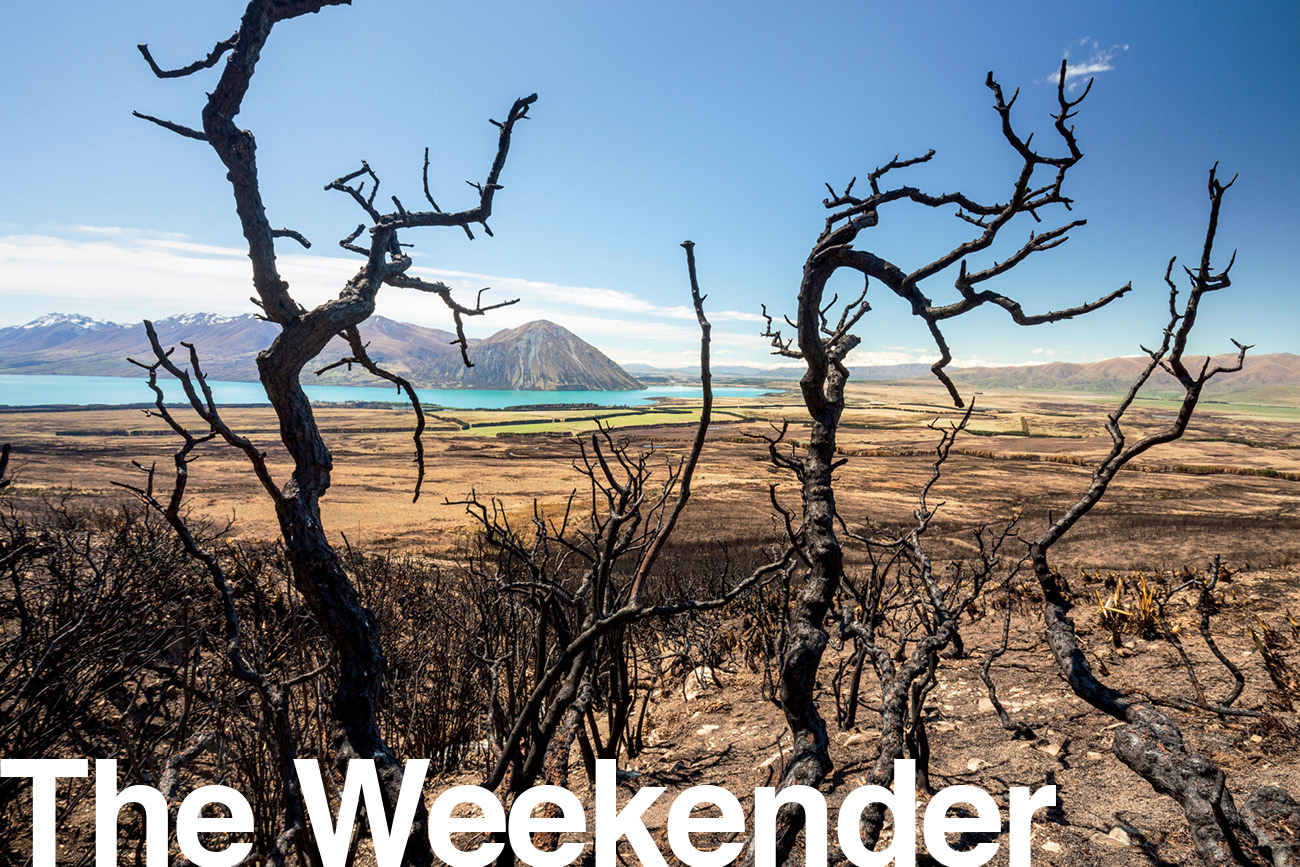
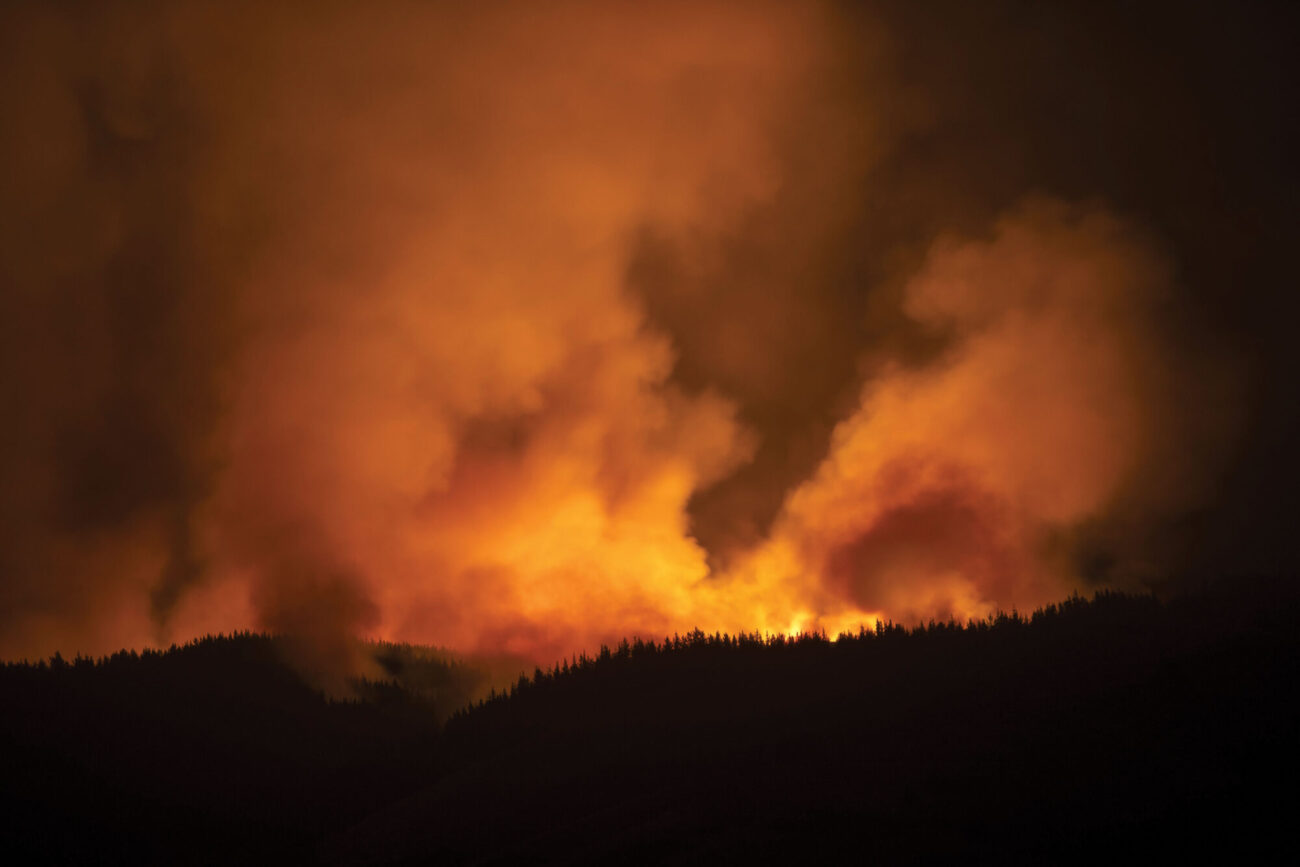
In February 2019, a contractor’s disc harrow struck a stone in a paddock at Pigeon Valley near Nelson’s Waimea Plain. The spark fell on land eager to burn: drought-seared and loaded with fuel. It ignited surrounding pine forests, and launched the biggest aerial firefight in the country’s history. For a month, 22 helicopter pilots hurled bucketloads of the Waimea River at an inferno that rampaged across 2400 hectares, forcing 3000 people to flee.
Eves Valley Scenic Reserve is all that remains—little more than a copse now—of the vast beech-podocarp forest that once covered these floodplains. This type of forest was lost to other blazes set hundreds of years ago, and it never returned, because native forests have no answer to fire. Keep reading...
|
|
|
| |
The forecast is for wildfires
Last January, New Zealanders watched in horror as Australians fled the worst wildfires in their nation’s history. Though the sunburned country and its indigenous people, plants and animals evolved in a fire-hardened landscape, this year’s fires weren’t normal. In the future, fires may never be “normal” again. New Zealanders are even less prepared. We’re not used to seeing extreme fires on our long, skinny, relatively damp isles, buffeted by sea breezes. But fires are expected to become more intense and common as our planet undergoes climate change. Soon, we’ll have to get used to them. Keep reading...
|
|
|
|
| |
"The girls can't get out!"
Christchurch, on the afternoon of November 18, 1947, was not a city whose inhabitants seemed in imminent peril of finding themselves in hell. The metropolis was calm and comfortable. Carnival Week had brought the landed families into town for shopping, the show, the racing at Riccarton and the balls and dinner parties which made this the high point of the social year. The big department stores vied with one another in mounting festive displays. Ballantynes, as always, was the most imposing. Ballantynes was famous as the place where the best people shopped. The showpiece of a private company which had been in the hands of the Ballantyne family for three generations, it was described by the Weekly News as “one of the city’s proudest monuments.” Its “long history and high reputation,” added The Press, made it “as much an institution as a business.”
The store, though imposing, was less than perfectly planned or constructed. Keep reading...
|
|
|
| |
Subscribe and support local journalism
While advertising and retail income goes up and down, it is subscriptions from readers like you that power long-term journalism projects from around New Zealand and help us keep the lights on.
It's not as much as you think—$8.50 every two months for digital, $12 for print or $16.50 for both... a gold coin a week. Check out the options.
|
|
|
|