|
|
Thanks to NZGeo's committed readers we now have more than 10,000 subscribers, enough to power our journalism through this difficult period. If you'd like to support our work with a subscription—either print or digital or both— please check out the options.The more subscribers we have, the more great work we can produce.
|
|
|
|
|
Richard Robinson
|
|
|
SOCIETY
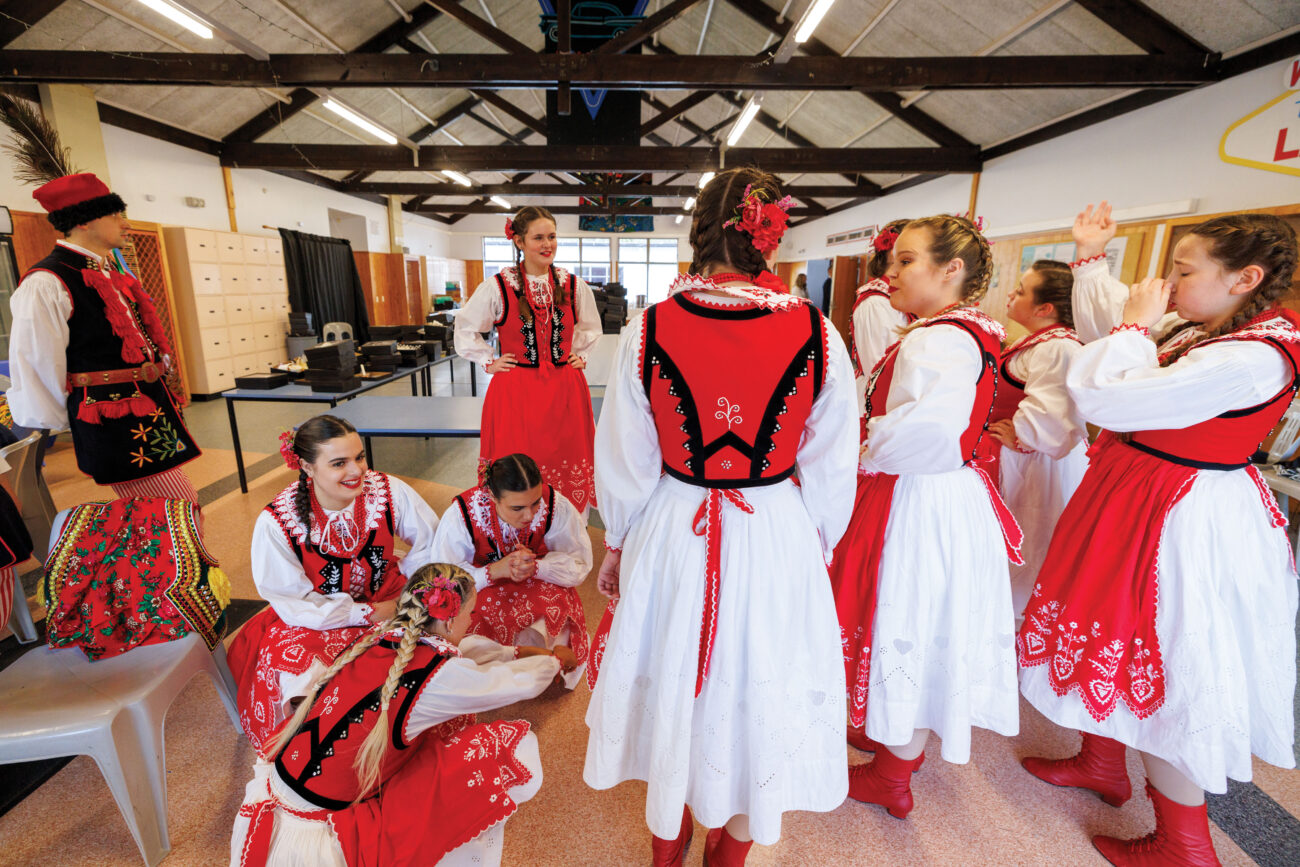
Hundreds of Polish children found safe harbour in Pahiatua during WWII. Today they gather to celebrate and remember.
At a long wooden table in a community hall in Pahiatua, people trade photo albums, books, names, anecdotes. They huddle over photographs, trying to identify faces. There are many families here today, but they are also one sprawling, incomplete family; the refugees meet up every so often for reunions that the whole town pitches in for. Many come not for the ceremonies or the Polish dumplings, called pierogi, but seeking closure, or relief. Some lack entire family lines and fill the space with the accounts of others. We can trace all of these stories back, the fragments as well as the fulsome histories, to a great current of dread and a regime that swept across Europe 85 years ago. Keep reading...
|
|
|
|
Alexander Turnbull Library
|
|
|
HISTORY
The mystery of the Brooklyn Dodger
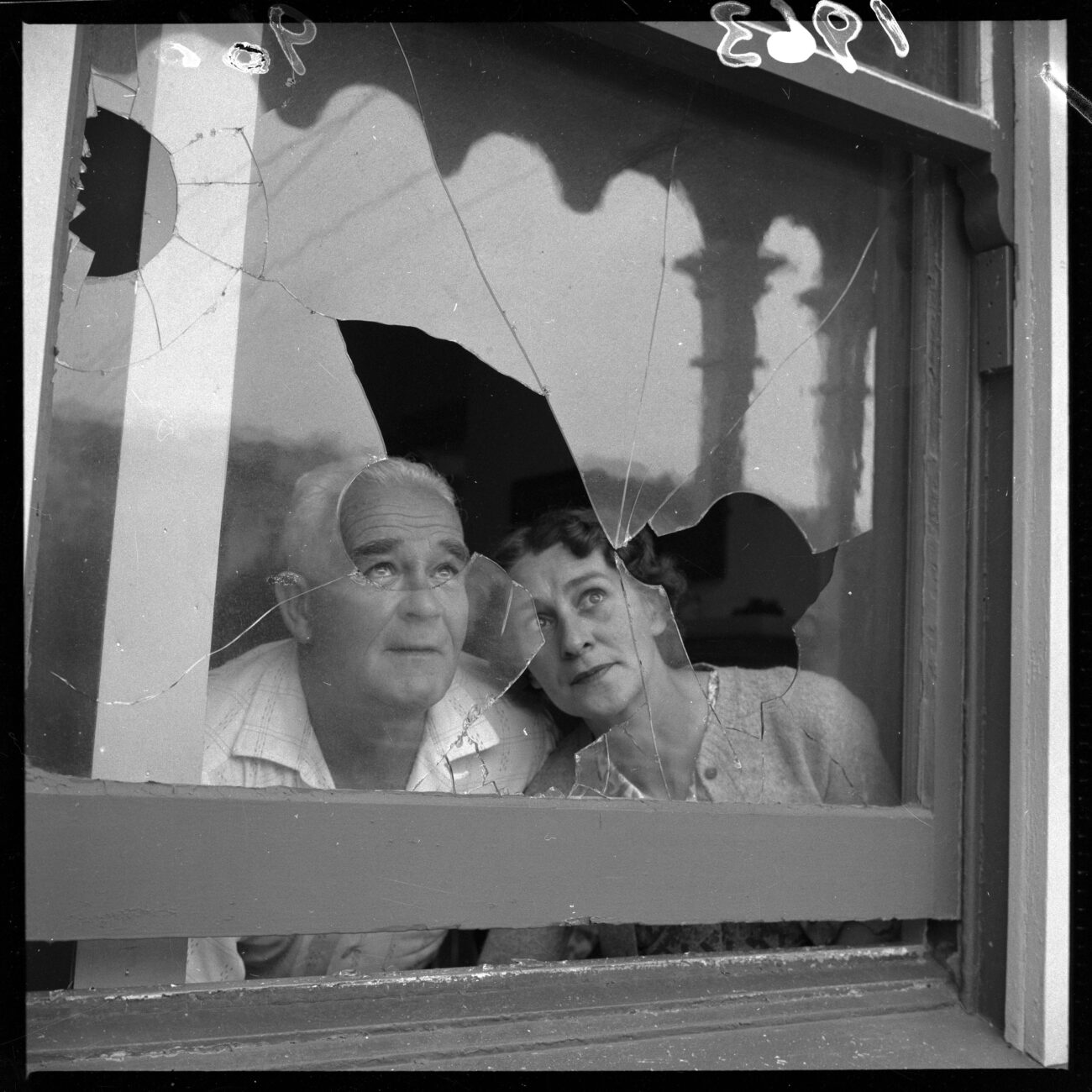
Around 9.30pm on March 24, stones and pennies began pelting the house from the front, shattering windows in a bombardment that went on for hours. A dark, tree-lined public road lay in that direction, as did the fresh macrocarpa stumps. The Beattys and their 15 male lodgers angrily went in search of the vandal but couldn’t find anyone. The police were called. By the following day, the weird happenings were public knowledge. Keep reading...
|
|
|
GIVEAWAY
Invitation to ride along on a real NZGeo feature
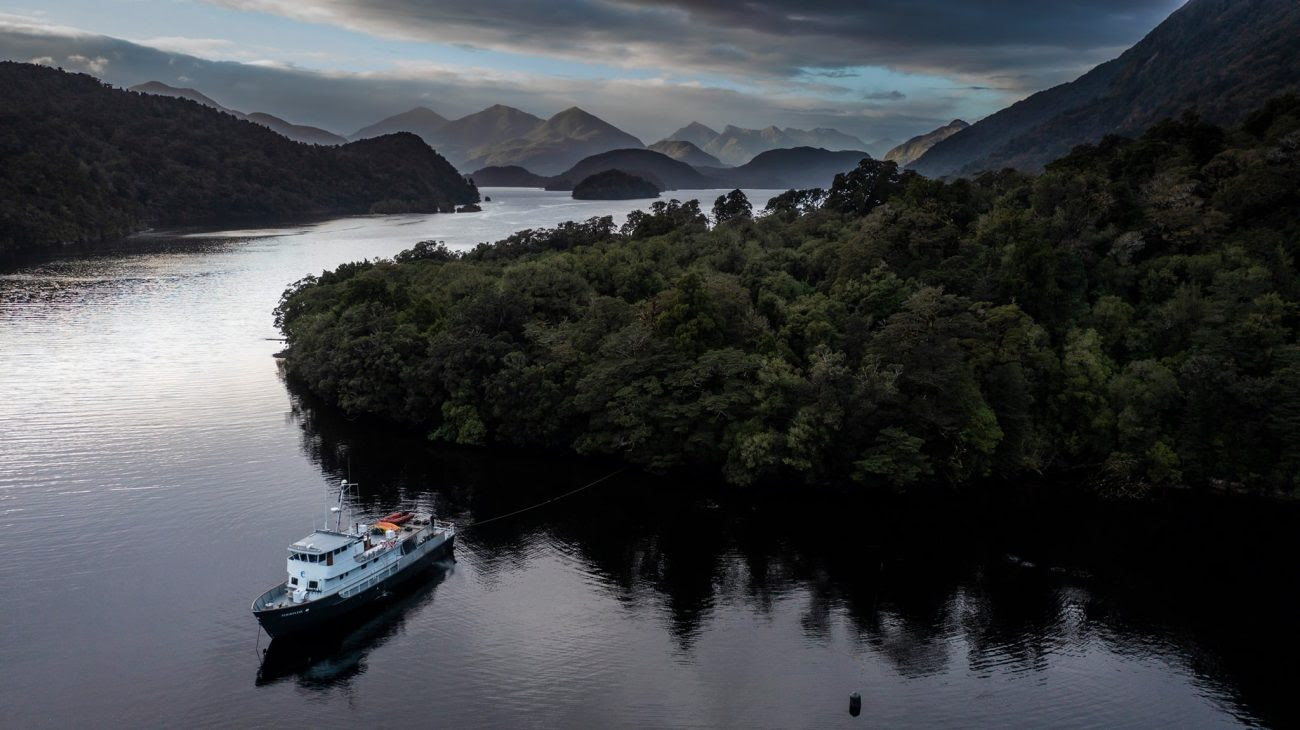
Pure Salt has been a long-time supporter of New Zealand Geographic—and a long-time protector of Fiordland—and they're offering subscribers a unique opportunity to join a research trip taking place next year. A NZGeo writer and photographer will be aboard searching for the elusive hāpuka, which were once abundant enough in Fiordland for midwater trawling in the fiords and regularly seen by scuba divers. Now, numbers are growing and they are returning to shallow waters, so the team will be exploring two of the 14 marine reserves in Fiordland as part of an editorial assignment. Paid berths are available for this excursion on 2nd - 6th of June 2025. As well as seeing the story up close, there will be plenty of time for all the regular activities. But anyone who has a subscription to NZGeo and fills in the entry form on the Pure Salt website will be in the draw to win a free berth worth almost $5000.
Find out more about the prize here...
|
|
|
|
Simon Runting
|
|
|
NEWS
To design better aircraft, researchers are mimicking birds
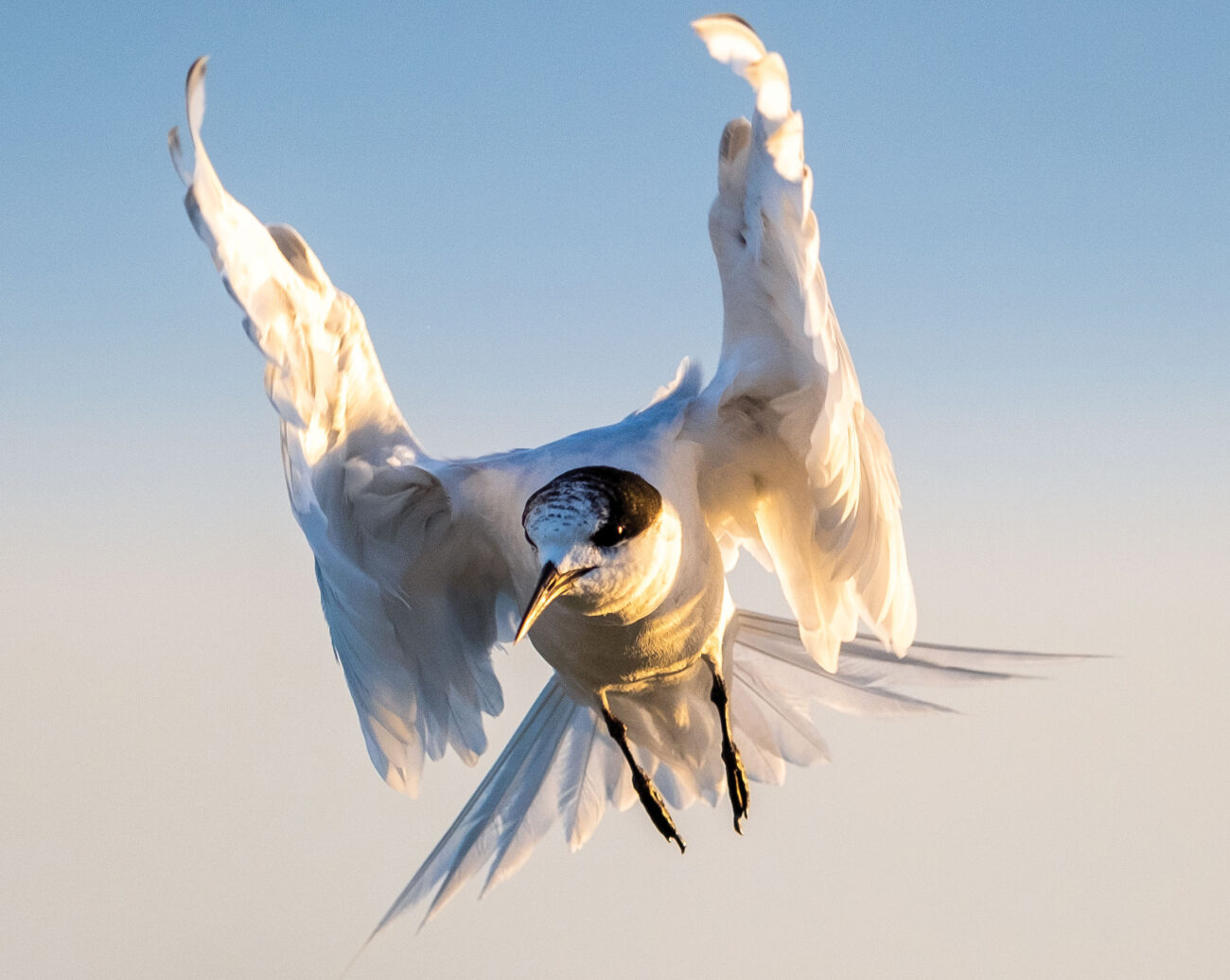
Pigeonbot II is a robot garbed in genuine bird plumage. Fifty-two feathers are attached to a mechanical wing with joints akin to wrist and finger. Programmed to imitate the reflexes of a bird in flight, Pigeonbot adjusts its wings, spreads its tailfeathers, tilts and shifts just like the real thing. These manoeuvres help the robot stay steady, whether gliding in a turbulent wind tunnel or soaring outdoors. Keep reading...
|
|
|