|
|
Craig McKenzie
|
|
|
WILDLIFE
The race to save the lives of Otago’s hoiho chicks
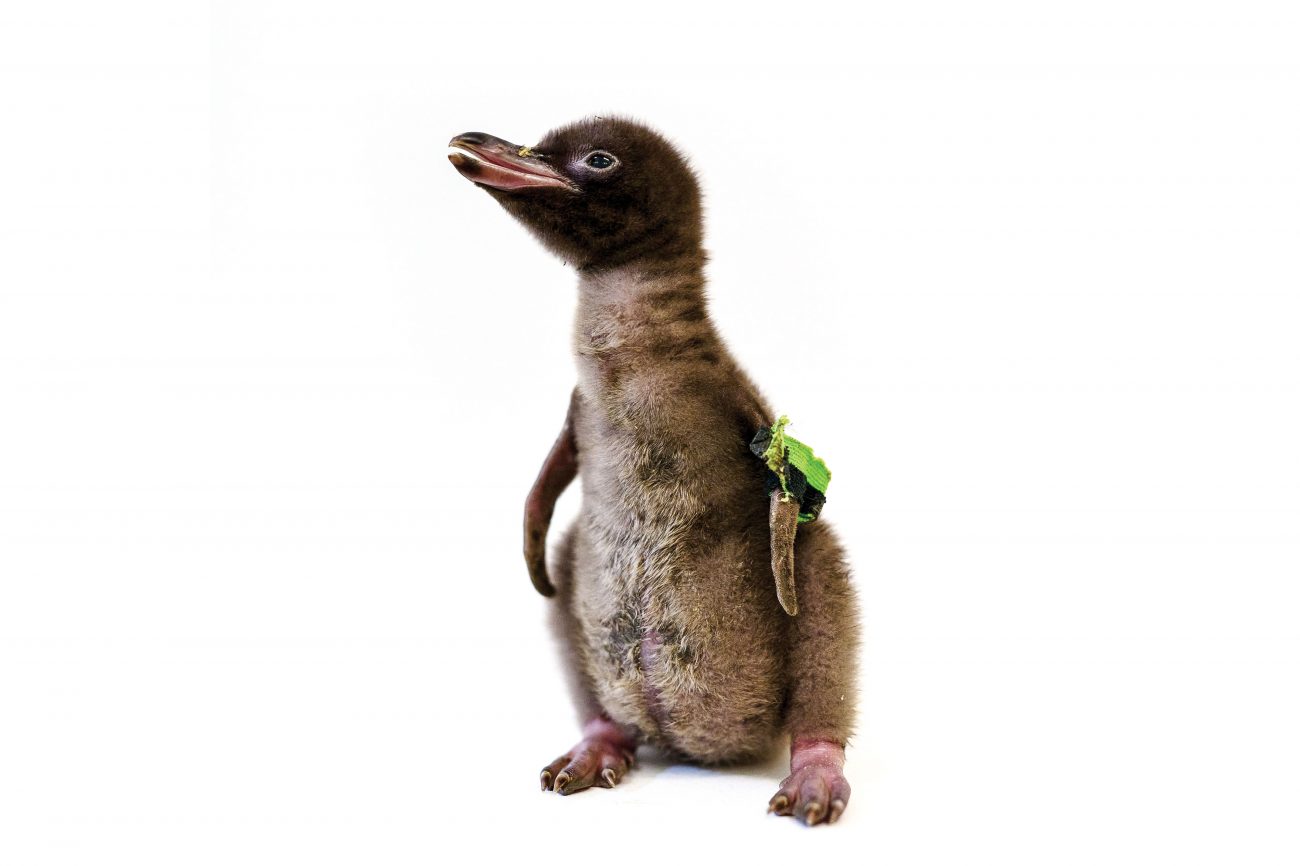
Dunedin Wildlife Hospital has been rejigged and jimmied for a massive emergency response at a tiny scale. Miniature incubators the size of microwave ovens are stacked on benches in an intensive-care unit that is no bigger than an office. The floor of a second small ward is lined with black plastic tubs, each padded with a towel. A giant chest freezer in the hallway is rammed with fish smoothie. There are 6000 mouth swabs in stock, hundreds of syringes and feed tubes, sterile and waiting. Extra vets and volunteers start arriving from Auckland Zoo, Wellington Zoo, Kelly Tarlton’s, the Dunedin City Council, Brisbane’s RSPCA Wildlife Hospital, and elsewhere. Over the month of November, every single hoiho chick known to hatch on the mainland will come through these hospital doors. They’ll be taken from the nest, raced straight to admissions and then into intensive care. Each chick will be just a day or two old and weigh about a hundred grams. Some will arrive still in their eggs.
Keep reading...
|
|

|
|
Jay Lichter
|
|
|
LIVING WORLD
Documenting the tiny rainforest that sprouts after wet weather
Twenty-seven-year-old Jay Lichter bought his first camera last April. Just in time. It was the beginning of the fungi season, and this was set to be a particularly soggy—and therefore fruitful—year. His old, cracked iPhone 6 was not going to cut it. Then he spent the winter in the mud, documenting his fungi finds on Instagram using the handle @cyanesense.
Although fungi are simpler to photograph than some equally microscopic but twitchy insects, finding them is a time-consuming mission. Lichter has occasionally shot fungi in his own garden—they even pop up in his houseplants. But his favourite spots in Auckland have been the Hunua Falls and Gittos Domain in Blockhouse Bay. On one shoot at the falls, it took him seven hours to cover a one-kilometre path for just a dozen fungi finds.
Keep reading...
|
|
|
|
Richard Robinson
|
|
|
OCEANS
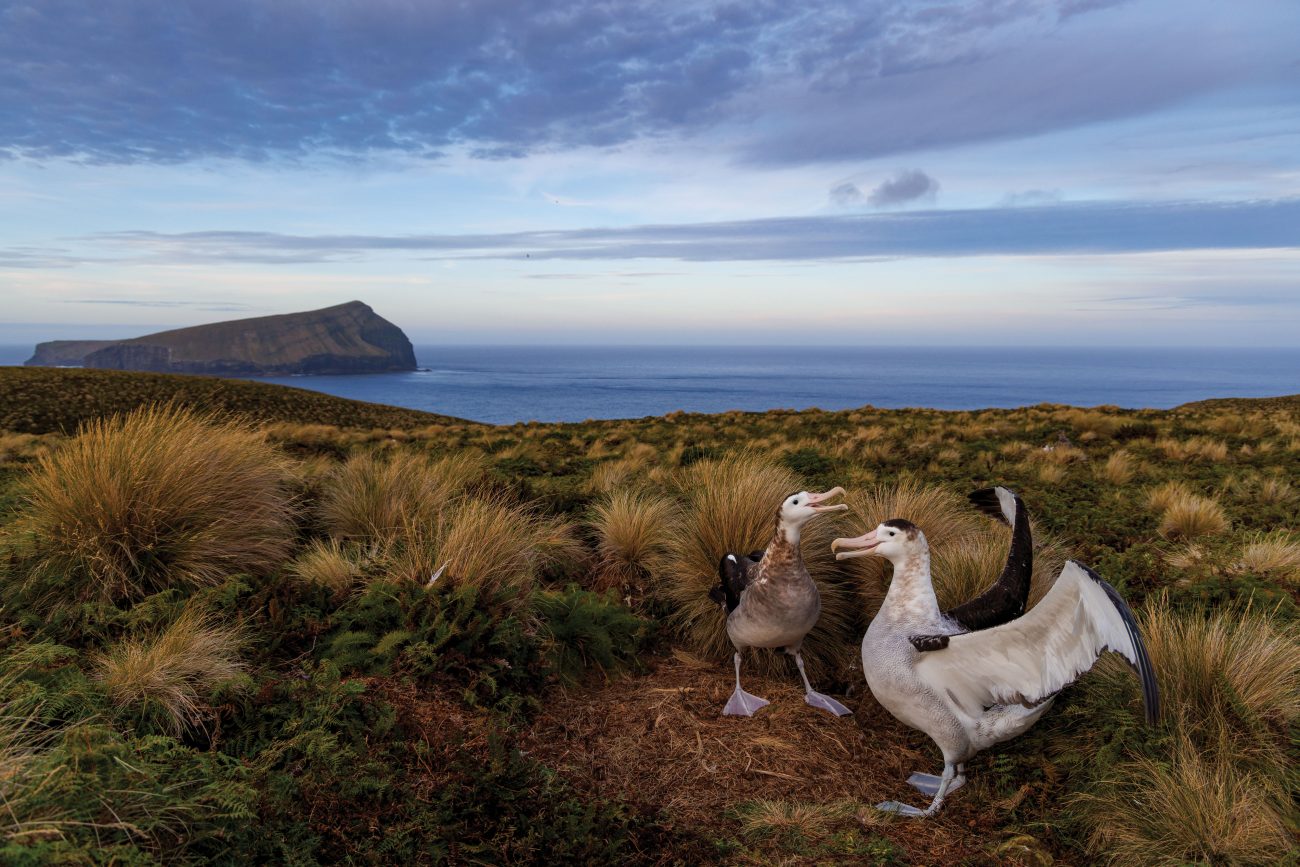
Some good news, for once, involving albatrosses
Earlier this week, something took place that has been awaited for years: longline fishers must now have cameras monitoring their operations. Fishing accidentally catches all kinds of species, and knowing what is being caught (and when and where) is crucial to figuring out how to prevent it happening. And for Antipodean albatrosses, knowing how many birds are being killed by fishing helps predict how the species is doing overall.
We know more about Antipodean albatrosses than we do about most of the seabirds that live in our subantarctic islands thanks to two people.
Keep reading...
|
|
|
reader expeditions
See them for real
New Zealand Geographic and Heritage Expeditions have partnered up to offer readers the chance to visit some of the more remote corners of New Zealand with special expeditions featuring expert guests.
The next expedition combines three destinations—Stewart Island, Fiordland and The Snares—into one eight-day itinerary, with ex-director general of the Department of Conservation (DOC) and renowned conservationist Lou Sanson as the onboard expert.
The expedition takes place from March 1–8, 2024.
Learn more about the trip...
|
|
|