|
|
Rob Suisted
|
|
|
TE AO MāORI
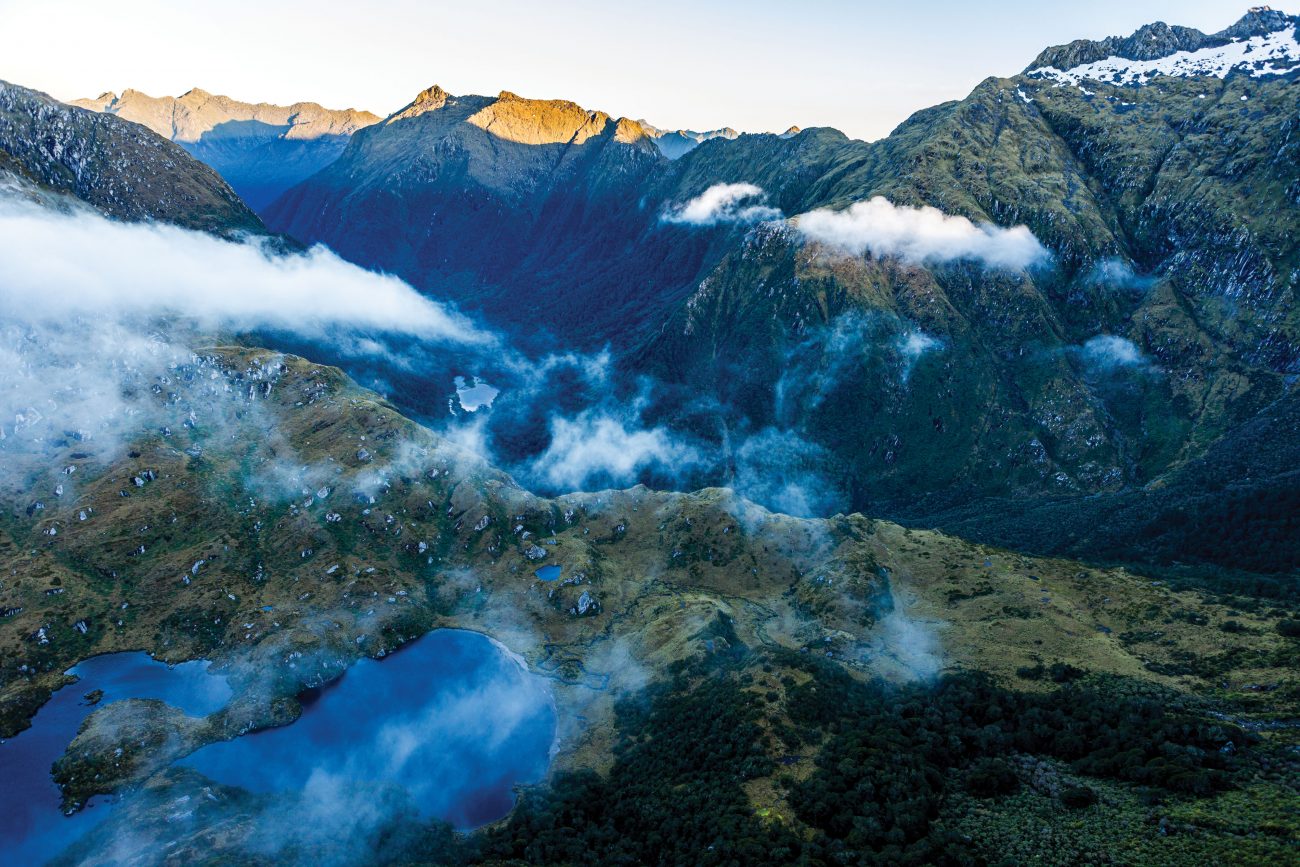
The true story of the lost tribe of Fiordland
Bare footprints. Remote campfires. People who slip into the bush when approached. Over the centuries, the stories have kept mounting up.
One of the first (and most surreal) tales of an encounter with a lost tribe came from a sealing party. In the early 1800s, the group pulled into Wet Jacket Arm, at the top of Dusky Sound, to find 40 Māori cooking weka on spits on the beach. They appeared friendly. The sealers found a nearby place to beach their boat, then returned along the shore to talk. They found the camp deserted. The surrounding bush stood silent; just the spit and hiss of roasting birds, the lap of waves. Unnerved, the sealers rowed away, leaving the untended fires burning on the beach. Across Fiordland, a pattern seemed to emerge. Waka whose occupants ignored calls and paddled off. Recently abandoned campsites, bare footprints, distant figures who vanished, campfires sighted in mountainous regions too rugged to investigate. What were people doing in such godforsaken, sandfly-infested places? Why were they so unwilling to engage? Keep reading...
|
|
|
|
Auckland Libraries
|
|
|
FROM THE ARCHIVES
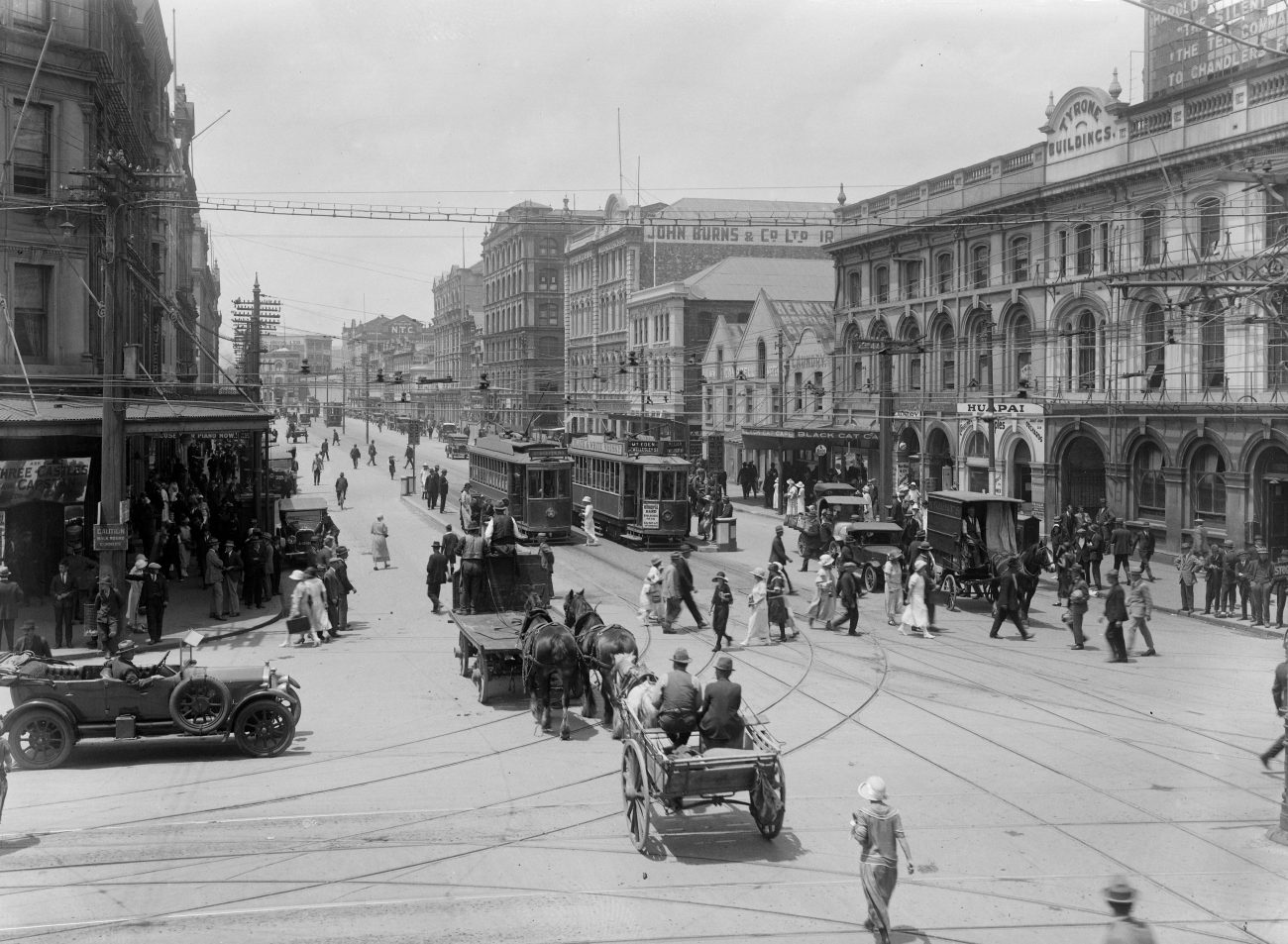
How our streetscapes affect our lives, health, and communities
In 2023, roughly one person was killed every day in a road accident in New Zealand: a rate that’s much higher than that of similar countries. In fact, we have one of the worst road safety records in the developed world, writes Simon Wilson for the Herald. If our road toll was proportionally the same as Australia’s, around 100 people would still be alive today. Last month, news broke that the coalition government is stopping work on dozens of cycling, walking, and public transport projects around the country, and scrapping the Road to Zero strategy for reducing road accidents. We need to get around our towns and cities. How can we do this safely? And how does transport separate or connect us? Keep reading...
|
|

|
|
Te Ūaka The Lyttelton Museum
|
|
|
HISTORY
That little-known New Year’s tradition of blowing up a ship
On New Year’s Day, 1902, the entire population of Christchurch seemed to have travelled by train to Lyttelton, on the other side of Castle Rock. More than 10,000 Cantabrians thronged the harbour’s shore as they celebrated the tiny settlement’s annual regatta with swimming competitions, yacht races and merry-go-rounds. Those attractions, however, were sideshows to the main event: one of the strangest annual celebrations in New Zealand history. Keep reading...
|
|
|
|
SUBSCRIBE TO SUPPORT OUR WORK New Zealand Geographic is a Kiwi-owned family business striving to celebrate and investigate our environment and society. While advertising and retail income goes up and down, it is subscriptions from readers like you that power long-term journalism projects from around New Zealand and help us keep the lights on. It's not as much as you think—$8.50 every two months for digital, $12 for print or $16.50 for both... a gold coin a week. Check out the options.
|
|
|
|