|
Invercargill motorcycle heroes; the new frontier of farming
|
The Weekender |

|
|
|
Free newsletter
|
FEBRUARY 23, 2024
|
|
 |
Senior editor, digital |
|
Beachgoers beware: a large number of dead and dying snapper are floating in the sea off Auckland, and have been washing up along the coast in popular spots like Omaha and Tāwharanui. “I’ve never seen anything like it before,” says fisher Andrew Barker, who captured the phenomenon on video and reported it. “Big fish, too.” The fish are legal size, leading to suspicions that they may have been dumped by a fisher who had exceeded their quota. Whether that’s the case, or whether the fish died of other causes, the Hauraki Gulf can’t afford to lose any more snapper. The lack of big snapper and crayfish leads to kina taking over, stripping the seafloor of the kelp that nourishes sea life. Fisheries officers are investigating the snapper deaths, while questions remain about the quota system that’s supposed to be managing our fish. In the meantime, entrepreneurs and scientists are working on producing a more sustainable fish: one that’s grown on land instead of in the sea. |
|
|
|
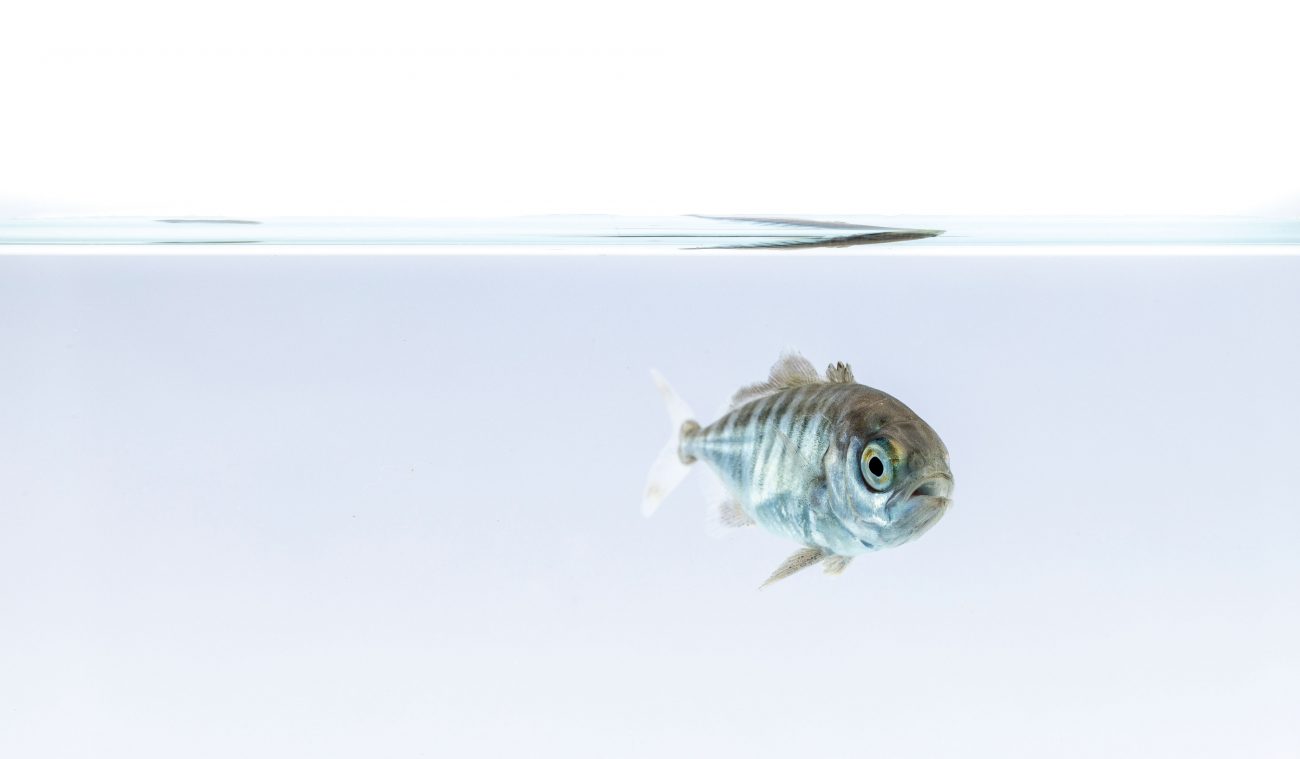
LIVING WORLD To eat more fish, we need to farm them on landFrom the outside, Ocean Beach resembles a collection of crumbling haunted houses—salt-lashed concrete, gory dribbles of rust, graffiti, peeling paint. Inside, though, it’s teeming with technology and life. Twelve million whitebait and 900,000 pāua fatten in hundreds of tanks. Two different seaweed start-ups base themselves here too. “I call it the Disney World of aquaculture,” says Andrea Alfaro, Ocean Beach’s chief scientist. “Every little room, it’s a different ride. It’s got its magic, it’s got scary bits, it’s got fun bits. It’s a really exciting place.” |
RELATED STORIES |
|
|
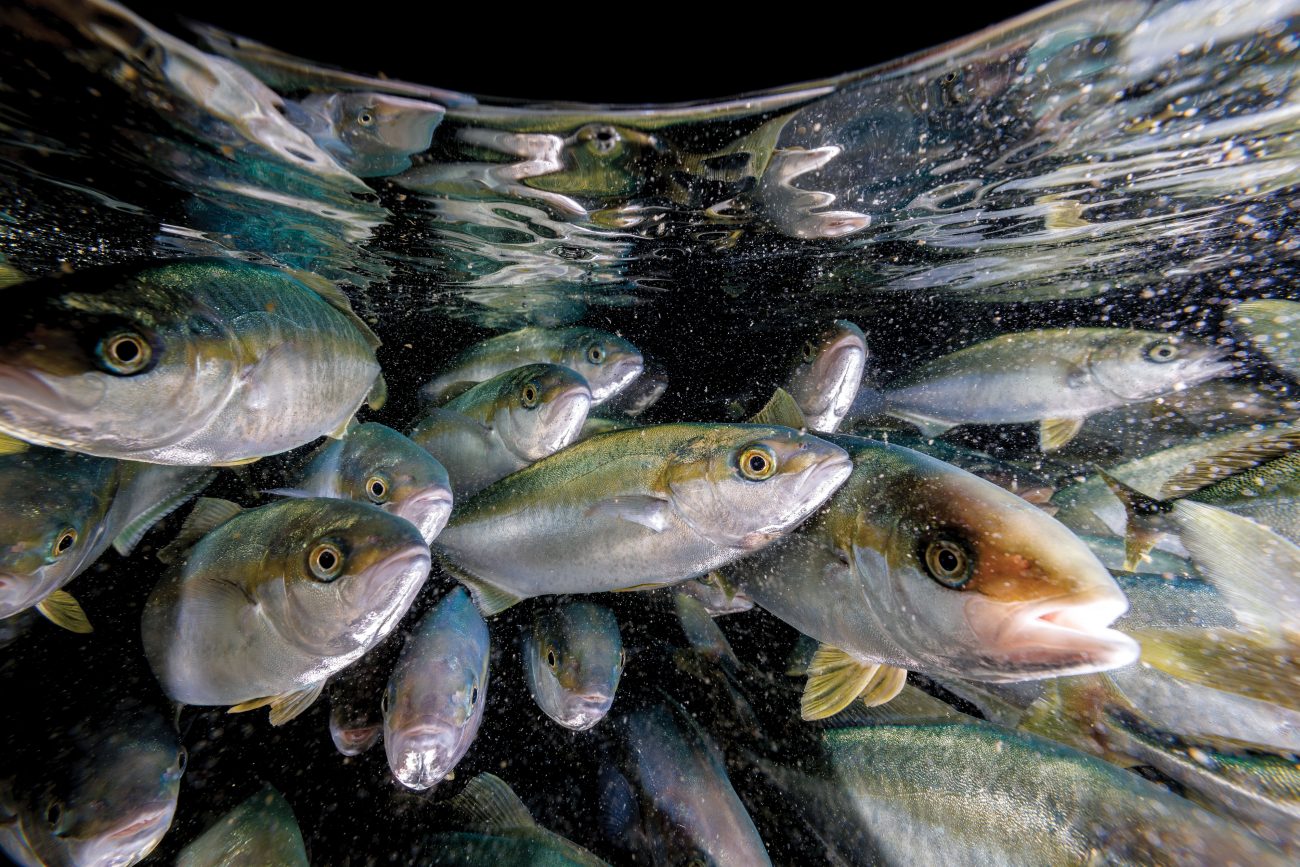
IN THE FIELD How we reported on aquacultureWhile shooting our aquaculture feature above, underwater photographer Richard Robinson found it disconcerting to see kingfish in tanks. “They’re almost like drones, you know? They’re just swimming in circles.” Wild kingfish are “spectacular”, he says—bait balls involving big numbers of the apex predator “are one of the coolest things I’ve ever seen”. He’s torn: in awe of the wild fish, as well as the science that’s letting companies farm them in tanks. And he keeps thinking about how strange it is that the farm is so close to the sea. “If we can achieve this on land why can’t we get the ocean right?” |
|
|
|
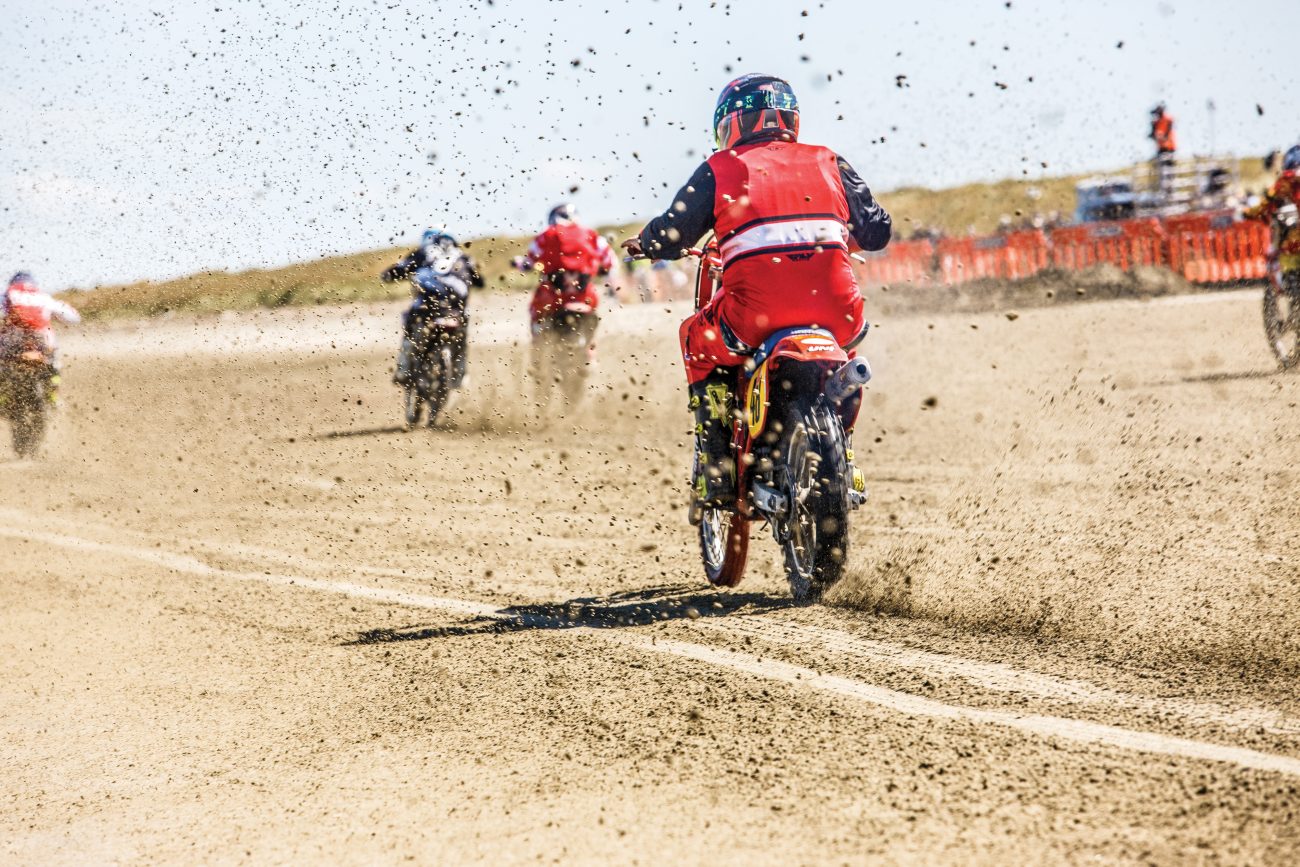
FROM THE ARCHIVES Anyone can be an Invercargill motorcycling legendThe speed limit on Oreti Beach is 30 kilometres per hour. On any other day, that is. During the largest motorcycle rally in the Southern Hemisphere, the limit is based on whatever grip you can eke from the friable sands. New Zealand Geographic attended the Burt in 2019, and documented what it takes to win. |
|

|

|
SUBSCRIBE TO SUPPORT OUR WORK New Zealand Geographic is a Kiwi-owned family business striving to celebrate and investigate our environment and society. Subscriptions from readers like you that power long-term journalism projects from around New Zealand. It's not as much as you think—$8.50 every two months for digital, $12 for print or $16.50 for both... a gold coin a week. Check out the options. |
||