|
The homeowners of Lake Ellesmere/Te Waihora live in limbo
|
The Weekender |

|
|
|
Free newsletter
|
FEBRUARY 21, 2025
|
|

|
Publisher |
|
This week, while preparing the latest issue for press, three headlines landed in my inbox at more or less the same time. First, news that the charity Environmental Law Initiative had—for the second time—taken the Minister of Fisheries to the High Court to force a review of the commercial catch for crayfish in Northland (CRA1). Again, the minister’s decision was found to be “unlawful”. “There was no evidence the reductions he selected would allow rock lobster to play their part in controlling kina populations or delivering ecosystem functions,” wrote Justice David Boldt. Nor did the minister “take account of the best available information”. You can read the full decision here, which is very long but thoughtful, even pausing to quote Charles Darwin. Justice Boldt also noted; “This case is a sequel. It is important it does not become the second part of a trilogy… It is apparent the collateral damage to the wider environment will continue unless the forces driving it are reversed.” With comedic timing, the second headline to cross my desk was Fisheries defending their decision to increase the commercial catch of crayfish in the Hauraki Gulf and Bay of Plenty fishery (CRA2). In an action replay of the CRA1 debacle, scientists presented evidence to show that Ministry stock assumptions were incorrect and that crayfish populations were crashing, not increasing. It seems that Justice Boldt will almost immediately be getting the trilogy he feared. If the first two headlines were a bizarre reflection of each other, the third may offer the solution. Westpac financial analysts crunched the numbers and forecast that New Zealand’s marine economy could grow by $4 billion by 2035, but only if it embraces more sustainable practice. That transition, says Westpac MD Reuben Tucker, “is going to be critical in meeting offshore market expectations”. Once again, environmental and economic concerns are not in opposition—as is so often suggested—but in fact, more aligned than ever. |
|
|
|
|
Is journalism about our environment important to you? If so you can support our work with a subscription—either print or digital or both— please check out the options.The more subscribers we have, the more great work we can produce. |
||
|
|
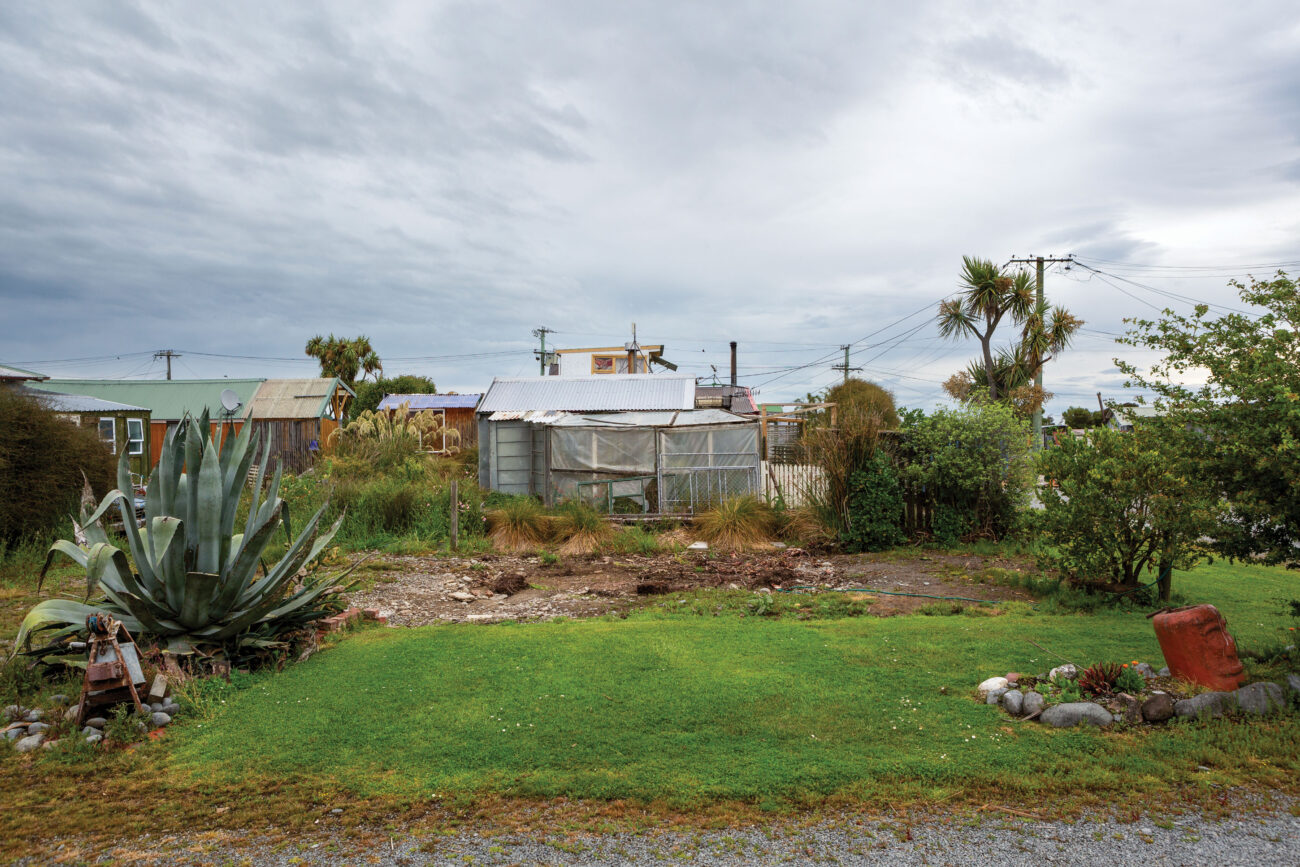
VIEWFINDER The homeowners of Lake Ellesmere/Te Waihora live in limboThe mist hangs low over Lake Ellesmere/Te Waihora, a body of water that’s not really a lake, nor a lagoon, but floats somewhere between the two. Reeds and wading birds puncture the dense bottle-green of the water, rich, fragile ecosystems swirling in the shallows beneath. This place is famous for being one of our most important wetland habitats, and one of the worst polluted—though restoration projects are now well under way. Photographs of the lake tend to focus on the algal blooms that turn it an eerie emerald. But Joe Harrison was captured by another aspect: the people who have made homes and lives here. Since about 1900, several communities have sprung up on the shores of Te Waihora, people who make their living off its produce—pātiki/flounder, mostly—or who enjoy the secluded, simple lifestyle it brings. But times change. The residents of three communities have all been given deadlines to move out. |
MORE STORIES ABOUT BACHES ON PUBLIC LAND: |
|

|
|
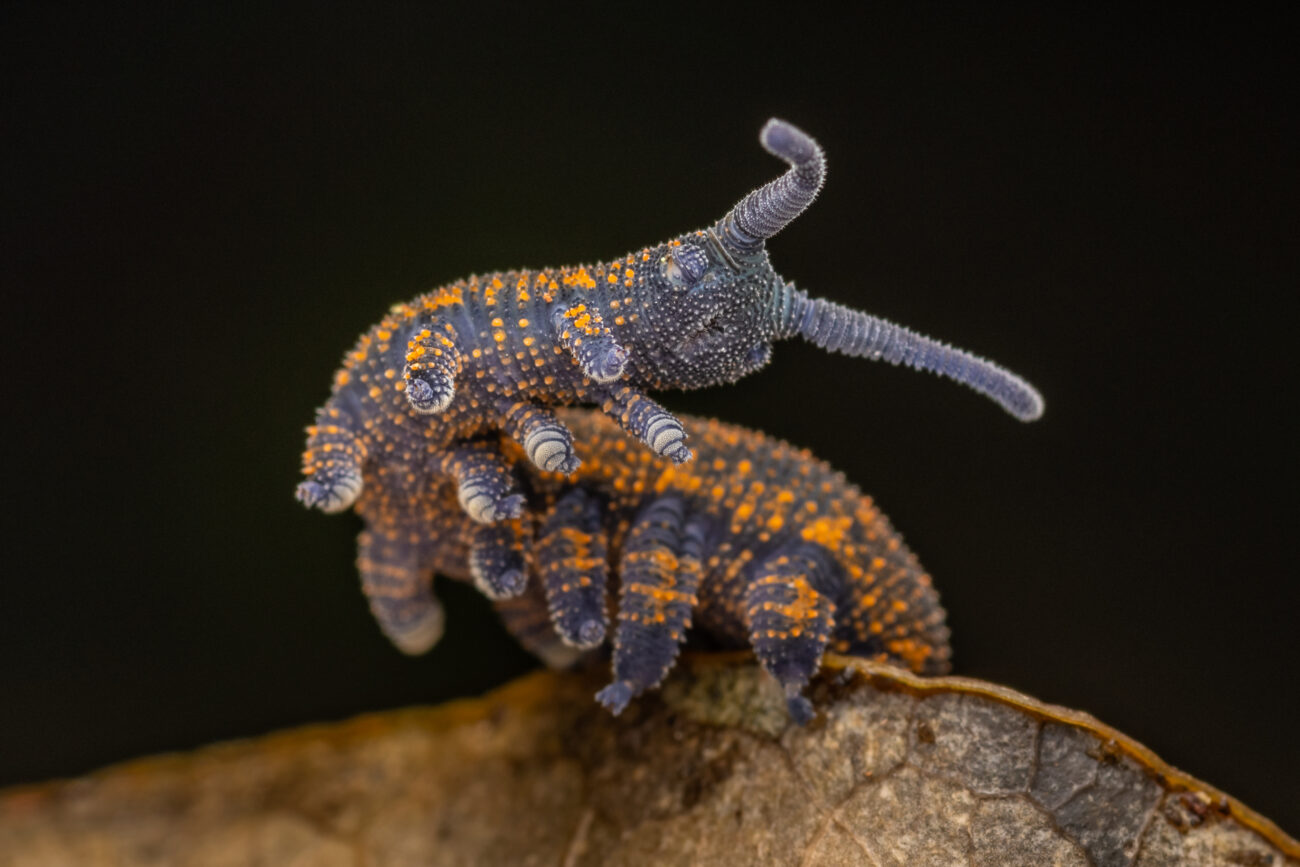
WILDLIFE Big gong for weird wormYou heard it here first... the New Zealand velvet worm, which fires toxic slime from nozzles on its face to dissolve its prey, has just won Bug of the Year. The preying mantis, with far more modest moves, sloped into second spot a comfortable 110 votes behind. Dunedin is a hotspot for the ngāokeoke, which hit the headlines in 2012 as a motorway extension threatened to wipe out precious habitat. (After a long a bitter battle, the affected residents were moved, including their favourite logs.) |
|
|
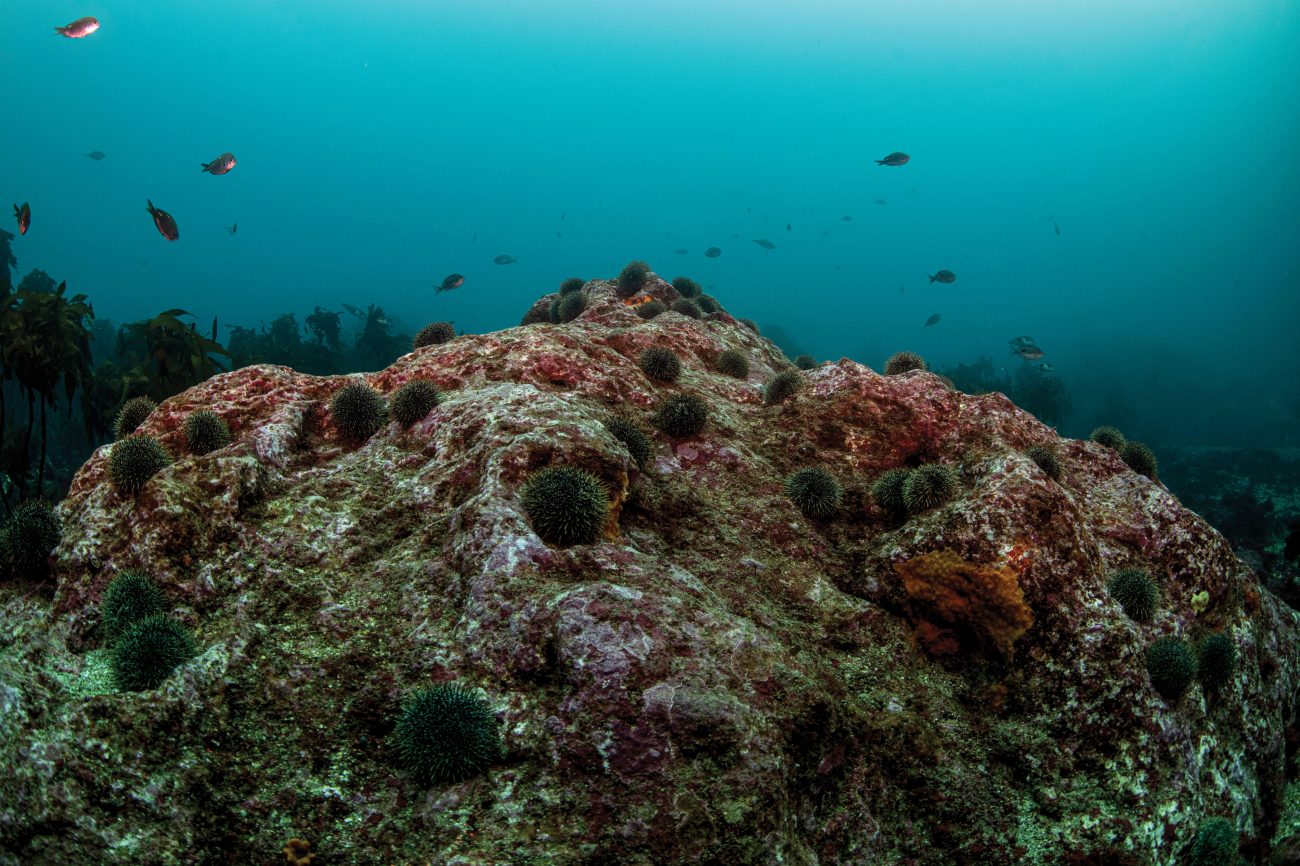
ENVIRONMENT To understand kina barrens, understand this: crayfish eat kina, kina eat kelp... and where crayfish are few, kina are abundant, deforesting the reefs that support life around our coasts. New Zealand Geographic has published on this issue a number of times—the formation of kina barrens, the hope that commercial aquaculture will create a solution, using robots to rapidly count urchins for scientific monitoring, the role of marine protection, even a podcast... and how the threats to kelp forests in the south differ remarkably. |
|

|
GIVEAWAY Making the invisible tangibleNew Zealand Geographic has four double passes to give away to Olafur Eliasson: Your curious journey, which highlights over 30 years of the world-renowned artist's creative work at Auckland Art Gallery Toi o Tāmaki. |
|