|
This summer, keep a lookout for the following items: on land, ancient moa remains; at sea, giant manta rays.
|
|
||||||||


|
Senior editor, digital |
|
If you’re feeling a little tired of the rain, you’re probably not alone: turns out last month was the wettest November on record. All the rain in recent years has been uncovering fossils around New Zealand—like the elasmosaurus bones unearthed by Cyclone Gabrielle in Hawke’s Bay, which belong to a 14-metre-long sea dinosaur (more on that in the next issue of the magazine). Palaeontologists are racing to save these relics when they emerge, as fossils are extremely fragile (more below). Speaking of fossils, New Zealand won Fossil of the Day at this year’s UN climate conference—a dishonourable award for nations making bad decisions about climate change. Our decision to re-open oil and gas exploration clinched the award, but the government’s plans to buy offsets overseas rather than reduce emissions here is also making us look silly (and is going to be expensive). The hope is that by the end of this COP, we’ll have some kind of global agreement around phasing out, or phasing down, the use of fossil fuels—bad news for anyone thinking of exploring our waters for more of them. |
|
|
|
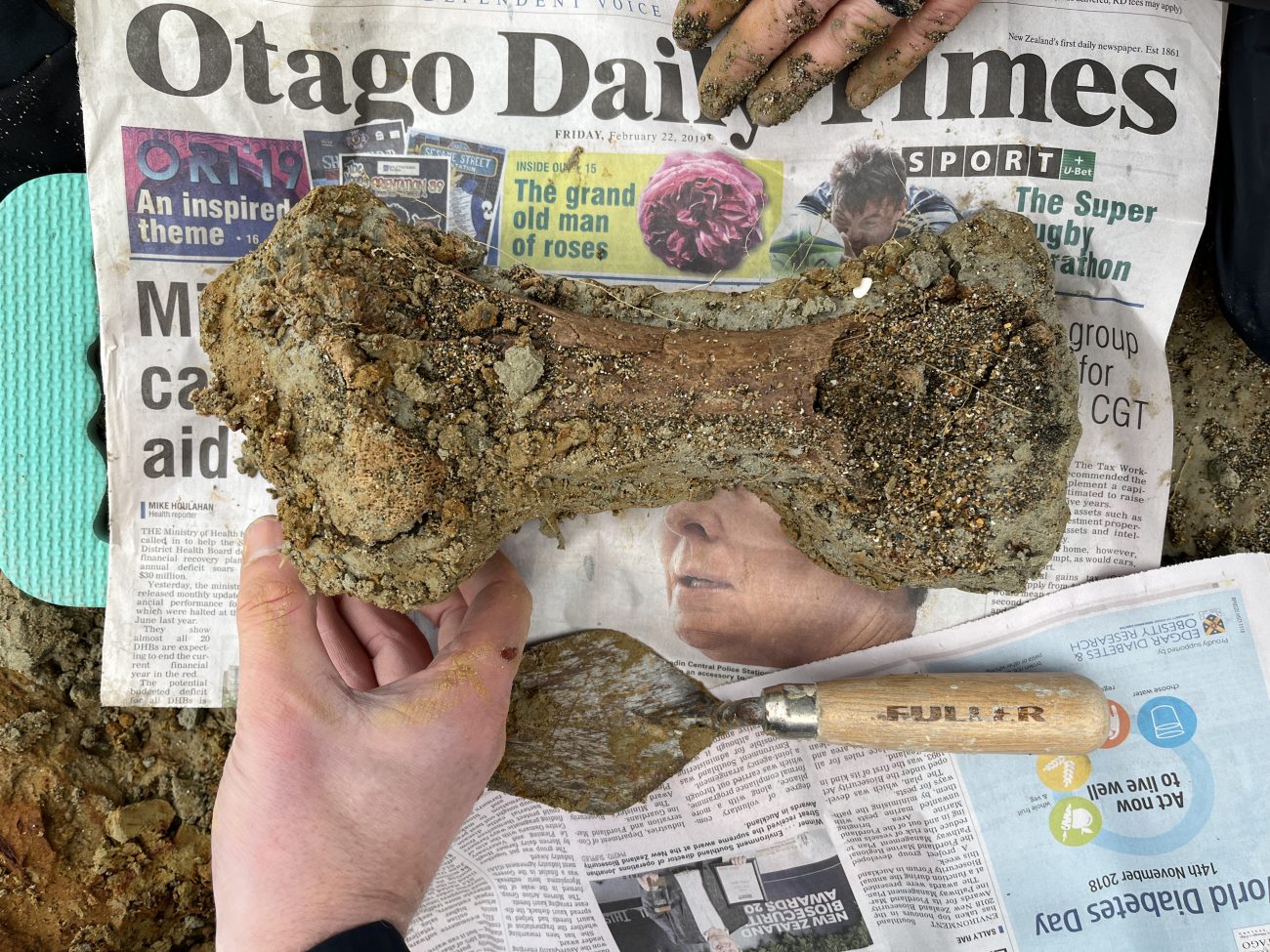
ANCIENT WORLD Palaeontologists ask for help identifying and preserving fossilsSince 2019, extreme weather events mean fossils have been popping out along rivers and coastlines at a rapid rate—and they’re now appearing so quickly that scientists are struggling to get to them in time. Recently, palaeoecologist Nic Rawlence was alerted by a member of the public to an entire moa skeleton that had appeared in a bank along the Otago coast, as though emerging from the mud. “We had some of the vertebra, part of the pelvis, the legs, and we had like a femur sitting right on top of a tibia on top of fibula,” he says. Fossils are super-delicate when exposed to air and sunlight; they’re safest nestled in the mud they’ve been locked in for millions of years. If they’re moved even slightly out of place, experts might not be able to figure out how old they are. Fortunately, the person who made one of the most spectacular discoveries in recent years did the right thing: he took a bunch of pictures on his phone and sent them in a Facebook message to Otago Museum. Read the full story... |
MORE IN PALAEONTOLOGY |
|

|
|
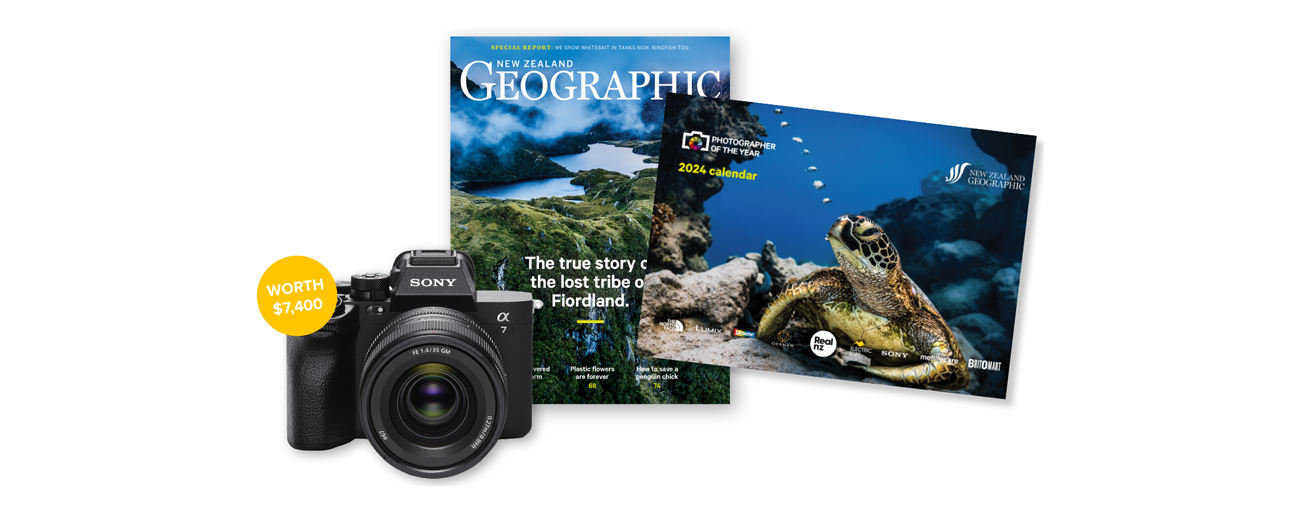
SUBSCRIBE TO WIN A SONY CAMERA PACKAGE Subscribe or renew by Christmas and go into the draw to win a Sony Alpha 7M4 and Sony FE 24-105mm f/4 G lens worth $7400. All subscribers also receive a free 32-page 2024 wall calendar! It's not as much as you think—$8.50 every two months for digital, $12 for print or $16.50 for both... a gold coin a week. Offer applies to any new or renewed one, two, or three-year print or digital subscription to New Zealand Geographic between Nov 15–Dec 25, 2023. Prize goes to the biller. |
||
|
|
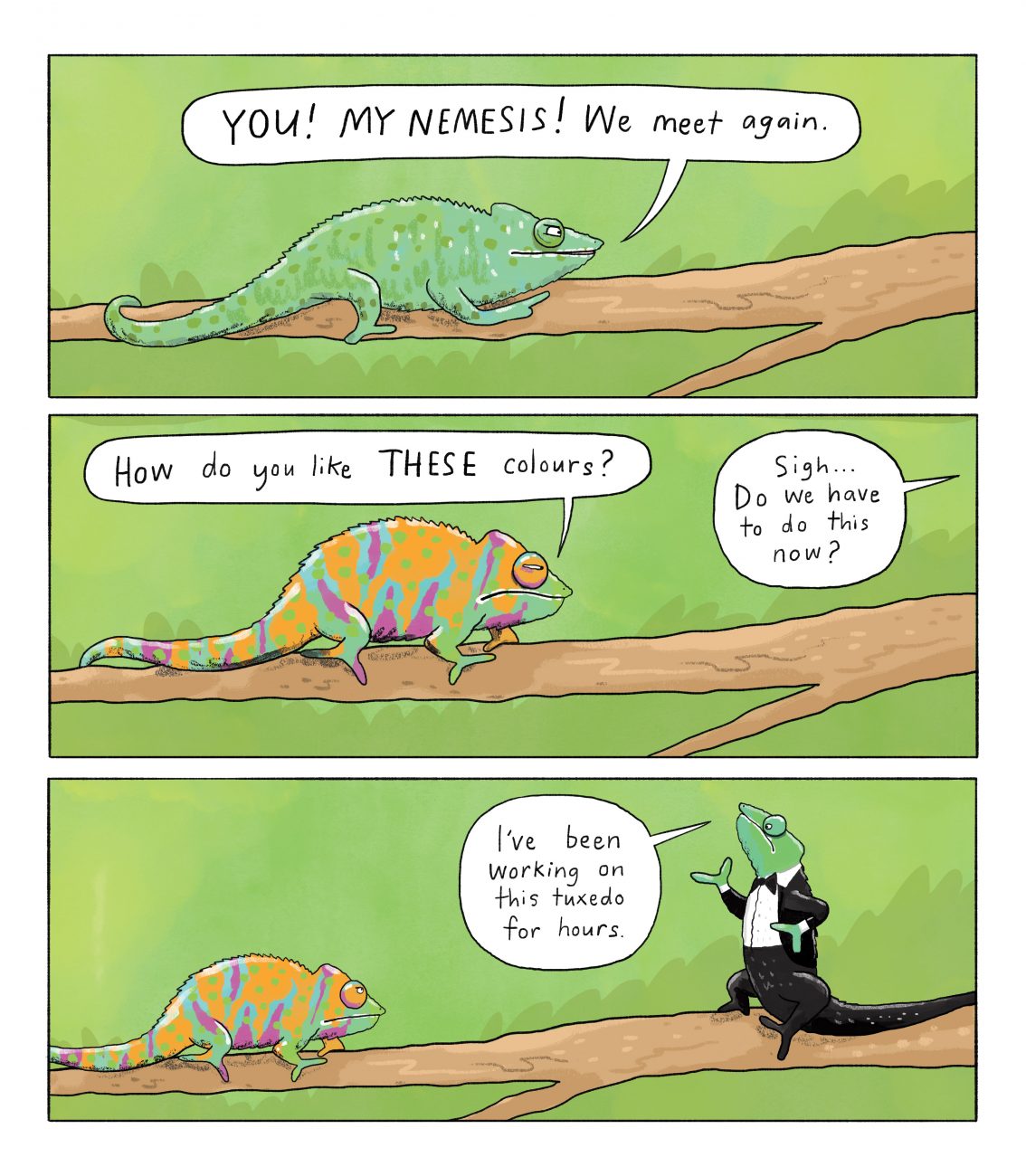
JUST SO How animals choose their outfitsMost animals have a wardrobe problem. How to stand out—but also hide—if you only have one outfit? Some animals keep their glad rags concealed beneath feathers, frills, or extendable dewlaps (folds of skin hanging beneath the throat). In certain species, males are showy, while nest-guarding females are drab. European songbirds feature ultraviolet patches on their chests and foreheads that are hidden from predators without UV sight. But a surprising number of reptiles, insects, cephalopods, crustaceans, amphibians, fish, birds and even mammals change their colouring to suit the needs of the moment. Keep reading... |
MORE JUST SO STORIES |
|
|
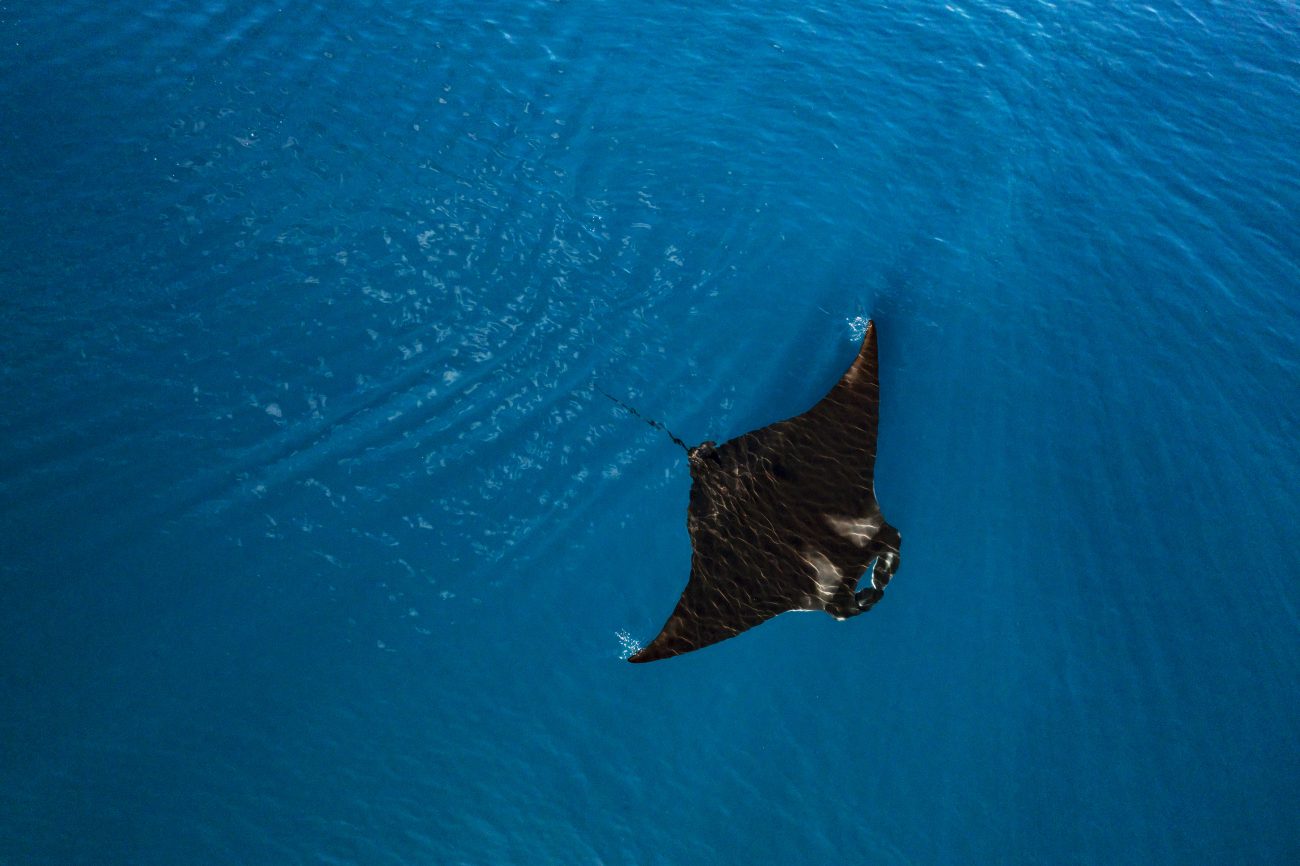
CITIZEN SCIENCE It’s manta ray season, and scientists hope you’ll spot themManta rays are huge—up to six metres wide—and intelligent. They also spend their summers in New Zealand waters where, for the fourth year in a row, the non-profit Manta Watch is asking people to report any sightings. Even better if you take pictures, especially of the rays’ bellies, which have unique markings that allow scientists to identify individuals. Though manta rays are giant, they’re gentle. We know that they communicate with each other using their cephalic fins—the ones around their mouth—and that they have long-term friendships. But we don’t know much about where they travel or how they’re doing, and that’s what Manta Watch is trying to change. Last summer, journalist Kate Evans and photographer Richard Robinson got up close to the giant rays. Keep reading... |
|
|
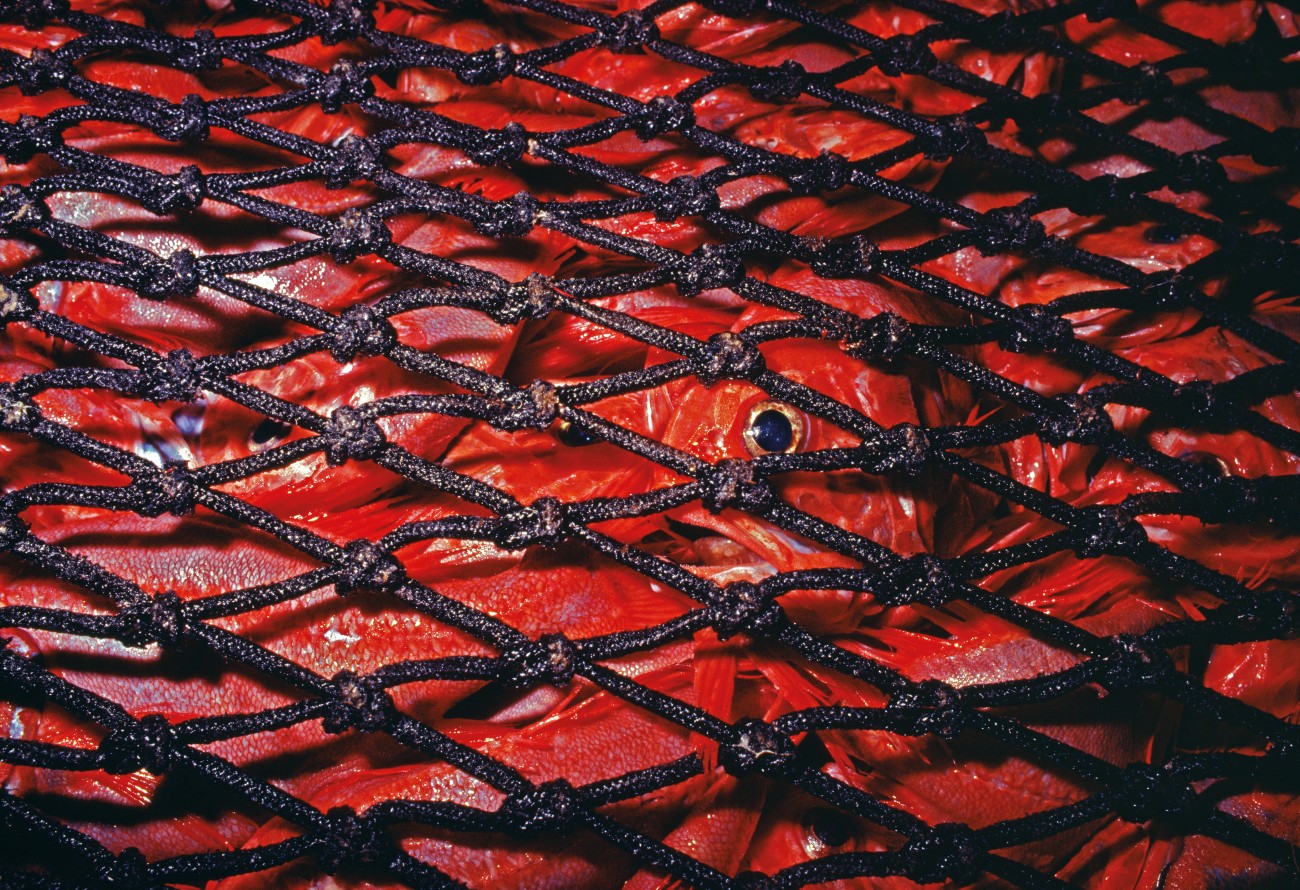
OCEANS Fishers step back because there aren’t enough orange roughyThe fishing industry has opted to give up a sustainability certification for New Zealand’s largest orange roughy fishery. Three of New Zealand’s nine orange roughy fisheries used to be Marine Stewardship Council-certified—now, only two are. In July, we reported that the sustainability of the East and South Chatham Rise fishery was in question, after scientists found that the models used to estimate the number of orange roughy were flawed. An acoustic survey detected much lower numbers of fish than expected, and fisheries scientists realised they needed to do more research to produce a reliable stock assessment. (In 2022, a study found that some orange roughy do not breed until they’re 80 years old.) In September, then Minister of Oceans and Fisheries Rachel Brooking reduced the commercial catch allowance by 40 per cent to reflect the uncertainty. Now, Seafood New Zealand will self-suspend the MSC certification for the East and South Chatham Rise area, which provides at least 65 per cent of the orange roughy landed. (If they hadn’t, auditors would likely have done it for them, as fisheries cannot be certified without a current stock assessment.) Certified orange roughy from the other two fisheries will still be able to be exported to the US and Europe—which legally require MSC certification—but fishing company Sealord says it now won’t be able to meet US demand. The industry says it’s now working towards re-certification and urges the new government to prioritise work on the stock assessment. |
|

|

|
LOOK UP 'Tis always the season for space gazing, and Stardome Planetarium and Observatory has two double passes to give away to New Zealand Geographic readers. These passes can be used for any of Stardome's regular shows, as well as the Year in Space 2023 show (excludes Pink Floyd, Sci-fi season and other special events). Email partnerships@nzgeographic.co.nz with the subject line 'Stardome' to go in the draw. Entries close on December 15. |
||


