|
|
Richard Robinson
|
|
|
WILDLIFE
What little blue penguins are trying to tell us
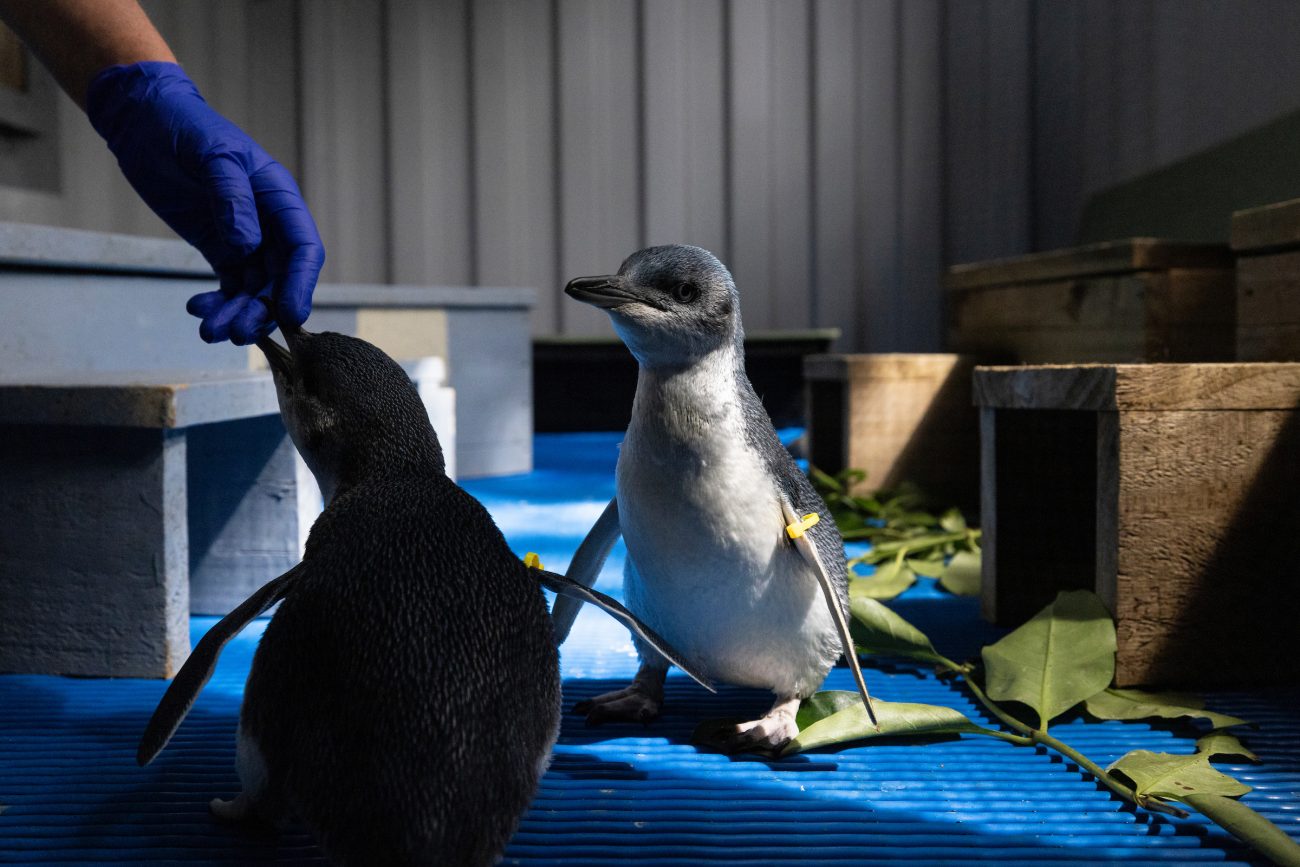
There are eight little blue penguins, and their names are Waddles, Te Henga, Lucky, Pengy, Pebbles, Gus, Aroha, and Bob Hope. They were all found, alone and starving, back in October, when they were chicks. Pebbles and Aroha are clutchmates, rescued from the same nest underneath a house on Waiheke Island. Te Henga came from Bethells Beach, Lucky from the new marina on Kennedy Point. The penguins all look the same to me, but the volunteers at Native Bird Rescue can tell them apart: their faces are different, their eyes slightly different shades of blue-grey, their personalities distinct. Pebbles gets overwhelmed by too much attention. Te Henga is hungry all the time. Lucky always waddles up to newcomers. “They were all abandoned around the same time, within two or three weeks,” says Karen Saunders, Native Bird Rescue’s founder. When penguin parents can’t find enough food, they quit their nests and don’t come back, leaving eggs or chicks behind.
Keep reading...
|
|
|
|
Adrian Malloch
|
|
|
FRom the latest issue
Dinosaurs rise on the East Coast
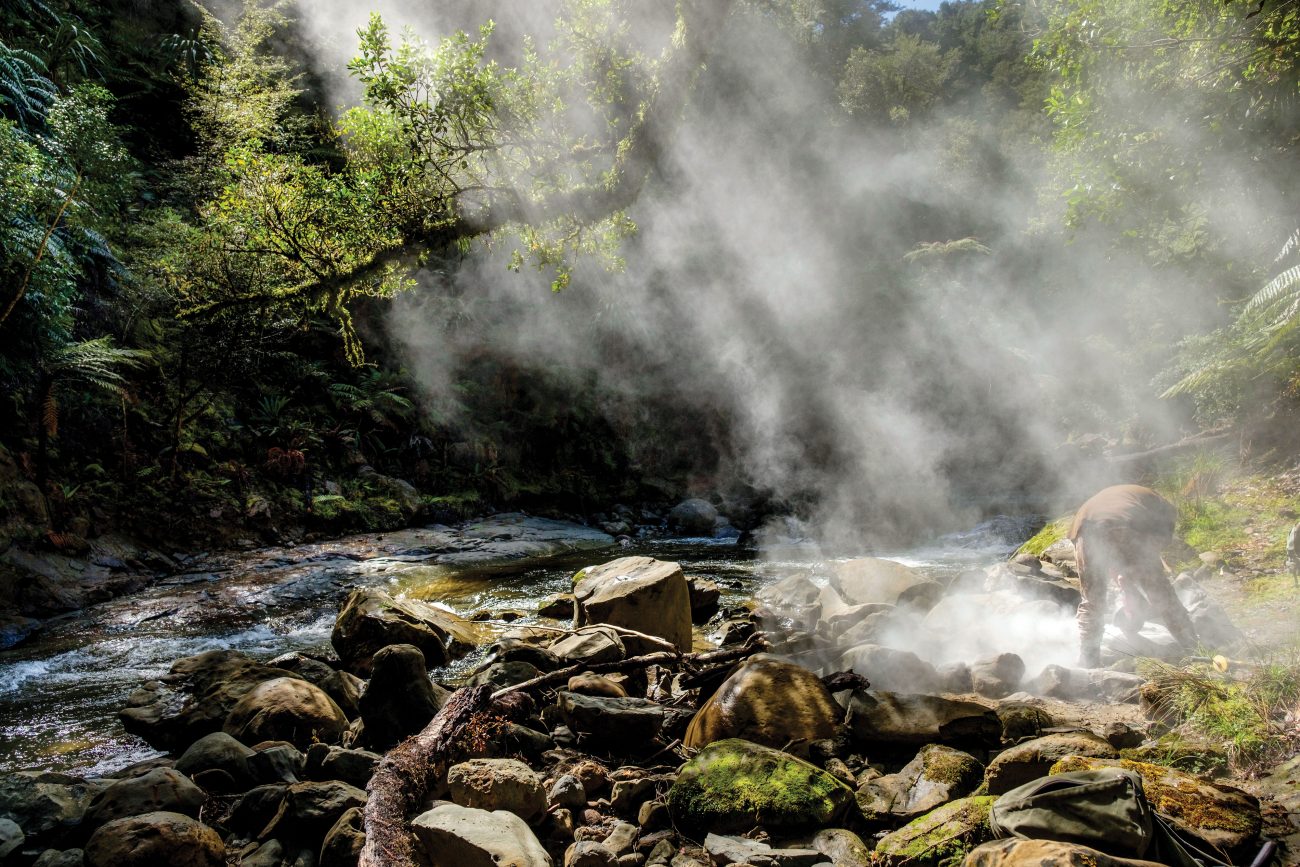
“What’s that?” says Pete Shaw, scrambling around a boulder to get a closer look at a dark outcrop embedded in a rock. “I know what this is.” Vertebrae, he’s certain—and this one has a particular curve to it that he’s seen before. What we’re looking at, he’s pretty sure, is the remains of an enormous crocodile-esque marine lizard. It lived right here in the Cretaceous period, roughly 70 million years ago. “Mosasaur bone.” He describes the creature’s distinctive swishing swimming motion, the bladelike teeth that chomped sharks and other fish. “I could count on two hands the number of these I’ve found in 15 years.” Keep reading...
|
|

|
|
Giselle Clarkson
|
|
|
JUST SO
So you think you can dance
Many animals on elaborate performances to attract a mate, from the elegant courtship dances of albatrosses to wolf spiders’ crunch-rolls and grind-revs. But do any of these really count as dancing? What is dancing, anyway? Is it following a particular series of steps, like blue-footed boobies’ stepping and bobbing? Is it performative—using body movement to show off to an audience, like the leg displays of small male torrent frogs? Scientists used to think that moving to the beat was an act unique to humans. Now, they’re not so sure. Keep reading...
|
|
|
|
SUBSCRIBE TO SUPPORT OUR WORK It's not to late to subscribe before Christmas. You will still go in the draw for the Sony Alpha 7 camera and lens, but the first issue of your subscription will be the March/April edition. If you are desperate for the January/February issue and the free calendar, you will find it in supermarkets and bookstores near you. It's not as much as you think—$8.50 every two months for digital, $12 for print or $16.50 for both... a gold coin a week. Check out the options.
|
|
|
|
|
Arno Gasteiger
|
|
|
GREAT READS
The best of NZGeo: a collection
of our favourite stories
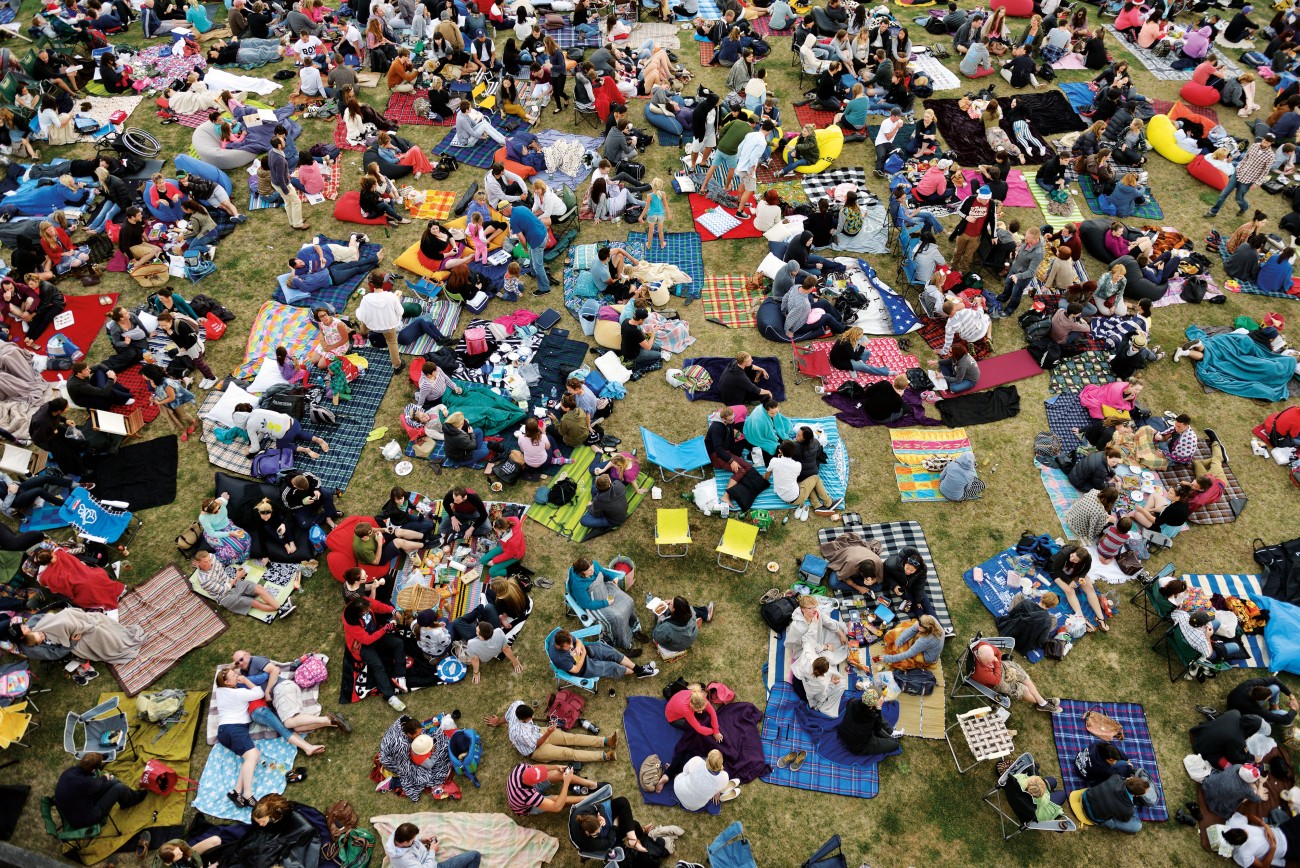
Young people learning how to save lives. Four scientists adrift on the ice. One man who disappears on a mountain two days before Christmas. Lots of dogs: show dogs, conservation dogs, search-and-rescue dogs. Quests for our wildest and weirdest species. A long-lost taonga returning home. We’ve pulled together a collection of our best reads: long stories to savour over the summer holidays. Stories that transport you to all corners of the New Zealand realm, that dive into our past and our future. Keep reading...
|
|
|
PARTNER CONTENT
Good wool hunting
Dull, grey nylon carpet tiles are Hugh Bannerman’s nemesis. “I can’t bear the things!’ says the director of Christchurch-based company Dilana. And, like a range of New Zealand entrepreneurs, he’s developing products for the building sector that put wool’s many positive properties to good use—whether it’s designing bespoke woollen rugs with local artists, laying woollen Axminster carpets in some of the country's most beautiful buildings, or developing a new woollen carpet tile.
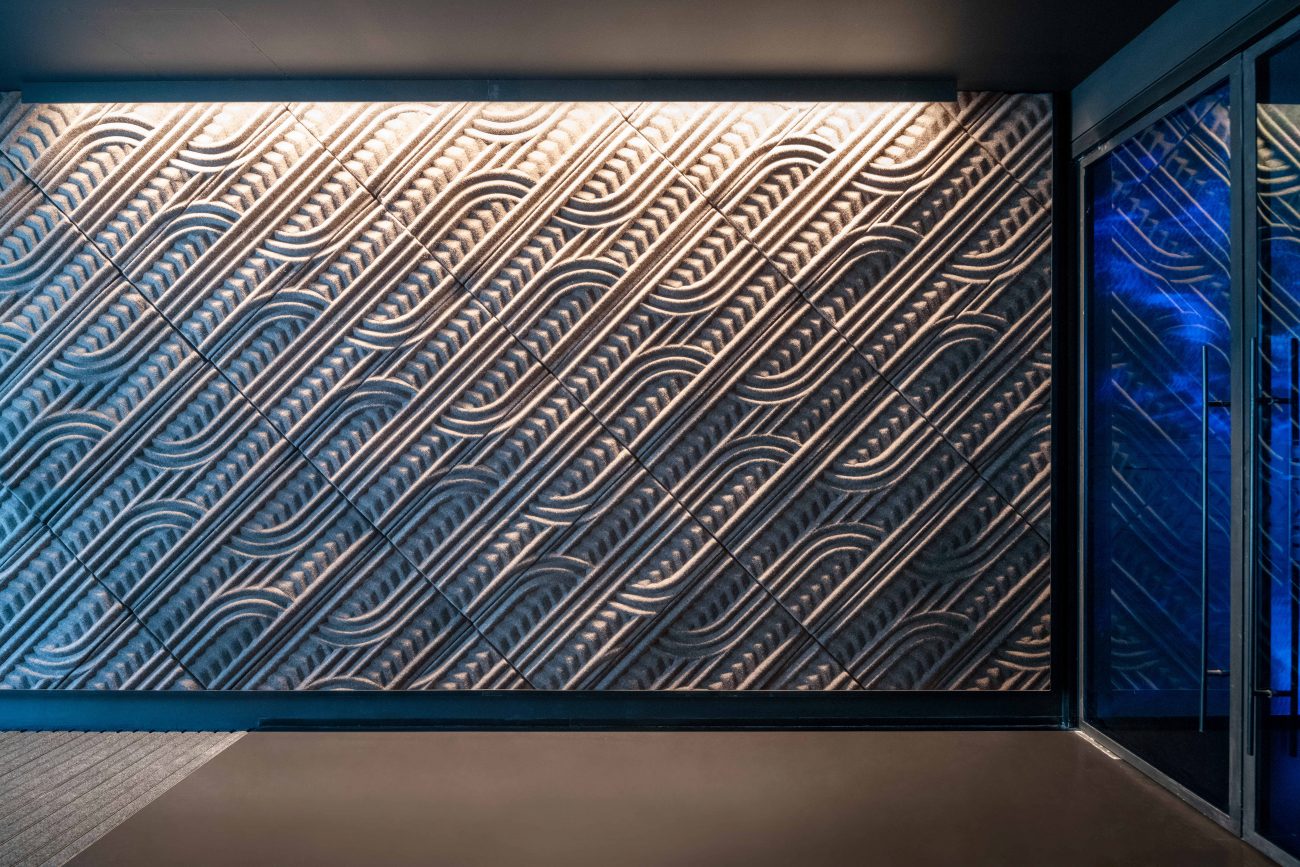
Wellington’s T&R Interior Systems is also innovating with wool, releasing a range of easy-to-install acoustic woollen panels under the Floc brand that are comparable with existing synthetic options in terms of price and performance. It has also developed a range of 3D panels where the wool is pressed into shapes.
“I think using wool is a no-brainer,” says chief executive Tash Thwaite. “We wrap our babies in it. Why wouldn’t we wrap our walls in it?”
Keep reading...
|
|
|