|
| |
Forbidden catch: from ghost ships to pirates
Last month, a fleet of Chinese-flagged fishing vessels were found to be illegally fishing near the Galápagos Islands. They were "ghost ships", transmitting false information about their location so that they appeared to be in New Zealand waters, according to this report by Andrea Vance at Stuff.
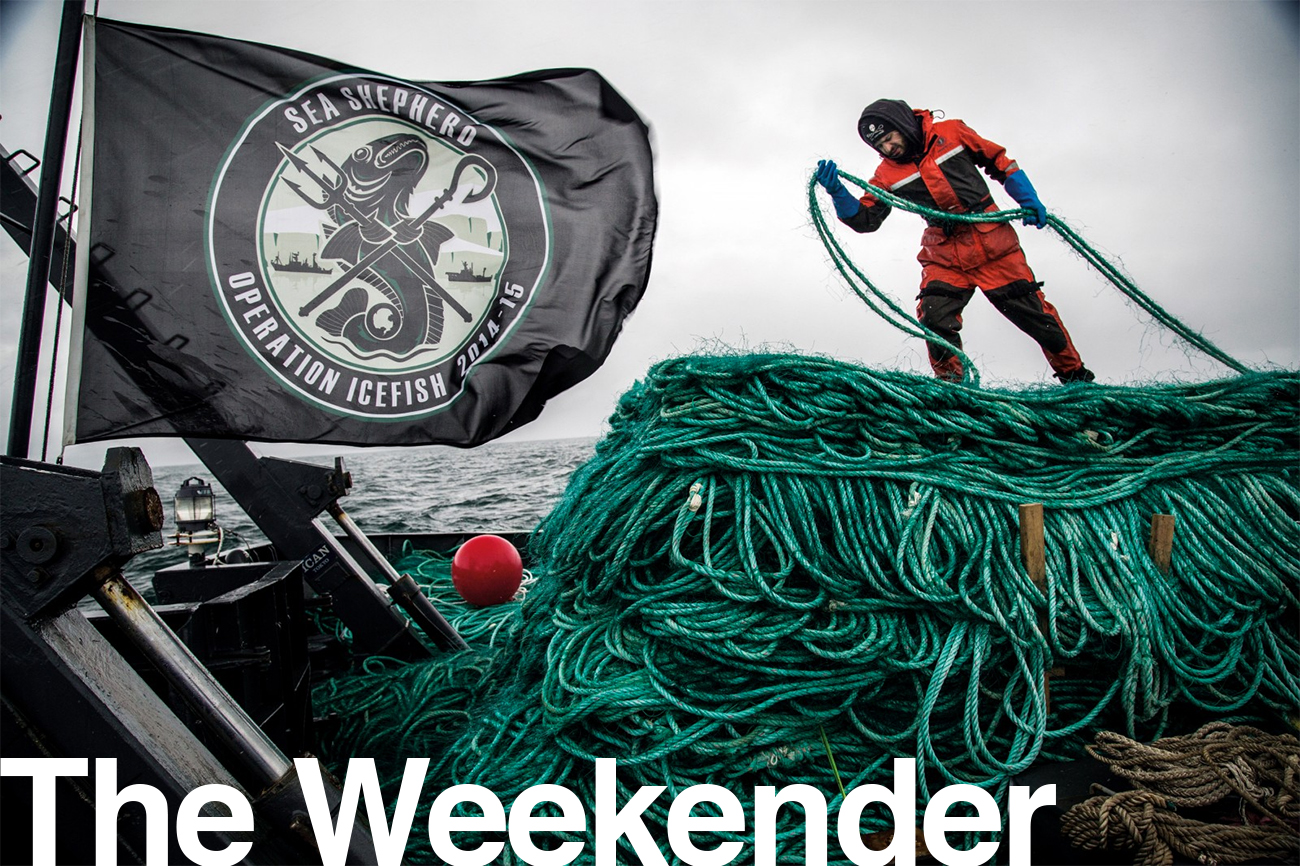
It isn't the first time New Zealand has been dragged into an international fishing dispute. In 2015, the Royal New Zealand Navy ventured into the iceberg-strewn waters off East Antarctica, where it found three pirate ships illegally fishing Antarctic toothfish—a deep-dwelling favourite of top chefs, a fishery worth nearly $600 million.
A high-seas pursuit ensued. By the end, five pirate ships were detained and one lay at the bottom of the sea, sunk in suspicious circumstances. Keep reading...
|
|
|
| |
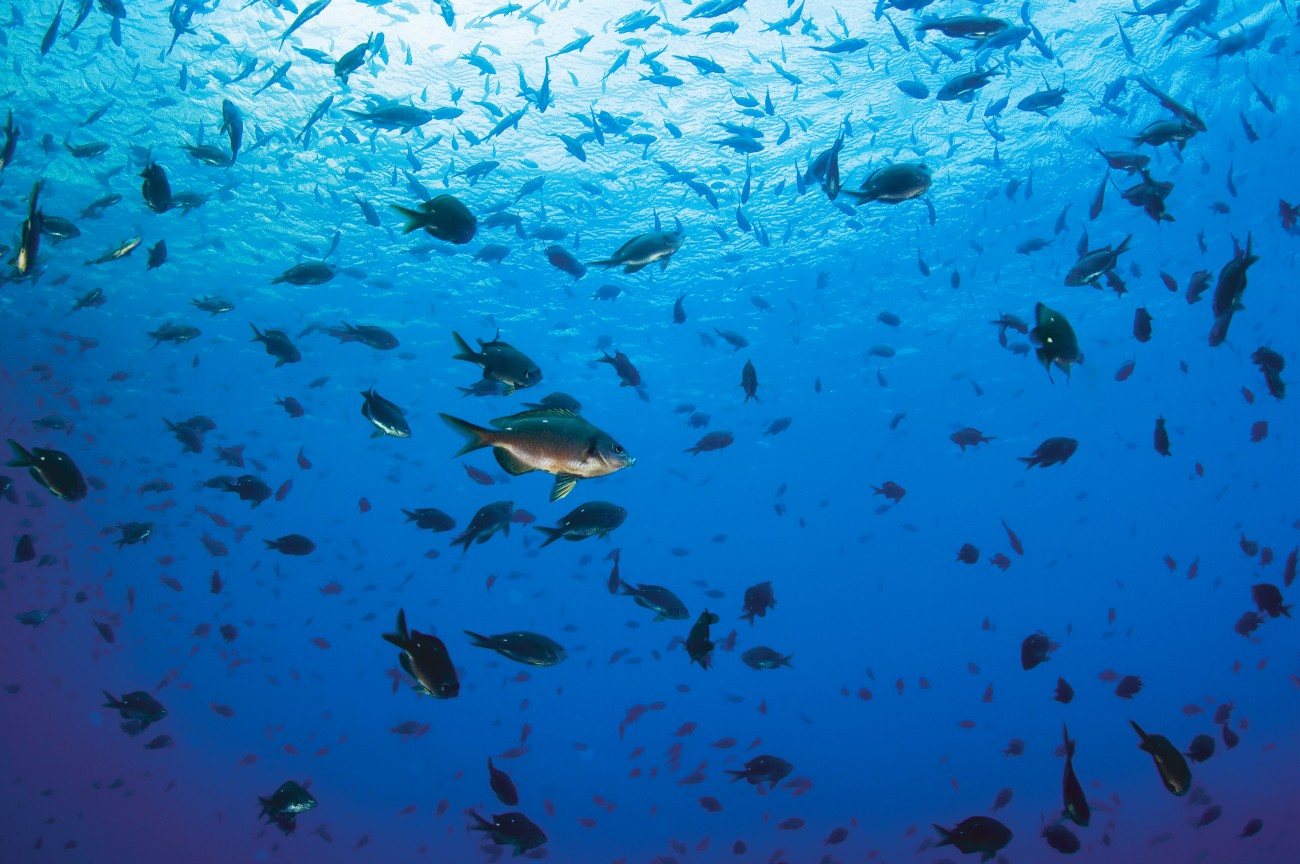
Are there plenty more fish in the sea?
The first of the 1800 fish hooks hits the inky water at 4.20am. The stars are masked by cloud, and the orange lights of the oil refinery at Marsden Point loop wildly as the 12-metre Carolyn Marie rides the swell. “Not too bad for a screaming southeasterly,” says the skipper, Adam Kellian, picking up a stack of square trays, each one laden with 50 baited hooks. The nylon longline unspools into the darkness.
Kellian is a third-generation commercial fisherman. He was four or five when his father first took him to sea. As a teenager, he took months off school to go tuna-fishing with his dad. He’s never wanted to do anything else. At first, it was a great career. He loved it so much he got a bluefin tattooed on his bicep. By his early 20s, he had started a crayfish business and was his own boss. He had a boat, and he had the sea in his blood. What he didn’t have was quota—and in this country, that makes all the difference. Keep reading...
|
|
|
| |
Subscribe and support local journalism
While advertising and retail income goes up and down, it is subscriptions from readers like you that power long-term journalism projects from around New Zealand and help us keep the lights on.
It's not as much as you think—$8.50 every two months for digital, $12 for print or $16.50 for both... a gold coin a week. Check out the options.
|
|
|
|
| |
"Nothing to do at Goat Island Bay any more"
When New Zealand’s first marine reserve was opened in 1977, the local newspaper ran a story about it with the above headline.
Marine biologist Bill Ballantine had fought for 12 years to protect five square kilometres of marine habitat on the Northland coast. That protection was finally in place. To Ballantine it was the start of a new era. To the newspaper, voicing community opposition, it was the end of one.
At issue was the reserve’s no-take status. This stretch of sea was to be totally free from human interference. That meant no line fishing. No spearfishing. No hooking a lobster out of its lair. No prying off a clump of rock oysters. No reason, as far as the newspaper was concerned, for any red-blooded, outdoors-loving Kiwi man, woman or child to bother coming to Goat Island any more.
“No one predicted what happened here,” says Ballantine. “More than 100,000 people a year coming to look at fish—who saw that coming? Nobody. Fifteen years ago, if you had suggested that entire school classes would be put into wetsuits and taken into the water here you would have been laughed at. Now it’s routine.” Keep reading...
|
|
 |
|