|
If you were jolted awake by a tsunami alert yesterday morning, consider yourself lucky—environmental monitoring that allows us to detect an earthquake on the other side of the planet, assess the risk, then drop a timely message to warn the public is a modern miracle.
|
The Weekender |

|
|
|
Free newsletter
|
AUGUST 1, 2025
|
|
|
Publisher |
|
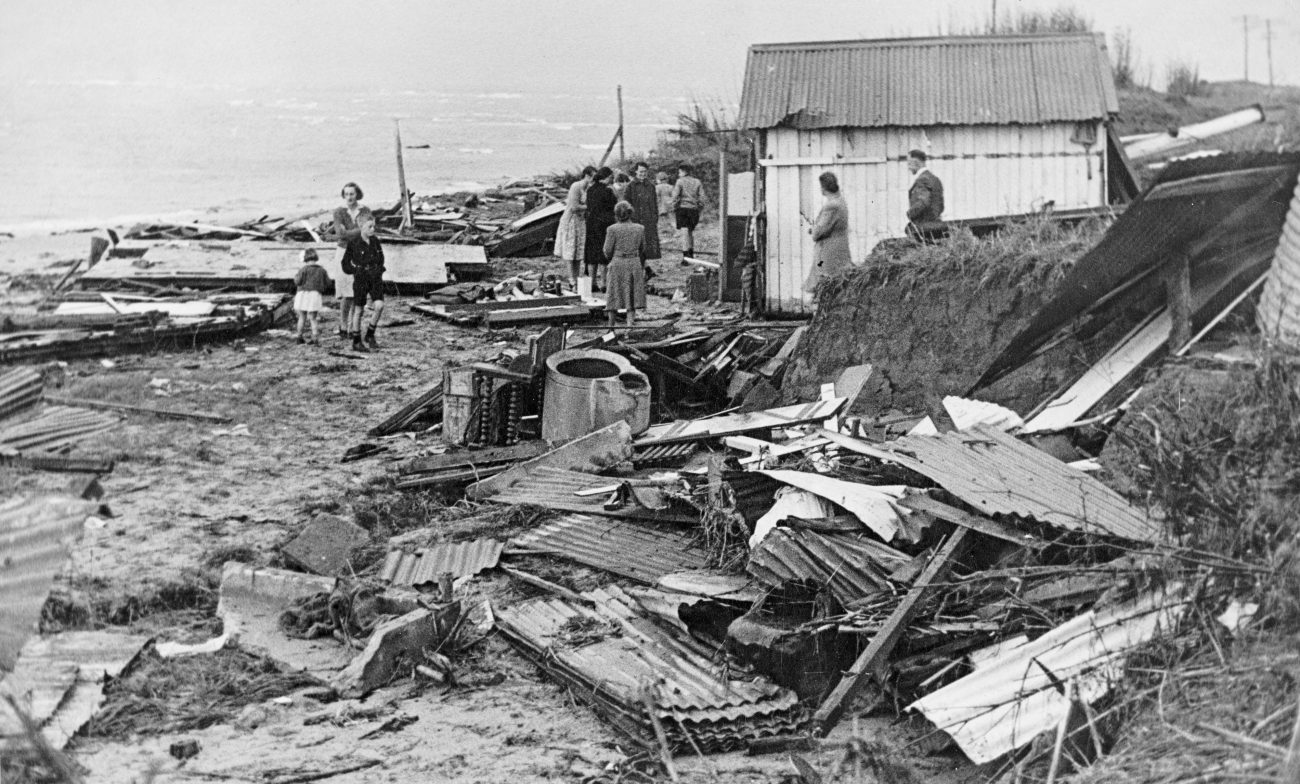
If you were jolted awake by a tsunami alert yesterday morning, consider yourself lucky—environmental monitoring that allows us to detect an earthquake on the other side of the planet, assess the risk, then drop a timely message to warn the public is a modern miracle. Sure, some people received five such notifications, but let’s reflect on Don and Novena Tunnicliffe’s honeymoon accommodation, totalled by a tsunami on March 26, 1947. They could have done with a message or five. See Veronika Meduna's story below on understanding the science of tsunamis, and New Zealand's unique exposure to the threat. In other news this week, frontline healthcare workers have described a “tsunami of need” for addiction support. Methamphetamine use doubled nationwide in the second half of 2024, driven by social pressures and a 36% decline in the street price of the drug. “Obviously, the cost of living out there. High unemployment. And people's trauma as well. It's about unpacking it all to find out why people are addicted to methamphetamine,” Ngāpuhi kaitiaki Scott told RNZ's Peter de Graaf. “It ruins households, it ruins families, it ruins communities, it brings crime. Nothing will ever end good unless people stop taking it.” Below is Jess McAllen's award-winning feature for New Zealand Geographic about the meth crisis, its causes and effects. |
|
|

|
|
|
Have something to say? Feel free to get in touch with me directly. You can support our work with a subscription—either print or digital or both—please check out the options.The more support we have, the more great work we can produce. |
||
|
|
SCIENCE Our understanding of tsunamis has come a very long wayAt the end of summer in 1947, Don Tunnicliffe and his wife, Novena Tunnicliffe, were on their honeymoon at Tatapouri Point, north of Gisborne, staying with friends. Around 8.30am on March 26, an earthquake struck about 50 kilometres offshore on the Hikurangi subduction fault. It registered at magnitude 7.1, but the shaking didn’t cause any damage—until half an hour later. Don heard a great rumbling sound, and went outside to see what was happening. He watched a towering wave roll towards the coast. “Approaching the shore, and us, at breakneck speed and roaring like an express train was a wall of dirty coloured water towering a good 30 feet, boiling and curling as it picked up acres of beach sand on its way to engulf us,” recalled Don in an oral history collected by Hawke’s Bay Civil Defence. He watched as the wave picked up a young man who shot past “like a spinning top”, then the water reached Don. “I also disappeared under the swirling, rolling and now seething mass of water, sand and seaweed.” Two successive waves drove through the house and ran hundreds of metres up into the hills, only to retreat back towards the ocean loaded with debris. Don “could only gaze in stupefied wonder as sheds were picked up as though by a giant hand and smashed down on to several feet of water”. The young man who Don had seen was slammed against a bank, while Don “became entangled in the top strands of the barbed-wire fence, a good six feet under in a world of blackness”. Everyone survived. On May 17, less than two months later, another earthquake triggered a six-metre tsunami that hit the coast between Gisborne and Tolaga Bay. The Gisborne tsunami waves of 1947 were among the biggest recorded in New Zealand, but geologists know that the Hikurangi subduction zone has produced much stronger ruptures in the past. These megathrusts, and the tsunami they generated, have left their mark on the land. |
|

|
|
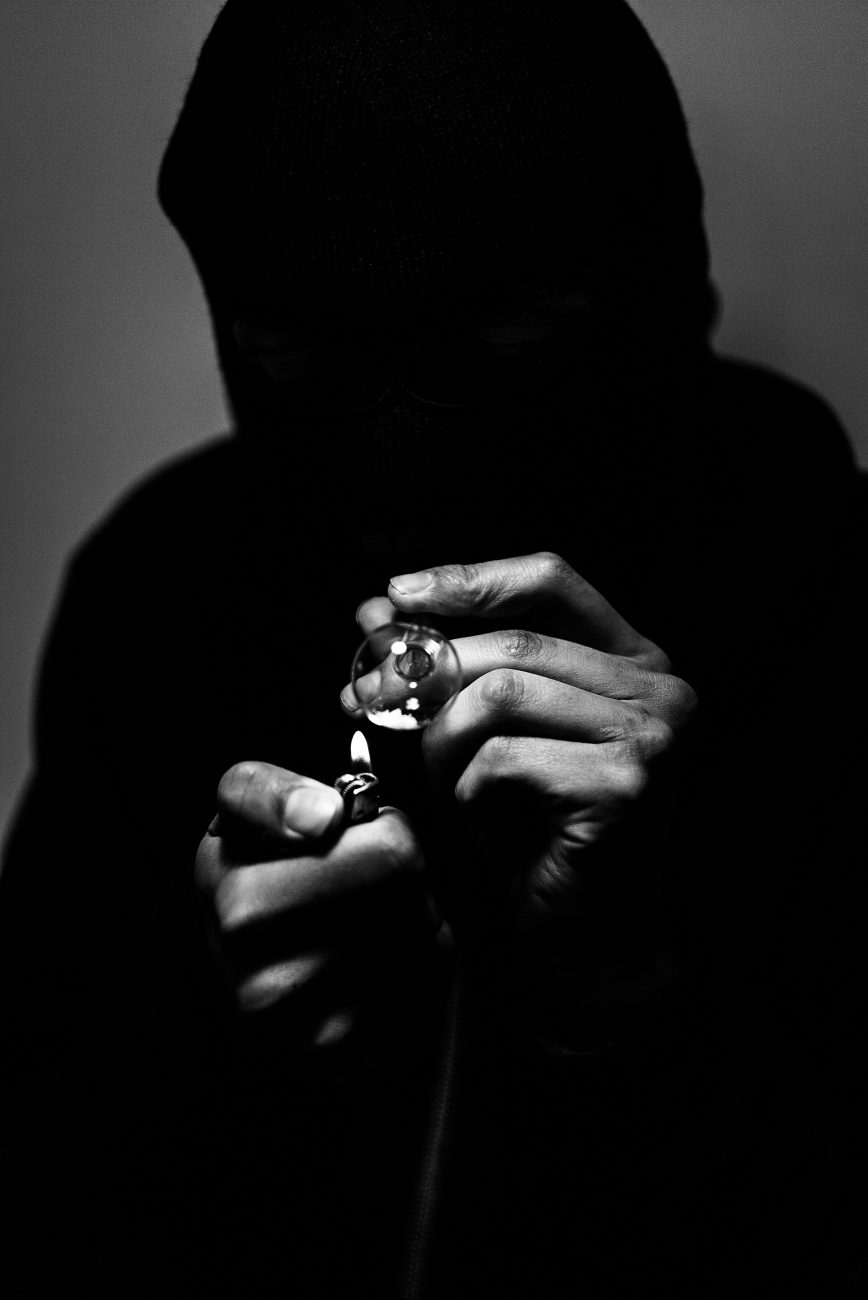
FROM THE ARCHIVE Methamphetamine is consuming a third generation of Kiwis. What can be done?Methamphetamine is a clear, crystal-like compound that comes in many forms. It can be swallowed (wrapped in tobacco paper to avoid cuts), dissolved in water and injected, or smoked in a glass pipe. It works as a stimulant, releasing high levels of dopamine—the same chemical responsible for the euphoric feelings when you score a goal or fall in love. But, because it’s a neurotoxin, it damages the brain by affecting its ability to produce dopamine and serotonin naturally, which is why withdrawal is so hellish for those trying to extract themselves from the grip of the drug. Long-term use can result in mood swings, aggressiveness, insomnia, hallucinations and, in the worst cases, untimely death. Meth isn’t a new drug. It was first manufactured by a Japanese organic chemist more than a century ago, and later used in low doses to enable Luftwaffe pilots to stay alert during sorties in World War II. During the 1950s, pills containing methamphetamine were advertised to upper middle-class mothers in the United States to increase energy, reduce weight and improve “perkiness”. It can also be manufactured at home. Finding out how to make it is as simple as typing the keywords into Google. Even if you don’t have internet, both Paper Plus and Whitcoulls stock The Anarchist Cookbook, which, among other illegal things, has step-by-step instructions for wannabe cooks. These DIY approaches require pseudoephedrine, a controlled substance in New Zealand, but available from pharmacies under prescription as medication for the relief of cold symptoms. Most other items used in the cooking process can be found in an average kitchen: hot plates, rubber gloves, glass jars, coffee filters. ‘Cooks’ extract the pseudoephedrine and process it with a variety of chemicals from batteries, fertiliser, brake cleaners and iodine. As a result, clandestine methamphetamine labs, or ‘clan labs’, sprung up throughout the country after 2002, using these and other significantly more sophisticated methods to manufacture meth. By 2005, the drug was truly established in New Zealand society, resulting in scores of properties contaminated by the manufacturing process and the prompt addition of meth education to the curriculum. Furthermore, both methamphetamine and its chemical precursors were entering the country from overseas, mainly Asia, and mainly as a cold and flu medication called Contac NT—hidden in sofas and household appliances, bicycle frames and batteries. From Ponsonby to Paeroa, there was no avoiding it. |
MORE STORIES ABOUT METH: |
|
|
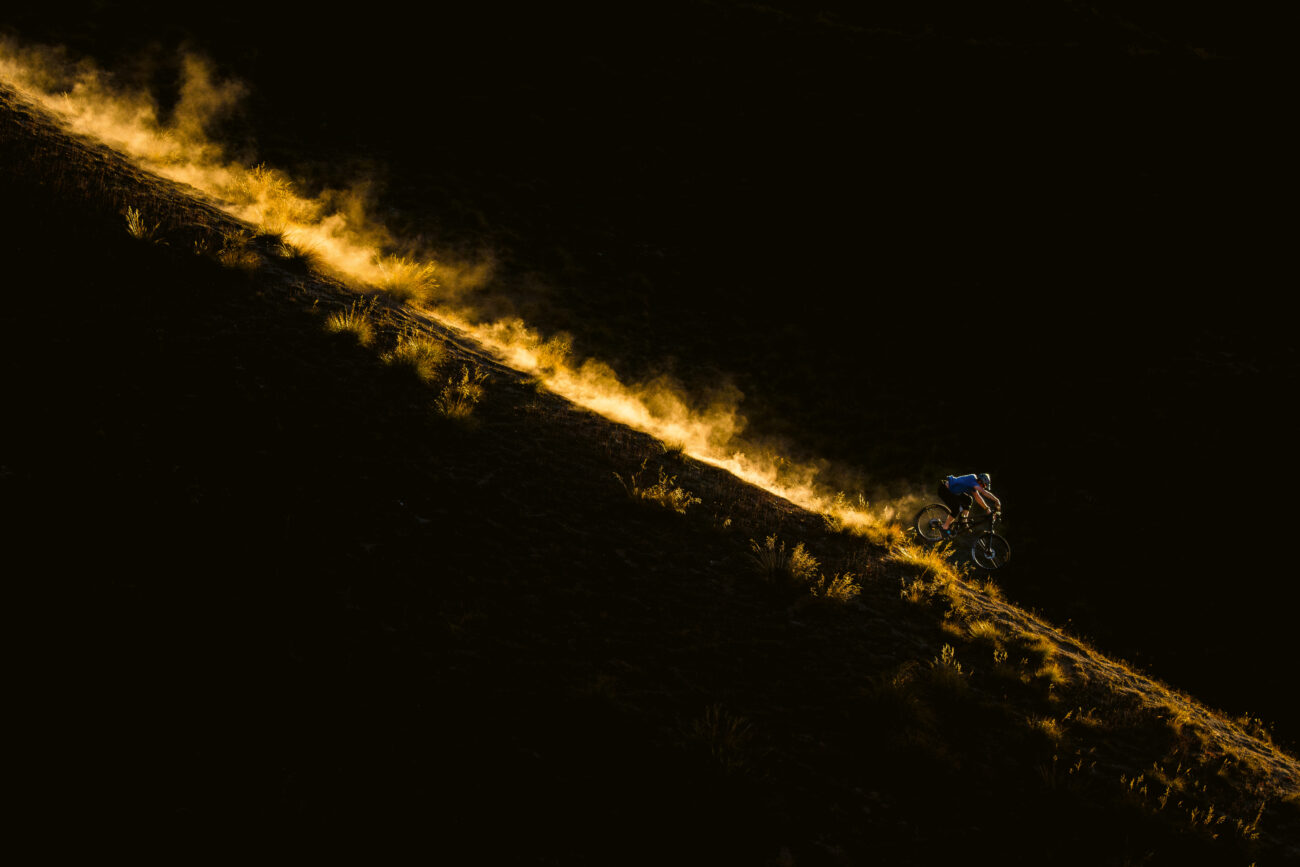
VIEWFINDER Trail blazersMountain biking is speed—adrenaline, endorphins, the rush and the freedom. Photography is about stillness, the freezing of a moment in time. But for Rotorua photographer Graeme Murray—who once raced downhill mountain bikes for New Zealand—shooting and cycling interweave. When he’s out riding the Whakarewarewa Forest trails he helped make in the 1990s, he untangles knotty work problems, such as how to light a complex commercial job. “You go in there, and you can breathe, you know? In five seconds, your mind just goes, ‘Whoosh… I’ve got it, done.’” As he rides the pine-needled paths, ideas for mountain-biking images drop into his brain, too. “I’ll see the light coming through a certain spot, the shadows, and it triggers something… It’s kind of painful, actually, because it’s just never-ending.” Murray will skid to a stop and tap out a reminder on his phone. Back at his desk, he sketches out the shot he’s imagined. Sometimes it’s just a matter of calling up a rider mate and picking a foggy morning. Other times, he waits months or even decades for all the elements to align. He’s been waiting 20 years for a certain ridgeline of pine to be logged, for example, so he can nail an actual “moon shot”—the full moon rising over a particular pile of rocks. |
|