The coral high ground
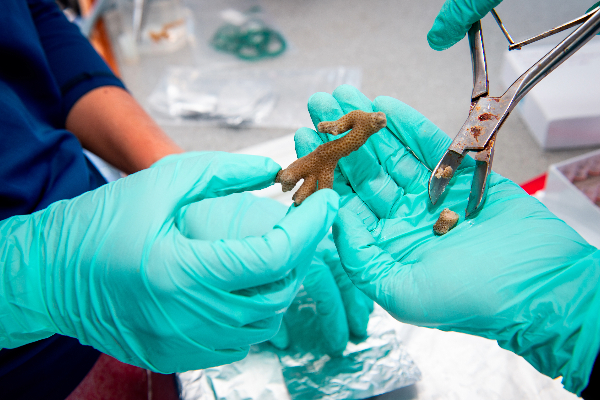
When marine biologist and explorer Dr Emma Camp was growing up in urban England, the ocean was not a big part of her life. But that all changed when she went on a family holiday to the Bahamas as a child. “My mum didn’t swim and my dad had ear problems, but he wanted to take me snorkelling. I remember thinking that above the water you can’t see anything but under the water you could see this beautiful reef. That was a pivotal moment.” In 2016, she led a dive team in New Caledonia that discovered 20 species of coral living in murky mangrove swamps—in conditions that were previously thought to be too warm and toxic for them to survive in. In 2019, her team discovered two more highly resilient habitats in the Great Barrier Reef. And for her, these “super corals” were a glimmer of hope because they might be able to adapt to the conditions that humans were creating: rising temperatures, acidification and very low oxygen levels.
Reducing emissions and other pollutants is the best way to save the world’s coral reefs, she says, but that isn’t happening fast enough.
“This can help buy time for the reefs, so that in time we get the policy and action we need on climate change.” Keep reading...
|