|
In an apocalypse, bet on tree ferns
|
The Weekender |

|
|
|
Free newsletter
|
APRIL 4, 2025
|
|

|
Publisher |
|
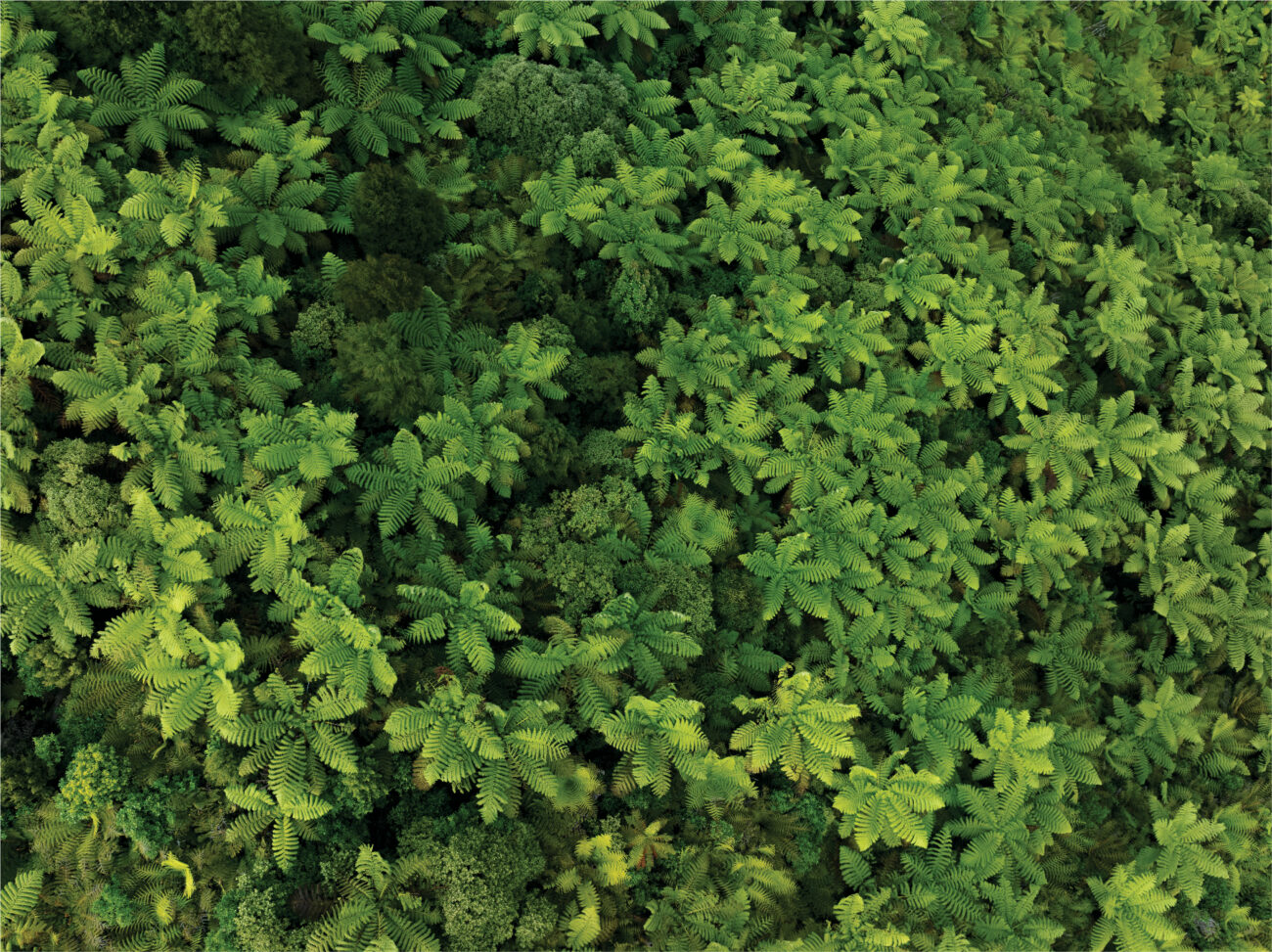
Ponga have always been funky trees—the shaggy trunks and bodacious plumes of lime-green foliage that burst like a geyser from the top. But they have also lived in the shadows of the towering canopy species. Now however, scientists have dragged tree ferns into an MRI scanner, revealing the bizarre internal plumbing that powers these plants, and resets some of our assumptions. For instance... tree ferns are not fragile beauties, but the most badass trees on the planet. They survived the asteroid impact that ended the dinosaurs and three-quarters of all life on Earth. The 'fern spike' marks a period of some 70,000 years where ferns survived in the cold, dark and acidic environment, and utterly ruled the world. They might even have saved it. |
|
|
|
|
Is journalism about our environment important to you? If so you can support our work with a subscription—either print or digital or both— please check out the options.The more subscribers we have, the more great work we can produce. |
||
|
|
WILDLIFE Tree ferns hold their secrets close. But now, scientists are finding new ways to unfurl themIn an underground carpark at the University of Auckland, James Brock manhandles patients out of a van and lugs them inside, their tops brushing doorways as he strides through the corridors of a windowless basement. On weekdays, this clinic is frequented by human patients, doctors, technicians and medical researchers. This Saturday morning, however, it’s playing host to tree ferns—three of them, which until two days ago were lined up next to an array of other native ferns at a local garden centre. In preparation for their appointment, the tree ferns must be immobilised. Brock, who is British, bearded, and an ecologist, winds plastic wrap around their trunks and lower fronds with the help of two technicians, Scott Jonas and Beau Pontré. Jonas swaddles a ponga in a final layer of yellow plastic, then lays it on a gurney. Over top, he arranges a set of flexible foam and wire frames called coils. A topknot of foliage protrudes off the end of the gurney, and Pontré carefully adjusts the greenery so it won’t get caught in the machine. “We want all our patients to be comfortable,” he says. Then Jonas wheels the gurney into the magnet room, its ceiling adorned with bright images of flowering pōhutukawa. He slides the strapped-up ponga inside a big white pod that looks like a giant sunbed. A Spotify “Just Chill” playlist is softly crooning inside. Brock watches through the window in the neighbouring control room, crossing his fingers and muttering “please work!” under his breath. He and this unlikely team are probably the first people ever to give a tree fern an MRI. |
MORE STORIES ABOUT FORESTS: |
|

|
|
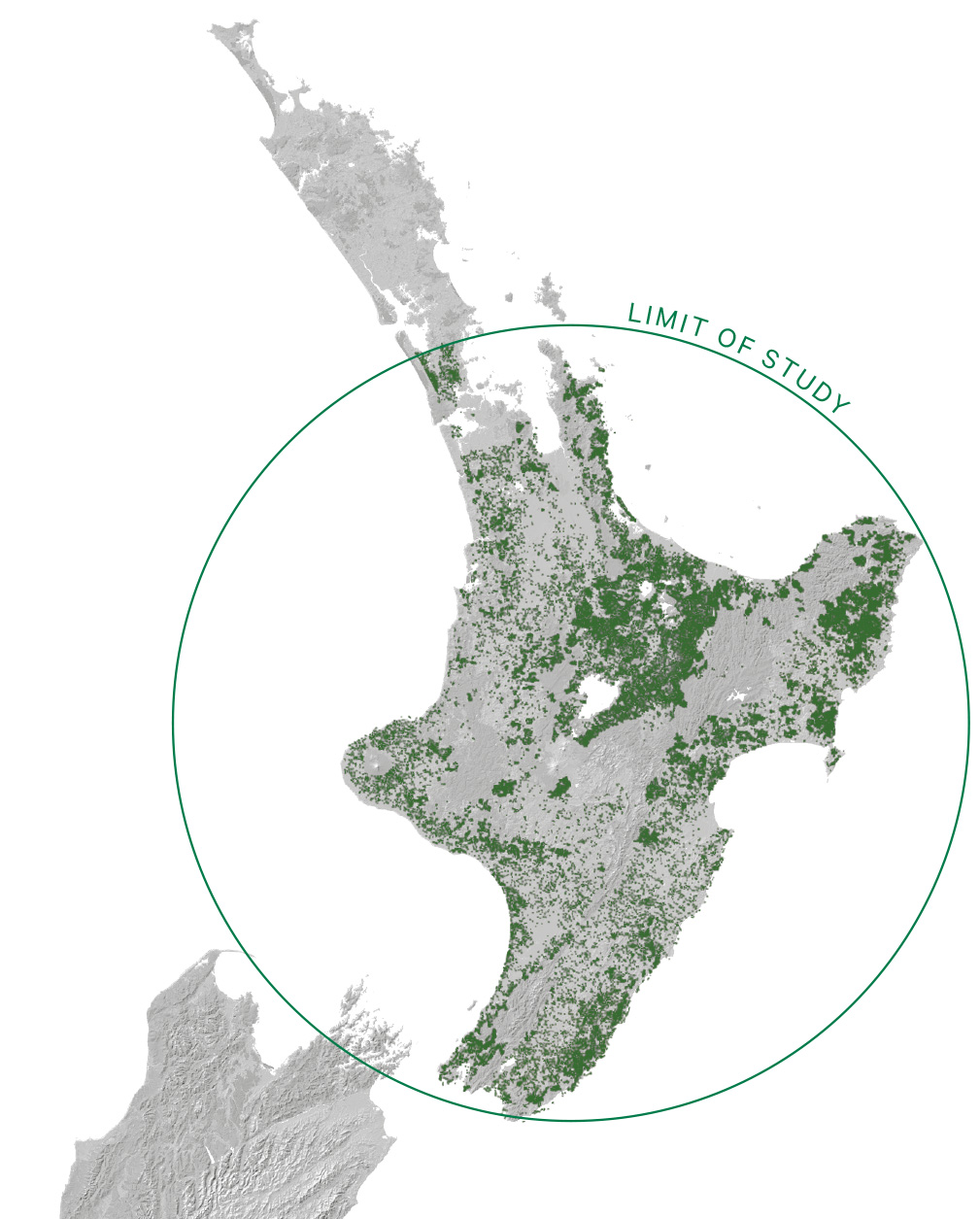
ENVIRONMENT New study: Pine forests now cover 7% of New ZealandPlantation forests take up about seven per cent of New Zealand’s land area, mostly in the North Island. Now, researchers have mapped these forests using a combination of airborne laser scanning and artificial intelligence. There are 1.8 million hectares of commercial forestry in the country, and about 90 per cent of that is planted with radiata pine. Plantations are especially concentrated in the Bay of Plenty and on the East Coast, where recent storms have washed forestry debris onto beaches and pastures, leaving them littered with waste. The map can be updated using satellite images, making it possible to track the trees’ growth almost in real time and determine when they need to be harvested. Before this, New Zealand didn’t have a clear national picture of its small-scale commercial forests—only its medium and large ones. Not pictured are the 1.8 million hectares covered in wilding pines, which are spreading rapidly and crowding out native forest. |
|