|
| |
The final meltdown
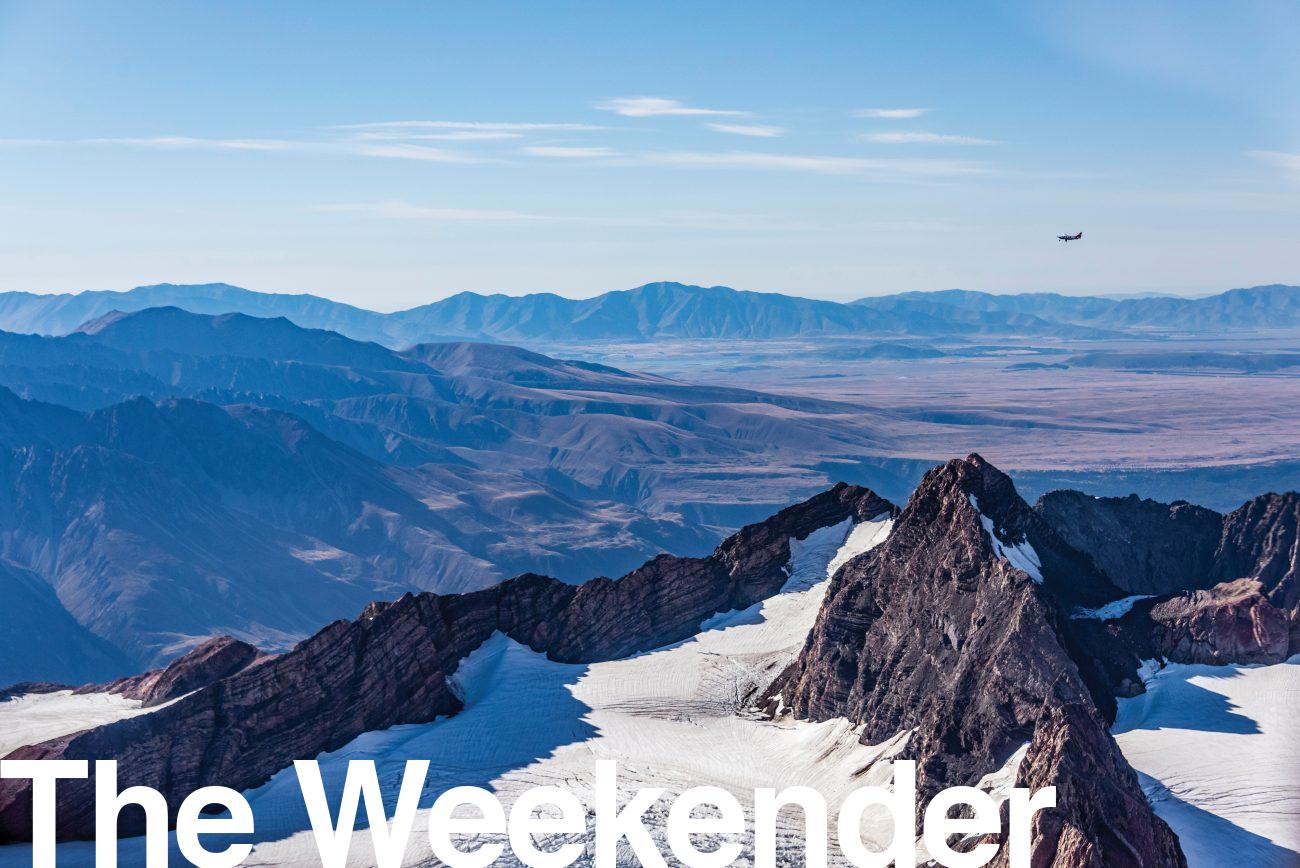
New Zealand glaciers are diminishing at a rate that's seven times faster than 20 years ago, according to a new study published yesterday in Nature.
Every autumn, a team of glaciologists and climate scientists take to the air to study the country's glaciers. Over two days, they observe glaciers from Fiordland to Arthur’s Pass to see how the ice has fared over the preceding year.
The survey has been conducted since 1977, and has produced an enviably long—and globally significant—dataset on glacier behaviour in a time of climate change. Keep reading...
|
|
|
| |
The cold, hard truth
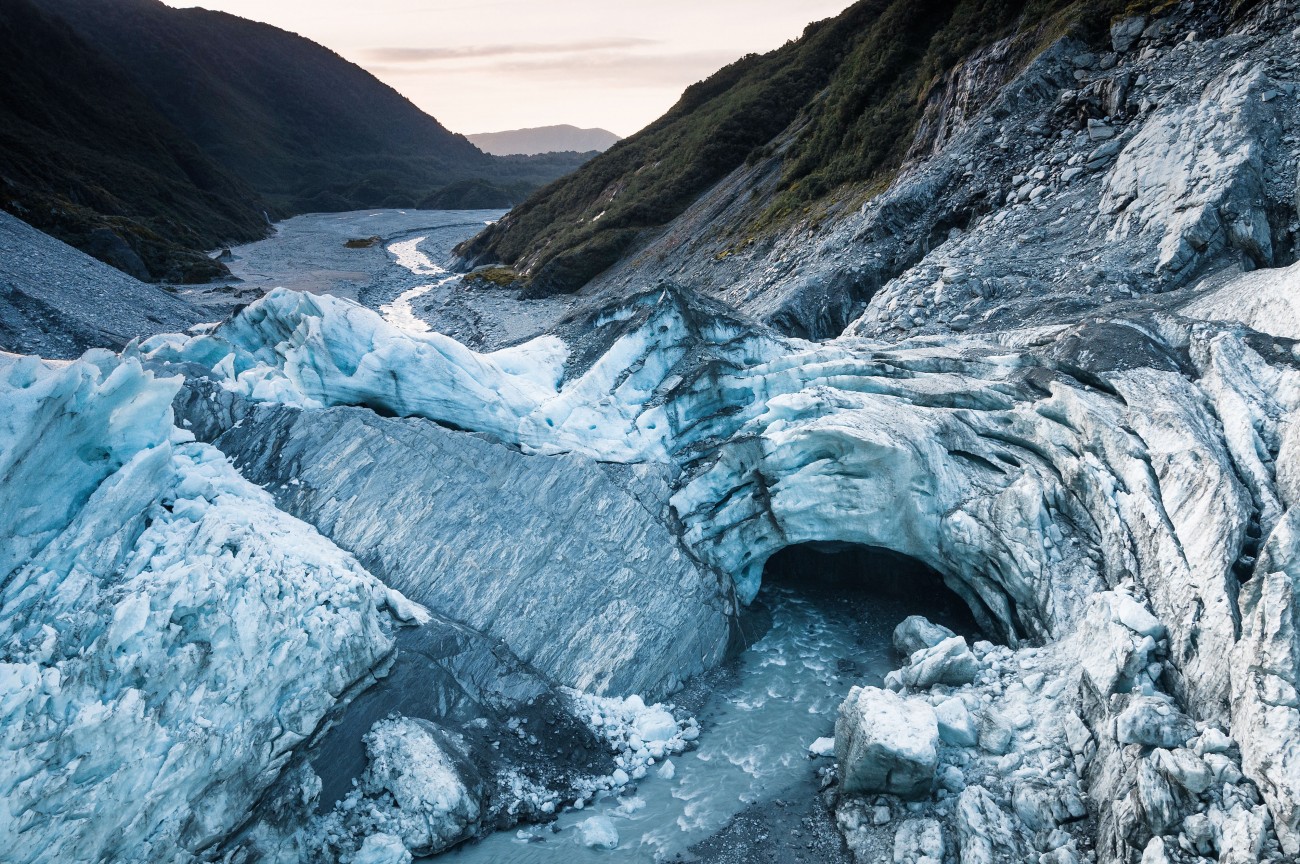
Directly ahead looms the jumbled, broken rise of the Franz Josef Glacier, its névé unseen beyond, amid the peaks of the Southern Alps. In the centre of the ice wall, protruding like a massive coalface in a frozen cataract, is the ‘black hole’—an exposed mass of rock perhaps 100 metres high. Twice, or may be three times, during our stay, a large block of ice breaks from the rim and, with a muffled boom, falls and fragments. Dwarfed by the vastness of the landscape, a string of visitors and their guide pick their way delicately across the dirty ice, stopping now and then to study an eroded water channel or a beguiling, blue-veined crevasse. The air is alive with the purposeful beat of helicopters—at one point I count four—ferrying fresh parties in. Keep reading...
|
|
|
| |
Subscribe and support local journalism
While advertising and retail income goes up and down, it is subscriptions from readers like you that power long-term journalism projects from around New Zealand and help us keep the lights on.
It's not as much as you think—$8.50 every two months for digital, $12 for print or $16.50 for both... a gold coin a week. Check out the options.
|
|
|
|
| |
Let there be night
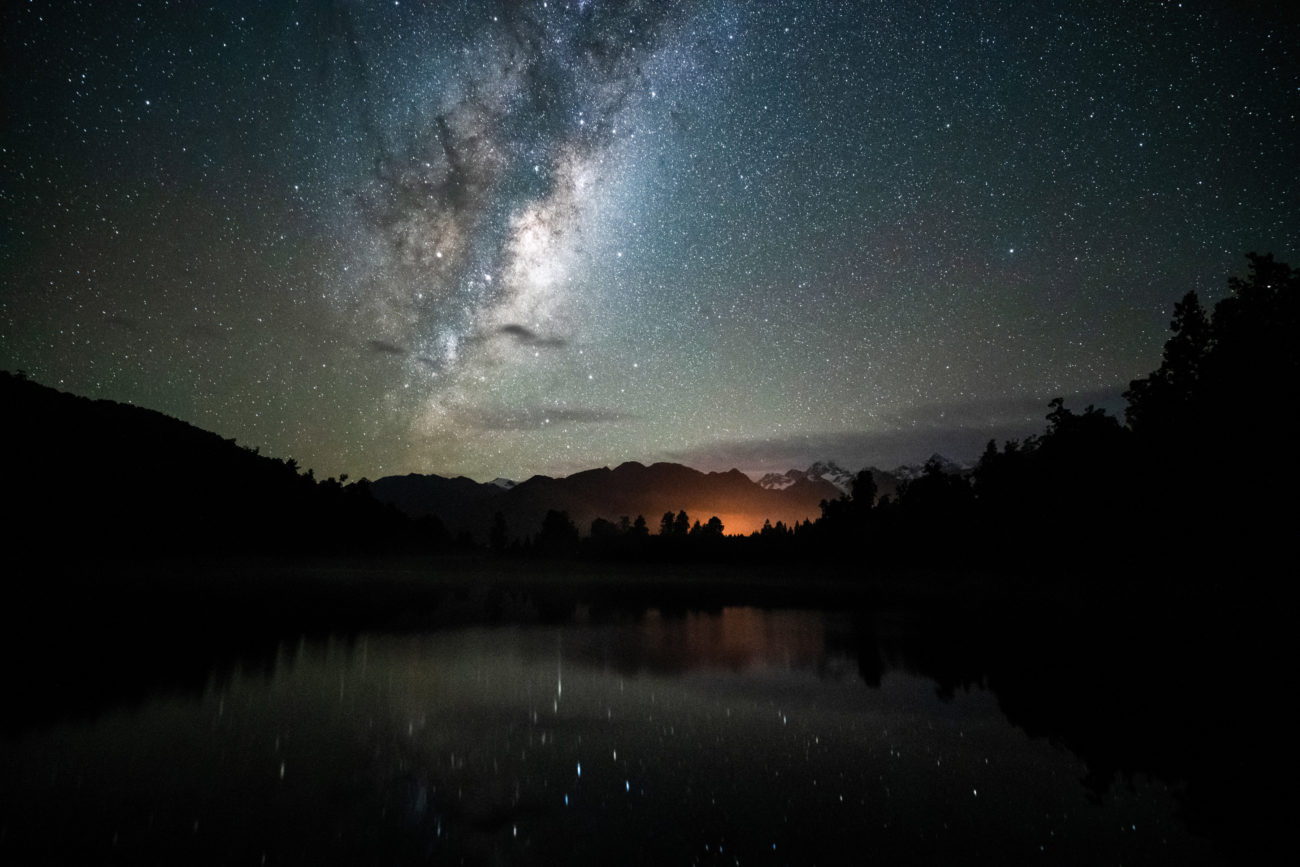
Fiordland is exploring the possibility of becoming an internationally accredited Dark Sky Park, and if designated as such, it would become the world's second-largest.
New Zealand already has a number of dark-sky zones, part of an international movement to prevent light pollution.
Artificial light emissions are increasing globally: during the second half of the 20th century, the rate of growth was three to six per cent per year. A 2017 study using the first-ever calibrated satellite radiometer estimated that Earth’s artificially lit outdoor area grew by more than two per cent per year between 2012 and 2016. We are only beginning to understand the ecological and biological impacts of turning night into day. For animals (including us), sunlight, moonlight, and starlight all trigger cues for behaviour. Humans need the dark. We need our circadian rhythm to remain steady, triggered only by the sun coming up and the sun going down. Keep reading...
|
|
|