|
Fudging the numbers, doctors preparing for the future, and inside the world of albatrosses.
|
The Weekender |

|
|
|
Free newsletter
|
April 19, 2024
|
|
 |
Senior editor, digital |
|
Turns out that we’ve been making decisions based on bad data: the fishing industry has been underreporting deaths of ocean wildlife, and the numbers of dolphins and birds being killed are drastically higher than we thought. Seven times as many dolphins are being drowned compared to the rate reported by the fishing industry. Three to four times as many albatrosses are taking bait, landing on ships, or being killed. And twice as much fish is being discarded from commercial vessels. We know this because cameras have finally been installed on a number of vessels (not all of them) and these figures are from one of the first reports about what they’ve recorded. Fishers are required by law to report bycatch, but research overseas finds industry-reported numbers are consistently lower than when independent observers (or cameras) are keeping watch. Oceans and Fisheries Minister Shane Jones’s response has been to pause the camera rollout and ask officials to look at ways to hand camera footage back to industry, rather than having the government independently reviewing it, according to Andrea Vance at The Post. Without good data, it’s impossible to figure out how much fish to take, or whether we’re wiping out albatrosses through attrition. Our story on these giant birds is below. Also important to note: submissions on the Fast-Track Approvals Bill close tonight. More on that below, and you can read our submission here. |
|
|

|
SOCIETY Meet the doctors preparing for our worst-case scenarioMedical care across New Zealand works on the following principle: get to the nearest hospital as fast as possible. But what if storms, flooding, landslides or earthquakes make that impossible? One emergency doctor, Robin Barraclough, is determined to equip medical students for our increasingly unpredictable future. In July 2020, Barraclough found himself the sole doctor in charge of Kaitaia hospital as a 500-year storm turned farmland into lakes and cut off Northland’s main highways. He had 20 patients on the ward and 10 patients in the emergency department, including two very sick people. One had just had a heart attack; only the third jolt of electricity revived him. Normally, that patient would be sent straight to hospital in Auckland. Not that night. “There was no air travel, no choppers or anything, because the weather was so bad.” Barraclough found himself in a situation the health system, with its focus on efficiency over resilience, wasn’t set up for. |
MORE STORIES ABOUT DISASTER PREPAREDNESS |
|

|

|
SUBSCRIBE TO SUPPORT OUR WORK New Zealand Geographic is a Kiwi-owned family business striving to celebrate and investigate our environment and society. Subscriptions from readers like you that power long-term journalism projects from around New Zealand. It's not as much as you think—$8.50 every two months for digital, $12 for print or $16.50 for both... a gold coin a week. Check out the options. |
||
|
|
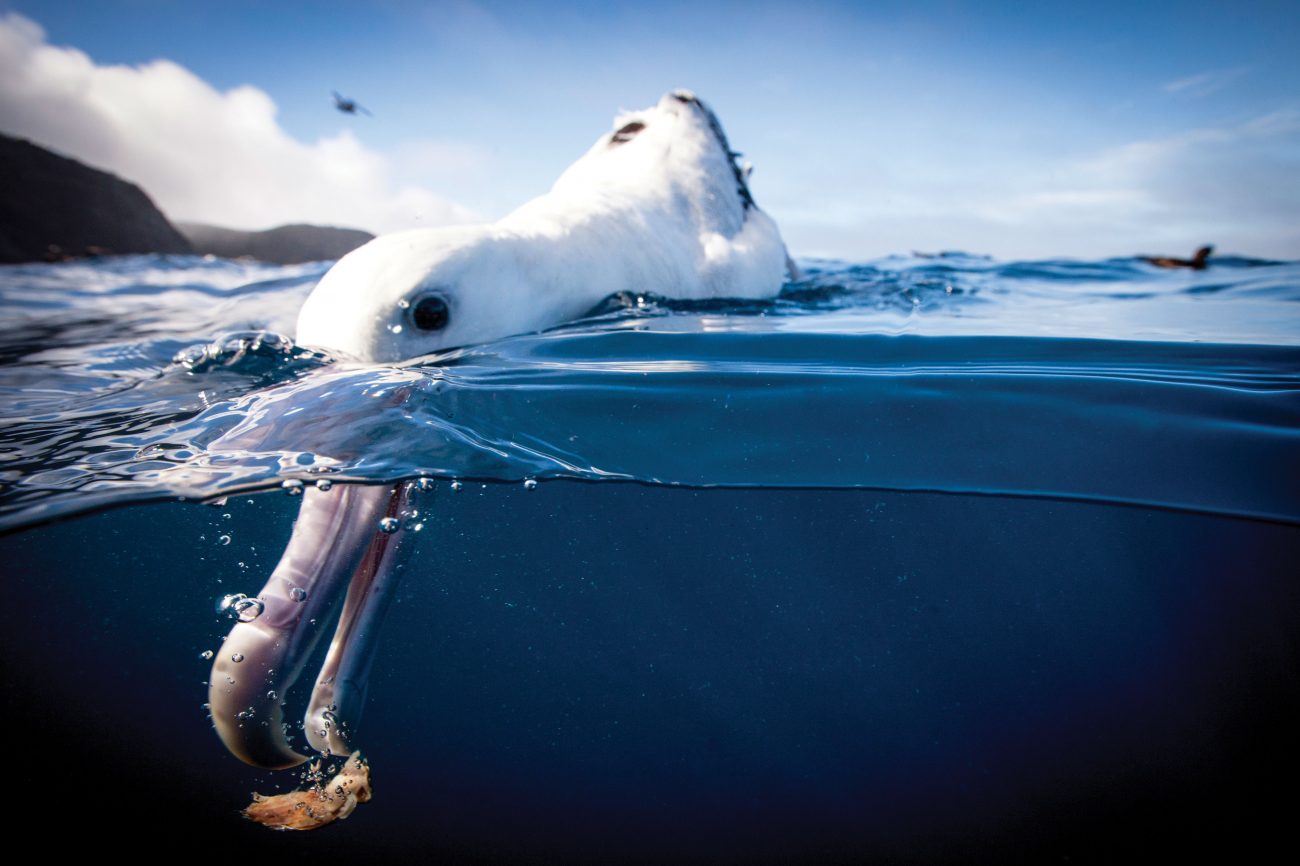
WILDLIFE Bonus podcast episode: what counting albatrosses tells usWhen I first reported this story, Graeme Elliott and Kath Walker had recently been tracking albatross ocean journeys alongside fishing vessel journeys to see how much the two coincided. The albatrosses they’ve been counting for 34 years are slowly dwindling, and they’ve been trying to figure out why. Is it a lack of food in the sea? Are they being caught by fishers–specifically by tuna longliners on the high seas? Are they disappearing in our waters, or others? And why does it seem to be the females that vanish? RNZ science journalist Claire Concannon visited Graeme and Kath on their subantarctic island partway through last summer’s count. She brought my story to life in this podcast–and we update it with what we’ve learned this month. |
|

|
|
POLICY Submissions close tonight: why we object to Fast-Track ApprovalsDecades of under-investment in infrastructure has created a deficit that needs fixing—think of the leaks in Wellington’s water system, or the sinkholes opening in Auckland. New Zealand needs better consenting processes, particularly for projects that interface with the natural environment where the risks are high. So at some level, measures to facilitate the delivery of these economy-boosting projects should be applauded. Unfortunately, the Fast-Track Approvals Bill is a reckless piece of legislation with potentially dangerous consequences for the country. Perhaps the most important objection is that it simply isn’t necessary. During COVID, the government came up with a good process for fast-tracking important infrastructure and development, and more tweaks to speed things up been developed under a redux of the Resource Management Act. What the proposed Bill allows for, however, is a way for projects rejected by the Supreme Court—like Trans-Tasman Resources’ bid to mine off the Taranaki Coast—to make a U-turn and suddenly gain a green light, despite their environmental impacts. The Bill prioritises built infrastructure at the expense of natural infrastructure, otherwise known as the processes that afford us air to breathe, water to drink and food to eat. Importantly, the Bill doesn’t have a mechanism for checking how anything we build affects this natural infrastructure–and it doesn’t allow the public, or groups with environmental expertise, to point out impacts. In 2020 New Zealand Geographic changed our media and engagement policy on the subjects of climate and biodiversity, and have since taken a more committed stance to both our reporting and representations. This includes uncompromising journalism and direct submissions to government where our reporting has made it obvious that the science is unequivocal and necessary actions unambiguous. The new Fast-Track Bill directly engages these topics and should be alarming for any New Zealander who values the natural environment or works or lives within it. One of seven issues our legal researcher Tracey Turner has identified is the fact it bypasses democratic process–and instead bestows excessive decision-making powers on three ministers, without checks and balances. New Zealand Geographic strongly opposes the Bill—you can read our full submission here. |