|
Bad weather problems; last chance to share your thoughts on the fast-track bill; crash-landing in the subantarctic.
|
The Weekender |

|
|
|
Free newsletter
|
APRIL 12, 2024
|
|
 |
Senior editor, digital |
|
It’s been a big week in environmental news. The government considered a proposal to add the right to a clean, healthy and safe environment to the Bill of Rights Act. Seventeen non-profits and 59 Kings’ Counsel wrote open letters in support of the idea, but Parliament voted it down. Also heading for the bin is the limit on the number of sea-lions fishers are allowed to catch. We know our sea-lions are in trouble; they’re on the IUCN Red List, and last year, they had 30 per cent fewer pups than normal. We still don’t know why. Meanwhile, turns out that putting cameras on boats leads to instantly higher bycatch numbers. Nearly seven times more dolphins are being caught by fishers compared to pre-camera reports, and more than three times as many albatrosses. Almost twice as much fish is being discarded, too. The Ministry for the Environment released its latest three-yearly report into the state of our “natural infrastructure”, which points out that if we let it degrade, it will break. Nature provides us with food, air, water, energy, raw materials, and protection against extreme weather–just in case we’d forgotten why environmental protections exist. Speaking of, the bill which lets projects bypass all our environmental protections is accepting submissions from the public until this time next week. More on that below. |
|
|

|
HISTORY The day the Wahine went downA new study reveals that New Zealand’s huge ocean territory contains two billion tons of carbon, locked in the seafloor. If we want to fight climate change, it might be a good idea to keep it there. |
MORE STORIES Of survival |
|

|
SUBSCRIBE TO SUPPORT OUR WORK New Zealand Geographic is a Kiwi-owned family business striving to celebrate and investigate our environment and society. Subscriptions from readers like you that power long-term journalism projects from around New Zealand. It's not as much as you think—$8.50 every two months for digital, $12 for print or $16.50 for both... a gold coin a week. Check out the options. |
||
|

|
|
ENVIRONMENT Last chance for public input on fast-track developmentsA proposed new law will allow the greenlighting of major developments, overriding environmental legislation. Submissions close next Friday, and it’s the only time the public’s input will be considered. People can make a submission, or write to their local MP in advance of the vote on the bill. Since we wrote about the bill and what it could enable, there have been a couple of developments. The government has announced the six people who will be tasked with assessing projects. Two seabed mining companies have confirmed they are applying for fast-track consents: Trans-Tasman Resources, whose bid to mine iron sands off Taranaki was denied by the Supreme Court, and Chatham Rise Phosphate, which the Environmental Protection Authority said no to in 2015, because it would cause “significant and permanent adverse effects”. New Zealand Geographic is taking the unusual step of making a submission on the bill. "This is legislation by deceit. The effort being made to withhold the nature of pre-qualified projects and the lack of qualified scrutiny of subsequent projects is unprecedented," says Publisher James Frankham. "This should be alarming for anyone in New Zealand who gives a passing thought for the integrity of the environment." We have made submissions to government in the past where years of reporting has resulted in subject area expertise—everything from the blue-fin tuna fishery to Hauraki Gulf conservation. Most recently, we submitted on the Fair News Digital Bargaining Bill, a proposal to balance the power between New Zealand media organisations and digital platforms such as Google and Facebook. |
|
|
|
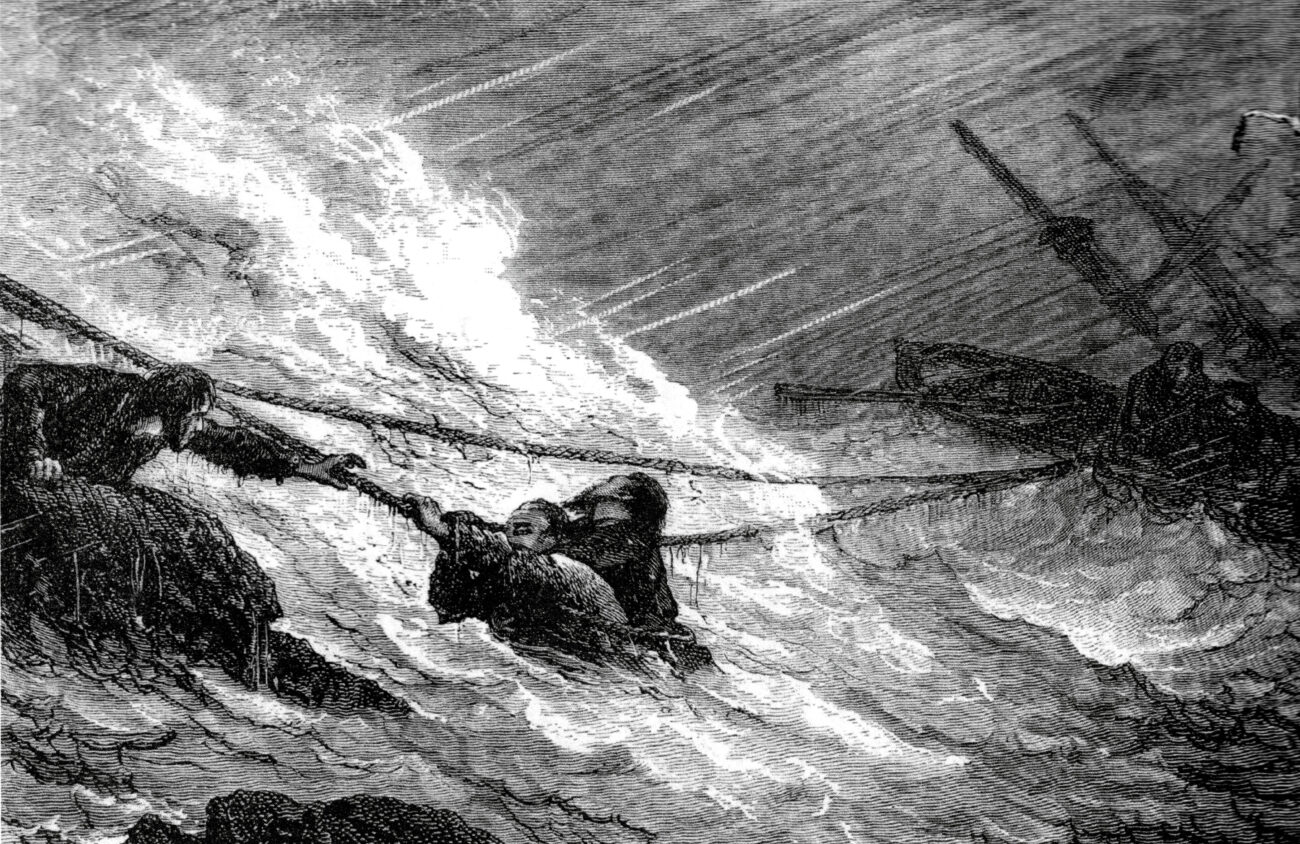
FROM THE ARCHIVES A tale of two shipwrecksLife in the subantarctic is difficult enough for those who arrive prepared. In 1864, castaways from two storm-wrecked ships, the Grafton and the Invercauld, landed on opposite ends of Auckland Island. Survival became a daily challenge. Each group tackled it differently: one fell to violence and cannibalism, while the other became a close-knit brotherhood. Were the wildly different fates of men of the Grafton and the Invercauld down to luck—or leadership? |