|
Where takahe like to live; encouraging news from this year's global climate conference.
|
The Weekender |

|
|
|
Free newsletter
|
DECEMBER 15, 2023
|
|
 |
Senior editor, digital |
|
|
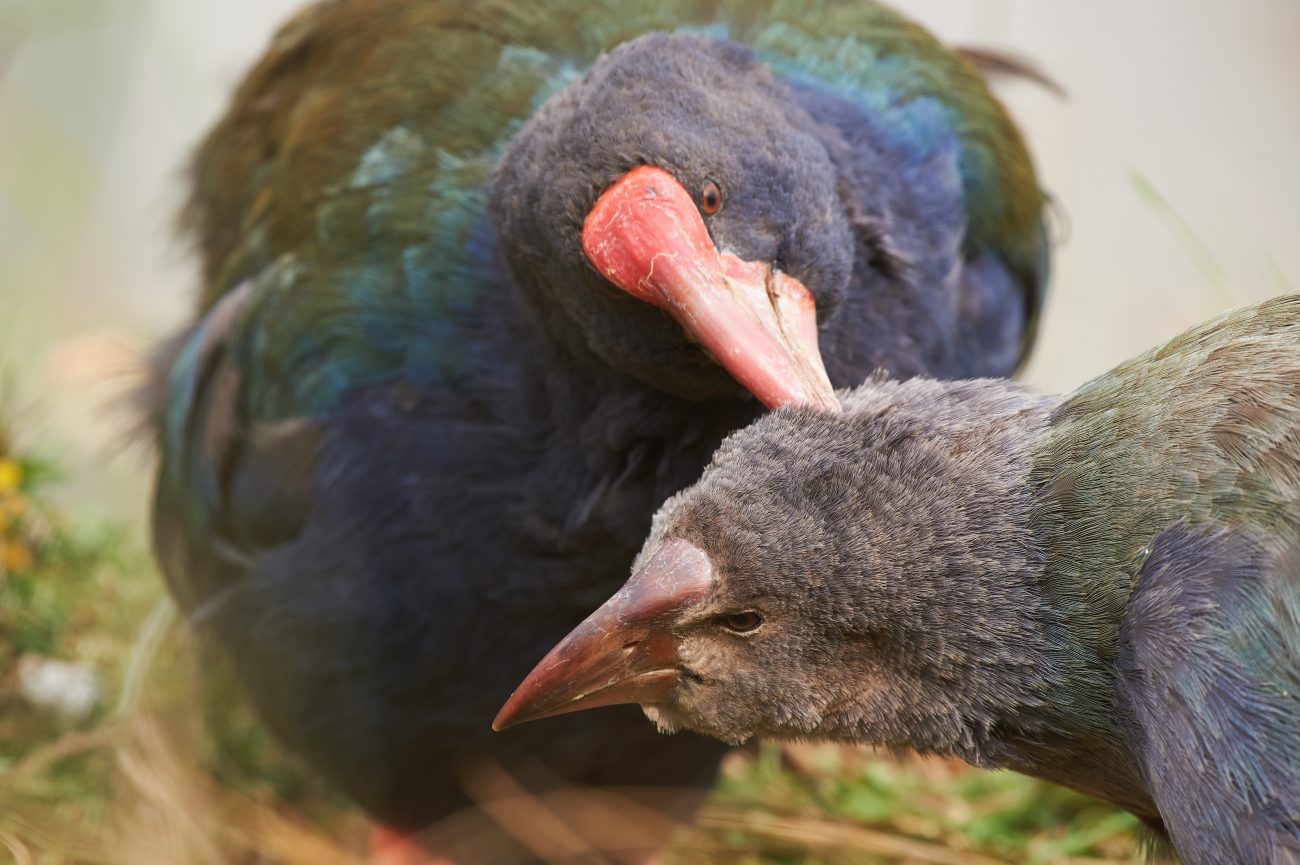
This week, we found out that takahē have a surprisingly tragic past. And we agreed, along with 144 other countries, to ditch fossil fuels (eventually). What does that mean for us? I spoke to some of the New Zealanders involved in the climate talks to find out. Speaking of fossils, with more deluges forecast, keep an eye out for dinosaur-era remains washing to the surface. And, in case you missed it earlier this month: our story on the weather-forecasting stoush preventing us from predicting floods. |
|
|
|
||
|

|
CLIMATE The global climate conference is over. What does it mean for us?Imagine Parliament, a trade show, an academic conference, and a series of protests verging on performance art, all happening at the same time, involving the same number of people as there are living in Dunedin—that’s COP, says David Tong, a New Zealand climate activist and former lawyer. This year’s COP, in Dubai—the ninth one Tong has attended—was three times bigger than any previous COP, with close to 100,000 climate negotiators, politicians, lobbyists, activists, protestors and other observers. And, for the first time, the nations at COP agreed that fossil fuels are a problem and that we should stop using them, in an agreement described as a diplomatic breakthrough that’s historic and inadequate all at once. Here’s a look inside COP and what the agreement means for New Zealand. |
RELATED STORIES |
|
|
||
|

|
|
||
|
|
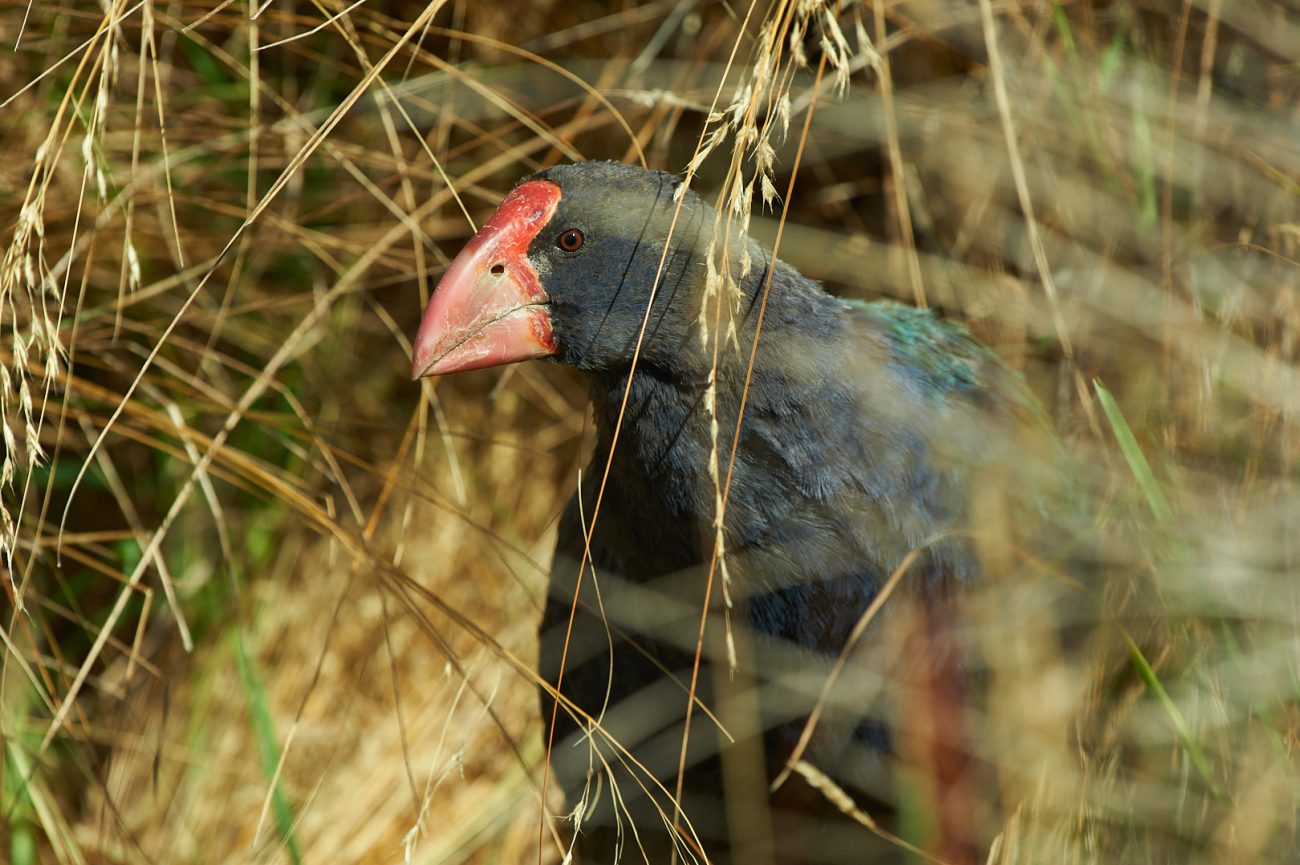
WILDLIFE Takahē moved out of the top of the South Island on their own. Were we wrong to put them back?Once found around the country, takahē were hunted and predated to the point of invisibility, then presumed extinct for half a century before their rediscovery in 1948. Now, a new palaeogenomics study shows just how close they came to oblivion. The study has also answered a few long-standing questions about the birds: How did they get here? What happened to them after they arrived? And it raises a new question: Where should they live now? |
|
|
||
|

|
SUBSCRIBE AND WIN A SONY CAMERA PACKAGE Subscribe or renew by Christmas and go into the draw to win a Sony Alpha 7M4 and Sony FE 24-105mm f/4 G lens worth $7400. All subscribers also receive a free 32-page 2024 wall calendar but you need to subscribe by 2pm Monday. Check out the options. |
||
|
|
||
|
|
|
||
|

|
FROM THE LATEST MAGAZINE Why have many Pacific cultures turned to artificial flowers?“In the Pacific, things, especially plant things, are created and consumed with the understanding that they are impermanent,” writes Nathaniel Lennon Rigler Siguenza. “We accept, and in some cases even revere, that what we create or foster in its creation dies. We bind lei with twine to drape over the neck of someone we love in a moment of their life we want to make special. We know that once broken from a tree, the scent of the flowers lasts only a few hours. “However, my mother is quick to challenge the principle of impermanence. She reminds me that our things tell stories, and with them we can share our lives with other generations after we’re dead. She doesn’t want who we are to disintegrate to time permanently.” |
|
|
||