|
| |
Conceptual art, and a conjuring trick
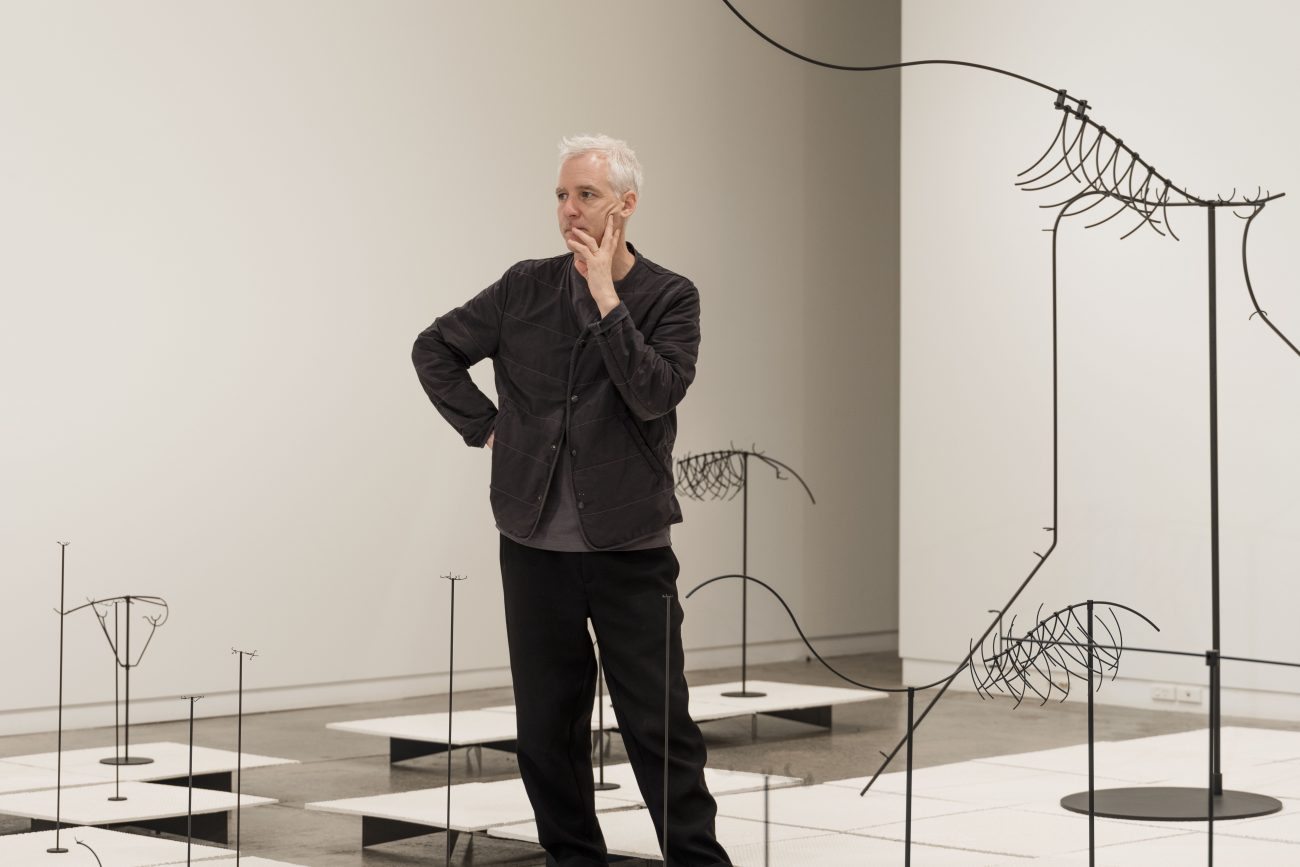
Walk into Dane Mitchell's latest exhibition and you immediately think: birds. It's in the sweep of necks, the splay of feet, the sense you're being keenly watched. But there are no birds here—it's their absence that's the trick.
You know the mounts that museums use to hold onto their taxidermy displays, their fossil samples? Mitchell has worked with Stephen Brookbanks, who used to make mounts for Auckland War Memorial Museum Tāmaki Paenga Pira, to build a mount for all 107 extinct birds of Aotearoa.
"It's a monument of loss, a monument to vanished things," he tells a couple who wander in.
Does it not make him terribly sad, obsessing over the birds, over all we've lost? Keep reading...
|
|
|
| |
The back of beyond
For more than a century, nothing much changed in the Baton Valley, apart from the weather.
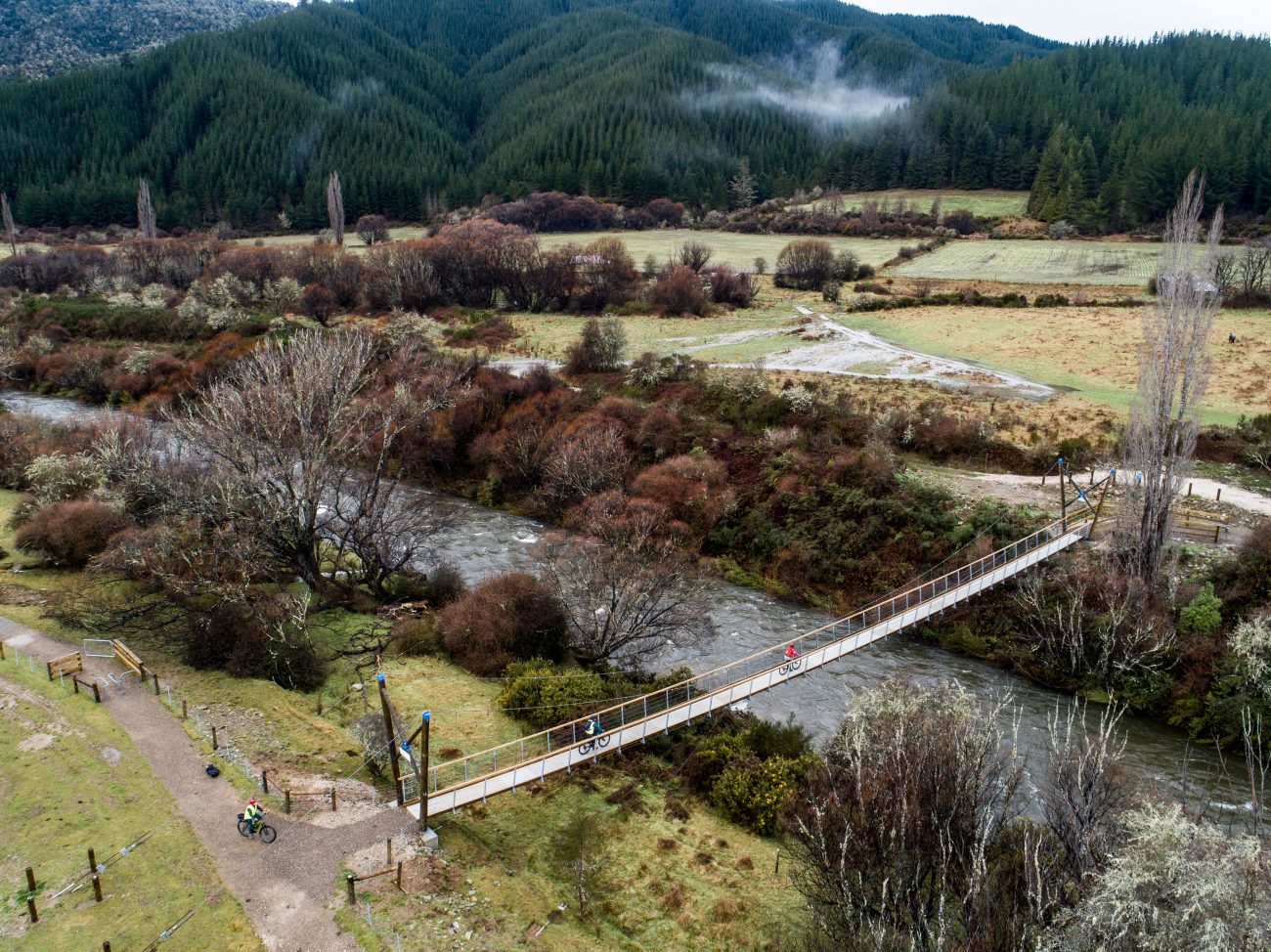
The valley, at the top of the South Island, runs roughly parallel to the eastern edge of Kahurangi National Park, carved out by water. Three rivers and numerous streams all flow into the Baton River, making it the aorta of the valley, and its flow dictates the lives of the few and eclectic people who live here.
This has long been a place where life is isolated, physical, and self-sufficient. But now, the Tasman Great Taste Trail is opening up the valley to tourism, and residents are worried the influx of thousands of cyclists will change their home irreparably.
Keep reading...
|
|
|
| |
Subscribe and support local journalism
While advertising and retail income goes up and down, it is subscriptions from readers like you that power long-term journalism projects from around New Zealand and help us keep the lights on.
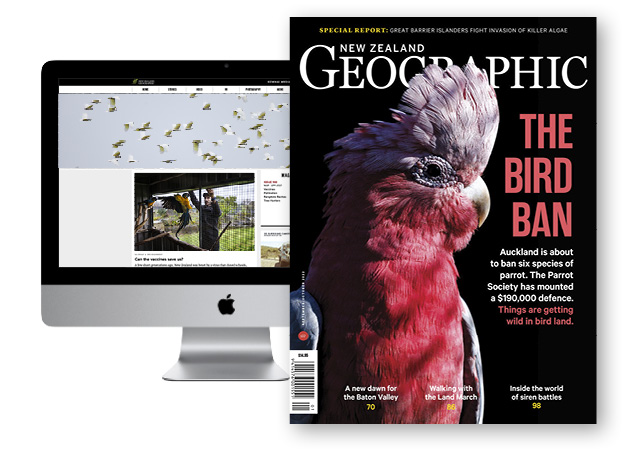
It's not as much as you think—$8.50 every two months for digital, $12 for print or $16.50 for both... a gold coin a week. Check out the options.
|
|
|
|
| |
Which is your favourite?
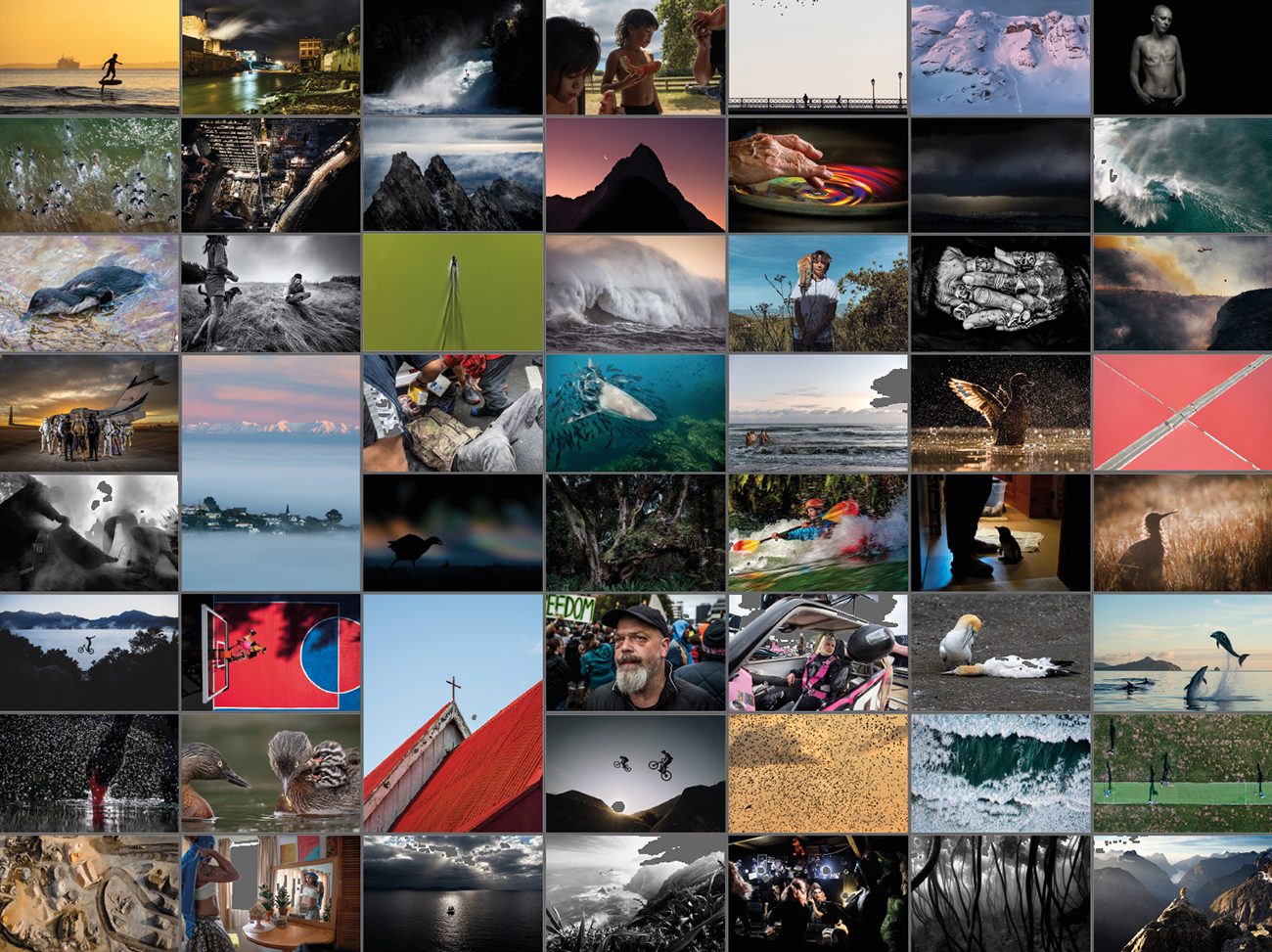
Our photographer of the year competition is well underway—finalists were announced last week.
To reach this point the judges spent many hours debating the merits of leaping dolphins versus protestors versus precise rooflines versus a rockwren perched—for all the world like an influencer—on an Instagram-worthy peak.
Now it's your turn: voting has opened in the people's choice section. And believe us—even if you're not feeling judgy, it's a pleasure to simply scroll through these finalists. Keep reading...
|
|
|
| |
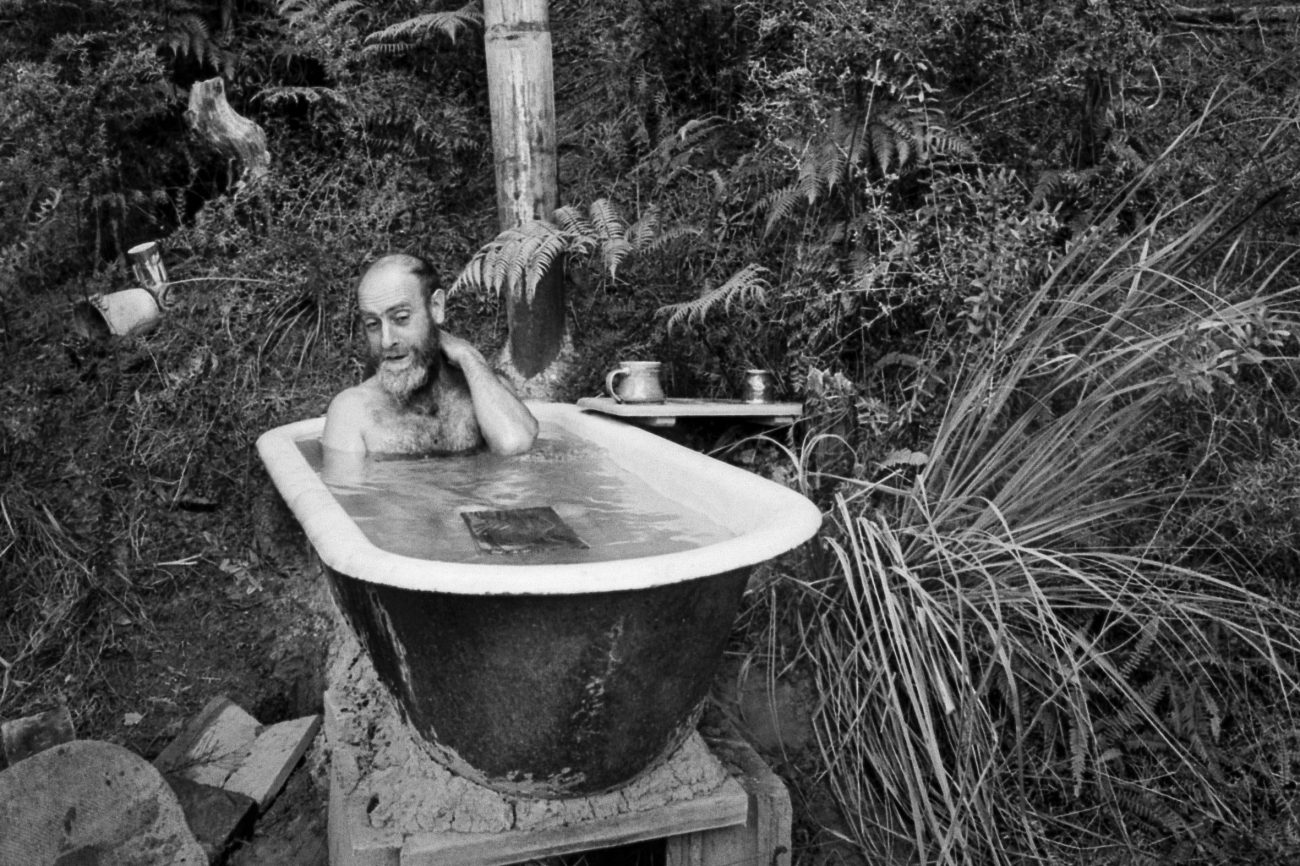
Portrait of the artist at home—in Godzone
Friedenscreich Hundertwasser, pictured here completely at ease bathing at a commune on Kawakawa River, spent his early years in Austria and much of his adult life flitting about overseas. But he seemed fated to set down his deepest roots in Aotearoa. He called it the Promised Land.
Lured here in 1973 with a touring exhibition, by 1975 the artist had bought 200 hectares in the Kaurinui Valley and was living off-grid in an old farmhouse. He spent his time painting, planting trees—100,000 of them—and building a system of canals connecting the land with the sea, so he could row his dinghy right up to his house.
In issue 177 Vaughan Harwood covers a new book that sketches in more detail of the artist's extraordinary life—and showcases some of Hundertwasser's spectacular art. (It's not just toilet blocks.) Keep reading...
|
|
|