|
Since 1955, New Zealand has prioritised cars in the design of our cities and streets. But what does that mean for anyone who isn’t behind the wheel?
|
|
|||||

|
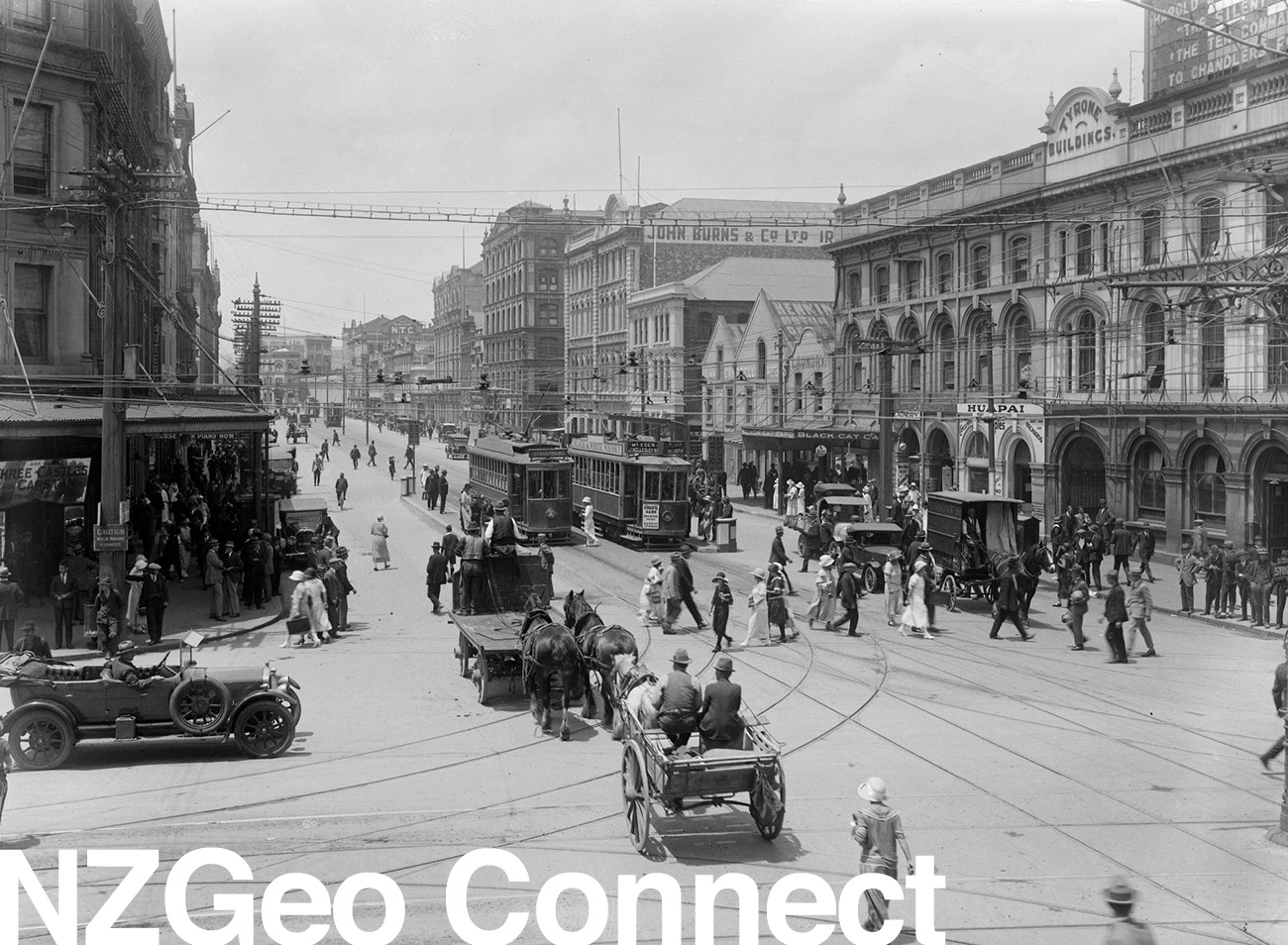
StreetscapesIt's tempting to see our cities as the product of forces beyond our control. But cities are the result of thousands of choices—decisions about who or what is important—and it’s only relatively recently that cars took centre stage. In 1955, Auckland’s 387,000 residents were taking roughly 100 million public transport trips every year—258 each on average—mostly thanks to the city’s popular electric trams. But a report suggested a different model: a state-of-the-art urban motorway system. Keep reading... |
||
|
Connect is a free newsletter that allows teachers, librarians and students to get the most out of their NZGeo digital subscription—all schools have access, and many public libraries. Understand how to use it here. |
||
|

Jade Kake wants to reinvent how we liveThe vision came to Jade (Ngāpuhi, Te Arawa, Whakatōhea) on Motu Matakohekohe, an island in Whangārei Harbour. Up top, it’s dusty and bare, but there, where her Te Parawhau ancestors had a major pā, there’s a sweeping view of the bays and inlets. Her gaze settled on whānau-owned ancestral land at Te Rewarewa, where her grandfather was born and raised. “I was thinking about the kāinga that used to be [in the harbour], and those that are still there, and about what impact I—not alone, among others—might be able to have in my lifetime. I got excited about seeing those kāinga re-established… and how different our lives might be as a result.” Keep reading... |
||
|
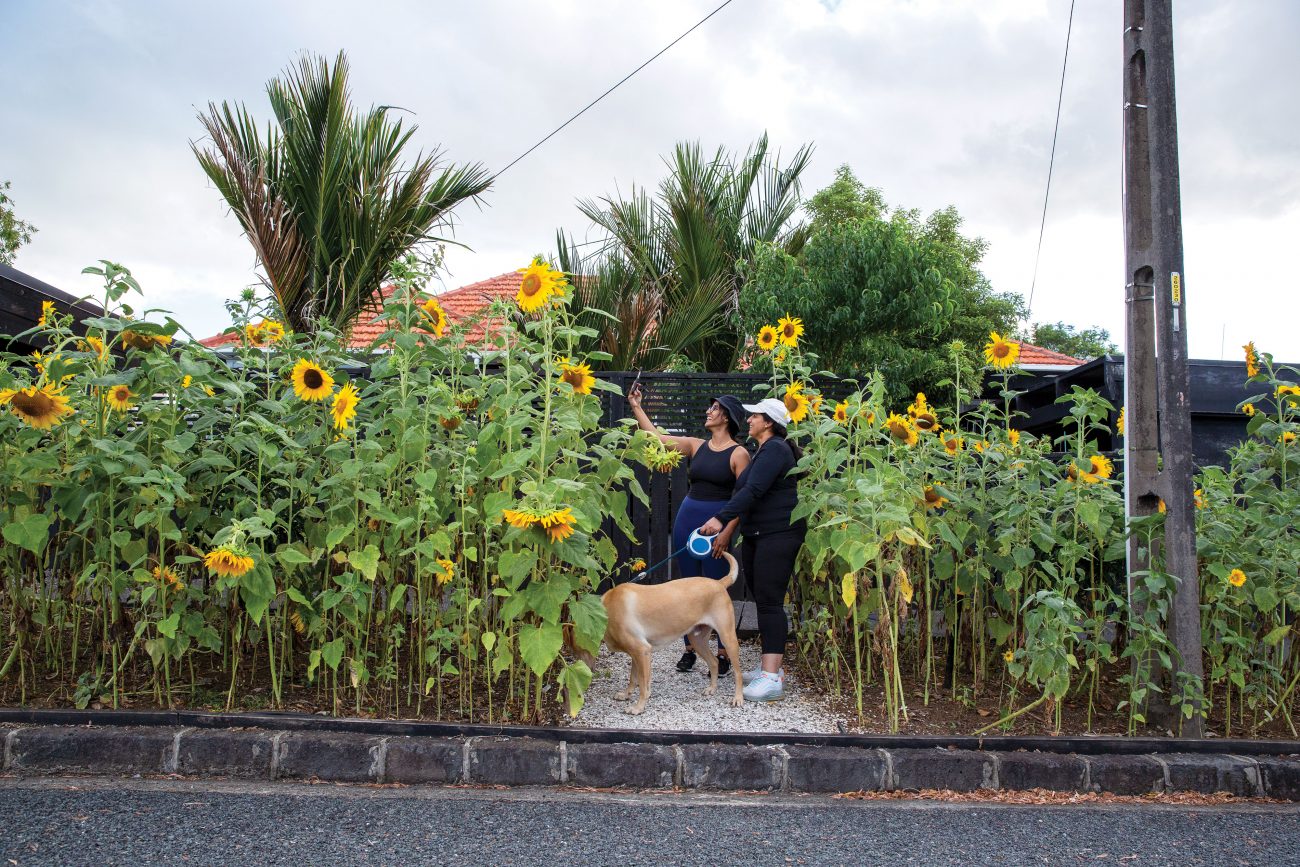
Roads or streets?During Auckland's most recent lockdown, I got in the habit of going on a passeggiata. I called it this to make it seem more interesting; I went on a walk around the block. For Italians, a passeggiata is the stroll you take on a summer evening to see what’s happening in the town square and say hi to everyone else. For me, it meant putting a beer in the pocket of my cardigan and wandering down the road. |
||
|
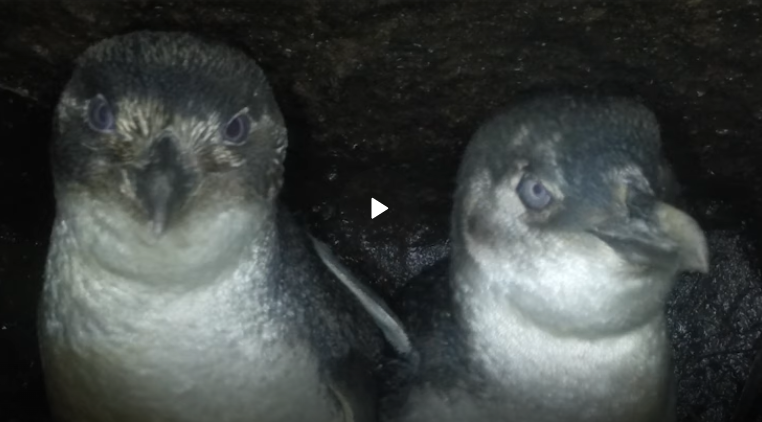
Better Ancestors: the secret life of kororāThe Ngā Mōtū Marine Reserve Society was set up in 1997 to support a network of small marine reserves on the Taranaki coast – Parininihi in the north, and Tapuae near New Plymouth. The society is made up of locals who are interested in the study and preservation of local coastal and marine biodiversity and their efforts to protect kororā (little blue penguin) have helped us understand what we can do to protect other taonga species in Aotearoa. Watch the video... |
||
|
|||||


 |