|
| |
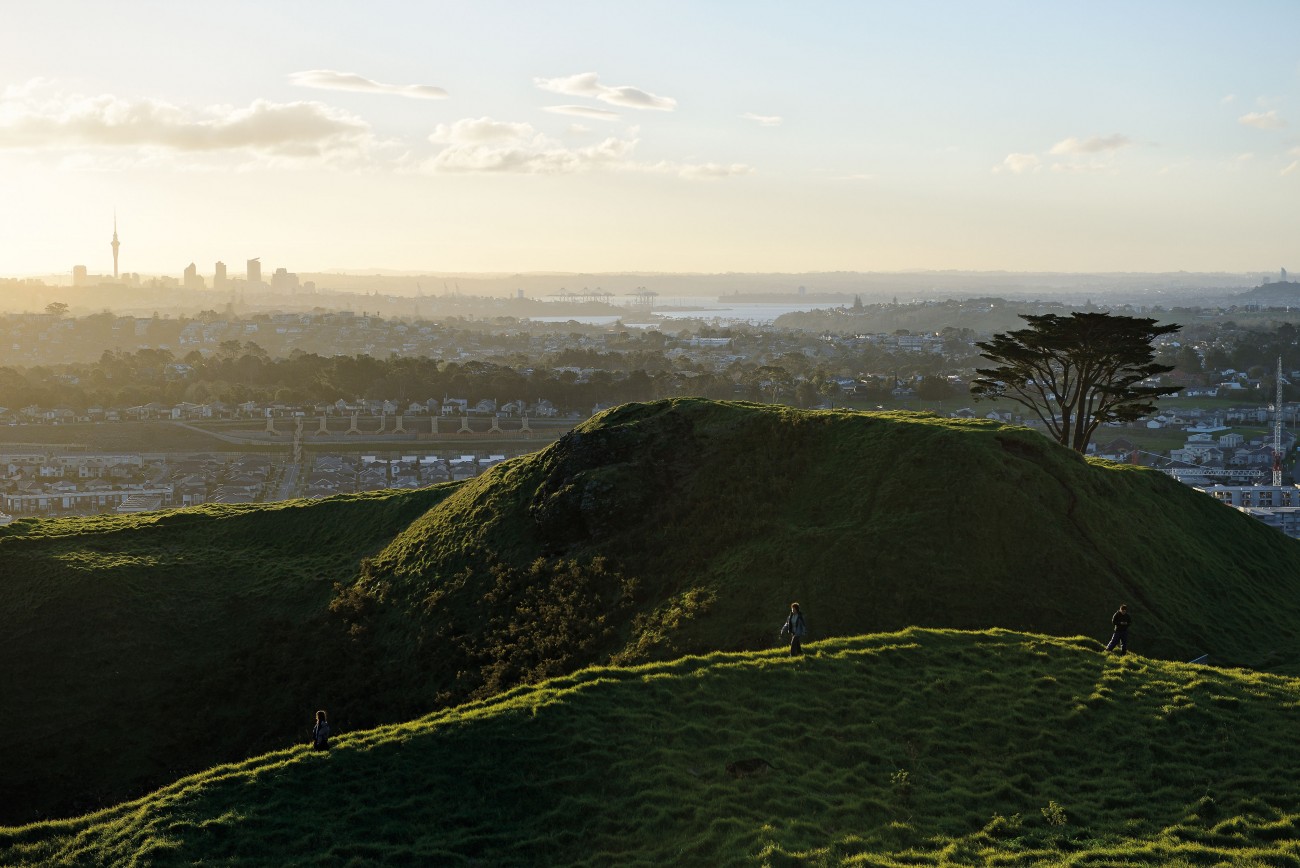
The fire beneath us
Auckland's volcanic field will probably erupt again in the next few hundred years, and a recent study looks at how long it would take to evacuate the city if a volcano were to occur: about 50 hours. (Interestingly, Auckland was also recently ranked by an international organisation as the most liveable city in the world.)
Evacuation time could be speeded up if people were prepared, if roads were less congested, if the eruption happened in a less populated area... or, most obviously, if we knew where the eruption was going to be ahead of time. In 2015, New Zealand Geographic spent time with the scientists attempting to predict Auckland's volcanic future. Keep reading...
|
|
|
| |
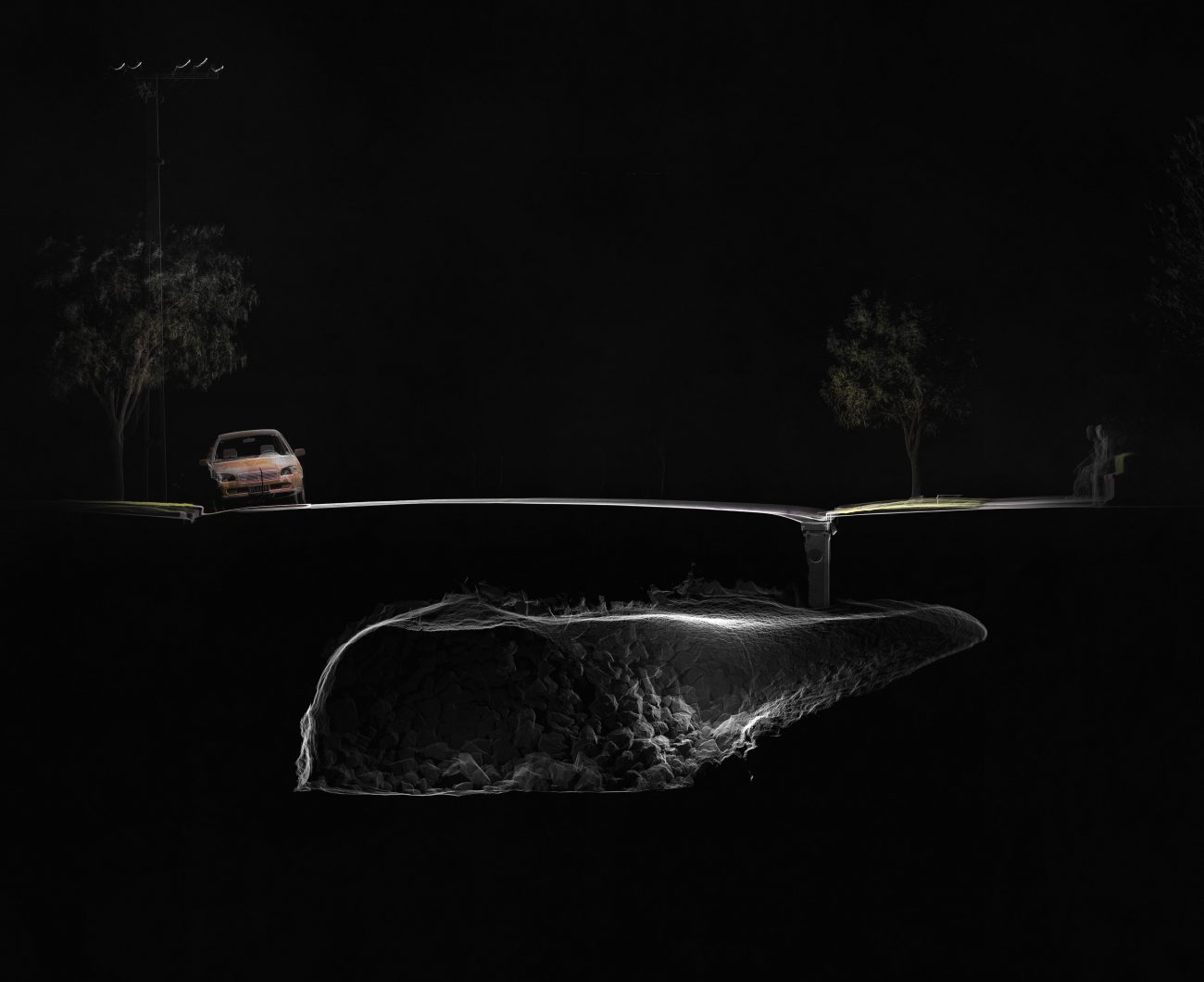
The secret passages beneath Auckland
Lava caves may just be the most delightful thing that Aucklanders don’t know about their city—hidden below the suburbs, beneath front lawns and corner dairies.
These caves are formed as a stream of lava begins to cool. The surface of the lava solidifies, but molten rock continues to flow beneath, kept fluid by the insulating crust. More often than not, the tunnel fills up and sets solid, but every now and again, if the flow isn’t blocked, a cave is created. Keep reading...
|
|
|
| |
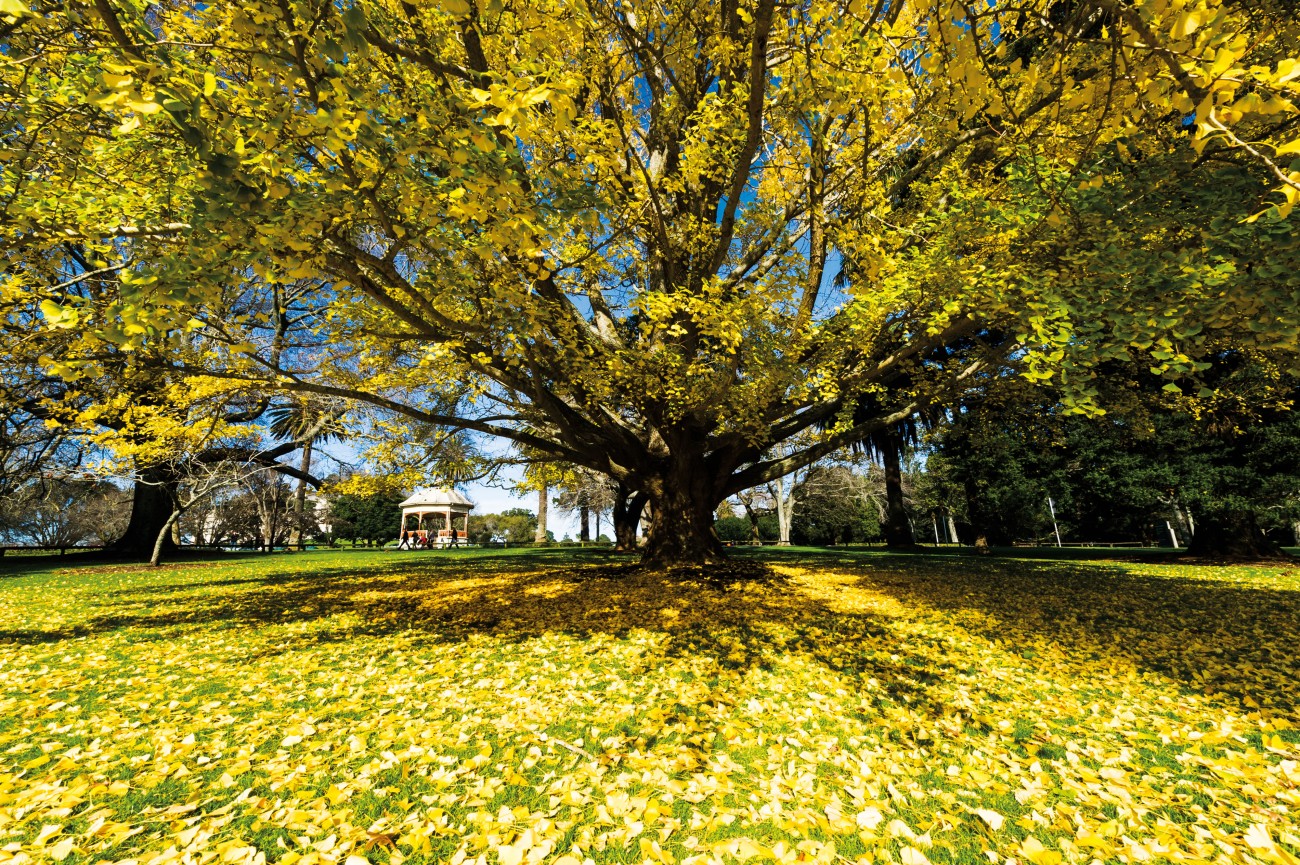
The city's green heart
Auckland is sometimes known as the City of Sails, for its evident maritime blessings. But it is also very much a city of parks. Of all these great green interruptions to the urban sprawl, the jewel is surely the Domain. Its 80 hectares are home to the oldest continuously operating plant nursery in the country, some striking monumental architecture and sculpture, ponds, playing fields and native bush. As Hyde Park is to London or Central Park to Manhattan, so the Domain is Auckland’s heart and lungs. It was also once an inferno. For much of my life I was unaware that the Domain—or Pukekawa by its original Māori name—is largely the remains of an ancient volcanic eruption. Keep reading...
|
|
|
| |
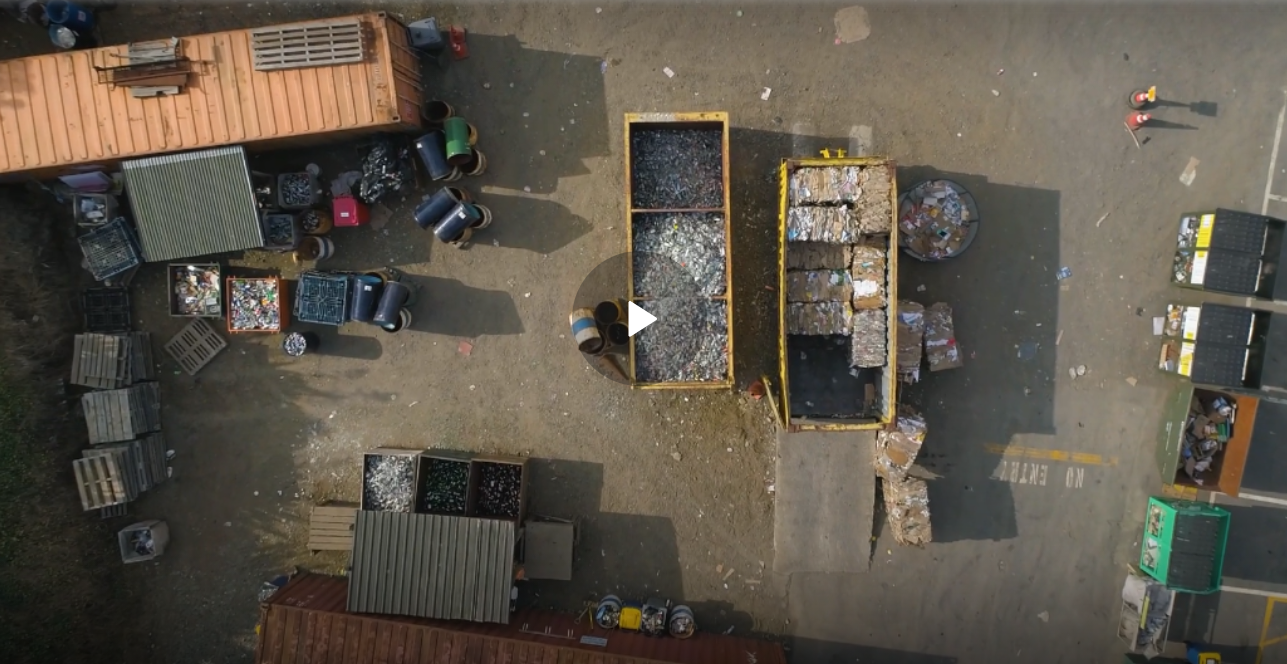
Better Ancestors: The community saying no the waste
Raglan's Xtreme Zero Waste was started by Liz Stanway and Rick Thorpe and has evolved to become a community envisioned, created, and operated waste diversion programme. Now, 80% of the community’s waste is reduced, repurposed or recycled and diverted from traditional landfill. While helping to protect the environment, community waste management systems are also providing jobs and resources back to the people. Watch the video...
|
|
|