|
| |
The spotted shags are back—real ones
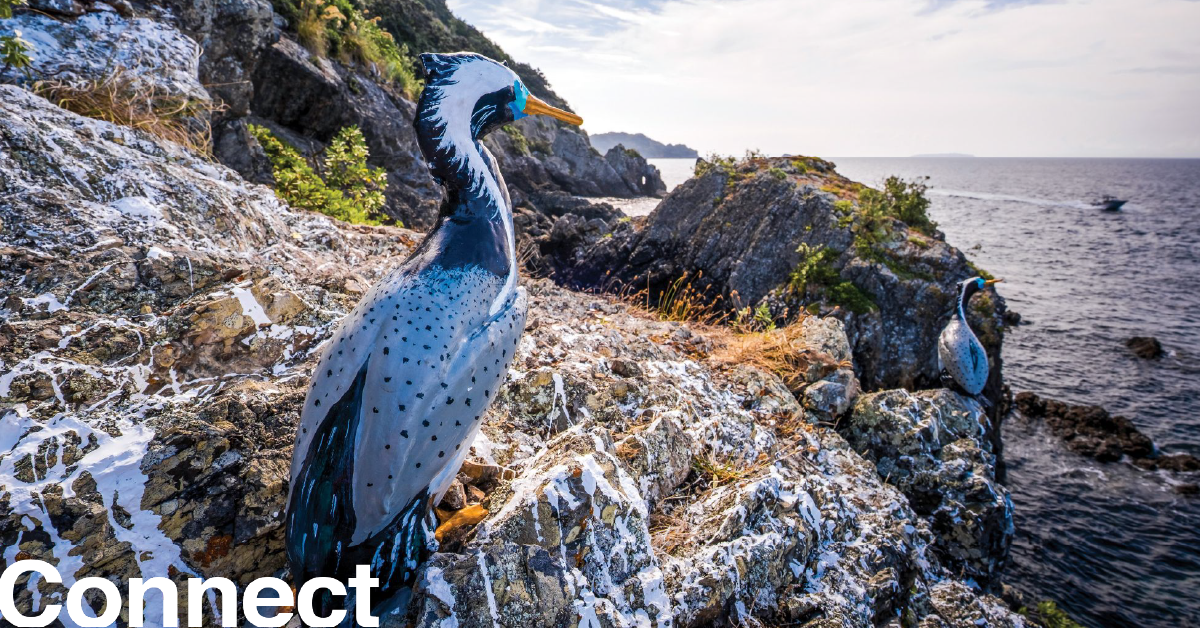
Two years after the creation of a fake shag colony on Otata, one of the Noises islands, real shags have finally arrived to join the 3D-printed birds. “Encouraging signs of a shaggarama,” wrote seabird biologist Matt Rayner in response to the news.
The mock colony (pictured above) was an experiment by scientists, who hoped they could lure the Hauraki Gulf's rapidly diminishing shag population back to one of their old breeding grounds. The colony involved fake birds, fake nests, recordings of bird calls, and the liberal application of fake poo. And it might just have worked. Keep reading...
|
|
|
| |
Where the seabirds go
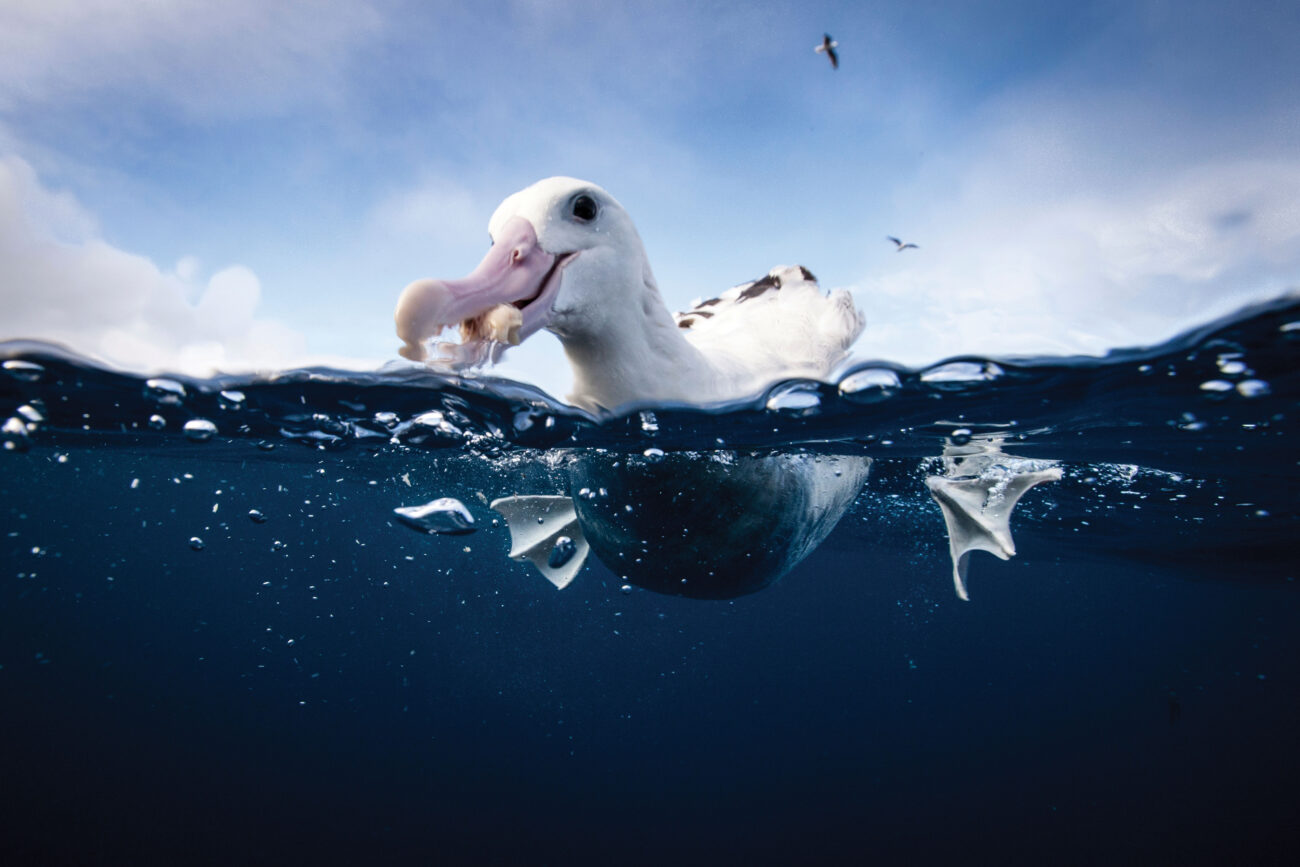
During winter, dozens of seabird species take flight from New Zealand on epic migrations across the planet—and recent advances in tracking technology mean we can now follow them. What we’re learning has upended scientists’ ideas about the lengths animals will go to in order to raise a family. Keep reading...
|
|
|
|
| |
Greener pastures?
It's Saturday night and the Sikh temple in Te Puke is full to bursting with several hundred people from around the Bay of Plenty. Upstairs in the prayer room, the turbaned granthi reads from the Guru Granth Sahib, the Sikh holy book. Downstairs, the main hall and kitchen are a whirl of colour and activity. People sit cross-legged on the floor. On the men's side of the room, there's speculation about the All Blacks’ prospects in the test match tonight. To the casual visitor, Te Puke looks and feels like any small North Island town. But look closer and you’ll find spice shops open late on a Friday evening, or advertisements for a kabaddi tournament. Two-thirds of the shops on the main street are Indian-owned and there are two Indian supermarkets, one Sikh and one Hindu, with a third under construction.
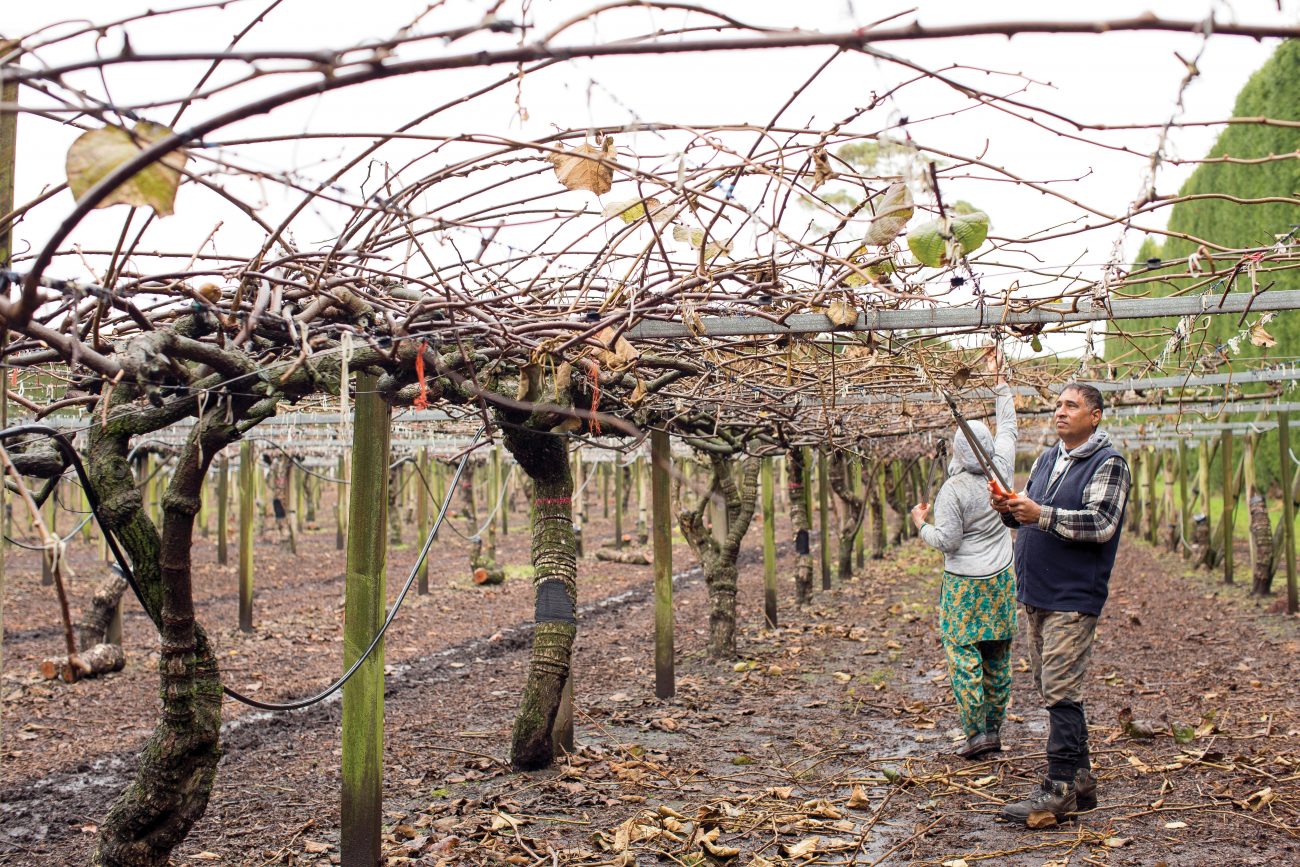
Since the early 1990s, thousands of Indian and Nepalese migrants have populated the area, mostly to work in the kiwifruit industry, and have become a major economic and social force. Keep reading...
|
|
|
|
| |
Better Ancestors: Sam Mahon's fight for New Zealand rivers
Throughout his career, Sam Mahon has harnessed public attention and created controversy with his paintings, writings, sculpture, and public protesting, all in the name of revealing the truth about the sorry state of New Zealand’s waterways. Over just the last few decades, New Zealand’s freshwater has gone from some of the cleanest, to some of the most polluted and toxic in the world, both as a result of agricultural run-off and urban waste dumping. In the face of such environmental degradation, bold art can bring the awareness to an issue in ways that traditional avenues can’t, and no one knows how to do this better than Sam Mahon. Watch the video...
|
|
|
|