|
| |
A summer of walking
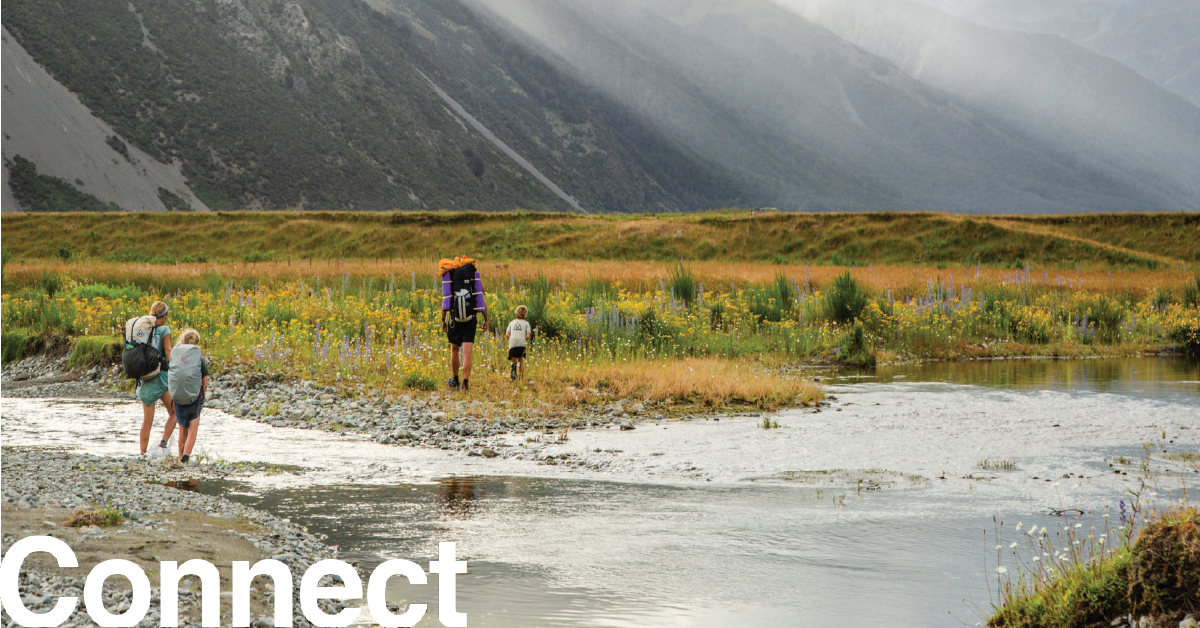
For the first time, New Zealanders outnumber international visitors walking Te Araroa, the track that runs the length of the country. Many will have started in October in order to complete the track before winter, while Queenstown nurse Brooke Thomas just broke the women's record for running the entire track.
Two years ago, we followed a New Zealand family walking the track. They lived outdoors for five months and covered an average of 20 kilometres a day. For nine-year-old Elizabeth and six-year-old Johnny, it was an immersive education—a form of learning increasingly absent from the lives of young New Zealanders, even as international research affirms the importance of children spending time in nature. Keep reading...
|
|
|
| |
Fairy terns struggle over summer
Just a handful of fairy tern/tara iti chicks are set to join the adult population of around 40 birds after this summer's breeding season.
The fairy tern has got everything going against it: weather, cats, its own DNA, and the fact that humans love the white-sand beaches where it raises its young.
Only a small group of people, many of them volunteers, stand between it and oblivion. What will we lose if it vanishes altogether?
(Yes, there's fairy tern chick in the picture above.) Keep reading...
|
|
|
|
| |
What have we got against gulls?
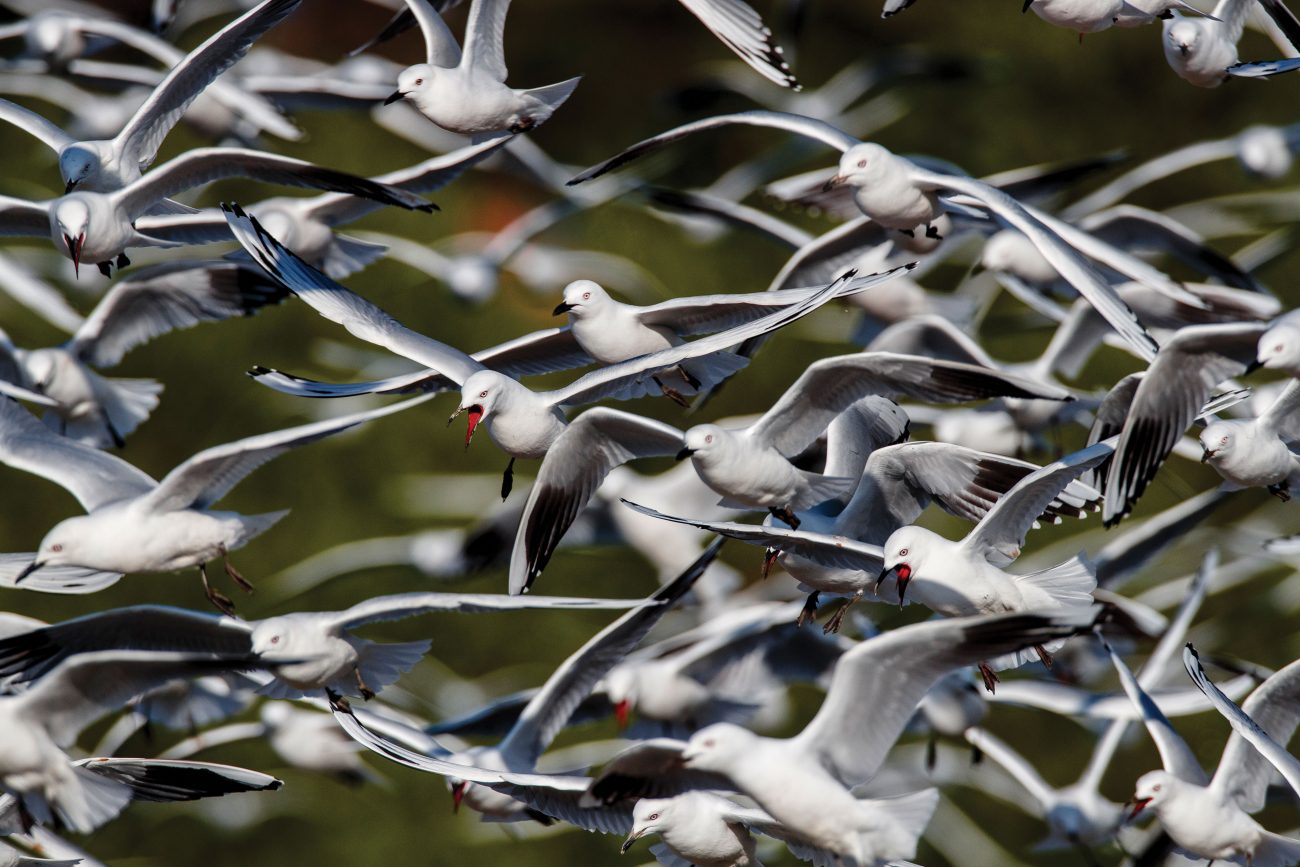
Earlier this month, a group of four-wheel drivers and motorcyclists rode through a colony of tarāpuka/black-billed gulls nesting on a north Canterbury riverbed. Tarāpuka are the rarest gulls in the world, more endangered than the takahē, the hoiho, and all five species of kiwi.
When New Zealand Geographic journalist Bill Morris visited the Hakatere River near Ashburton, he found a thriving colony of tarāpuka, as well as pied stilts, wrybills, pied oystercatchers and banded dotterels.
"There are few places in New Zealand where this kind of abundance and diversity is found in such a small area," he writes. "The area is, of course, highly protected, closely monitored and off-limits to most human activity. Right? Well, no." Keep reading...
|
|
|