|
| |
New Zealand's most endangered town
The first building to be shifted out of harm’s way was the Batson Hotel. In 1911, it was winched upwards, by hand, on makeshift trestles and sloping planks, from its flood-prone river terrace onto—but who could have known it then?—the scarp terrace of the Alpine Fault. The hotel expanded to become the gracious Glacier Hotel, which was destroyed by fire in 1953. It was rebuilt to the north, and in 2016, written off by the flooded Waiho River. A boulder as big as a truck still sits inside the ruined building. Keep reading...
|
|
|
| |
Not an alpine parrot after all
Kea are the mischief-makers of the mountains, but a genome study shows they are not tied to alpine areas. As rising temperatures shrink their habitat, they could return to lowlands—if they can find suitable places to live. Fossils suggest that kea once occupied low-lying areas throughout the South Island and even in the North Island. In fact, there’s nothing “to stop kea from living at lower altitudes”, says University of Otago evolutionary geneticist Michael Knapp. The research scoured the genomes of kea and its sister species kākā, which is adapted to life in the forest, for any genes known to be involved in adaptation to life in the mountains. Keep reading...
|
|
|
| |
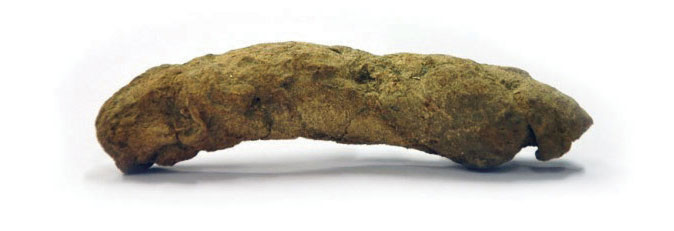
Fossilised poo, a valuable discovery
In the summer of 2015, in a remote valley of Fiordland National Park, two scientists discover fossil poo fragments underneath a limestone overhang. Analysis suggests the fragments are from moa and are thousands of years old, so a team returns—three years later—to excavate. What they find is a rich deposit of moa poo—called coprolites—that accumulated over a period of two millennia, probably between 6800 and 4600 years ago. But what use is old poo? Scientists can carefully examine the pollen, seeds, DNA and plant microfossils in coprolites to determine what kind of food fuelled the nine moa species that roamed the country. Keep reading...
|
|
|
| |
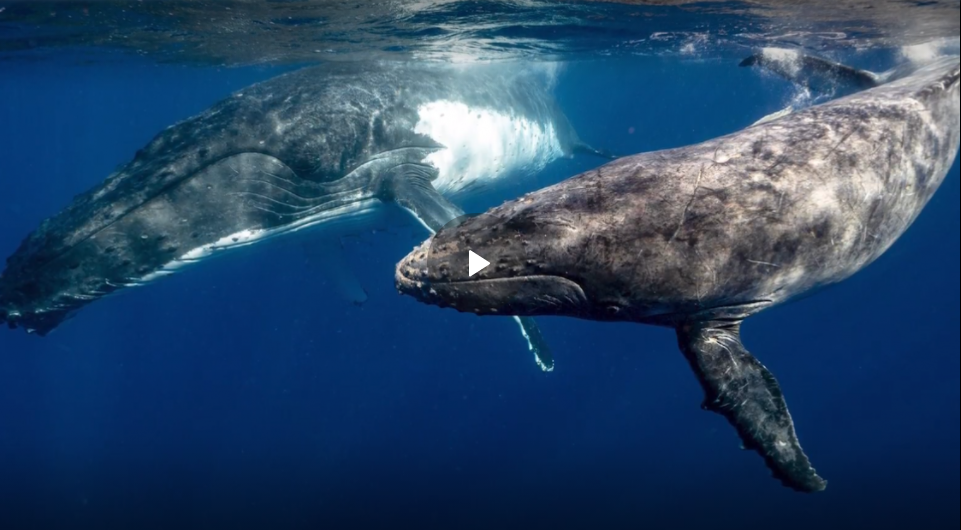
Better Ancestors: Project Jonah, the programme training volunteers to save marine mammals
Aotearoa / New Zealand has one of the world’s highest rates of whale standings, and hundreds of whales can beach themselves at one time. During these strandings, it is the highly skilled volunteer medics, trained by Project Jonah, who offer the best care possible. By directing the public on how to help and maintain personal safety, these volunteers are able to keep stranded whales from overheating and, if possible, return them to the water. Watch the video ...
|
|
|